
Managing your credit card payments effectively is a cornerstone of sound personal finance. For Capital One cardholders, understanding the various payment methods, adhering to due dates, and implementing smart payment strategies are crucial for maintaining a healthy credit score, avoiding fees, and fostering overall financial well-being. This guide delves into the practical aspects of making your Capital One credit card payments, framed within the broader context of prudent money management.
Understanding Your Capital One Statement and Payment Due Dates
Before diving into payment methods, it’s essential to grasp the fundamental information presented on your monthly credit card statement and the critical role of payment due dates. This foundational understanding empowers you to make informed financial decisions.
Decoding Your Monthly Statement
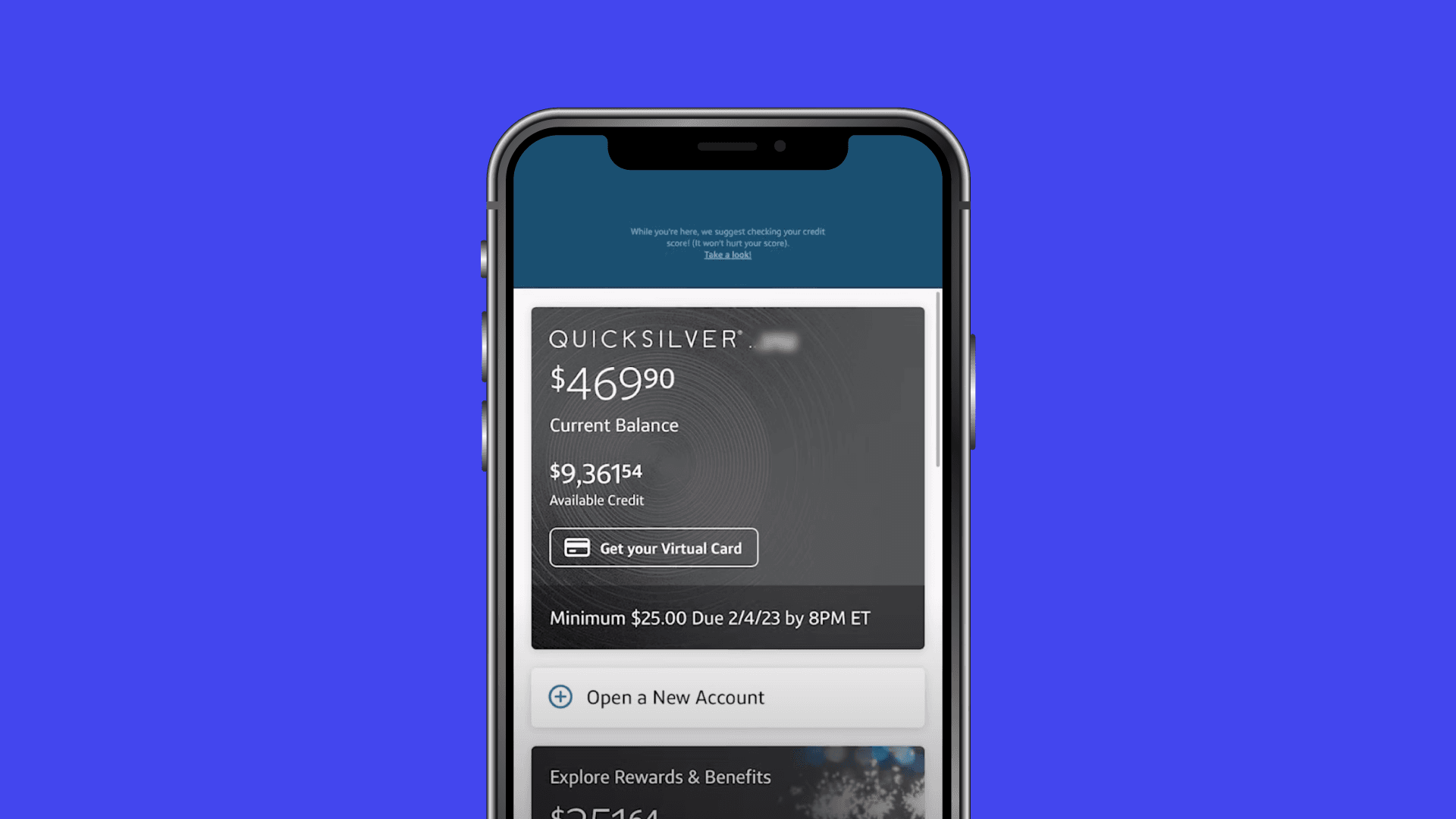
Your Capital One credit card statement is more than just a bill; it’s a comprehensive overview of your spending habits and financial obligations for the billing cycle. Key sections to scrutinize include:
-
Current Balance: The total amount owed as of the statement closing date.
-
Minimum Payment Due: The smallest amount you must pay by the due date to avoid late fees and maintain your account in good standing. This typically represents a small percentage of your total balance, plus any past due amounts and current interest.
-
Payment Due Date: The deadline by which your payment must be received by Capital One.
-
Previous Balance: The balance from your last statement.
-
New Charges and Credits: A detailed breakdown of all purchases, cash advances, balance transfers, payments, and returns made during the billing cycle.
-
Interest Charged: The amount of interest accrued on your outstanding balance, if applicable. This is typically calculated on the average daily balance for the period.
-
Annual Percentage Rate (APR): The yearly rate of interest charged on your outstanding balance. Different APRs may apply to purchases, cash advances, or balance transfers.
Thoroughly reviewing your statement helps identify any unauthorized charges, track your spending against your budget, and understand the cost of carrying a balance.
The Importance of Payment Due Dates
The payment due date is arguably the most critical piece of information on your statement. Missing this deadline, even by a single day, can trigger a cascade of negative financial consequences, including late fees, an increase in your APR (known as a penalty APR), and a negative mark on your credit report. Capital One typically requires payments to be received by 5:00 PM ET on the due date. Planning ahead to ensure your payment processes well before this cutoff is vital, especially when using methods that involve processing times.
Minimum Payment vs. Full Balance Payment
While paying the minimum amount due prevents late fees and defaults, it is generally not the most financially savvy approach. The minimum payment often covers only a small portion of your principal balance, with a significant part going towards interest. This means it can take many years to pay off a substantial balance, accumulating significant interest charges over time.
-
Paying the minimum: This strategy keeps your account current but prolongs debt and increases total interest paid. It’s often a necessity during periods of financial constraint but should not be a long-term strategy for debt management.
-
Paying the full balance: If possible, paying your statement balance in full each month is the optimal strategy. This avoids all interest charges on purchases (assuming you paid the previous statement’s balance in full), saves you money, and helps improve your credit utilization ratio, which positively impacts your credit score. It transforms your credit card into a convenient payment tool rather than a revolving debt instrument.
Understanding this distinction is key to leveraging your credit card responsibly and avoiding unnecessary financial burdens.
Common Methods for Making Capital One Credit Card Payments
Capital One offers a variety of convenient ways to make your credit card payment, catering to different preferences and needs. Familiarizing yourself with these options allows you to choose the most efficient and reliable method for your financial routine.
Online Payments via Capital One’s Website or Mobile App
For many, digital payment channels represent the fastest and most convenient way to manage their Capital One credit card.
Setting Up AutoPay
One of the most effective strategies for ensuring timely payments is to set up AutoPay through your Capital One online account or mobile app. This feature automatically deducts your payment from a linked checking or savings account on a specified date each month. You typically have options to pay:
-
The statement balance in full.
-
The minimum payment due.
-
A custom amount.
AutoPay eliminates the risk of forgetting a payment and incurring late fees. It’s an excellent tool for maintaining payment consistency and peace of mind, though it’s still wise to review your statement each month for accuracy.
Making One-Time Payments
If you prefer more direct control or need to make an additional payment outside of your AutoPay schedule, one-time payments are straightforward. Log in to your Capital One account on the website or through the mobile app, navigate to the payment section, and choose “Make a Payment.” You’ll need to link a checking or savings account if you haven’t already. Payments submitted this way typically process within one to two business days.
Payments Through Your Bank’s Bill Pay Service
Most banks offer an online bill pay service that allows you to schedule payments to various creditors, including Capital One, directly from your bank account. You’ll need Capital One’s mailing address for payments (often available on your statement or Capital One’s website) and your account number. Your bank will then send an electronic payment or, in some cases, a paper check to Capital One on your behalf. While reliable, be mindful of the processing time your bank requires, which can sometimes be longer than direct payments through Capital One.
Phone Payments

If you prefer to speak with a representative or don’t have internet access, you can make a payment over the phone. Call the customer service number located on the back of your credit card or on your monthly statement. Be prepared to provide your account information and your bank account details for the payment. While convenient, this method might incur a small fee in some cases, though Capital One generally waives fees for standard payments. Always confirm any potential charges before proceeding.
Mail Payments (Checks or Money Orders)
For those who prefer traditional methods, sending a check or money order via mail is still an option. Your monthly statement will include a payment stub and the correct mailing address for payments. Ensure your account number is clearly written on your check or money order. It is crucial to mail your payment several business days before your due date to account for postal delivery and processing time. Delays can lead to late fees, so this method requires careful planning and foresight.
In-Person Payments (Limitations and Options)
While Capital One does not operate traditional bank branches for in-person credit card payments, there are limited third-party options available. Some Capital One credit cards can be paid in cash at select MoneyGram or Western Union locations. You’ll need your card or account number and the Capital One receive code (available on Capital One’s website or by calling customer service). A small fee is usually associated with these services. Always verify participating locations and requirements beforehand. This option is best reserved for situations where digital or mailed payments are not feasible.
Strategies for Timely and Effective Credit Card Payments
Beyond knowing how to pay, implementing strategic approaches can significantly enhance your financial discipline and contribute to healthier credit.
Automate Your Payments for Peace of Mind
As mentioned, AutoPay is a powerful tool. Setting it up to pay at least the minimum, or ideally the full statement balance, ensures you never miss a due date. This automation frees up mental space and reduces the risk of human error, protecting your credit score from unnecessary dings. Regularly review your linked bank account to ensure sufficient funds are available to avoid overdrafts or returned payment fees.
Paying More Than the Minimum
Whenever financially possible, strive to pay more than the minimum amount due. Even an extra $20 or $50 above the minimum can significantly reduce the principal balance, thus decreasing the interest accrued over time and shortening the overall repayment period. This practice saves money and accelerates your path to becoming debt-free.
Setting Up Payment Reminders
Even with AutoPay, it’s good practice to set up additional reminders. Capital One allows you to opt-in for email or text payment reminders. You can also use personal calendar alerts or budgeting apps to remind you a few days before the due date, giving you ample time to ensure funds are available or to initiate a manual payment if AutoPay isn’t set up.
Monitoring Your Account Regularly
Don’t wait for your monthly statement to check your account activity. Regularly log into your Capital One online account or app to review recent transactions, check your current balance, and track upcoming due dates. This proactive approach helps identify any unauthorized charges quickly and provides a real-time understanding of your spending and outstanding balance.
What to Do If You Miss a Payment
If, despite your best efforts, you miss a payment, act immediately. Contact Capital One customer service as soon as you realize the oversight. While a late fee is almost inevitable, promptly making the payment and communicating with them might prevent further adverse actions, such as a penalty APR or a negative report to credit bureaus. Depending on your payment history and the time elapsed, they might be willing to work with you. Remember that payments reported 30 days or more past due are the ones that significantly damage your credit score.
The Financial Impact of Responsible Credit Card Payments
Consistent, timely, and strategic credit card payments extend far beyond just avoiding fees. They form a critical pillar of your overall financial health and future prospects.
Enhancing Your Credit Score
Your payment history is the single most influential factor in your credit score, accounting for about 35% of your FICO score. Paying your Capital One credit card on time, every time, builds a strong record of financial responsibility. This, in turn, leads to a higher credit score, opening doors to better interest rates on loans (like mortgages and car loans), easier approval for future credit, and even advantages in areas like renting an apartment or obtaining insurance.
Avoiding Late Fees and Interest Charges
Each missed payment typically incurs a late fee, which can range from $25 to $40 or more. Furthermore, carrying a balance month-to-month means you’re paying interest on your purchases. Over time, these fees and interest charges can add up significantly, eroding your financial resources unnecessarily. Responsible payments eliminate these costs, allowing your money to work for you rather than against you.
Managing Your Debt-to-Income Ratio
Your debt-to-income (DTI) ratio is another important metric for lenders, assessing your ability to manage monthly debt payments in relation to your gross monthly income. While credit card payments contribute to your DTI, responsible usage and timely payments demonstrate your capacity to handle debt. By paying down your balances, especially paying more than the minimum, you effectively reduce your outstanding debt, which can help keep your DTI ratio healthy, indicating less financial risk to potential lenders.

Building a Strong Financial Future
Ultimately, mastering the art of paying your Capital One credit card responsibly is a fundamental step in building a robust financial future. It cultivates discipline, saves you money, improves your credit standing, and positions you favorably for major financial milestones, such as buying a home, starting a business, or securing favorable financing for education. By prioritizing prudent credit card management, you lay a solid foundation for long-term financial stability and success.
aViewFromTheCave is a participant in the Amazon Services LLC Associates Program, an affiliate advertising program designed to provide a means for sites to earn advertising fees by advertising and linking to Amazon.com. Amazon, the Amazon logo, AmazonSupply, and the AmazonSupply logo are trademarks of Amazon.com, Inc. or its affiliates. As an Amazon Associate we earn affiliate commissions from qualifying purchases.