
Securing an affordable rental car can significantly impact your travel budget, turning a potentially hefty expense into a manageable one. While rental car prices fluctuate widely based on demand, location, time of year, and even the day of the week, a strategic approach can consistently unlock substantial savings. This guide delves into the most effective financial tactics for getting the best deals, ensuring you keep more money in your pocket without compromising on your travel needs.
Strategic Booking for Maximum Savings
Timing and location are crucial factors in the rental car game. Understanding how to leverage these elements can lead to considerable price reductions.

Book Early, But Recheck Often
The conventional wisdom of booking early often holds true for rental cars, especially during peak seasons or for popular destinations. Many companies offer lower rates for reservations made weeks or even months in advance. This early booking provides a baseline price. However, the market is dynamic. Rental car companies frequently adjust their pricing based on inventory, demand forecasts, and competitor rates. Therefore, it’s financially prudent to recheck prices periodically, even after you’ve made a reservation. Most standard rental car reservations allow for free cancellation up to 24-48 hours before pick-up. If you find a lower rate for the same car type and dates, cancel your original reservation and rebook at the better price. This vigilance can save you a significant amount, as price drops can occur unexpectedly.
Leverage Loyalty Programs and Memberships
Before committing to a rental, explore any loyalty programs you might already be part of. Major rental car companies (e.g., Hertz Gold Plus Rewards, Enterprise Plus, Avis Preferred) offer free-to-join programs that provide benefits such as expedited service, free upgrades, and, most importantly, discounted rates or points that can be redeemed for future rentals. Additionally, look into memberships with organizations like AAA, AARP, Costco, or even some credit card providers. These often come with pre-negotiated corporate rates or exclusive discount codes that can be significantly lower than public rates. Always input your membership details or discount codes when searching to see the adjusted price. Stacking these discounts, where possible, can compound your savings.
Consider Off-Airport Locations
Renting a car directly from an airport location often comes with a premium. Airports typically impose various fees and surcharges on rental car companies, which are then passed on to the consumer. These can include concession fees, customer facility charges, and additional taxes, collectively adding 10-30% or more to your total bill. To circumvent these costs, consider renting from an off-airport branch in a nearby city or suburb. Often, these locations are just a short taxi, ride-share, or public transport ride away. While you might incur a small cost to reach the off-airport location, the savings on the rental itself usually outweigh this initial expenditure, leading to a net financial gain. Researching the proximity and accessibility of non-airport branches can be a smart money move.
Smart Comparison and Negotiation Tactics
Finding the best deal isn’t just about initial searches; it involves strategic comparison and, at times, a willingness to adjust your preferences.
Utilize Aggregator Sites and Direct Bookings
To get a comprehensive view of the market, start your search with rental car aggregator websites like Kayak, Expedia, Priceline, or Skyscanner. These platforms pull prices from multiple rental companies, allowing for quick comparison. However, don’t stop there. Once you identify the lowest prices, visit the individual rental company’s website directly. Sometimes, companies offer exclusive deals or discounts only available on their own sites, or they might match a competitor’s price. Direct booking also often provides more flexibility with cancellations and modifications. Furthermore, consider lesser-known local rental companies, particularly in international destinations, as they might offer more competitive rates than the major global brands, albeit with potentially different insurance terms or vehicle options. Always get a clear breakdown of costs before committing.
Don’t Forget Discount Codes and Coupons
The internet is a treasure trove of discount codes and coupons for rental cars. Before finalizing any booking, do a quick search for “[rental car company name] discount code” or “rental car coupon.” Websites like RetailMeNot, Coupons.com, or specific travel deal blogs frequently list valid promotions. Many credit card companies, airline loyalty programs, and even employers have partnerships with rental car agencies, offering specific corporate or member codes that can yield significant savings. Always try a few different codes, as their applicability and discount percentages can vary. Combining a good base rate with an effective discount code is a powerful money-saving strategy.
Evaluate Different Vehicle Classes
While it might be tempting to opt for the cheapest economy car, sometimes a slightly larger vehicle can offer better value, especially if you have passengers or luggage. However, be mindful of your actual needs. Renting a larger SUV for a solo trip to save “a little extra” space is a false economy due to higher rental costs and increased fuel consumption. Conversely, checking prices for various vehicle classes can sometimes reveal anomalies. For instance, a mid-size sedan might be priced similarly to or even lower than an economy car if the rental company has an oversupply of that particular class. Always consider the total cost, including fuel efficiency, against your specific travel requirements to make the most financially sound choice.
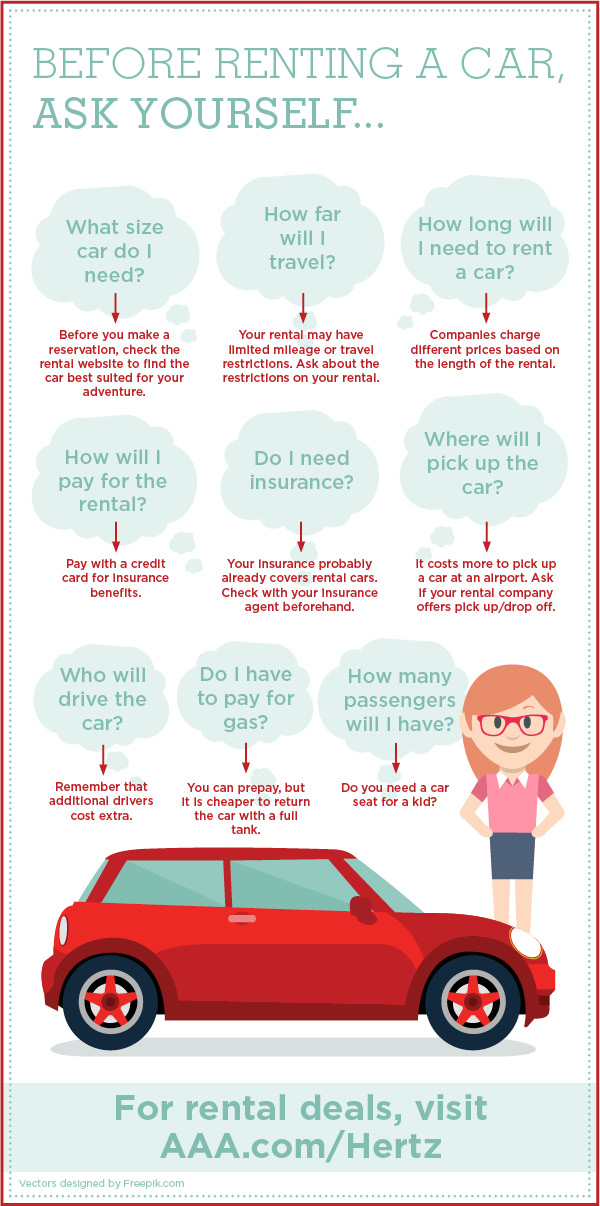
Understanding Insurance and Additional Fees
One of the largest hidden costs in rental cars often comes from insurance and unexpected fees. Navigating these requires financial literacy to avoid unnecessary expenses.
Declining Rental Car Insurance (When to Do It)
Rental car companies aggressively push their insurance offerings, which can add a significant chunk to your bill. However, you might already be covered. Many personal auto insurance policies extend coverage to rental cars. Contact your insurance provider to confirm your policy’s specifics regarding collision, liability, and comprehensive coverage for rentals, including any deductibles. Even more commonly, numerous credit cards offer secondary (and sometimes primary) rental car insurance as a benefit when you pay for the rental with their card. This coverage typically includes collision damage waiver (CDW) or loss damage waiver (LDW). Always verify the exact terms with your credit card issuer, including exclusions (e.g., certain vehicle types, international rentals) and whether it’s primary or secondary coverage. If you have adequate coverage through your existing auto policy or credit card, politely decline the rental company’s expensive insurance options to save money.
Watch Out for Hidden Fees
Beyond insurance, rental agreements can be riddled with various fees that quickly inflate the final price. These include:
-
GPS navigation: Often an exorbitant daily charge. Use your smartphone’s navigation for free.
-
Toll transponders: Rental companies charge daily fees for these, plus the actual tolls. Consider using your own transponder if compatible, or paying tolls cash where possible.
-
Roadside assistance: Your personal auto policy or credit card might already offer this.
-
Additional driver fees: If only one person will drive, avoid adding extra drivers. Some memberships (e.g., AAA, Costco) waive these fees.
-
Young driver surcharge: Drivers under 25 typically incur a daily fee. If possible, have someone over 25 be the primary driver.
-
Early return/late return fees: Understand the grace periods and potential penalties for deviating from your booked times.
Always request a detailed breakdown of all charges before signing the rental agreement. Scrutinize every line item and question anything unclear or seemingly unnecessary.
Fuel Policies: Pre-pay vs. Refill
Rental companies typically offer different fuel options:
-
Full-to-Full: You pick up the car with a full tank and return it full. This is almost always the most economical option, as you control where and when you refuel, opting for the cheapest gas stations.
-
Pre-pay (Fuel Purchase Option): You pay for a full tank upfront at the rental company’s rate, and return it empty. This is rarely a good deal as the rental company’s per-gallon price is usually higher than local gas stations, and you risk returning the car with fuel remaining that you’ve already paid for.
-
Rental Company Refuels: You return the car with less than a full tank, and the rental company refuels it, charging you for the gas plus a significant service fee. This is often the most expensive option.
Always opt for the “full-to-full” policy if available. Factor in time to refuel before returning the car to avoid excessive charges.
Alternative Rental Strategies and Payment Perks
Beyond the traditional rental model, consider alternative approaches and optimize your payment method for additional financial benefits.
Peer-to-Peer Car Sharing
In many cities, peer-to-peer car-sharing platforms like Turo, Getaround, or Zipcar offer a competitive alternative to traditional rental agencies. These services allow individuals to rent out their personal vehicles, often providing a wider selection of cars (from economy to luxury) and potentially more flexible pick-up/drop-off arrangements. The pricing can sometimes be lower, especially for shorter rental periods or specific car types. However, it’s crucial to thoroughly understand their insurance policies, mileage limits, and fees, as they can differ significantly from conventional rentals. Always compare the total cost, including platform fees and insurance, with traditional options to ensure a genuine saving. These platforms can be particularly advantageous in areas with limited traditional rental car availability or for unique vehicle needs.
Weekend vs. Weekday Rentals and Duration Optimization
Rental car pricing often follows demand patterns. Weekends, particularly during holiday periods, tend to be more expensive than weekdays. If your travel plans are flexible, shifting your pick-up or drop-off by a day or two can sometimes result in substantial savings. Rental companies also frequently offer better per-day rates for longer rental periods (e.g., weekly rates often beat daily rates if you exceed 3-4 days). Experiment with different rental durations in your search. Sometimes, extending a rental by a day or two beyond your actual need to qualify for a weekly rate can paradoxically be cheaper than paying higher daily rates for a shorter period. Always calculate the total cost for different durations to identify the most financially efficient booking.
Long-Term Rentals and Subscriptions
For extended trips lasting several weeks or months, exploring long-term rental options or car subscription services might prove more cost-effective than a series of short-term rentals. Many major rental companies offer specific long-term programs with reduced monthly rates, often including maintenance and basic insurance. Car subscription services, a newer model, provide access to a vehicle for a flat monthly fee, covering insurance, maintenance, and sometimes even roadside assistance, with the flexibility to swap vehicles. While these options cater to a specific need, they are designed to offer better value over prolonged periods compared to standard daily or weekly rates, simplifying budgeting and financial planning for extended mobility.

Credit Card Benefits for Rental Insurance
Revisiting credit card benefits, many premium travel credit cards offer primary collision damage waiver (CDW) coverage, which means they step in before your personal auto insurance. This is a significant financial advantage as it prevents a claim on your personal policy, potentially avoiding higher premiums. Cards often also provide roadside assistance, travel delay insurance, and other perks that can save money or provide peace of mind during your rental period. Before booking, confirm with your credit card issuer the specifics of their rental car benefits, including eligible vehicle types, maximum rental durations, and any countries or regions where coverage is not valid. Paying with a credit card that offers robust rental car benefits is a smart financial move.
By meticulously planning your booking, comparing options diligently, understanding the true cost of insurance and fees, and exploring alternative rental models, you can consistently secure excellent deals on rental cars, making your travel more affordable and enjoyable.
aViewFromTheCave is a participant in the Amazon Services LLC Associates Program, an affiliate advertising program designed to provide a means for sites to earn advertising fees by advertising and linking to Amazon.com. Amazon, the Amazon logo, AmazonSupply, and the AmazonSupply logo are trademarks of Amazon.com, Inc. or its affiliates. As an Amazon Associate we earn affiliate commissions from qualifying purchases.