
A pre-sale ticket, at its core, is a strategic marketing and sales tool offering early access to event tickets, products, or services before they become available to the general public. It’s a meticulously crafted campaign designed to leverage anticipation, reward loyalty, and generate significant buzz, ultimately driving demand and strengthening brand engagement. Far more than just an early transaction, a pre-sale is an integral component of a broader brand strategy, influencing perception, fostering community, and providing invaluable market intelligence.
The Strategic Role of Pre-Sale Tickets in Marketing
The decision to implement a pre-sale is rooted deeply in marketing objectives, aiming to build momentum and cultivate a direct relationship with a brand’s most engaged audience. It’s about creating a phased rollout that maximizes impact and conversion.
Building Anticipation and Hype
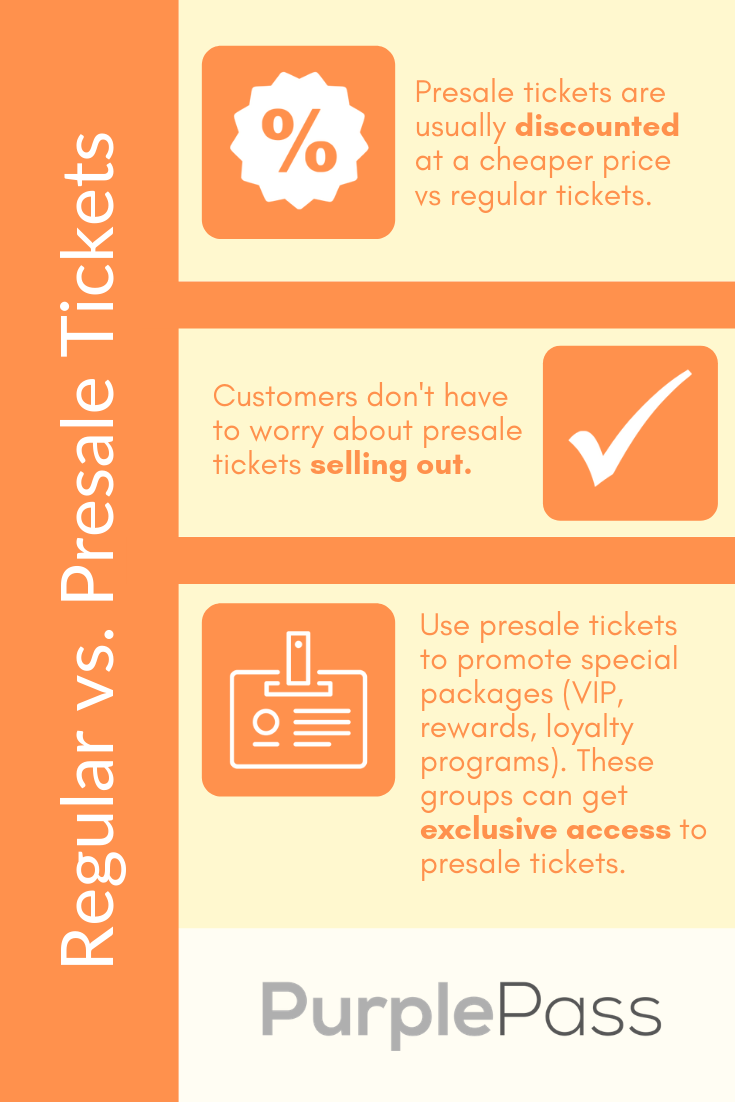
One of the primary functions of a pre-sale is to generate a powerful sense of anticipation. By announcing a limited window of early access, brands can tap into the innate human desire for exclusivity and special treatment. This controlled release strategy creates a ripple effect: early buzz spreads through social media, word-of-mouth, and industry publications, amplifying the general on-sale event. The announcement itself becomes a marketing event, drawing attention to the product or experience even before it’s fully available. This orchestrated build-up is crucial for new product launches, major tours, or highly anticipated events where demand is expected to be high. It allows brands to control the narrative, release teasers, and gradually build excitement, ensuring that by the time general sales begin, a significant level of public awareness and desire has already been established.
Cultivating Exclusivity and Community
Pre-sales inherently confer a sense of exclusivity. Only a select group – often loyal customers, fan club members, newsletter subscribers, or credit card holders – are granted the privilege of early access. This segmentation is a powerful psychological tool. It makes recipients feel valued and part of an inner circle, fostering a deeper connection with the brand. For music artists, this can mean devoted fans securing prime seats; for tech companies, it might be early adopters getting first dibs on an innovative gadget. This exclusivity strengthens brand community by rewarding commitment and encouraging further engagement. It transforms a transactional relationship into a more personal bond, reinforcing the idea that the brand understands and appreciates its dedicated followers. This sense of belonging is a potent driver of long-term loyalty and advocacy, as satisfied pre-sale customers are more likely to share their positive experiences and become brand evangelists.
Rewarding Brand Loyalty
Pre-sale tickets serve as a tangible reward for a brand’s most loyal customers. This could be in the form of early access to tickets for a favorite band, a special edition product from a beloved designer, or an exclusive booking window for a popular travel destination. By offering this privilege, brands acknowledge and appreciate the commitment of their core audience. This recognition is critical for customer retention and increasing customer lifetime value. Loyal customers, feeling appreciated, are more likely to continue supporting the brand, make repeat purchases, and recommend it to others. The pre-sale acts as a powerful incentive for potential customers to join fan clubs, subscribe to newsletters, or engage with the brand’s social media channels, knowing that such actions could lead to future exclusive opportunities. It’s a reciprocal relationship: loyalty is rewarded with access, which in turn reinforces loyalty.
Mechanics and Implementation of Pre-Sale Campaigns
Executing a successful pre-sale requires careful planning and the strategic deployment of various marketing tools and technologies. The mechanics revolve around identifying the right audience, crafting an irresistible offer, and ensuring a seamless purchase experience.
Identifying Target Audiences for Early Access
The success of a pre-sale hinges on accurately identifying and segmenting the intended early access audience. This isn’t a one-size-fits-all approach. For a concert, the target might be fan club members or previous ticket purchasers. For a product launch, it could be email subscribers who’ve expressed interest in similar items, or even specific demographic groups. Brands often partner with credit card companies or telecom providers to offer exclusive pre-sales to their cardholders or customers, leveraging those partners’ extensive user bases. Data analytics plays a crucial role here, allowing brands to analyze past purchasing behavior, engagement metrics, and demographic information to create highly targeted lists. The more precisely the audience is defined, the higher the conversion rates and the greater the impact on overall sales.
Crafting Compelling Pre-Sale Offers
Beyond mere early access, a compelling pre-sale offer often includes additional incentives. This could range from a slight discount on the ticket price, bundled packages (e.g., ticket plus merchandise), exclusive merchandise only available during the pre-sale, or premium seating/access options. The perceived value of these incentives is paramount. The offer must justify the effort of signing up for early access and create a clear advantage over waiting for the general on-sale. Effective messaging highlights these benefits, emphasizing scarcity (“limited quantity available”) and urgency (“ends soon”). The goal is to make the pre-sale purchase feel like an unmissable opportunity, reinforcing the value proposition of being an early bird.
Leveraging Technology for Seamless Distribution

Modern pre-sale campaigns rely heavily on technology to manage access, process transactions, and communicate effectively. Dedicated ticketing platforms, e-commerce solutions, and CRM systems are essential. These tools allow brands to:
-
Manage access codes/links: Distribute unique codes or private links to authorized pre-sale participants.
-
Handle high traffic: Ensure websites and ticketing portals can withstand surges in demand without crashing, preventing customer frustration.
-
Process secure payments: Integrate reliable payment gateways that guarantee smooth and secure transactions.
-
Automate communications: Send out timely email notifications for pre-sale announcements, reminders, and purchase confirmations.
-
Collect data: Track sales, monitor traffic, and gather customer information for future marketing efforts.
The user experience must be flawless. Any technical glitch or confusing navigation can quickly undermine the exclusivity and goodwill a pre-sale aims to build.
The Brand Benefits Beyond Immediate Sales
While securing early revenue is a clear advantage, the strategic implications of pre-sale tickets extend far beyond the immediate financial gains, offering substantial long-term benefits for brand health and growth.
Generating Valuable Market Insights
Pre-sales act as an invaluable litmus test for market demand. The speed at which tickets sell out, the geographical distribution of purchasers, and the types of packages chosen provide crucial insights into consumer preferences and the true level of interest. This data can inform subsequent marketing strategies, pricing adjustments for the general sale, and even future product development. If a pre-sale vastly exceeds expectations, it might indicate an opportunity to expand capacity or adjust pricing upwards. Conversely, slower sales might signal a need to re-evaluate marketing messages or introduce new incentives. This real-time feedback loop is a powerful tool for agile marketing and product management, allowing brands to make data-driven decisions.
Managing Demand and Resource Allocation
For events with limited capacity or products with finite stock, pre-sales offer a controlled mechanism for managing demand. By staggering sales, brands can avoid overwhelming their systems, ensure equitable access for their most loyal customers, and better predict required resources like staffing, inventory, or infrastructure. This proactive approach helps prevent situations where massive initial demand leads to crashes, negative press, and frustrated customers. It also allows brands to optimize their supply chain and logistics, ensuring that products are delivered efficiently or events are staffed appropriately, enhancing the overall customer experience and operational efficiency.
Enhancing Brand Perception and Customer Lifetime Value
Successfully executed pre-sales reinforce a brand’s image as organized, customer-centric, and highly sought-after. The exclusivity and smooth experience contribute to a positive brand perception. Customers who feel valued and receive early access are more likely to develop stronger brand loyalty, leading to increased customer lifetime value (CLV). These loyal customers are not just repeat purchasers; they are often brand advocates who spread positive word-of-mouth, provide testimonials, and actively participate in brand communities. The pre-sale fosters this deep engagement, transforming casual buyers into committed patrons and enhancing the brand’s reputation as one that truly cares for its audience.
Common Pitfalls and Best Practices for Pre-Sale Success
Despite their many benefits, pre-sales are not without challenges. Careful planning and adherence to best practices are essential to avoid common pitfalls that can damage brand reputation and customer trust.
Avoiding Customer Frustration and Technical Glitches
One of the most significant risks in a pre-sale is creating a negative customer experience. Technical failures, such as website crashes due to overwhelming traffic, slow loading times, or convoluted purchasing processes, can quickly turn excitement into frustration. It’s paramount to stress-test all systems before launch, ensure sufficient server capacity, and streamline the user journey. Clear, concise instructions and accessible customer support during the pre-sale window are also vital. Brands must anticipate potential problems and have contingency plans in place to mitigate their impact, ensuring that the promise of early access is delivered smoothly and reliably.
Transparent Communication and Clear Terms
Ambiguity is the enemy of a successful pre-sale. All terms and conditions must be crystal clear: when the pre-sale starts and ends, who is eligible, how to access it (e.g., specific codes, links), what quantities are available, and any limitations on purchases. Misleading information or hidden caveats can erode trust and generate negative sentiment. Brands should communicate openly and frequently, using various channels like email, social media, and their website to keep their audience informed. Honesty about availability and process builds credibility and fosters a more positive relationship with customers, even if they don’t secure a pre-sale ticket.
Analyzing Performance and Iterating for Future Campaigns
A pre-sale campaign doesn’t end when the tickets are sold out. Post-campaign analysis is crucial for continuous improvement. Brands should review sales data, website analytics, customer feedback, and social media sentiment to understand what worked well and what could be improved. Key metrics include conversion rates, traffic sources, average order value, and customer satisfaction scores. This iterative process allows brands to refine their strategies for future pre-sales, optimizing targeting, offer design, communication, and technical infrastructure. By learning from each campaign, brands can ensure that their pre-sale initiatives consistently deliver maximum marketing impact and strengthen their connection with their audience.
aViewFromTheCave is a participant in the Amazon Services LLC Associates Program, an affiliate advertising program designed to provide a means for sites to earn advertising fees by advertising and linking to Amazon.com. Amazon, the Amazon logo, AmazonSupply, and the AmazonSupply logo are trademarks of Amazon.com, Inc. or its affiliates. As an Amazon Associate we earn affiliate commissions from qualifying purchases.