
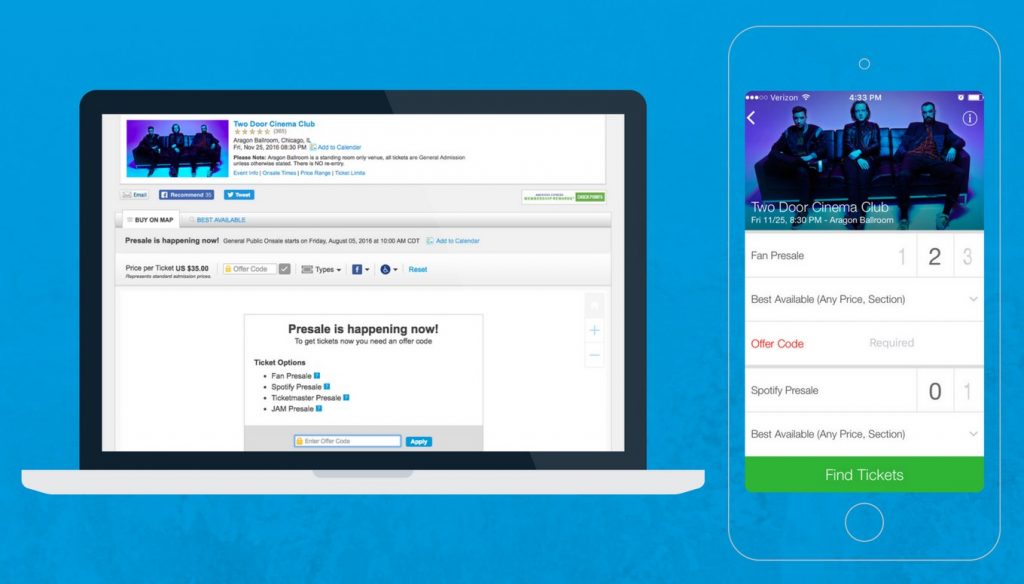
Presale tickets on Ticketmaster represent an exclusive window for specific groups of fans to purchase tickets for an event before they are made available to the general public. This early access mechanism is not merely a convenience; it is a sophisticated financial and marketing strategy employed by artists, promoters, and platforms like Ticketmaster, carrying significant implications for consumers, creators, and the broader ticketing economy. Understanding presale tickets requires delving into their financial mechanics, the economic advantages they offer, and the strategic considerations for both buyers and sellers.
The Financial Mechanics of Early Access
At its core, a presale is a controlled release of inventory designed to manage demand, reward loyalty, and generate early revenue. For the consumer, it offers a perceived advantage: the chance to secure coveted tickets before they sell out, often for high-demand events. However, this early access comes with its own set of financial considerations and strategic choices.
Understanding Presale Value and Pricing
The “value” of a presale ticket extends beyond its face price. For many, the ability to guarantee attendance at a sold-out show or secure preferred seating holds significant non-monetary value. From a purely financial perspective, presale tickets generally reflect the same tiered pricing structure as general sale tickets, meaning they are not inherently cheaper. In fact, in some dynamic pricing models, initial presale tiers might even be priced to test demand elasticity. The real financial value for a buyer often lies in opportunity cost: avoiding the stress and potential failure of competing in a chaotic general sale, which might lead to paying exorbitant prices on the secondary market if tickets are missed.
However, it’s crucial for buyers to analyze whether the effort and prerequisites for presale access – such as fan club memberships, credit card affiliations, or platform subscriptions – outweigh the potential financial benefit. Sometimes, the cost of gaining presale access might be higher than the marginal benefit of early acquisition, especially for events with moderate demand. Savvy consumers will weigh the annual fee of a specific credit card offering presales against the likelihood of using that benefit effectively throughout the year.
Budgeting for Exclusive Opportunities
Participating in presales requires proactive financial planning. Because presales often occur weeks or even months before the event, and prior to general sales, they demand an early commitment of funds. This can impact a personal budget, particularly for individuals attending multiple events or budgeting for premium seating. Unlike general sales where one might quickly decide on an impulse purchase, presales often involve planning ahead to obtain codes, join fan clubs, or open specific accounts.
Effective budgeting for presale tickets involves:
-
Anticipating Demand: Researching an artist’s popularity or an event’s historical sell-out rate can help prioritize which presales to target.
-
Setting Price Limits: Deciding in advance the maximum one is willing to pay for a ticket, regardless of seating tier or exclusivity, prevents overspending in the heat of a presale rush.
-
Factoring in Ancillary Costs: Beyond the ticket price, consider service fees, shipping fees, and any costs associated with acquiring presale access (e.g., fan club memberships). These can significantly inflate the total financial outlay.
-
Contingency Planning: What if presale tickets are secured, but plans change? Understanding Ticketmaster’s refund or transfer policies and assessing the potential for reselling (if permitted) can mitigate financial risk.
Navigating Presale Codes and Access
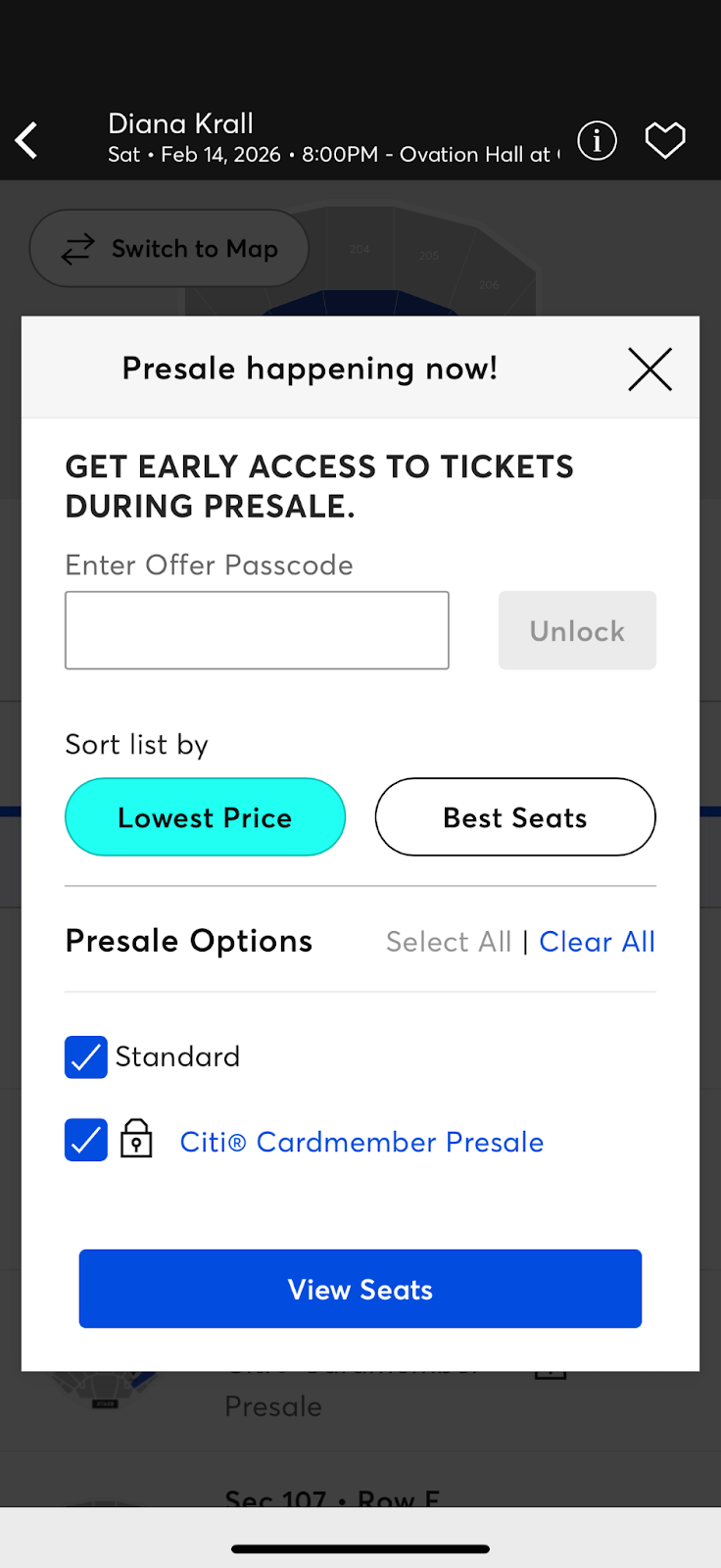
The gateway to presale tickets on Ticketmaster is typically a unique code or specific access method. These mechanisms are central to the financial ecosystem of presales, creating layers of exclusivity that translate into varying levels of economic advantage.
Sources of Presale Codes and Their Economic Value
Presale codes are distributed through a variety of channels, each with its own underlying financial model and implications:
-
Artist Fan Clubs/Mailing Lists: Often a primary source, these codes reward loyal fans. Some fan clubs require a paid membership, which becomes an annual investment in exchange for presale access and other perks. The financial calculus here is whether the membership fee is justified by the guaranteed access to desired events over a year.
-
Credit Card Companies: Many financial institutions partner with Ticketmaster and artists to offer exclusive presales to their cardholders. For consumers, this can be an added value proposition for choosing a particular credit card, potentially offsetting annual fees if the presale access is highly valued. For the credit card company, it’s a customer retention and acquisition tool.
-
Venue Presales: Local venues may offer codes to their subscribers or past attendees. These are often free but require prior engagement with the venue. The economic benefit is largely for the venue in building a direct customer relationship and ensuring future attendance.
-
Sponsor Presales: Corporate sponsors of events or tours may distribute codes. This acts as a marketing expenditure for the sponsor, providing an exclusive benefit to their customers or employees.
-
Platform-Specific Presales (e.g., Verified Fan): Ticketmaster’s own “Verified Fan” program aims to combat bots and ensure tickets go to actual fans. While requiring registration, it doesn’t typically have a direct monetary cost for the fan, but it involves a time investment and a lottery-style selection process. The economic value here is about fairness and market stability.
The “economic value” of a presale code isn’t just its direct cost (if any), but its capacity to unlock access to a product (the ticket) that may appreciate significantly in value on the secondary market. For some, obtaining a free code for a highly sought-after event is akin to a financial windfall.
The Cost of Membership and Fan Clubs
Joining an artist’s official fan club often entails an annual fee, which directly contributes to the artist’s revenue stream and helps fund their operations. In return, members receive benefits like early access to tickets, exclusive merchandise, and unique content. From a financial perspective, a fan must assess whether the monetary cost of the membership provides sufficient value through presale access and other benefits throughout the year. For a dedicated fan attending multiple shows, a paid membership can be a sound investment, guaranteeing access and potentially saving money by avoiding secondary market prices. For casual fans, the cost might outweigh the occasional benefit. This creates a tiered loyalty system with clear financial implications for both sides.
The Economic Impact on Event Organizers and Artists
For artists, promoters, and Ticketmaster, presales are far more than a fan perk; they are a critical financial instrument for managing risk, gauging demand, and optimizing revenue.
Mitigating Risk and Securing Revenue
Presales provide crucial early indicators of an event’s financial viability. By seeing how quickly tickets sell in a limited presale, organizers can:
-
Gauge Demand: Strong presale performance signals high demand, informing decisions on potential additional dates or larger venues. Weak performance can prompt re-evaluation of marketing strategies or pricing.
-
Secure Early Revenue: Receiving payment for a significant portion of tickets weeks or months in advance provides essential cash flow for tour expenses, venue deposits, and marketing campaigns. This upfront capital mitigates the financial risk associated with event planning.
-
Manage Inventory: Presales allow for a phased release of tickets, preventing an immediate sell-out that could alienate fans and fuel the secondary market excessively. It enables strategic allocation of different seating sections to various presale groups.
Dynamic Pricing and Market Demand
The data gathered during presales is invaluable for implementing dynamic pricing strategies. If initial presale tiers sell out instantly, it suggests that prices could potentially be increased for subsequent presale waves or the general public sale without dampening demand. Conversely, slower presale uptake might lead to pricing adjustments or increased promotional efforts. This data-driven approach allows Ticketmaster, in collaboration with artists and promoters, to optimize revenue by aligning ticket prices more closely with real-time market demand, often resulting in higher overall yields for events. This process can feel opaque to consumers, who might see ticket prices fluctuate, but it is a sophisticated financial model designed to maximize profit while attempting to keep tickets available at various price points.
Presale Tickets and the Secondary Market
The existence of presale tickets significantly influences the secondary ticketing market, creating both opportunities for profit and ethical dilemmas.
Opportunities for Resale and Side Income
For some individuals, securing presale tickets for highly anticipated events is a deliberate strategy for generating side income. By acquiring tickets early, often at face value, and then reselling them on authorized secondary platforms (or even unauthorized ones, depending on local regulations), a significant profit margin can be realized. This activity thrives on the disparity between the initial face value and the market-driven demand on resale platforms. Ticketmaster’s own resale platform, Ticketmaster Exchange, facilitates this to some extent, allowing fans to list tickets they can no longer use.
However, engaging in ticket reselling as a “side hustle” requires careful financial consideration:
-
Market Knowledge: Identifying events with true resale potential requires an understanding of artist popularity, venue capacity, and historical demand.
-
Regulatory Compliance: Laws regarding ticket reselling vary by jurisdiction. “Scalping” laws, price caps, and restrictions on automated purchasing (“bots”) can impact the legality and profitability of resale activities.
-
Risk Assessment: There’s always a risk that an event might not sell out, or demand on the secondary market might be lower than anticipated, leading to losses if tickets cannot be resold above cost.
-
Platform Fees: Resale platforms, including Ticketmaster Exchange, typically charge fees for listing and selling tickets, which eat into potential profits.
Regulatory and Ethical Considerations
The relationship between presales and the secondary market is fraught with ethical debates and regulatory challenges. Critics argue that presales, especially those requiring paid memberships or specific credit cards, create artificial scarcity that benefits a select few and encourages profiteering on the secondary market. Efforts like Ticketmaster’s Verified Fan program are an attempt to combat illicit reselling practices by filtering out bots and ensuring tickets are offered to genuine fans at face value initially. However, even legitimate fans who secure presale tickets may choose to resell them if their plans change or if the market price significantly exceeds what they paid. Regulations are constantly evolving to balance consumer access, artist revenue, and the fairness of the market.
Maximizing Your Financial Advantage with Presales
For the average consumer, navigating the world of Ticketmaster presales effectively can lead to significant financial and experiential benefits.
Strategic Planning for High-Demand Events
To maximize your chances of securing tickets without overspending, strategic planning is key:
-
Research All Presale Options: Identify every possible presale channel for a desired event (artist, venue, credit card, sponsor).
-
Prioritize Access: Determine which presale access method offers the highest probability of success and the most favorable financial terms. Is a paid fan club membership worth it for this artist? Do you already possess a credit card with presale benefits?
-
Multiple Accounts and Devices: In competitive presales, having multiple Ticketmaster accounts (for different family members, for example) and using different devices can increase your chances, provided it adheres to Ticketmaster’s terms of service regarding purchase limits.
-
Be Prepared at Launch: Ensure stable internet, have your payment information saved, and be ready at the exact presale start time. Every second counts in high-demand sales.
Avoiding Pitfalls and Overspending
While the allure of early access is strong, it’s vital to maintain financial discipline:
-
Stick to Your Budget: Do not let the pressure of a presale push you beyond your predetermined spending limits. FOMO (fear of missing out) can be a powerful driver of impulse purchases.
-
Beware of Unofficial Channels: Only purchase tickets through official Ticketmaster channels or its verified resale partners to avoid scams and invalid tickets. Unofficial sources often come with inflated prices and no guarantee of authenticity.
-
Understand Service Fees: Always factor in Ticketmaster’s service fees, which can add a substantial percentage to the base ticket price. These are non-negotiable and part of the overall financial commitment.
-
Consider Alternatives: If presale access is unattainable or too expensive, evaluate whether waiting for the general public sale or considering secondary market options after the general sale (when prices might stabilize) is a more financially prudent approach.
In conclusion, presale tickets on Ticketmaster are a complex financial instrument embedded within the broader entertainment economy. They offer significant advantages and opportunities when approached with a clear understanding of their mechanics, economic implications, and strategic considerations. For both the casual fan and the savvy entrepreneur, mastering the art of the presale is a valuable financial skill.
aViewFromTheCave is a participant in the Amazon Services LLC Associates Program, an affiliate advertising program designed to provide a means for sites to earn advertising fees by advertising and linking to Amazon.com. Amazon, the Amazon logo, AmazonSupply, and the AmazonSupply logo are trademarks of Amazon.com, Inc. or its affiliates. As an Amazon Associate we earn affiliate commissions from qualifying purchases.