
Navigating the world of digital payments offers unparalleled convenience, yet it also introduces new layers of complexity, especially when transactions unexpectedly fail. For users of Cash App, encountering a “payment failed for your protection” message can be frustrating, but it’s a critical indicator that the platform’s robust security measures are actively safeguarding your financial well-being. This isn’t a glitch; it’s a deliberate intervention designed to prevent fraud, unauthorized access, or compliance breaches that could ultimately jeopardize your funds and financial identity. Understanding the mechanisms behind these protective failures is key to leveraging digital financial tools securely and efficiently within your personal finance strategy.

Cash App’s Proactive Stance on Financial Security
Cash App, like all reputable financial tools, employs sophisticated systems to monitor transactions and user activity. Its primary objective extends beyond facilitating quick money transfers; it is equally committed to protecting its users’ financial assets. When a payment fails due to “protection,” it signifies that an automated or manual review has flagged the transaction as potentially risky or irregular, prompting an immediate halt. This proactive approach is a cornerstone of responsible digital financial management.
The Algorithmic Guardians of Your Transactions
At the heart of Cash App’s security infrastructure are advanced algorithms and machine learning models. These systems continuously analyze vast amounts of data, learning patterns of legitimate user behavior and identifying deviations that could signal fraudulent activity. Every transaction, whether sending money to a friend or paying a business, passes through these digital gatekeepers. They consider various data points, including transaction history, typical spending habits, geographic locations, transaction amounts, and the recipient’s account history. When a transaction deviates significantly from established patterns or matches known fraud indicators, the system errs on the side of caution, initiating a protective failure to prevent potential financial loss. This constant vigilance ensures that your money remains secure within the platform.
Identifying Red Flags: Beyond Simple Transaction Limits
While Cash App does impose daily and weekly transaction limits to mitigate risk, protective payment failures go deeper than mere limit breaches. The system looks for subtler “red flags.” These might include a user attempting to send an unusually large sum of money for the first time, a payment initiated from a new or unfamiliar device, or multiple failed attempts to link a payment method. Furthermore, if a recipient’s account has a history of suspicious activity or has been linked to past scams, the sender’s payment may be proactively blocked to shield them from potential financial exploitation. These sophisticated checks are not merely about preventing overdrafts; they are about thwarting more insidious threats to your financial integrity.
Common Triggers for Protective Payment Failures
Understanding the specific scenarios that can lead to a payment failure “for your protection” empowers users to better manage their financial transactions and avoid unnecessary disruptions. These triggers are typically categorized into suspected fraud, account issues, and unusual activity.
Suspected Fraudulent Activity: Safeguarding Your Financial Identity
The most critical reason for a protective payment failure is the suspicion of fraud. This can manifest in several ways:
-
Unauthorized Access: If Cash App detects unusual login attempts or activity suggesting your account has been compromised, it may block payments to prevent a fraudster from draining your funds.
-
Known Scam Patterns: The system recognizes patterns associated with common scams, such as requests for payments to unfamiliar individuals for services that seem too good to be true, or pressure tactics demanding immediate payment. Cash App’s algorithms are trained to identify these markers.
-
Stolen Payment Methods: If your linked debit card or bank account has been reported stolen or compromised elsewhere, Cash App may proactively block transactions to prevent further misuse of your financial information.
In these instances, the failure acts as an essential firewall, preserving your financial identity and preventing direct monetary loss.
Insufficient Funds and Bank Linkage Issues
While seemingly straightforward, “insufficient funds” can sometimes trigger a protective failure rather than a simple denial. If multiple attempts are made with insufficient funds, or if there’s a recurring issue with the linked bank account (e.g., the bank consistently declines transactions for various reasons, or there’s a temporary hold), Cash App’s system may interpret this as an underlying issue that could indicate a broader problem, even if not directly fraudulent. Furthermore, if your linked bank account or debit card information is outdated, incorrectly entered, or has been temporarily suspended by your financial institution, Cash App will block payments to protect both parties from processing errors and potential fees. It’s crucial to ensure your funding sources are current and valid.
Unusual Spending Patterns and Geographic Anomalies
Cash App’s security algorithms build a profile of your typical transaction behavior. Any significant deviation can trigger a protective measure:
-
Large, Infrequent Transactions: If you suddenly attempt to send a much larger sum than you typically do, especially to a new recipient, it can be flagged.
-
Rapid-Fire Transactions: A flurry of small, quick transactions in a short period might be seen as an attempt to quickly move funds before detection.
-
Geographic Discrepancies: If your account is accessed and a payment is attempted from a location drastically different from your usual activity (e.g., you typically use Cash App in New York, but a payment is attempted from a foreign country), it will almost certainly trigger a protective block, assuming unauthorized access. These measures are in place to ensure only legitimate financial activity proceeds.
Account Verification and Compliance Requirements
Cash App operates under strict financial regulations designed to prevent money laundering and terrorist financing. To comply with these “Know Your Customer” (KYC) rules, users are often required to verify their identity by providing details like their full name, date of birth, and the last four digits of their Social Security number. If your account is not fully verified or if there’s a discrepancy in the information provided, certain payment functionalities may be restricted or blocked. This protects Cash App from regulatory penalties and, by extension, ensures the integrity of the financial ecosystem it operates within, preventing your funds from being inadvertently tied to illicit activities.
The Impact of Failed Payments on Your Personal Finances
While inconvenient, a payment failure for your protection is ultimately a net positive for your personal finances. It signals that a potential threat has been neutralized, saving you from much greater headaches.

Temporary Inconvenience vs. Long-Term Security
The immediate impact of a failed payment is typically a delay in transferring funds. This can range from a minor annoyance if you’re splitting a bill to a more significant issue if you’re attempting to pay for an essential service or make a time-sensitive purchase. However, weighing this temporary inconvenience against the potential consequences of fraud – such as losing hundreds or thousands of dollars, dealing with identity theft, or spending countless hours disputing unauthorized charges with your bank – clearly demonstrates the value of Cash App’s protective measures. The system prioritizes long-term financial security over instantaneous transaction speed in suspicious circumstances.
Understanding Your Rights and Responsibilities
As a user of a financial tool like Cash App, you have certain rights, including the right to secure transactions and clear communication regarding account activity. Simultaneously, you bear the responsibility of safeguarding your account. This includes using strong, unique passwords, enabling multi-factor authentication, and being vigilant about phishing attempts. When a payment fails for your protection, it often serves as an alert for you to review recent activity, verify your account details, and perhaps even contact Cash App support to understand the specific trigger. Active engagement in your account security is a crucial aspect of modern personal finance management.
Steps to Resolve and Prevent Future Payment Failures
Experiencing a protective payment failure doesn’t mean your Cash App account is compromised or unusable. There are clear steps you can take to resolve the immediate issue and fortify your account against future disruptions.
Verifying Account Details and Linked Funding Sources
The first step is always to verify the accuracy of your information.
-
Recipient Details: Double-check that the recipient’s $Cashtag, phone number, or email address is absolutely correct. A minor typo can lead to a payment being sent to the wrong person, which Cash App’s system might flag.
-
Funding Source Validity: Ensure your linked debit card or bank account is active, has sufficient funds, and has not expired. Update any outdated information promptly within the app. Sometimes, a simple re-linking of the bank account can resolve underlying communication issues between Cash App and your financial institution.
Contacting Cash App Support: When to Seek Expert Financial Assistance
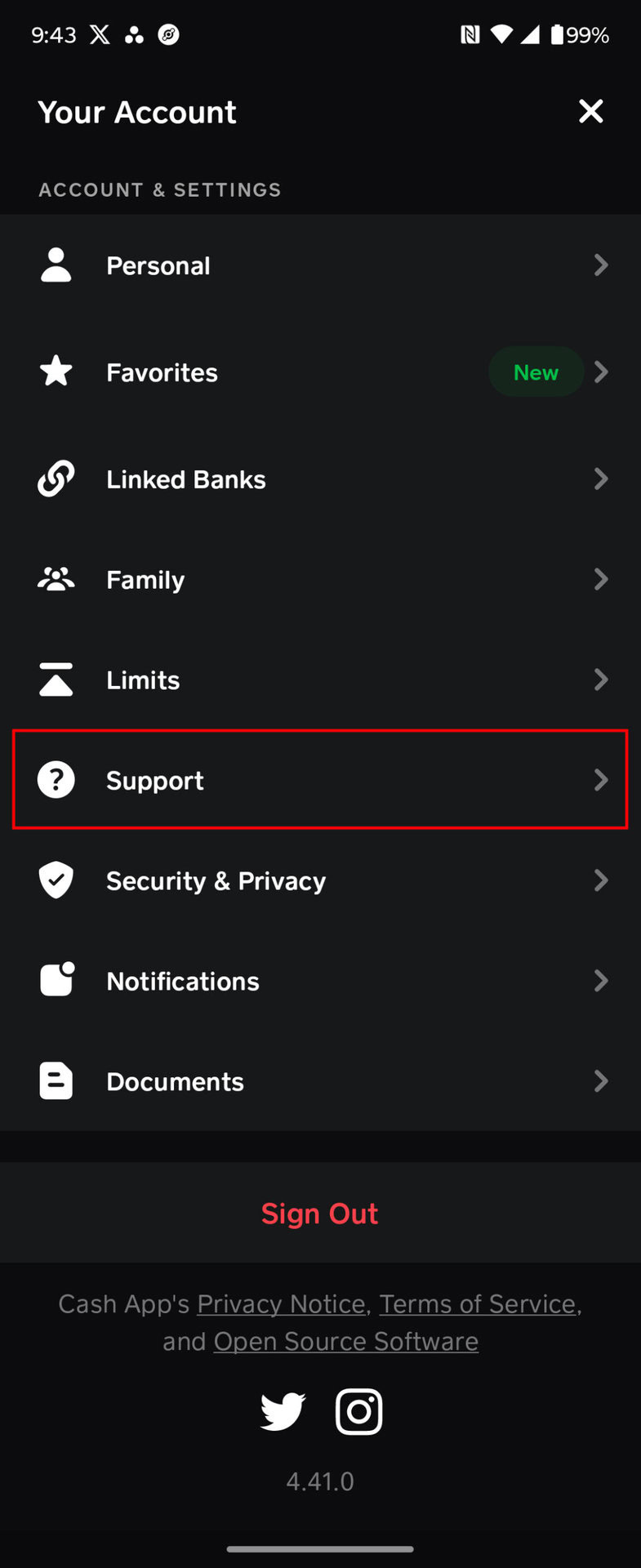
If you’ve verified all your details and the payment still fails for protection, contacting Cash App’s customer support is the next logical step. Provide them with the exact error message, the date and time of the failed transaction, and any other relevant details. Support representatives can often provide specific insights into why a transaction was blocked and guide you through the necessary steps to resolve it. They can also help confirm if your account requires additional verification or if there’s an ongoing security review. Never hesitate to reach out when your funds are on the line.
Best Practices for Secure Cash App Usage
Proactive habits significantly reduce the likelihood of encountering protective payment failures:
-
Regular Account Review: Periodically review your transaction history to spot any unfamiliar activity.
-
Keep App Updated: Ensure your Cash App is always running the latest version, as updates often include security enhancements.
-
Limit External Links: Only click on links from official Cash App communications. Be wary of suspicious emails or messages.
-
Avoid Public Wi-Fi for Transactions: Transact over secure, private networks to minimize the risk of data interception.
-
Understand Transaction Limits: Be aware of your daily and weekly sending limits, especially if planning large transfers.
Adhering to these best practices makes your Cash App usage more predictable for the security algorithms, reducing the chances of false positives and maintaining smooth financial operations.
Maximizing Your Financial Protection on Cash App
Beyond reacting to failed payments, adopting a proactive stance on digital security is paramount for anyone managing their money through apps.
Multi-Factor Authentication and Strong Passwords
These are your first lines of defense. Enable multi-factor authentication (MFA) on your Cash App account, requiring a second form of verification (like a code sent to your phone) in addition to your password. This makes it significantly harder for unauthorized users to access your account, even if they somehow obtain your password. Your password itself should be strong, unique, and complex, avoiding easily guessable personal information. Regular password changes are also a recommended practice in comprehensive personal finance security.
Monitoring Transaction History
Make it a habit to regularly check your Cash App transaction history. This isn’t just for balancing your budget; it’s a critical security measure. By frequently reviewing your past payments and receipts, you can quickly identify any transactions you don’t recognize. Promptly reporting suspicious activity to Cash App can prevent further unauthorized use of your funds and help the platform enhance its protective algorithms for all users. This consistent oversight is a fundamental aspect of diligent money management in the digital age.
Recognizing and Avoiding Scams
Many “protective failures” stem from Cash App’s attempt to shield you from various scams. Educate yourself on common Cash App scams, such as “cash flipping,” fake customer support, romance scams, and lottery scams. Remember that if something seems too good to be true, it almost certainly is. Never send money to someone you don’t know personally for a promise of a larger return, and always verify requests for money, even if they appear to come from friends or family, through an alternative communication channel. Understanding these threats is your strongest defense, empowering you to make informed financial decisions and ensuring that Cash App’s protective measures are rarely, if ever, needed to save you from your own vulnerabilities.
Ultimately, a “Cash App payment failed for my protection” message should be viewed not as an obstacle, but as a confirmation that your financial security is being actively prioritized. By understanding the underlying reasons and adopting diligent financial practices, you can navigate the digital payment landscape with confidence, ensuring your money remains safe and accessible.
aViewFromTheCave is a participant in the Amazon Services LLC Associates Program, an affiliate advertising program designed to provide a means for sites to earn advertising fees by advertising and linking to Amazon.com. Amazon, the Amazon logo, AmazonSupply, and the AmazonSupply logo are trademarks of Amazon.com, Inc. or its affiliates. As an Amazon Associate we earn affiliate commissions from qualifying purchases.