
Many users turn to popular financial technology applications like Cash App for convenience in sending, spending, and investing money. However, a common query arises when individuals seek to leverage these platforms for borrowing: “Why can’t I borrow from Cash App?” The simple answer lies in understanding Cash App’s primary business model and the distinct characteristics of lending institutions. While Cash App has dabbled in a limited borrowing pilot program, widespread lending is not a core service, primarily due to regulatory complexities, risk management, and its foundational focus on peer-to-peer (P2P) payments and basic banking services.
Cash App’s Primary Function: P2P and Beyond
Cash App, developed by Block, Inc., established itself as a frontrunner in the digital wallet space by simplifying money transfers between individuals. Its initial appeal was its ease of use for sending and receiving money, often instantly, between friends, family, or for small business transactions. This core functionality positions it more as a payment processor and a digital banking alternative rather than a traditional financial lender.
A Dive into Digital Wallets and Their Services
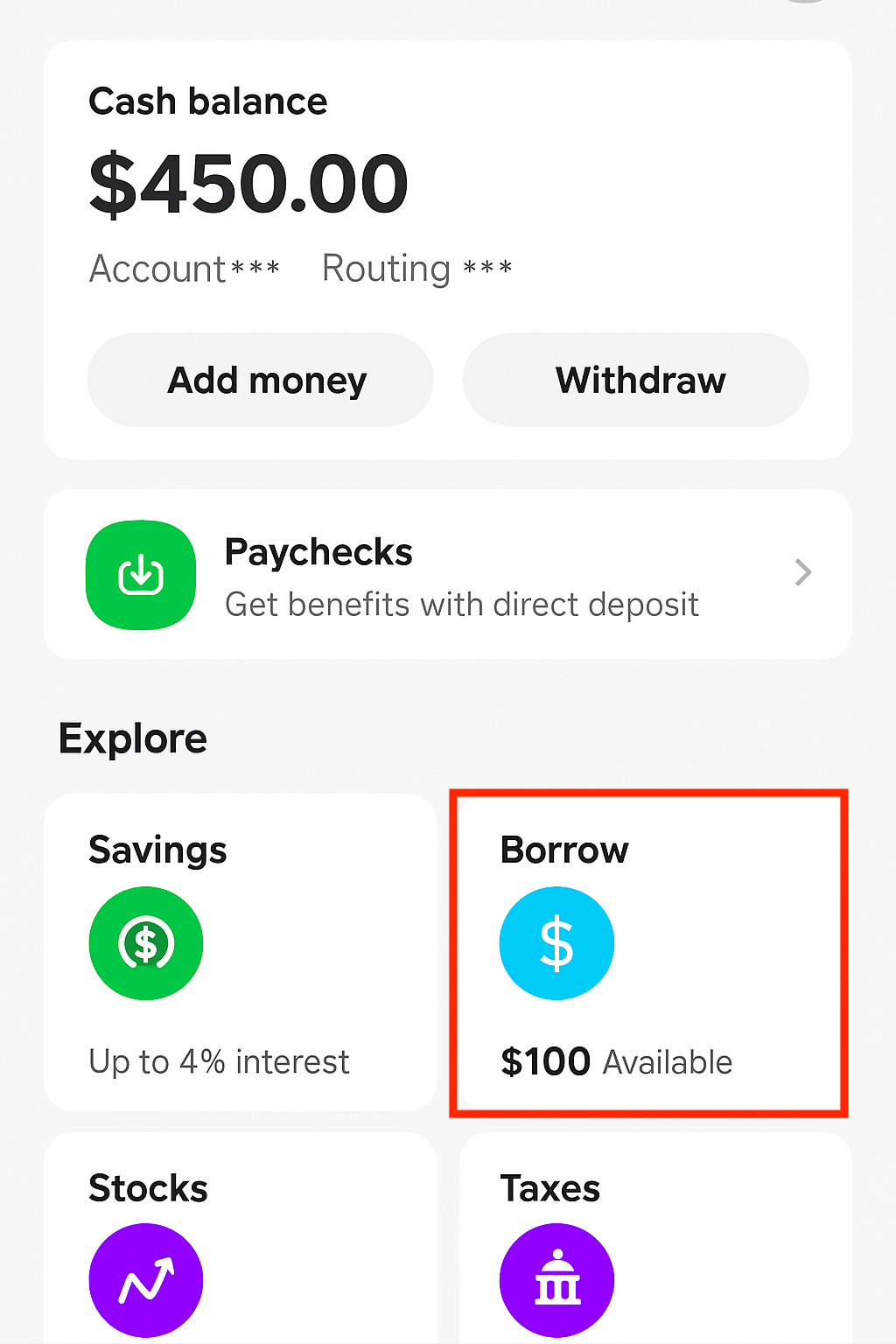
Digital wallets, generally, aim to streamline financial transactions. Cash App, specifically, allows users to hold a balance, link debit cards for direct spending, and facilitate direct deposits for paychecks. It offers features like buying and selling Bitcoin, investing in stocks with fractional shares, and even tax filing services. These offerings are geared towards managing existing funds, facilitating transactions, and offering basic investment opportunities, rather than originating new credit. The operational model for P2P services and basic banking differs significantly from that of a lending institution, which requires robust credit assessment, risk underwriting, and adherence to specific lending regulations.
The Absence of Widespread Lending Features
The absence of a ubiquitous borrowing feature on Cash App is a deliberate strategic choice, reflecting the company’s focus and the demanding nature of the lending industry. Becoming a full-fledged lender involves significant capital requirements, intricate regulatory compliance across multiple jurisdictions, and sophisticated risk assessment technologies to evaluate borrower creditworthiness. These are resources and capabilities that are fundamentally different from those required for operating a P2P payment network. While fintech companies are constantly evolving, expanding into widespread unsecured lending would necessitate a profound shift in Cash App’s infrastructure, regulatory licensing, and business strategy.
Understanding the “Borrow” Pilot Program’s Limited Scope
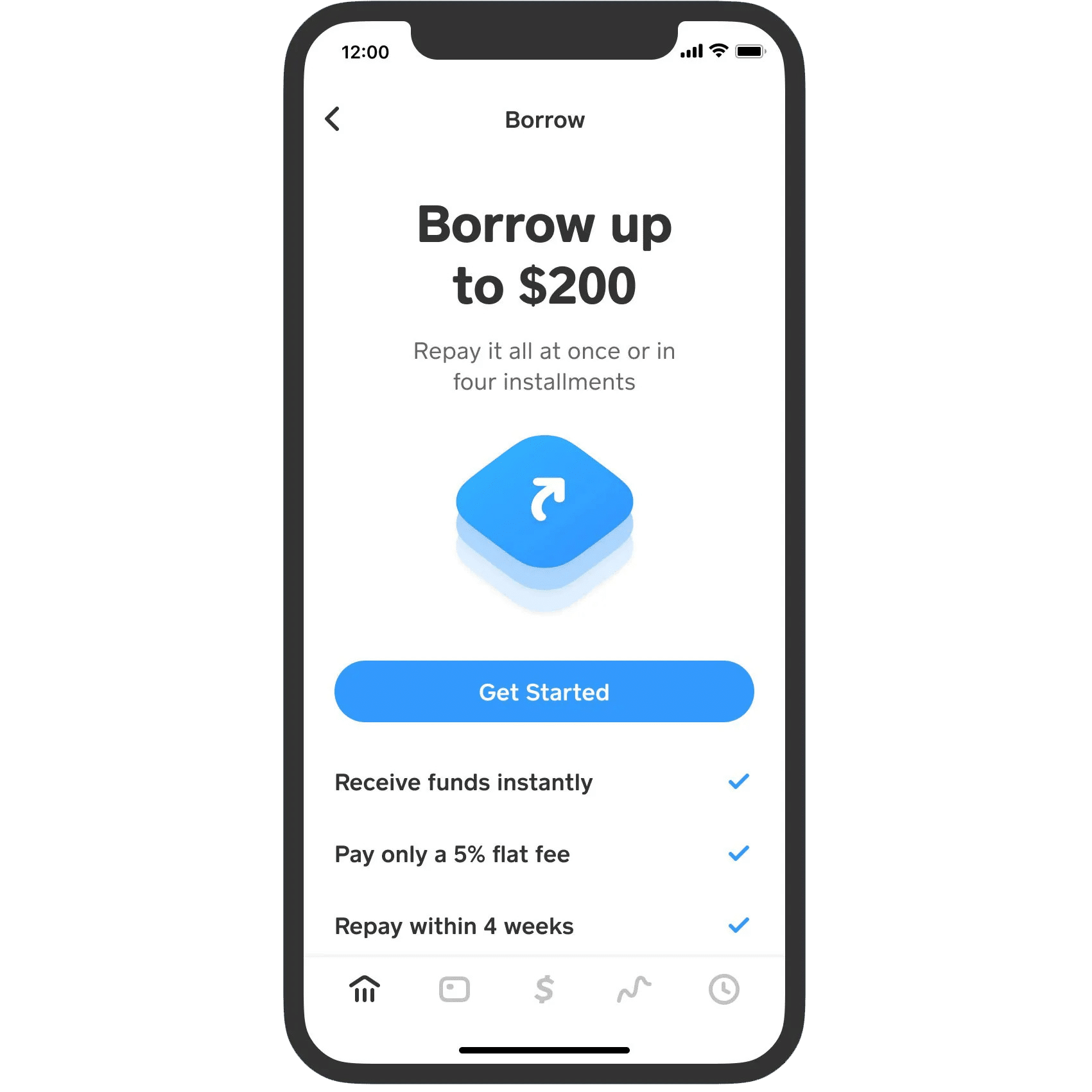
It’s true that Cash App did, for a period, run a pilot program offering a “Borrow” feature to a very select group of users. This program allowed eligible individuals to borrow small amounts, typically between $20 and $200, with a fixed interest rate and a four-week repayment period. The pilot was an exploratory venture, likely aimed at testing market demand, operational feasibility, and regulatory implications. However, the limited rollout and subsequent discontinuation for most users indicate the complexities involved. Expanding such a program widely would entail significant challenges related to scaling credit risk assessment, managing defaults, and navigating the patchwork of state and federal lending laws, which vary considerably. The decision not to make “Borrow” a universal feature underscores the inherent difficulties for a P2P app to transition into a broad-spectrum lender.
Exploring Responsible Borrowing Alternatives
For individuals seeking to borrow money, understanding why Cash App isn’t a primary option leads to exploring responsible alternatives within the broader financial landscape. It’s crucial to distinguish between legitimate, regulated lenders and potentially predatory options.
Traditional Financial Institutions: Banks and Credit Unions
Traditional banks and credit unions remain pillars of personal lending. They offer a range of products including personal loans, lines of credit, and secured loans (like mortgages or auto loans). These institutions typically offer competitive interest rates, especially for borrowers with good credit, and are subject to stringent regulations designed to protect consumers. They provide structured repayment plans and often have physical branches for in-person assistance, which can be reassuring for many borrowers.
Reputable Online Lenders and Peer-to-Peer Lending Platforms
The rise of fintech has also brought forth a multitude of reputable online lenders that specialize in personal loans. Companies like SoFi, LendingClub, Prosper, and LightStream operate entirely online, offering streamlined application processes and often faster funding times than traditional banks. Many of these platforms utilize advanced algorithms to assess creditworthiness, sometimes offering loans to individuals who might not meet strict traditional bank criteria. Peer-to-peer lending platforms, a subset of online lending, connect individual borrowers directly with investors, cutting out some intermediary costs. When considering online lenders, it’s vital to research their reputation, read reviews, and verify their licensing.
Cautionary Notes on High-Cost Loans (Payday, Title Loans)
While options like payday loans, title loans, and some cash advance apps might seem easily accessible, they often come with extremely high interest rates and fees, trapping borrowers in a cycle of debt. These types of loans are typically short-term, designed for immediate financial gaps, but their exorbitant costs can far outweigh the initial convenience. Financial prudence dictates exploring all other options, including credit counseling, before resorting to such high-cost borrowing.
Key Factors Lenders Consider for Approval
Regardless of the lending institution, certain fundamental criteria govern loan approval. Understanding these factors is paramount for anyone looking to secure financing.
The Critical Role of Your Credit Score
Your credit score is arguably the most significant determinant in a lender’s decision. It’s a three-digit number that summarizes your creditworthiness, reflecting your history of borrowing and repaying debt. A higher score (generally 670 and above) indicates a lower risk to lenders, making you eligible for better interest rates and terms. Factors influencing your credit score include payment history, amounts owed, length of credit history, new credit, and credit mix. Regularly monitoring your credit report for accuracy and working to improve your score are essential steps before applying for a loan.
Income Stability and Debt-to-Income Ratio
Lenders need assurance that you have the financial capacity to repay the loan. This means evaluating your income stability, often requiring proof of regular employment and consistent earnings. They will also look at your debt-to-income (DTI) ratio, which compares your total monthly debt payments to your gross monthly income. A high DTI indicates that a significant portion of your income is already allocated to debt, potentially signaling a higher risk of default for new loans. Generally, lenders prefer a DTI ratio below 36%, though this can vary.
Collateral and Co-Signers: Enhancing Eligibility
For some loans, particularly larger sums or for applicants with less-than-perfect credit, lenders may require collateral. Collateral is an asset (like a car or property) that secures the loan, meaning the lender can seize it if you fail to repay. This reduces the lender’s risk. Alternatively, a co-signer – typically someone with good credit and stable income – can bolster your application. A co-signer agrees to be legally responsible for the debt if you default, thereby increasing the lender’s confidence in repayment. However, co-signing carries significant risk for the co-signer, as their credit will also be impacted if payments are missed.
Strategies for Building a Stronger Financial Foundation
If immediate borrowing isn’t feasible or desirable, focusing on strengthening your financial foundation can improve your chances for future borrowing and overall financial security.
Mastering Personal Budgeting and Expense Tracking
A well-structured budget is the cornerstone of financial health. By tracking income and expenses, you gain clarity on where your money goes, identify areas for savings, and prevent overspending. Various apps and spreadsheets can simplify this process. Consistently adhering to a budget helps you live within your means, reduce unnecessary debt, and free up funds for savings or debt repayment.
Cultivating a Healthy Credit Profile
Building and maintaining a healthy credit profile is a continuous effort. This involves making all loan and credit card payments on time, keeping credit utilization (the amount of credit you’re using compared to your total available credit) low, and avoiding opening too many new credit accounts simultaneously. Over time, a history of responsible credit management will naturally improve your credit score, opening doors to better financial products and lower borrowing costs.
The Power of an Emergency Fund
One of the most effective ways to reduce the need for short-term loans is to build an emergency fund. This is a dedicated savings account holding three to six months’ worth of living expenses. An emergency fund acts as a financial safety net, covering unexpected costs like medical bills, car repairs, or job loss, without the need to incur debt. Starting small and consistently contributing to this fund can significantly bolster your financial resilience.
Exploring Credit-Building Products and Secured Loans
If your credit history is thin or needs improvement, consider credit-building products. A secured credit card requires a cash deposit as collateral, typically matching your credit limit. This allows you to demonstrate responsible credit use without high risk to the lender. Similarly, credit-builder loans are small installment loans held in a savings account until repaid, with payments reported to credit bureaus. Both are effective tools for establishing or rebuilding a positive credit history.
The Evolving Landscape of Digital Finance and Future Lending
The fintech industry is dynamic, constantly innovating and reshaping how consumers interact with financial services. While Cash App currently focuses on non-lending services, the broader trends in digital finance hint at potential future shifts.
Fintech Innovations and Embedded Finance Trends
Fintech innovations are increasingly blurring the lines between different financial services. Concepts like “embedded finance,” where financial services are integrated directly into non-financial platforms, are gaining traction. This could theoretically mean that in the future, services like micro-lending might become available within apps where users already manage their money or conduct transactions. However, such integration requires careful consideration of regulatory frameworks and consumer protection.
Regulatory Considerations and Consumer Protection in Digital Lending
The regulatory environment for digital lending is complex and continually evolving. As new financial products emerge, regulators work to ensure consumer protection, prevent predatory practices, and maintain financial stability. Any significant expansion into lending by a platform like Cash App would necessitate navigating these intricate regulatory landscapes, which vary significantly across states and countries. Compliance is costly and time-consuming but essential for operating legitimately.
Cash App’s Strategic Focus and Potential Future Expansions
Cash App’s strategic decisions are driven by market demand, competitive landscape, and regulatory feasibility. While its primary focus remains on P2P payments, digital banking, and basic investment, the company continuously evaluates opportunities. Should the regulatory environment become more conducive, or if technological advancements make widespread, responsible micro-lending more viable and less risky, it’s not impossible that Cash App or similar platforms might revisit broader lending initiatives in the future. For now, however, users seeking credit must look to established lending channels that are specifically designed and regulated for that purpose.
aViewFromTheCave is a participant in the Amazon Services LLC Associates Program, an affiliate advertising program designed to provide a means for sites to earn advertising fees by advertising and linking to Amazon.com. Amazon, the Amazon logo, AmazonSupply, and the AmazonSupply logo are trademarks of Amazon.com, Inc. or its affiliates. As an Amazon Associate we earn affiliate commissions from qualifying purchases.