
The landscape of personal finance changed forever in 2009. Before the ubiquity of smartphones and the “cashless” revolution, settling a small debt with a friend was a logistical hurdle. It required a physical trip to an ATM, the writing of a paper check, or the awkward promise to “get you next time.” This friction in micro-transactions was the catalyst for Venmo, a platform that transitioned from a simple text-based idea into a financial titan that handles hundreds of billions of dollars in annual payment volume.
The Origins of Venmo: A 2009 Breakthrough
Venmo was officially founded in 2009 by Andrew Kortina and Iqram Magdon-Ismail, who met as roommates at the University of Pennsylvania. The genesis of the idea was not born in a corporate boardroom but from a common, everyday inconvenience. While Magdon-Ismail was visiting Kortina in New York City, he realized he had forgotten his wallet. Kortina covered his expenses for the weekend, and when it came time to settle the debt, the process felt unnecessarily archaic. They realized that in an era of instant communication, sending money should be as easy as sending a text message.
The Founders and the Initial Concept
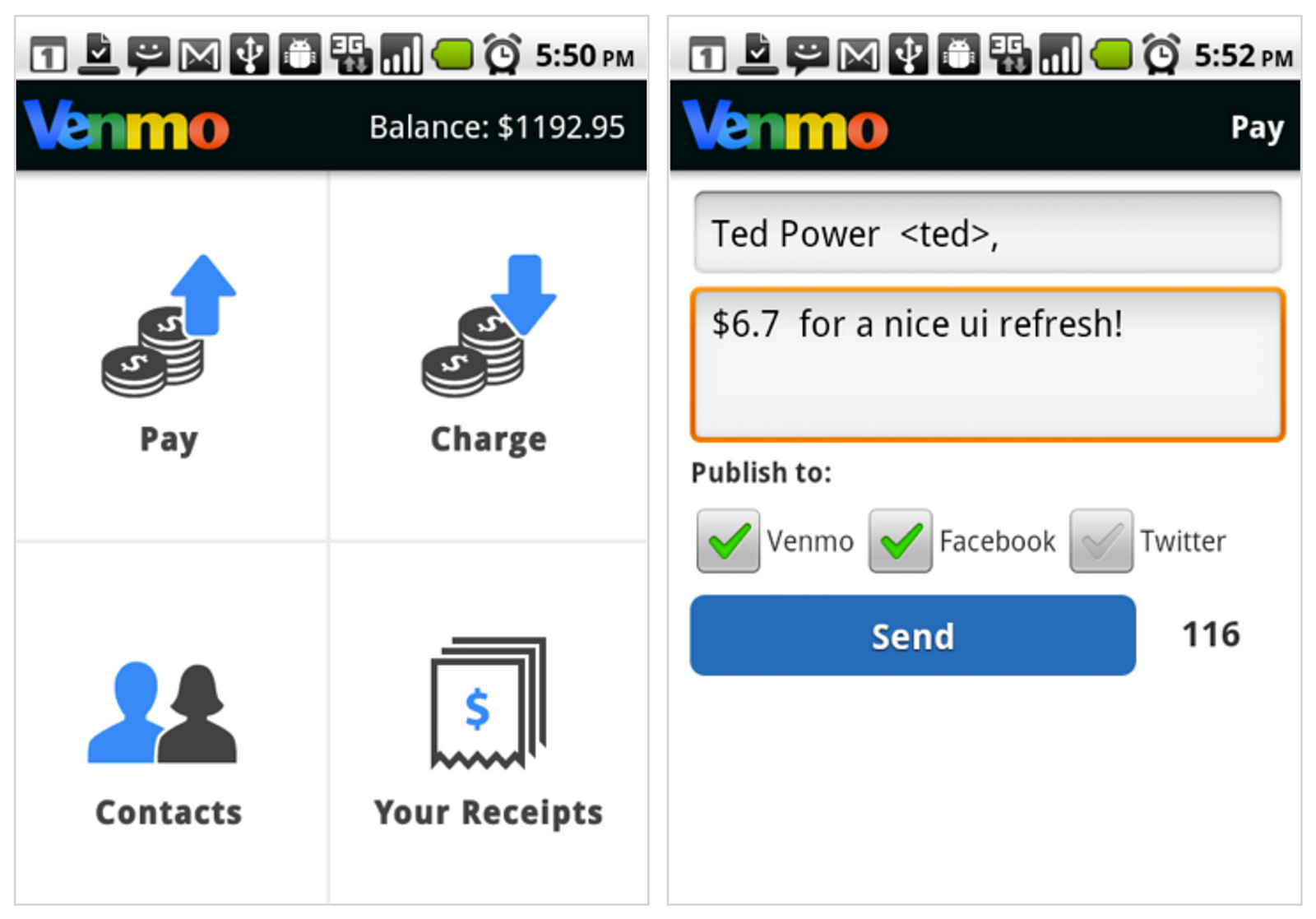
The original iteration of Venmo looked very different from the sleek, colorful app used by millions today. In its earliest days, the founders experimented with a music-related startup before pivoting to payments. The very first version of Venmo was built around SMS technology. Users would send a text message to a specific number—for example, “Iqram 20 for dinner”—and the platform would facilitate the transfer. This “text-to-pay” system was revolutionary for its time, capitalizing on the rising popularity of unlimited texting plans before the mobile app ecosystem had fully matured.
From SMS to Smartphone App
As the iPhone and Android platforms began to dominate the market, Kortina and Magdon-Ismail recognized that the future of finance lay in native mobile applications. By 2010, they had moved toward a more robust digital wallet interface. The name “Venmo” itself was a portmanteau: “Vendere,” the Latin word for “to sell,” and “mo” for “mobile.” This rebranding coincided with a focus on the social aspect of spending, which would eventually become the platform’s most defining—and controversial—feature.
How Venmo Revolutionized Personal Finance Management
Venmo did more than just digitize cash; it changed the psychology of spending. By integrating a social feed into a financial tool, the founders tapped into a generational shift in how people view transparency and money. In the “Money” category of financial tools, Venmo stands out as the primary catalyst for the “P2P” (peer-to-peer) movement that forced traditional banks to innovate or risk obsolescence.
The Social Element of Spending
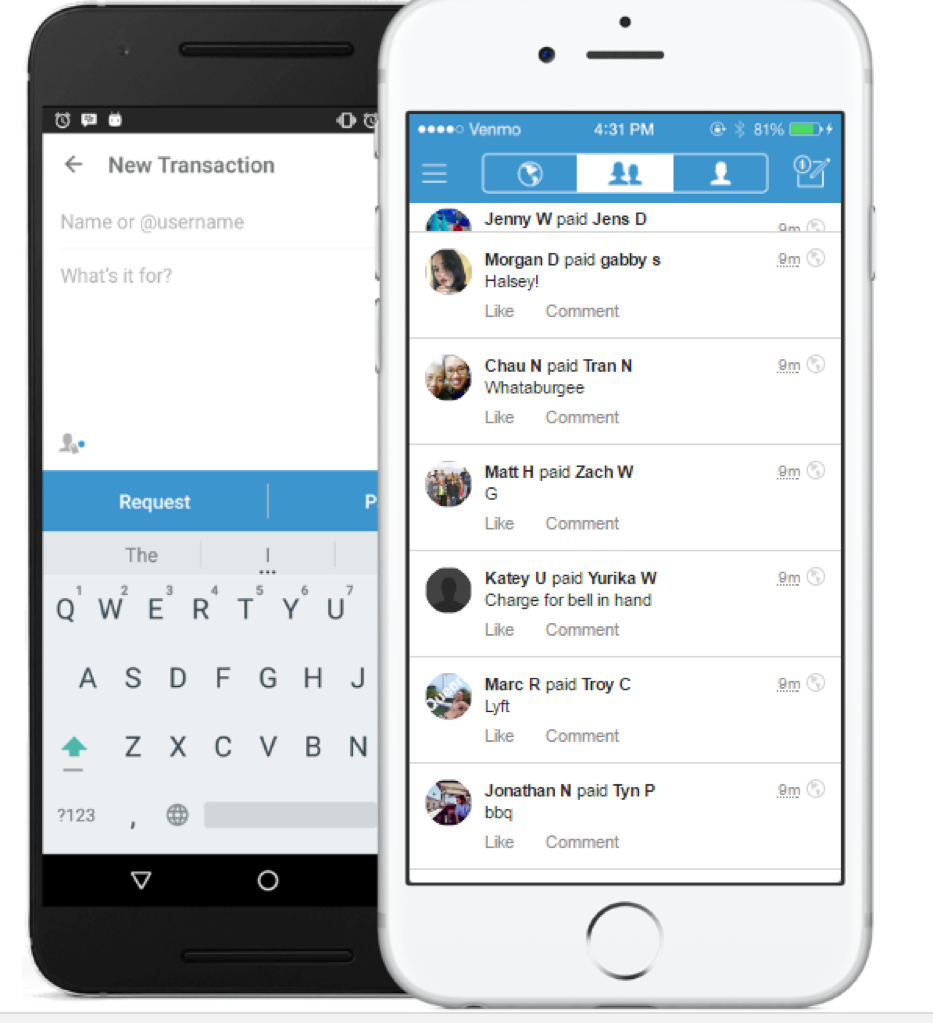
One of the boldest moves in Venmo’s history was the decision to make transactions public by default (excluding the amount). In 2009 and 2010, the idea of sharing what you were paying for—pizza, rent, or drinks—seemed counterintuitive to financial privacy. However, this social feed turned a mundane financial chore into a social experience. The use of emojis and short, witty captions transformed payments into a form of communication. For the millennial and Gen Z demographics, this removed the “stigma” of asking for money, making financial reconciliation a seamless part of social interaction.
Solving the “I Owe You” Dilemma
From a personal finance perspective, Venmo solved the “velocity of money” problem within small social circles. Before its creation, small debts often went unpaid because the effort to pay them exceeded the value of the debt itself. Venmo lowered the barrier to entry for debt settlement to near zero. This had a profound impact on household budgeting and social dynamics, allowing groups to split large expenses—like travel or group gifts—with pinpoint accuracy. The “Venmo me” phrase entered the cultural lexicon, signaling a shift where the digital wallet became the primary repository for discretionary spending.
Growth, Acquisition, and the Financial Infrastructure
The rapid ascent of Venmo did not go unnoticed by the titans of the fintech world. The company’s journey from a startup to a subsidiary of one of the world’s largest payment processors is a masterclass in financial scaling.

The Braintree and PayPal Era
In 2012, just three years after its founding, Venmo was acquired by Braintree, a mobile payment gateway, for $26.2 million. This acquisition provided Venmo with the technical infrastructure needed to scale its security and processing capabilities. However, the most significant shift occurred just a year later. In 2013, PayPal acquired Braintree (and by extension, Venmo) for $800 million.
Under PayPal’s umbrella, Venmo was no longer just a “cool app for college students.” It became a critical piece of a global financial ecosystem. PayPal leveraged Venmo’s high engagement rates to cross-sell other financial services, while Venmo benefited from PayPal’s massive balance sheet and regulatory expertise. This partnership allowed Venmo to survive the “burn rate” typical of high-growth startups and focus on capturing market share.
Security and Financial Regulations in P2P
As Venmo grew, it faced the same scrutiny as traditional banks. The transition from a simple SMS service to a major financial tool required navigating complex state and federal regulations, including the Bank Secrecy Act and Anti-Money Laundering (AML) protocols. The platform had to evolve its security measures, introducing multi-factor authentication, encryption, and fraud detection algorithms. For the user, this meant that while the interface remained simple, the “back office” of their digital wallet was becoming as sophisticated as any major retail bank.
The Impact of Venmo on Modern Banking and Business
The success of Venmo, starting from its 2009 roots, fundamentally disrupted the traditional banking sector. It forced established financial institutions to realize that consumers—particularly younger ones—demanded instant, mobile-first solutions. This led to the creation of Zelle, a competing P2P network owned by a consortium of the largest U.S. banks, proving that Venmo’s model was the new industry standard.
Venmo for Business: Expanding the Ecosystem
Recognizing that users were already using the platform for freelance work and small business transactions, Venmo officially launched “Venmo for Business.” This allowed merchants to accept payments through the app, complete with a professional profile and tax documentation features. By moving into the commercial space, Venmo bridged the gap between personal finance and business finance. Small-scale entrepreneurs, from dog walkers to artists, could now manage their income through the same tool they used to pay for lunch, simplifying the financial lives of millions in the “gig economy.”
Influence on Traditional Financial Institutions
Before Venmo, “real-time” transfers between different banks were virtually non-existent for the average consumer. Transfers usually took 3-5 business days via the ACH (Automated Clearing House) network. Venmo’s success pushed the entire financial industry toward faster payment rails. Today, the expectation of “instant transfer” to a bank account for a small fee is a direct result of the competitive pressure Venmo applied to the market. It transformed the digital wallet from a secondary convenience into a primary financial hub.
The Future of Money in a Post-Venmo World
As we look back at when Venmo was created and how far it has come, it is clear that the platform is still evolving. What started as a way to pay back a friend for a drink has become a gateway to complex financial instruments.
Cryptocurrency Integration and Global Expansion
In recent years, Venmo has expanded its reach into the world of digital assets. Users can now buy, sell, and hold cryptocurrencies like Bitcoin and Ethereum directly within the app. This move represents a significant step in the democratization of investing, making high-volatility assets accessible to the general public with the tap of a button. By integrating crypto, Venmo is positioning itself not just as a payment tool, but as a holistic wealth management platform for the digital age.
Lessons in Financial Accessibility
The legacy of Venmo’s 2009 founding is ultimately one of accessibility. By removing the need for physical infrastructure (branches, ATMs, paper checks), it provided a financial tool that worked at the speed of modern life. It highlighted the importance of user experience in finance—proving that if you make a tool easy and engaging to use, people will naturally gravitate toward better financial habits, such as tracking their spending and settling debts promptly.
Venmo’s journey from a simple SMS concept to a multi-billion dollar cornerstone of the financial world illustrates the power of solving a singular, common problem. As the platform continues to integrate with the broader economy through credit cards, business profiles, and crypto-assets, its impact on how we define “money” will only continue to grow. What began as a forgotten wallet in New York City has redefined the financial connectivity of the 21st century.
aViewFromTheCave is a participant in the Amazon Services LLC Associates Program, an affiliate advertising program designed to provide a means for sites to earn advertising fees by advertising and linking to Amazon.com. Amazon, the Amazon logo, AmazonSupply, and the AmazonSupply logo are trademarks of Amazon.com, Inc. or its affiliates. As an Amazon Associate we earn affiliate commissions from qualifying purchases.