
Venmo has become synonymous with the modern digital wallet, a ubiquitous application that has redefined peer-to-peer (P2P) payments for millions. More than just a simple money transfer service, Venmo integrates social networking features into financial transactions, creating a unique ecosystem that combines convenience with community interaction. At its core, Venmo is a mobile payment service owned by PayPal, designed primarily for quickly and easily sending and receiving money between individuals directly from their smartphones. However, its functionalities extend far beyond mere P2P transfers, encompassing a range of digital payment solutions that cater to both personal and increasingly, small business needs.
The Core Functionality of Venmo: A Digital Wallet Revolution
The fundamental appeal of Venmo lies in its simplicity and speed, offering an intuitive platform for everyday financial interactions. It acts as a digital intermediary, allowing users to move funds without the traditional delays or complexities often associated with bank transfers.
Peer-to-Peer Payments Simplified
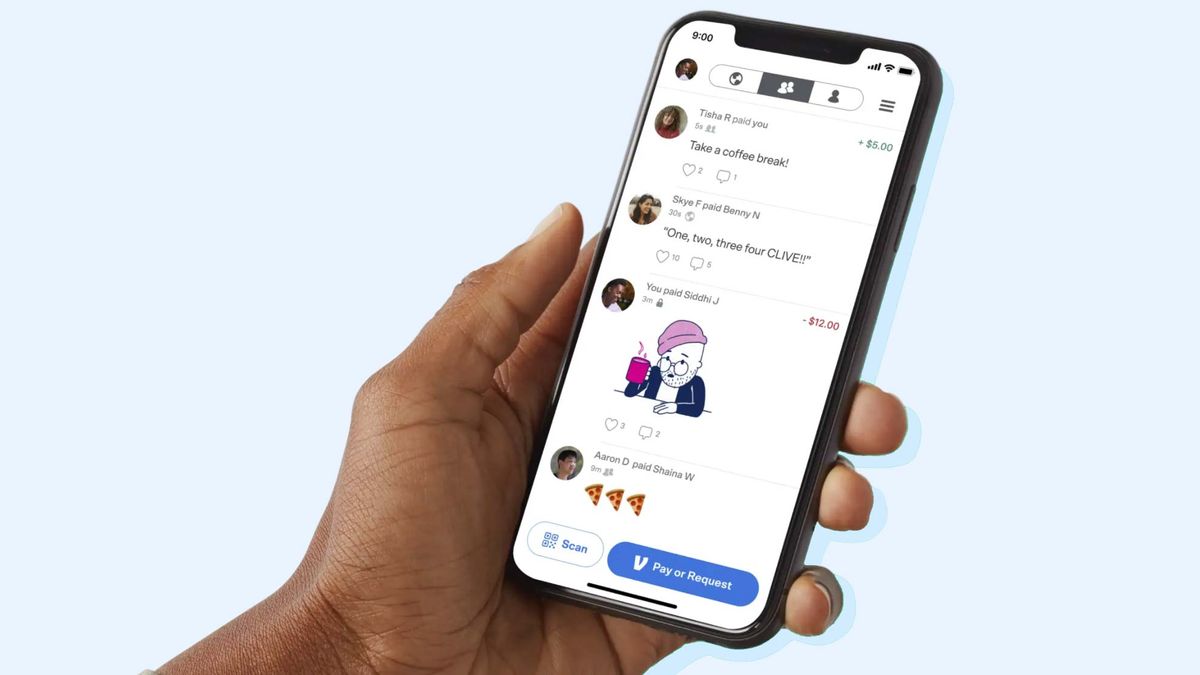
The bedrock of Venmo’s service is its P2P payment system. Users can link their bank accounts, debit cards, or credit cards to their Venmo profile, creating a digital reservoir of funds. To send money, a user simply selects a recipient from their contacts or searches for their Venmo username, enters the amount, and adds an optional note. The transaction is typically instantaneous, with funds appearing in the recipient’s Venmo balance within seconds. This immediate transfer capability makes Venmo ideal for splitting restaurant bills, contributing to group gifts, or reimbursing friends for shared expenses without the need for cash or awkward IOUs. The service also supports receiving money, where incoming funds are deposited into the user’s Venmo balance, ready to be spent within the app, transferred to a linked bank account, or used for future payments.
Social Payments: Beyond the Transaction
A distinctive technological feature of Venmo is its integrated social feed. Each transaction, by default, is shared on a public, friends-only, or private feed, complete with the note describing the payment. This social layer transforms a typically private financial act into a more engaging, community-driven experience. While the amounts of transactions are never disclosed publicly, the contextual notes and emojis create a dynamic stream of activity among friends, akin to a social media platform. This feature fosters a sense of transparency and shared experience, allowing users to see what their friends are paying for and with whom, reinforcing the casual, everyday nature of Venmo transactions. Users have granular control over their privacy settings, choosing to make transactions visible to everyone, only their Venmo friends, or entirely private.
Group Payments and Splitting Bills
Venmo further enhances its utility through features designed for group financial management. The ability to request money from multiple individuals simultaneously streamlines the process of collecting funds for shared expenses. For instance, if one person pays for a group dinner, they can easily send a request to each friend for their share. This eliminates the need for manual calculations and individual requests, making the division of costs efficient and less prone to oversight. This functionality is particularly useful in social settings, travel groups, or among roommates, simplifying the often-tedious task of ensuring everyone pays their fair share.
How Venmo Works: Getting Started and Technical Mechanics
Understanding the underlying technology and operational flow is key to appreciating Venmo’s design and utility. The process from account creation to transaction completion is streamlined, leveraging modern mobile technology and secure financial protocols.
Account Setup and Linking Financial Instruments
Getting started with Venmo is a straightforward process, primarily initiated through its dedicated mobile application available on iOS and Android platforms. Users register with an email address, phone number, and create a secure password. The critical step involves linking a financial instrument. This typically begins with linking a bank account via instant verification (often through Plaid or similar secure third-party services that connect directly to banking portals) or by manual micro-deposit verification. Debit cards can also be linked instantly. Credit cards can be added, but often incur a 3% fee for sending money, a technical charge levied to offset the higher processing costs associated with credit card transactions. Funds held in a Venmo balance can be spent without fees, and transferring funds from Venmo to a bank account is free for standard transfers (1-3 business days), with an option for instant transfers for a small fee (typically 1.75% of the transfer amount, with a minimum and maximum fee).
The Mechanics of Sending and Receiving
When a user initiates a payment, Venmo acts as a secure conduit. The app communicates with its backend systems, which then process the transaction. If the sender has a sufficient Venmo balance, the funds are drawn from there. Otherwise, Venmo automatically debits the linked bank account or card. The recipient’s Venmo balance is then credited. This entire process relies on robust encryption protocols and secure server communications to protect sensitive financial data. For receiving funds, the process is reversed; incoming payments are added to the user’s Venmo balance, which can then be used for future payments within the app, or transferred out to a linked bank account. The system is designed for high availability and low latency, ensuring transactions are processed and reflected almost instantaneously.
Transaction Fees and Limits
Venmo operates on a tiered fee structure. Sending money from a Venmo balance, bank account, or debit card is generally free. As mentioned, sending money via a credit card incurs a 3% fee. Businesses using Venmo to accept payments from customers are typically charged a seller transaction fee (e.g., 1.9% + $0.10 per transaction). Limits apply to transactions: there are weekly rolling limits for sending money, ranging from a few thousand dollars for unverified accounts to much higher limits for verified users who have confirmed their identity (typically through SSN verification). Weekly limits also apply to bank transfers out of Venmo, and for instant transfers. These limits are a technological control measure designed to mitigate fraud and adhere to regulatory compliance standards for financial services.
Expanding Beyond P2P: Venmo’s Evolving Features
Recognizing the evolving landscape of digital payments, Venmo has strategically expanded its feature set, moving beyond its initial P2P focus to offer a more comprehensive suite of financial tools.
Business Profiles and Merchant Payments
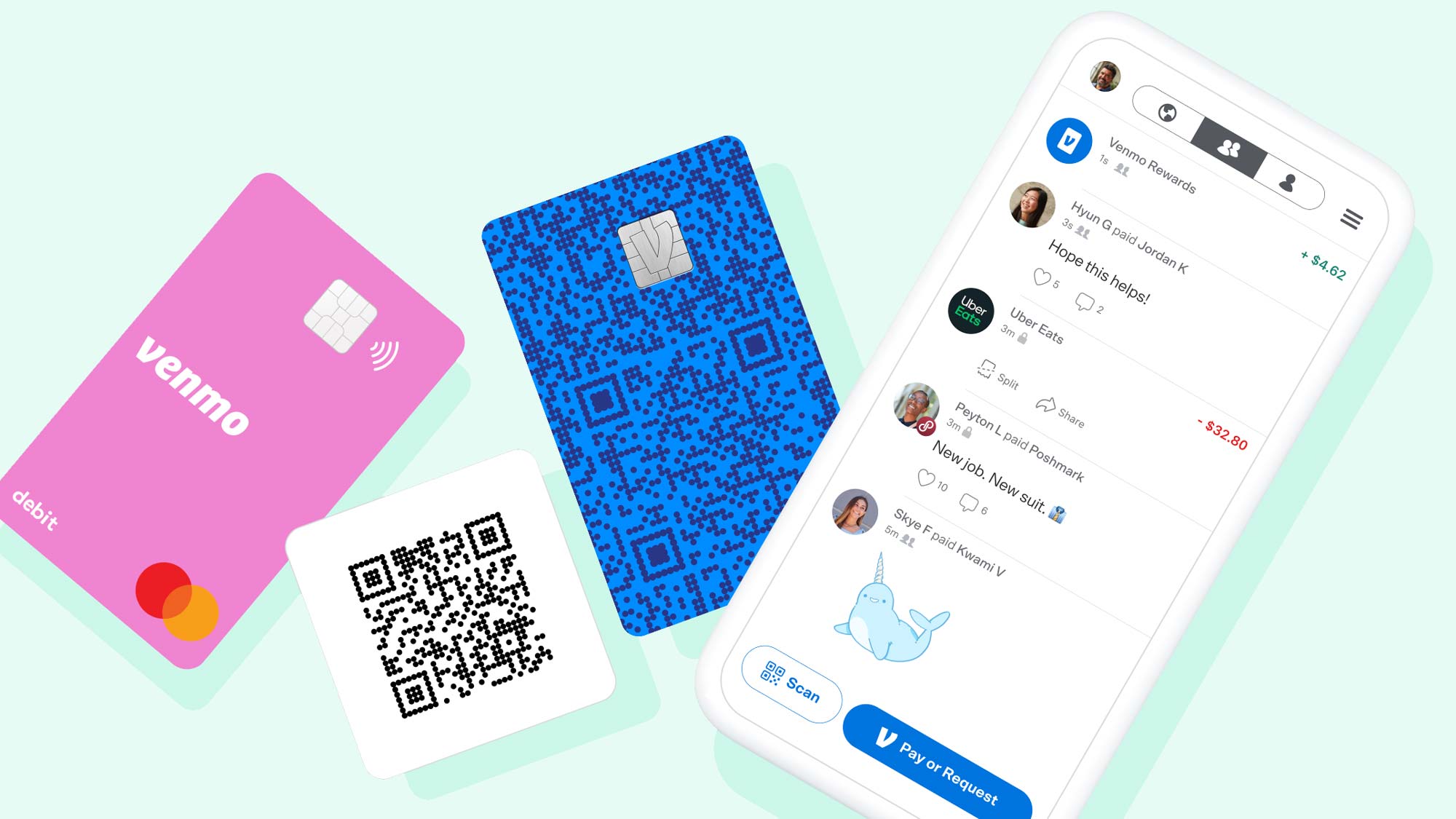
Venmo has enabled business profiles, allowing small businesses, freelancers, and sole proprietors to accept payments for goods and services. This feature provides a clear distinction between personal and business transactions, offering tools for tracking sales and managing customer interactions. Customers can pay businesses directly through the Venmo app, often by scanning QR codes or searching for business profiles. This expansion positions Venmo as a viable point-of-sale solution for businesses that thrive on mobile and informal transactions, offering a low-friction payment method for their clientele.
The Venmo Debit Card and Credit Card
To further bridge the gap between digital funds and physical spending, Venmo introduced its own branded debit card and credit card. The Venmo Debit Card, powered by Mastercard, allows users to spend their Venmo balance directly in stores and online, just like a traditional debit card. It also offers cashback rewards for purchases at select merchants. The Venmo Credit Card, issued by Synchrony Bank and powered by Visa, is a contactless card that offers automatic cashback on eligible purchases, with the percentage varying based on spending categories. These cards integrate seamlessly with the Venmo app, providing real-time transaction tracking and management, further solidifying Venmo’s role as a primary financial tool for its users.
Cryptocurrency Services
In a significant move into emerging financial technologies, Venmo launched cryptocurrency buying and selling features. Users can buy, hold, and sell four types of cryptocurrencies—Bitcoin, Ethereum, Litecoin, and Bitcoin Cash—directly within the Venmo app. This integration is powered by Paxos, a regulated blockchain infrastructure platform. This feature demonstrates Venmo’s commitment to staying relevant in the rapidly evolving digital finance space, offering its users access to a new asset class with the same ease and familiarity they associate with the platform’s core services. This expansion caters to a growing interest in digital assets, making cryptocurrency more accessible to a mainstream audience.
Digital Security and Privacy on Venmo
Given its role in financial transactions, the technological underpinnings of Venmo place a paramount emphasis on security and user privacy. Safeguarding user data and funds is critical to maintaining trust and operational integrity.
Protecting Your Account
Venmo employs several layers of security to protect user accounts and transactions. This includes data encryption for all sensitive information, fraud detection algorithms that monitor transactions for suspicious activity, and multi-factor authentication (MFA) options such as PINs, fingerprint ID, or facial recognition for accessing the app and authorizing payments. Users are also encouraged to use strong, unique passwords. In the event of unauthorized activity, Venmo provides dispute resolution processes, although the terms of service emphasize user responsibility in protecting their account credentials.
Understanding Privacy Settings
The social feed, while a defining feature, also necessitates robust privacy controls. Venmo users can customize the privacy level for each transaction, choosing between Public, Friends-only, or Private. Public transactions are visible to anyone on the internet, while Friends-only transactions are visible only to the sender’s and recipient’s Venmo friends. Private transactions are visible only to the sender and recipient. Beyond individual transaction settings, users can adjust their default privacy settings for future transactions and control who can see their friends list and other profile information. This granular control empowers users to manage their digital footprint on the platform according to their comfort level.
Common Scams and How to Avoid Them
Despite robust security measures, users must remain vigilant against various scams. Common tactics include fake payment notifications, overpayment scams (where a scammer sends more money than owed and asks for the difference back), and phishing attempts that mimic Venmo communications to steal login credentials. Venmo advises users to only transact with people they know and trust, to verify payment requests carefully, and to be wary of unsolicited offers or requests for personal information. Understanding these vulnerabilities and practicing safe digital habits are crucial complements to Venmo’s built-in security features.
Venmo in the Digital Payments Ecosystem
Venmo’s evolution and widespread adoption reflect broader trends in financial technology, positioning it as a significant player in the competitive landscape of digital payments.
Competitive Landscape: Venmo vs. Other Apps
Venmo operates within a highly competitive market, contending with other popular P2P payment services like Zelle, Cash App (Square), and Google Pay. While all offer quick money transfers, they differentiate through specific features, target demographics, and integration with broader financial services. Zelle, for instance, is often integrated directly into banking apps, emphasizing direct bank-to-bank transfers without a separate app. Cash App mirrors Venmo’s social features but also offers stock and Bitcoin trading, appealing to a slightly different user base. Venmo’s strength lies in its strong brand recognition, ease of use, and unique social feed, which has fostered a loyal community, particularly among younger demographics.
The Future of Mobile Payments and Venmo’s Role
The trajectory of mobile payments points towards increasing integration, convenience, and expanded services. Venmo is poised to continue playing a crucial role in this future. As contactless payments, QR code transactions, and embedded financial services become more commonplace, Venmo’s established user base and continuous innovation in areas like business payments, card services, and cryptocurrency position it as a key facilitator of digital commerce. Its ability to adapt to new technologies and user demands, while maintaining its core appeal of simple, social money transfers, will be vital to its continued relevance and growth in an ever-evolving digital financial landscape.
aViewFromTheCave is a participant in the Amazon Services LLC Associates Program, an affiliate advertising program designed to provide a means for sites to earn advertising fees by advertising and linking to Amazon.com. Amazon, the Amazon logo, AmazonSupply, and the AmazonSupply logo are trademarks of Amazon.com, Inc. or its affiliates. As an Amazon Associate we earn affiliate commissions from qualifying purchases.