
The Strategic Role of Cash App in Personal Finance
In the evolving landscape of personal finance, digital payment applications like Cash App have become indispensable tools for managing daily transactions, sending money, and, critically, accessing physical cash. For many, Cash App transcends a simple payment conduit, serving as a dynamic component within their broader financial ecosystem. Understanding its role, particularly in facilitating cash withdrawals, is essential for effective financial management and maintaining healthy cash flow.
Managing Digital and Physical Cash Flow
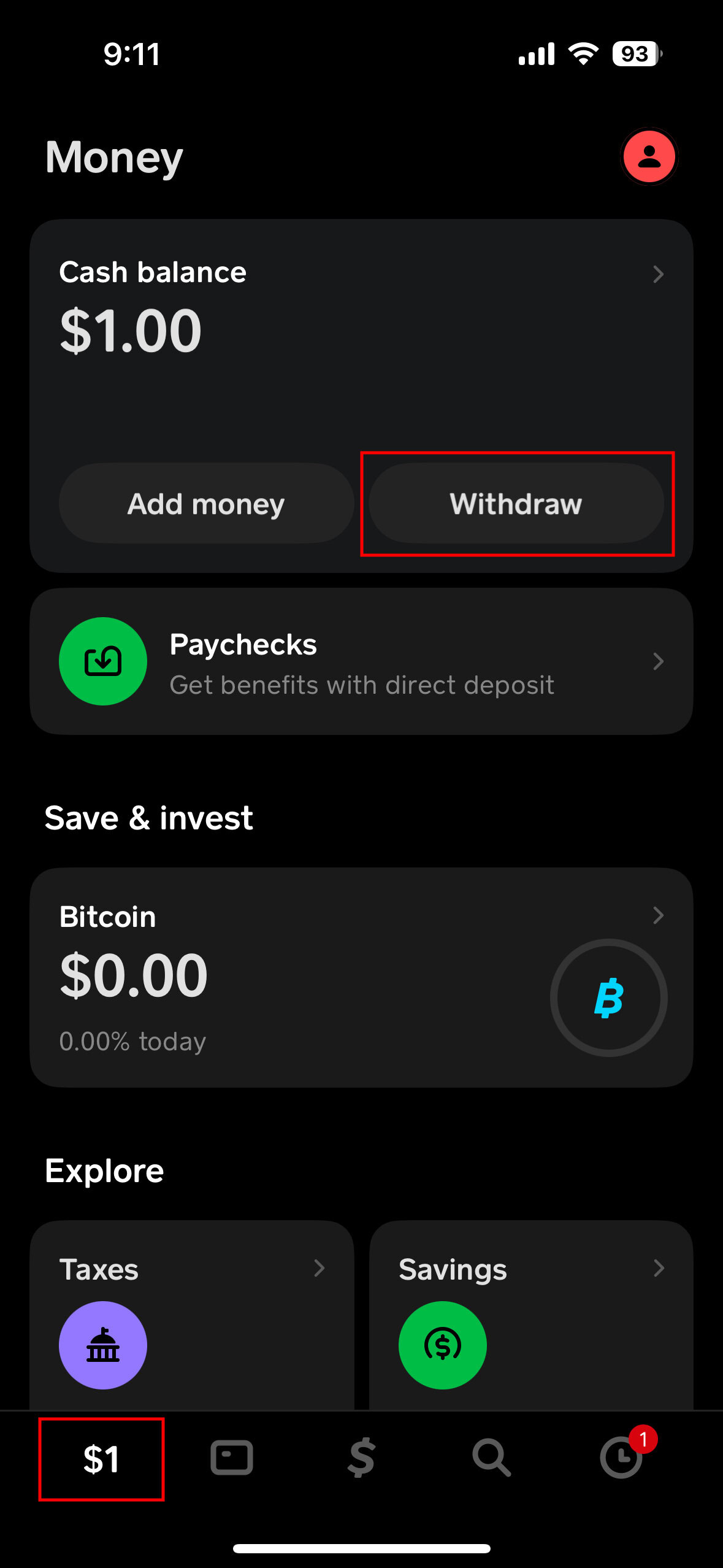
Modern financial life often involves a delicate balance between digital and physical money. While many expenses can be paid digitally, situations still arise where physical cash is necessary—whether for small businesses, gratuities, or simply a preference for tangible currency. Cash App bridges this gap by allowing users to fluidly move funds from their digital balance into spendable cash. This capability is not merely a convenience; it’s a strategic advantage for individuals who need to manage varied payment environments without resorting to traditional bank visits or extensive transfer processes. By offering prompt access to funds, Cash App supports immediate liquidity, enabling users to respond quickly to financial needs or unexpected expenses that require physical currency. This flexibility contributes significantly to an individual’s financial agility, ensuring that funds are available in the desired format at the opportune moment.
Cash App as a Complementary Financial Tool
While not a full-service bank, Cash App functions as a powerful complementary tool within a comprehensive personal finance strategy. It allows users to receive direct deposits, manage a separate balance, and, crucially, withdraw funds when needed. For users who might not have immediate access to traditional banking services, or those seeking an alternative to manage specific portions of their income or spending, Cash App provides a streamlined solution. Its integration into the daily financial routines of millions underscores its utility, particularly for managing peer-to-peer payments, side hustle income, or discrete budgets. The ability to withdraw cash directly from the app’s balance empowers users to take control of their immediate spending and savings, making it a valuable addition to their suite of financial instruments, alongside traditional bank accounts, investment platforms, and budgeting applications. Recognizing Cash App as part of this larger financial ecosystem allows users to leverage its specific strengths for optimal money management.
Navigating Cash App Withdrawal Methods for Optimal Liquidity
Accessing your funds from Cash App is designed to be straightforward, yet understanding the nuances of each withdrawal method is key to optimizing your financial liquidity and minimizing potential costs. There are primary avenues for converting your digital Cash App balance into spendable cash or transferring it to a more traditional financial account.
Immediate Access via Cash Card and ATMs
The Cash Card, a customizable debit card linked directly to your Cash App balance, offers the most immediate way to withdraw physical cash. This card operates like a standard debit card, allowing you to make purchases and, more importantly for this discussion, withdraw money from ATMs.
Understanding ATM Networks and Surcharge Avoidance
When using your Cash Card at an ATM, it’s critical to be aware of potential fees. Cash App typically charges a small fee for ATM withdrawals if the withdrawal exceeds a certain threshold or if you do not meet specific direct deposit requirements. More importantly, most ATM operators impose their own “surcharge fees.” These fees are levied by the bank or independent company that owns the ATM and are separate from any Cash App fees. To avoid these additional costs, seek out ATMs that are part of surcharge-free networks. Many credit unions and smaller banks participate in networks like Allpoint or MoneyPass. While Cash App itself does not have a direct partnership with these networks for surcharge-free access (users with qualifying direct deposits can have ATM fees reimbursed up to certain limits), proactively identifying and using machines known for lower or no operator fees can significantly impact your withdrawal costs over time. Prioritizing withdrawals at locations offering surcharge-free options is a shrewd financial practice, preserving more of your principal balance.
Integrating ATM Withdrawals into Budgeting
For effective personal finance, ATM withdrawals from your Cash App balance should be integrated into your overall budgeting strategy. Instead of spontaneous withdrawals, consider pre-planning how much cash you’ll need for specific expenses (e.g., market purchases, cash-only vendors, tips) and withdrawing that amount in a single transaction to minimize potential fees. Regular, small withdrawals, each incurring a separate fee, can quickly erode your funds. By anticipating your cash needs, you can consolidate withdrawals, making them a more efficient part of your cash flow management and aligning them with your allocated budget categories. This disciplined approach ensures that Cash App serves as a supportive tool for your budget, rather than an unchecked source of expenditure.
Seamless Transfers to Linked Bank Accounts
For larger sums or when physical cash isn’t immediately required, transferring your Cash App balance to a linked bank account is often the most financially prudent option. This method moves funds from your Cash App balance directly to your traditional checking or savings account.
Standard vs. Instant Deposits: Cost-Benefit Analysis
Cash App offers two primary transfer speeds to linked bank accounts: standard and instant.
-
Standard Deposits: These transfers are typically free and usually arrive in your bank account within 1-3 business days. From a financial planning perspective, this is the most cost-effective method. It’s ideal for funds that aren’t urgently needed, such as transferring savings, consolidating income, or moving funds for upcoming bills. By opting for standard deposits, you retain the full value of your transfer, avoiding any additional charges.
-
Instant Deposits: For immediate access to funds, Cash App offers an instant deposit option, which typically delivers money to your bank account within minutes. However, this convenience comes at a cost, usually a percentage of the transferred amount (e.g., 0.5% to 1.75%, with a minimum fee). While valuable in emergencies or when urgent payments are necessary, financially savvy users will perform a cost-benefit analysis. Is the immediate access worth the fee? For routine transfers or funds that can wait a few days, the fee associated with instant deposits is an avoidable expense, impacting your net financial gain. Intelligent use of instant deposits means reserving them for genuine time-sensitive financial needs, rather than using them as a default.
Strategic Transfers for Savings and Bill Payments
Integrating Cash App transfers into your financial planning can be highly effective for managing savings and bill payments. Users can receive income or payments into their Cash App and then strategically transfer portions to different bank accounts. For instance, a percentage of side hustle income received via Cash App could be regularly transferred to a dedicated savings account for a specific goal, while another portion is moved to a checking account to cover upcoming bills. By scheduling standard transfers, you can automate these financial movements, contributing to a disciplined savings routine and ensuring timely bill payments without incurring additional fees. This systematic approach transforms Cash App into a conduit for achieving broader financial objectives, optimizing the allocation of your funds across various financial instruments.
Understanding Costs, Limits, and Security for Cash App Withdrawals
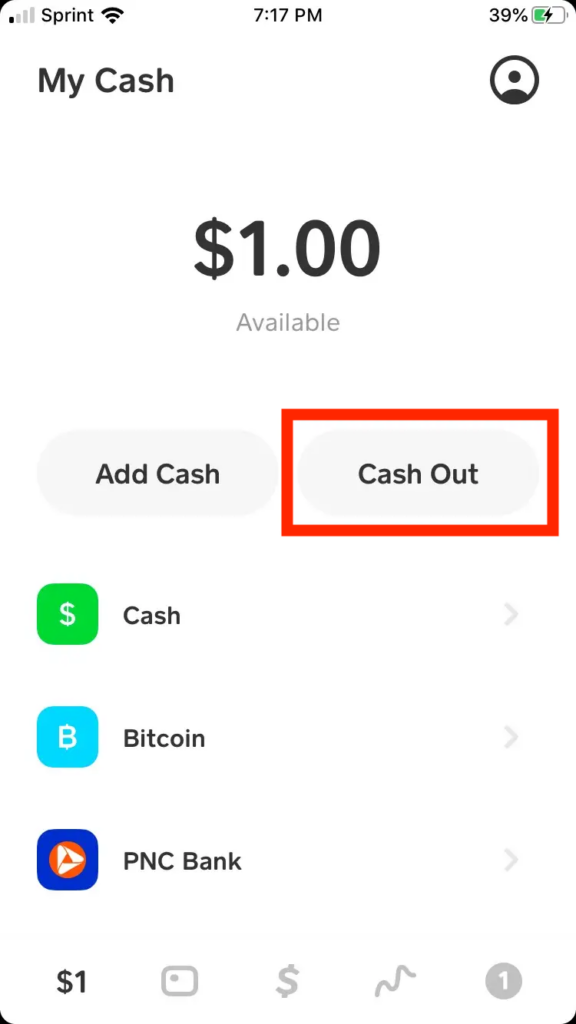
A fundamental aspect of responsible financial management involves a clear understanding of the costs, limitations, and security measures associated with any financial tool. When withdrawing cash from Cash App, these factors directly impact your financial health and the safety of your funds.
Decoding Withdrawal Fees and Transaction Limits
Every financial transaction, particularly withdrawals, can carry associated costs and predefined limits. Being fully aware of these is crucial for effective money management.
Minimizing ATM Surcharges and Expedited Transfer Costs
As previously discussed, ATM withdrawals often incur two types of fees: those from Cash App itself (potentially reimbursed for direct deposit users) and those from the ATM operator. Proactive strategies to minimize these include:
-
Cash App Fee Reimbursement: For users who receive at least $300 in direct deposits into their Cash App balance each month, Cash App waives ATM fees for subsequent withdrawals, including reimbursement of one ATM operator fee per withdrawal. This incentivizes using Cash App for direct deposits, turning a potential cost into a benefit.
-
Surcharge-Free ATM Networks: Regardless of Cash App’s reimbursement policy, habitually seeking out ATMs that are part of surcharge-free networks (like Allpoint or MoneyPass, if available to your card) eliminates the primary third-party cost.
-
Strategic Use of Instant Deposits: While instant bank transfers offer unparalleled speed, the associated fee (e.g., 0.5% – 1.75%) is a direct financial cost. For a $500 transfer, this could mean $2.50 to $8.75 in fees. This may seem small, but these costs accumulate. For non-urgent transfers, always opt for the free standard deposit to maximize your funds. Consider the true urgency of the need against the cost incurred.
Adhering to Daily and Weekly Transaction Thresholds
Cash App, like most financial platforms, imposes limits on the amount of money you can send, receive, and withdraw over certain periods. These limits are in place for security and regulatory compliance.
-
ATM Withdrawal Limits: Typically, Cash App users have daily ATM withdrawal limits (e.g., $1,000 per 24 hours) and weekly limits (e.g., $1,000 per 7 days). These figures can vary and are subject to change, as well as potentially higher limits for verified accounts.
-
Bank Transfer Limits: There are also limits on how much you can cash out to your bank account daily and weekly.
Understanding these thresholds is vital for financial planning. If you anticipate needing to withdraw a large sum of cash, it’s essential to plan ahead to ensure your request falls within the allowed limits. Attempting to exceed these limits will result in declined transactions, potentially causing inconvenience or delaying access to your funds. Verified accounts generally have higher limits, so if your financial activities regularly approach these ceilings, consider completing the verification process to expand your access.
Safeguarding Your Funds During the Withdrawal Process
Security is paramount in personal finance. While Cash App employs robust internal security measures, users also bear responsibility for protecting their funds during withdrawal.
Best Practices for Card Security and PIN Management
When using your Cash Card at an ATM, standard debit card security practices apply:
-
Protect Your PIN: Never share your Personal Identification Number (PIN) with anyone. Memorize it and avoid writing it down. When entering your PIN at an ATM, shield the keypad with your hand to prevent “shoulder surfing.”
-
Inspect ATMs: Before inserting your card, quickly check the ATM for any signs of tampering, such as loose card readers or keypads, which could indicate a “skimming” device.
-
Secure Your Card: Treat your Cash Card like a credit card or traditional debit card. Report it lost or stolen immediately via the Cash App or by contacting support to prevent unauthorized use. The app allows you to disable your card instantly if misplaced.
Adhering to these practices minimizes the risk of fraudulent access to your Cash App balance during ATM withdrawals.
Recognizing and Preventing Withdrawal-Related Scams
Unfortunately, financial platforms are often targeted by scammers. Be vigilant against:
-
Phishing Attempts: Scammers may impersonate Cash App support via email, text, or phone to trick you into revealing your login credentials or PIN, which they can then use to access your account and withdraw funds. Cash App will never ask for your PIN or full login details.
-
Fake Customer Support: Only use official Cash App support channels. Searching for “Cash App customer service” online can sometimes lead to scam websites or phone numbers. Always go through the app or the official website.
-
Unexpected Payment Requests: Be cautious of requests for money or requests to “test” a payment function, especially if it involves sending money to an unknown account before you can receive a payment. Scammers often use these tactics to trick users into sending them money that cannot be recovered.
Educating yourself on these common scams is a powerful defense, ensuring your financial security when managing your Cash App funds.
Optimizing Your Cash App Withdrawal Strategy for Financial Well-being
Integrating Cash App withdrawals effectively into your personal finance framework requires a thoughtful approach, aligning its features with your broader financial goals and daily needs. It’s about leveraging the app’s capabilities to enhance your financial control, not just as a reactive tool.
Aligning Withdrawals with Your Budgetary Needs
The core of sound financial well-being is a well-managed budget. Your Cash App withdrawal strategy should directly support this. Instead of viewing Cash App as an ad-hoc source of funds, integrate it into your regular budgeting process. If you allocate a certain amount for cash-only expenses (e.g., weekly market purchases, coffee runs), transfer that exact amount to your Cash App balance and withdraw it strategically to avoid multiple fees. For larger, less frequent cash needs, plan these withdrawals well in advance to fall within transaction limits and allow time for standard bank transfers if that’s the more cost-effective route. By pre-determining your cash needs and aligning them with your Cash App usage, you gain greater control over your spending, prevent impulse withdrawals, and keep your financial health on track. This proactive approach turns Cash App into an active participant in your budget, rather than a separate, unmonitored spending channel.
Leveraging Cash App for Emergency Funds and Quick Access
While not a replacement for a dedicated emergency savings account, Cash App can serve as a supplementary tool for very immediate, small-scale emergency cash needs. For instance, if you require a small amount of cash unexpectedly and your primary bank is inaccessible, the Cash Card provides a rapid solution. Some users even use Cash App as a designated “mini-emergency fund” for very specific, low-cost scenarios. The instant transfer feature, despite its fee, can be invaluable when a few dollars are needed to bridge a gap or cover an unforeseen expense immediately. The key is to define the scope of these “emergencies” narrowly and consciously, ensuring it complements your larger, more robust emergency savings plan rather than replacing it. This approach acknowledges Cash App’s unique speed while maintaining sound financial principles for substantial emergencies.
Integrating Cash App into a Broader Personal Finance Ecosystem
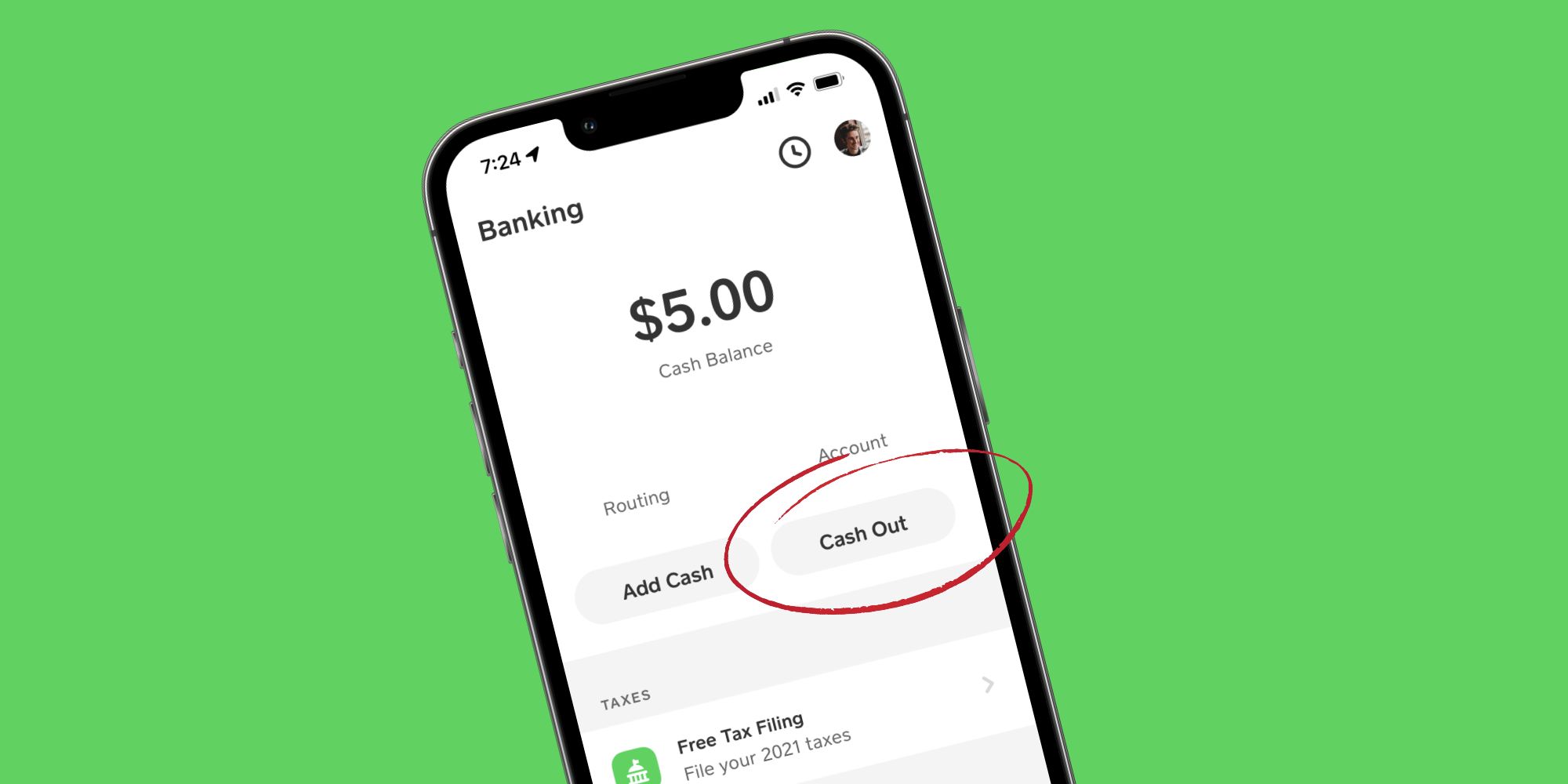
Ultimately, the most effective way to handle Cash App withdrawals is to view the platform as one component within a comprehensive personal finance ecosystem. It connects to your bank accounts, potentially receives direct deposits, and facilitates transfers. Therefore, optimize its function by:
-
Automating Transfers: Set up recurring direct deposits to your Cash App if you frequently use it, which can unlock ATM fee reimbursements and streamline your income flow.
-
Regular Reconciliation: Periodically reconcile your Cash App transactions with your overall budget and bank statements. This ensures you have a clear picture of how funds are moving between platforms and prevents oversight.
-
Utilizing Account Verification: Fully verifying your Cash App account can unlock higher transaction limits, providing greater flexibility for larger withdrawals or transfers when needed for significant financial movements.
-
Conscious Usage: Be mindful of the fees associated with instant transfers and multiple ATM withdrawals. Prioritize cost-effective options whenever time is not of the essence.
By strategically integrating Cash App withdrawals into your financial habits and understanding its capabilities and limitations, you transform it from a mere transaction app into a powerful ally in achieving and maintaining your financial well-being. This deliberate management ensures that digital tools like Cash App actively contribute to your financial control and security.
aViewFromTheCave is a participant in the Amazon Services LLC Associates Program, an affiliate advertising program designed to provide a means for sites to earn advertising fees by advertising and linking to Amazon.com. Amazon, the Amazon logo, AmazonSupply, and the AmazonSupply logo are trademarks of Amazon.com, Inc. or its affiliates. As an Amazon Associate we earn affiliate commissions from qualifying purchases.