
In an increasingly volatile economic landscape, the need for immediate financial liquidity can arise for various reasons. Whether you are facing an unexpected medical bill, a car repair, or simply looking to bolster your savings before a major purchase, knowing how to generate cash quickly is a vital component of modern financial literacy. While long-term wealth building relies on compound interest and steady investment, short-term income generation requires a tactical approach, leveraging existing assets, skills, and the infrastructure of the digital gig economy.
This guide explores professional and legitimate avenues for generating quick cash, categorizing these methods into actionable strategies that prioritize speed without compromising financial integrity.

Leveraging the Gig Economy for Instant Payouts
The gig economy has revolutionized the way we perceive labor and compensation. Unlike traditional employment, which often operates on bi-weekly or monthly pay cycles, many modern platforms are designed specifically for rapid disbursement. By utilizing these tools, individuals can convert their time and effort into capital within days, if not hours.
On-Demand Delivery and Transport Services
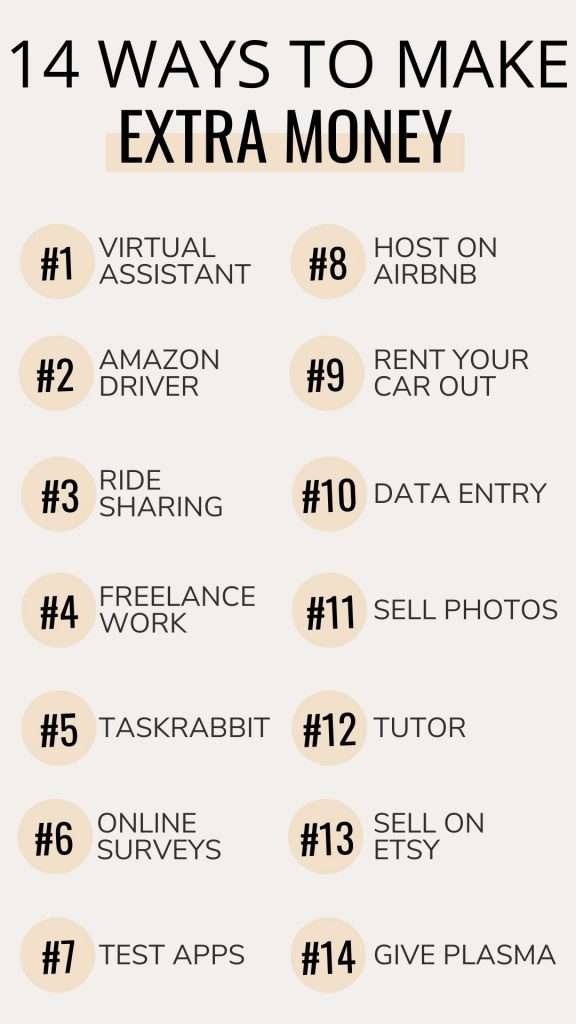
The most visible sector of the gig economy remains the delivery and transportation niche. Platforms such as Uber, DoorDash, and Instacart have evolved to offer “Instant Pay” or “Fast Pay” features. For a nominal fee—or sometimes for free after a certain number of deliveries—workers can transfer their earnings to a debit card immediately after completing a shift.
To maximize earnings in this sector, one must understand peak demand periods. For food delivery, this typically falls during lunch and dinner rushes or during major sporting events. For rideshare drivers, late-night weekend shifts or early morning airport runs offer the highest revenue per hour due to surge pricing. The key to “quick cash” here is not just the work itself, but the platform’s ability to bypass the traditional banking lag.
Micro-Tasking and Digital Labor
For those who prefer to work from a computer, micro-tasking platforms like Amazon Mechanical Turk or Clickworker provide a way to earn small amounts of money for completing simple tasks that AI cannot yet perform efficiently. These tasks, known as Human Intelligence Tasks (HITs), might include data verification, image tagging, or sentiment analysis.
While the pay per task is often low, the volume is high, and for a dedicated worker, these cents can aggregate into significant dollars quickly. Furthermore, specialized sites like UserTesting pay participants to navigate websites or apps and provide verbal feedback. A 20-minute test can often yield $10, with payouts usually processed via PayPal within a week, making it a reliable secondary stream for quick liquidity.
Professional Freelancing with Fast Turnarounds
If you possess a specialized skill—such as graphic design, copywriting, or translation—platforms like Fiverr or Upwork allow you to monetize these talents. To generate cash “quickly” on these platforms, the strategy shifts toward offering “productized services.” Instead of bidding on long-term contracts, create “gigs” that can be completed in under 24 hours. Small-scale tasks like logo touch-ups, 500-word blog posts, or social media ad copy are in high demand and allow for rapid billing and collection.
Monetizing Underutilized Assets and Personal Inventory
One of the fastest ways to generate cash is to look within your own household. Most people possess significant value tied up in physical goods that are no longer in use. Selling these assets is often faster than earning new income because the value is already “stored” in the item.
Reselling High-Demand Consumer Goods
The secondary market is currently booming, driven by sustainability trends and the ease of mobile marketplaces. For clothing, platforms like Poshmark and Depop are industry leaders, but for the absolute fastest cash, local options like Facebook Marketplace or Craigslist are superior. Local sales eliminate shipping times and platform wait periods; you meet the buyer, exchange the item, and receive cash or a digital transfer immediately.
High-turnover items include electronics (smartphones, gaming consoles), designer handbags, and power tools. When listing items for quick sale, professional photography and a transparent description are essential. Pricing the item at 10–15% below the average market rate ensures a rapid transaction, which is often more valuable than holding out for a higher price when time is of the essence.
Renting Out Assets You Already Own
If you are not ready to part with your belongings permanently, you can rent them out. The “sharing economy” allows you to monetize your car through Turo or your spare room through Airbnb. However, if you need cash even faster and with less overhead, consider peer-to-peer rental sites for specialized equipment.
Fat Llama, for example, allows you to rent out cameras, drones, and projectors to people in your area. This is particularly effective for high-value items that sit idle most of the time. Because these platforms often have built-in insurance and verified user bases, they provide a professional and secure environment for generating passive-style income from assets you already own.

Trading in Electronics and Specialized Equipment
While reselling to a private party usually nets the highest profit, trade-in programs offer the fastest guaranteed cash. Services like EcoATM (found in many malls) or Gazelle offer immediate quotes for smartphones and tablets. Similarly, local businesses like “Buy-Sell-Trade” record stores or vintage clothing boutiques often offer “cash on the spot,” albeit at a lower price point than a private sale. This is the “liquidity premium”—you are paying for the convenience of an immediate transaction.
Specialized Short-Term Financial Opportunities
Beyond labor and sales, there are systemic financial opportunities that can be tapped into for quick infusions of cash. These often involve participating in market research or taking advantage of promotional incentives within the financial sector.
Participating in Market Research and Focus Groups
Companies are willing to pay a premium for consumer insights. High-end focus groups, managed by firms like Respondent.io or FocusGroup.com, can pay anywhere from $50 to $250 for an hour of your time. These studies are looking for specific demographics—professionals in a certain industry, parents of toddlers, or users of a specific software.
Because these sessions are scheduled and have fixed pay rates, they are a highly efficient way to earn cash. While you won’t qualify for every study, maintaining an updated profile on several of these platforms increases the frequency of invitations, providing a semi-regular source of “quick” high-hourly-rate income.
Capitalizing on Bank and Credit Card Incentives
Though this requires a bit of existing capital or creditworthiness, “banking bonuses” are a professional way to manufacture cash. Many banks offer $200 to $500 sign-up bonuses for opening a new checking account and meeting a direct deposit requirement.
While this is not “instant” (it may take 30 to 60 days for the bonus to post), it represents an extremely high return on investment for very little actual work. Similarly, credit card “churning”—responsibly using a new card to earn a sign-up bonus—can provide cash back or travel statements that free up your other liquid cash for immediate needs. Note: This strategy should only be used by those who can manage their credit responsibly and avoid carrying a balance.
Seasonal and Event-Based Temporary Roles
Local events, festivals, and seasonal peaks create a temporary surge in the need for labor. Catering companies, event security firms, and brand ambassador agencies frequently hire for single-day or weekend-long assignments. These roles often pay daily or weekly. Checking “Gigs” on Craigslist or using apps like Wonolo or Bluecrew can connect you with businesses that need immediate help for a shift. This is an excellent way to earn several hundred dollars over a weekend without the commitment of a long-term job.
Optimizing Your Cash Flow Strategy
Generating quick cash is only half the battle; managing that income professionally is what ensures it actually solves your financial needs. When moving into the world of side hustles and asset liquidation, one must treat it with the same rigor as a primary business.
Managing Tax Implications of Side Income
In the United States, and many other jurisdictions, the “quick cash” you earn is considered taxable income. Platforms like PayPal, Venmo, and Uber are now required to report earnings over certain thresholds to the IRS via 1099-K forms.
To act professionally, you should set aside approximately 20–30% of your “quick cash” earnings for future tax obligations. Failure to do so can turn a short-term financial solution into a long-term tax problem. Keeping a simple spreadsheet of your income and any associated expenses (like gas for deliveries or shipping fees for sales) will make this process seamless at year-end.
Avoiding Common “Quick Cash” Pitfalls and Scams
The desire for fast money often makes individuals vulnerable to predatory practices. It is crucial to distinguish between “quick cash” and “get rich quick” schemes. Legitimate opportunities involve a clear exchange of value—either your time, your skills, or your property.
Be wary of any “opportunity” that requires an upfront payment to “start working” or promises returns that seem mathematically impossible. Similarly, avoid payday loans or high-interest cash advances. While they provide cash “quickly,” the astronomical interest rates often create a cycle of debt that is difficult to escape. Professional financial management focuses on increasing income or liquidating assets, not taking on high-cost debt.
Transitioning Quick Cash into Long-Term Financial Stability
The most insightful way to view quick cash is as a bridge to a more stable financial future. Once the immediate need is met, the habits developed—such as identifying market needs, valuing your time, and optimizing your assets—can be applied to long-term wealth building.
Use the surplus from your quick cash endeavors to seed an emergency fund. Having three to six months of expenses in a high-yield savings account eliminates the “emergency” nature of future financial hiccups, allowing you to move from a reactive financial posture to a proactive one. In the end, the best way to make quick cash is to build a financial life where you rarely need to.
aViewFromTheCave is a participant in the Amazon Services LLC Associates Program, an affiliate advertising program designed to provide a means for sites to earn advertising fees by advertising and linking to Amazon.com. Amazon, the Amazon logo, AmazonSupply, and the AmazonSupply logo are trademarks of Amazon.com, Inc. or its affiliates. As an Amazon Associate we earn affiliate commissions from qualifying purchases.