
The digital landscape of personal finance has been significantly shaped by peer-to-peer (P2P) payment platforms like Venmo. While these tools offer unparalleled convenience for splitting bills, paying friends, or making quick purchases, they also introduce scenarios where funds need to be returned. Whether due to an accidental payment, an overcharge, or a simple change of plans, understanding the correct and financially prudent way to send money back on Venmo is crucial for maintaining financial accuracy and integrity. This guide delves into the mechanisms, best practices, and financial considerations involved in correcting or reversing transactions through the Venmo platform, firmly anchoring these actions within the broader context of sound personal finance management.

The Financial Imperative of Correcting Venmo Transactions
In personal finance, accuracy and transparency are paramount. Erroneous or unintended transactions, regardless of the amount, can disrupt budgets, create awkward social situations, and even lead to disputes if not handled promptly and correctly. Venmo, as a primary conduit for many daily financial interactions, requires users to be adept at managing these situations.
Common Scenarios for Repayment: Financial Accuracy and Ethics
Several common situations necessitate sending money back on Venmo, each carrying its own set of financial implications:
-
Mistaken Payments: This is perhaps the most frequent reason. A user might accidentally send money to the wrong person (e.g., someone with a similar username), or input the wrong amount. From a financial standpoint, retrieving these funds quickly is essential to avoid unnecessary losses and correct account balances.
-
Overpayments for Goods or Services: When purchasing an item from a friend, or paying for a service through Venmo, an individual might inadvertently send more than the agreed-upon amount. The ethical and financial responsibility falls on the recipient to return the excess funds to ensure a fair transaction.
-
Splitting Shared Expenses Unevenly: While Venmo excels at splitting costs, sometimes the initial calculation might be incorrect, or one party might have covered an unexpected additional expense. Sending money back ensures that all parties contribute their equitable share, aligning with principles of shared financial responsibility.
-
Issuing Refunds for Sales (if applicable): While Venmo is primarily P2P, some small businesses or individuals conducting casual sales may use it. If a sale falls through or an item is returned, the seller needs a clear process to refund the buyer, maintaining good customer relations and financial transparency.
Understanding Venmo’s Role in Personal Finance
Venmo functions as a critical financial tool for millions, facilitating instantaneous money transfers that bypass traditional banking delays. However, its convenience also means that transactions, once sent, are often difficult to reverse directly by the sender. This places a significant onus on the recipient to actively return funds when required. Understanding this operational reality is key to navigating financial corrections on the platform. It underscores the importance of immediate action and clear communication in managing one’s finances through digital payment systems. The immediacy of Venmo payments means that funds are usually available to the recipient almost instantly, highlighting the critical role of timely repayment to ensure financial accounts accurately reflect actual ownership of funds.
Navigating Venmo for Direct Fund Repayment
When the need arises to return money, Venmo offers several pathways, each with specific applications. The choice of method largely depends on who initiated the original payment and the nature of the transaction.
Initiating a New Payment: The Primary Method for Repayment
For most scenarios where you, as the recipient, need to send money back to someone who paid you, sending a new payment is the most common and straightforward method. This applies to mistaken payments, overpayments, or simply repaying a debt.
-
Step-by-Step Walkthrough:
-
Open the Venmo App: Log into your account.
-
Tap the Pay/Request Button: This is usually represented by a pencil and paper icon or a dollar sign, located at the bottom center of the screen.
-
Select the Recipient: In the “To” field, search for the person who originally sent you the money. Ensure you select the correct user by verifying their username, profile picture, and potentially their phone number or email if you have them saved. This step is critical to avoid making a second mistaken payment.
-
Enter the Amount: Input the exact amount you need to send back. Double-check for accuracy.
-
Add a Payment Note: This is a crucial financial best practice. Clearly state the reason for the payment (e.g., “Refund for accidental payment,” “Overpayment correction for dinner,” “Return of funds for cancelled concert tickets”). This note serves as a vital record for both parties.
-
Confirm and Send: Review all details—recipient, amount, and note—before tapping “Pay.” Ensure you select the correct funding source if you have multiple linked.
-
-
Critical Verification Steps: Ensuring Funds Go to the Right Account: Before confirming any payment, take an extra moment to verify the recipient’s identity. Mistakes here can lead to a cascading series of financial issues. Check the profile picture, username, and confirm with the sender via an alternative communication channel (text, call) if there’s any doubt. This proactive step can prevent significant financial headaches.
-
Leveraging Payment Notes for Financial Clarity: Beyond simply stating the reason, a detailed payment note acts as a mini-ledger entry. It aids in personal financial tracking, resolves future potential disputes, and maintains a clear transaction history within the Venmo app, which can be useful for budgeting or tax purposes depending on the transaction’s nature.
Utilizing the “Refund” Function for Business Transactions
While Venmo primarily serves P2P, business profiles on Venmo often have access to a specific “Refund” feature. This is distinct from simply sending a new payment and is typically available for transactions where a business profile received funds for goods or services.
-
When and How This Option Becomes Available: If you operate a Venmo business profile and receive a payment from a customer, you may be able to locate the original transaction in your Venmo history and initiate a direct refund from there. This option streamlines the return process and provides clearer accounting for both parties as it links directly to the original transaction. The availability and specific steps for this feature can vary, so consulting Venmo’s official support documentation for business profiles is advisable.
-
Financial Implications for Merchants and Consumers: For businesses, using the refund feature often correctly reverses any associated fees (e.g., transaction fees for receiving business payments) that may have been incurred during the original transaction. For the consumer, it ensures the funds are returned in a manner that clearly indicates a cancellation or reversal of the initial purchase, aiding in their own financial record-keeping.
The Option to “Request” Money Back: A Recourse for Erroneous Sends
If you were the one who mistakenly sent money to someone, and the recipient has not yet returned it, you have the option to “Request” the funds back. This is not a direct reversal but rather a formal request for the recipient to send the money back to you.
-
How to Send a Request:
-
Tap the Pay/Request button.
-
Select the person you sent money to.
-
Enter the amount.
-
Crucially, select “Request” instead of “Pay.”
-
Add a clear note explaining the original mistake and politely asking for the money back.
-
Send the request.
-

- What to Do if a Request is Unanswered: A request is not a guarantee of repayment. If the recipient does not respond or refuses, your recourse becomes more limited. First, attempt to contact them directly through other means (text, phone call, email) to explain the situation clearly and politely. If this fails, you may need to escalate the issue to Venmo Support, though their ability to force a repayment is often limited, especially for P2P transactions between individuals. This highlights the “send money responsibly” mantra; once money is sent, you are largely reliant on the recipient’s cooperation.
Strategic Financial Management and Best Practices for Venmo Repayments
Effective use of Venmo, especially for repayments, extends beyond just knowing which buttons to press. It involves integrating these actions into a broader framework of sound financial habits.
Minimizing Financial Risk: Double-Checking Before Sending
The most effective “repayment strategy” is to avoid needing one in the first place. Before initiating any Venmo transaction, develop a habit of triple-checking:
-
Recipient’s Identity: Is this the correct person? Verify username, profile picture, and potentially their real name.
-
Amount: Is the numerical value precise? A misplaced decimal or extra digit can lead to significant overpayment.
-
Payment Note: Is it clear and concise, providing sufficient detail for your financial records?
This vigilance significantly reduces the incidence of errors that require subsequent financial corrections.
The Cost Factor: Understanding Venmo’s Fee Structure for Transfers
While sending money from a linked bank account or debit card for standard delivery is typically free on Venmo, there are fees associated with certain actions:
-
Instant Transfers: If you (or the person sending money back to you) choose to instantly transfer funds from Venmo to a bank account, a small fee (typically 1.75% with a minimum of $0.25 and a maximum of $25) applies. This fee is borne by the person initiating the instant transfer. When you send money back to someone, it goes into their Venmo balance. If they then choose to instantly transfer it to their bank, they will incur this fee. Understanding this can prevent misunderstandings.
-
Credit Card Payments: If you use a credit card to send money on Venmo, a 3% fee applies. This is a crucial financial consideration. When sending money back, always prioritize using a linked bank account or debit card to avoid unnecessary credit card fees, which can quickly erode the value of the transaction.
These fees, though small, impact the net amount received or paid and should be factored into your financial calculations.
Record-Keeping and Transaction History for Personal Auditing
Venmo maintains a transaction history within the app, which is an invaluable tool for personal financial auditing.
-
Regular Review: Periodically review your Venmo transaction history. This helps identify any discrepancies, ensures all repayments have been made or received, and provides a clear picture of your cash flow through the platform.
-
Utilize Payment Notes: As mentioned, detailed payment notes enhance the clarity of your transaction history, making it easier to recall the purpose of specific repayments months later.
This record-keeping is vital for budgeting, expense tracking, and potentially for tax purposes if your Venmo activity extends beyond casual P2P interactions.
Implications for Budgeting and Expense Tracking
Every Venmo transaction, including sending money back, affects your cash flow and budget.
-
Real-time Budget Adjustment: If you mistakenly sent money and are awaiting repayment, consider that money “spent” from your budget until it’s returned. Similarly, if you owe someone a repayment, factor that into your immediate budget.
-
Integrating Venmo into Broader Financial Tools: Many budgeting apps can link to bank accounts, but Venmo transactions might need separate consideration if you keep a significant balance on the app. Periodically reconciling your Venmo balance and transactions with your main budget spreadsheet or app ensures a holistic view of your financial standing.
Safeguarding Against Scams and Financial Misconduct
The ease of Venmo also makes it a target for various scams. Understanding repayment mechanisms is critical for fraud prevention.
-
The “Accidental Payment” Scam: Be wary if someone you don’t know sends you money on Venmo and then immediately requests it back, claiming it was an accident. They might use a fraudulent funding source, and if you send money back directly, you could be out of pocket when their original payment is reversed. Always verify such claims thoroughly, and if in doubt, contact Venmo support before sending any money back to an unfamiliar party.
-
Verifying Identity: Always verify the identity of the person you are transacting with, especially if large sums are involved. Scammers often use convincing but fake profiles.
Adhering to these security practices is a cornerstone of responsible financial management in the digital age.
Resolving Financial Discrepancies and Escalation Paths
Despite best efforts, situations may arise where repayments are delayed, disputed, or refused. Knowing how to navigate these financial discrepancies is essential.
Addressing Unresponsive Recipients: Direct Communication and Persistence
If you’ve sent a request for money back, or if you’re awaiting a repayment from someone who received a mistaken payment, and they’re unresponsive, direct communication is the first and most effective step.
-
Polite Reminders: Send a polite reminder via Venmo’s chat, followed by a message through an alternative channel (text, email, phone call). Sometimes, people simply overlook notifications.
-
Clear Explanation: Clearly articulate the original mistake and why the repayment is necessary, referencing the original transaction details. Avoid accusatory language; focus on factual information.
Persistence, within reasonable bounds, can often resolve these issues without further escalation.
Venmo’s Dispute Resolution Process: When and How to Engage
For more severe financial discrepancies, especially those involving unauthorized transactions or outright refusal to return mistaken funds, Venmo offers a dispute resolution process. However, it’s crucial to understand its limitations for P2P transactions.
-
Unauthorized Transactions: If your Venmo account was used to send money without your permission, Venmo’s fraud protection is designed to help. Report such incidents immediately.
-
Mistaken Payments to Unresponsive Parties: For simple mistaken payments between individuals, Venmo’s ability to force a repayment is generally limited, as their terms of service often state that P2P payments are typically final. They may, however, facilitate communication or investigate suspicious activity.
-
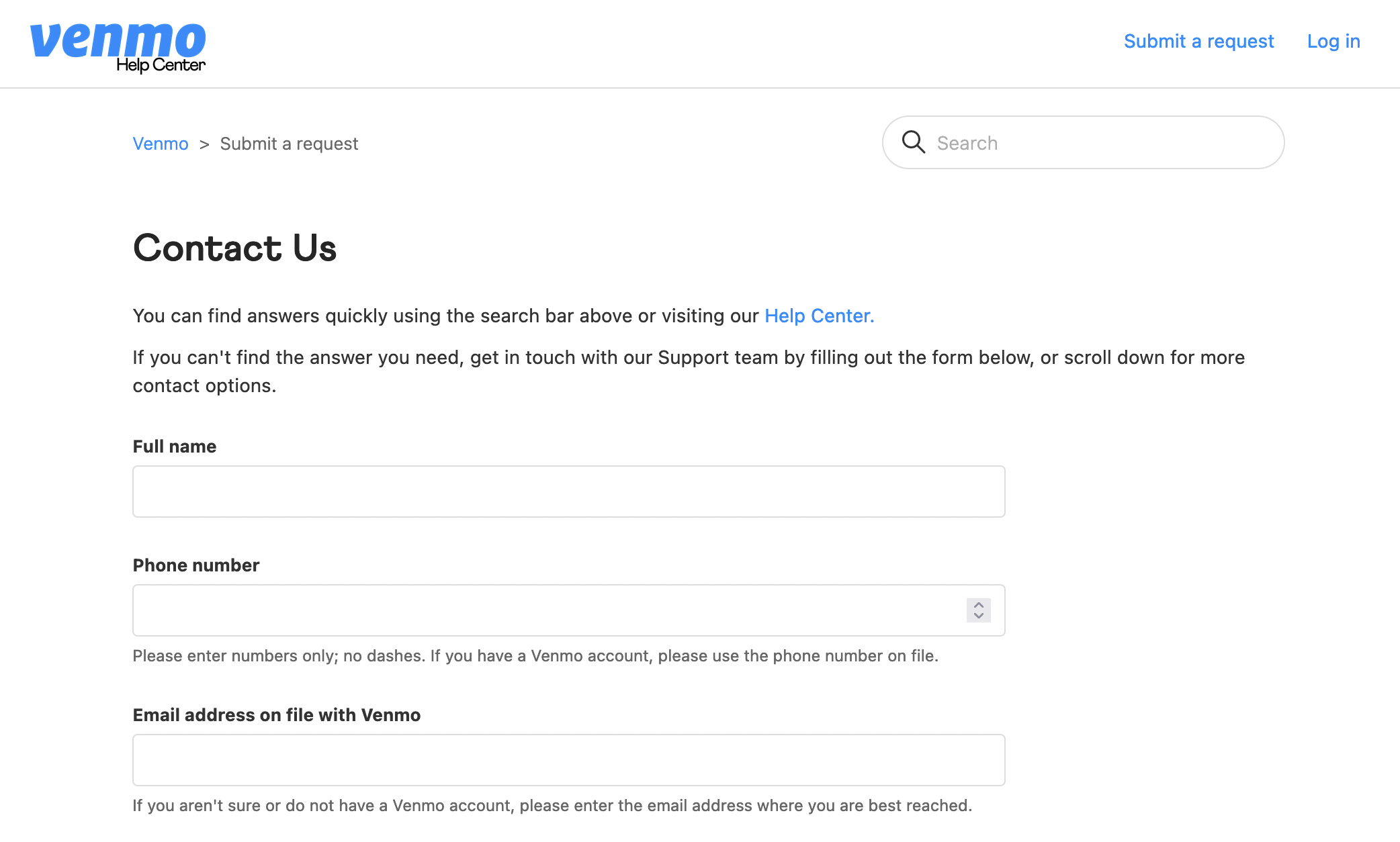
Engaging Support: To initiate a dispute or report an issue, go to the “Get Help” or “Contact Us” section within the Venmo app or on their website. Provide all relevant transaction details, screenshots, and communication records.
Differentiating Between Reversing and Repaying: Financial Finality
A key financial concept on Venmo is the distinction between a “reversal” and a “repayment.”
-
Reversal: In most banking contexts, a reversal means the original transaction is undone as if it never happened. On Venmo, genuine reversals are rare for P2P transactions and usually only occur if Venmo detects fraud or an unauthorized charge from the funding source.
-
Repayment: What most users refer to as “sending money back” is technically a new transaction. You initiate a fresh payment to the original sender. This means that if there were any fees on the original transaction (e.g., credit card fees), they are not reversed; a new payment incurs its own fee structure. Understanding this difference is critical for accurate financial reconciliation.
When Professional Financial Advice or Venmo Support Becomes Necessary
For significant sums of money, persistent disputes, or concerns about fraudulent activity, it’s prudent to escalate beyond direct communication.
-
Contact Venmo Support: For any issue related to account security, suspected fraud, or if you need clarity on Venmo’s policies, their customer support is the primary resource.
-
Consider Your Bank/Credit Card Company: If the original payment was funded directly from your bank account or credit card and you suspect fraud or an unauthorized transaction, contacting your financial institution can offer additional layers of protection and dispute resolution, though they might redirect you to Venmo first.
-
Legal Counsel for Large Disputes: In extremely rare cases involving very large sums and uncooperative parties, seeking independent legal advice might be a last resort, though this is highly unusual for typical Venmo transactions.
Effectively managing repayments on Venmo is an integral part of modern personal finance. By understanding the platform’s mechanisms, practicing diligent verification, and adhering to sound financial principles, users can navigate accidental payments and necessary returns with confidence and maintain the accuracy of their financial records.
aViewFromTheCave is a participant in the Amazon Services LLC Associates Program, an affiliate advertising program designed to provide a means for sites to earn advertising fees by advertising and linking to Amazon.com. Amazon, the Amazon logo, AmazonSupply, and the AmazonSupply logo are trademarks of Amazon.com, Inc. or its affiliates. As an Amazon Associate we earn affiliate commissions from qualifying purchases.