
Understanding Settlements and Cash App
Financial settlements represent a critical mechanism for resolving disputes, often involving monetary compensation for individuals who have been wronged or negatively impacted by a company’s actions or inactions. In the context of digital financial platforms like Cash App, understanding the nature of these settlements is paramount for users seeking to protect their financial interests and potentially recover losses.
What is a Financial Settlement?
A financial settlement is an agreement reached between two or more parties to resolve a legal dispute outside of a full trial. These settlements often result from class-action lawsuits, where a group of individuals with similar claims against a defendant (in this case, potentially a company like Block, Inc., which operates Cash App) collectively seek damages. The compensation distributed through a settlement can cover various types of losses, including direct financial damages, inconvenience, privacy breaches, or other harms caused by the defendant’s conduct. Settlement administrators are typically appointed to manage the process of notifying potential claimants, reviewing submissions, and distributing funds according to court-approved terms. Eligibility for a settlement often depends on specific criteria, such as having used a particular service during a certain timeframe or having experienced a specific type of issue.
Cash App’s Role as a Financial Platform
Cash App, developed by Block, Inc., is a popular mobile payment service that allows users to send and receive money, invest in stocks and Bitcoin, and use a linked debit card (Cash Card). As a widely adopted financial tool, Cash App handles billions of dollars in transactions and sensitive user data annually. Its expansive user base and the nature of its services — encompassing peer-to-peer payments, banking functionalities, and investment features — mean that any systemic issue or legal infraction could affect a substantial number of individuals. This broad reach makes Cash App a potential target for class-action lawsuits or regulatory actions if issues related to data security, consumer protection, or service reliability arise, paving the way for potential user settlements.
Common Reasons for Cash App-Related Settlements
The digital financial landscape is dynamic, and as platforms like Cash App evolve, so do the potential avenues for disputes and subsequent settlements. Several common issues can lead to a financial settlement involving a service provider like Cash App, particularly those related to data integrity, consumer rights, and service delivery.
Data Breaches and Privacy Violations
One of the most significant concerns for users of any digital financial service is the security of their personal and financial data. Data breaches, where unauthorized individuals gain access to sensitive user information, can lead to identity theft, fraud, and other significant financial harms. If Cash App or one of its third-party service providers were to experience a substantial data breach affecting a large number of users, those users might be entitled to compensation through a class-action settlement. Similarly, if the platform were found to have violated users’ privacy rights through unauthorized data collection, sharing, or inadequate protection measures, affected individuals could seek redress. Settlements in these cases often aim to compensate for potential damages, the cost of credit monitoring, and the inconvenience caused by the breach.
Unfair Business Practices or Misleading Advertisements
Financial platforms are subject to strict regulations regarding transparency and fair business practices. If Cash App were found to engage in practices deemed unfair, deceptive, or misleading — such as undisclosed fees, misrepresented services, or misleading marketing claims about investment returns or account features — a class-action lawsuit could ensue. For instance, if the terms of service were found to be predatory, or if certain features were advertised with benefits that did not materialize, users who relied on those claims to their detriment might be eligible for a settlement. These cases often hinge on demonstrating that a substantial group of consumers was harmed by the company’s actions.
Service Disruptions or Fund Access Issues
Reliable access to funds and uninterrupted service are fundamental expectations for any financial platform. Widespread or prolonged service disruptions that prevent users from accessing their money, making transactions, or managing their accounts can cause significant financial distress and losses. While individual instances might be handled through customer support, systemic or recurring issues that affect a large user base could lead to a class-action suit. For example, if a software bug or system failure led to substantial delays in direct deposits, incorrect transaction processing, or an inability to withdraw funds for an extended period, users could collectively claim damages. Settlements in these scenarios would aim to compensate users for direct financial losses, late fees incurred due to inability to pay bills, or other demonstrable harm.
Consumer Protection Law Violations
Various federal and state laws are designed to protect consumers in financial transactions, such as the Electronic Fund Transfer Act (EFTA), which governs electronic fund transfers, and state-specific consumer protection statutes. Violations of these laws, whether intentional or accidental on a large scale, could trigger legal action and subsequent settlements. This could include issues related to unauthorized transactions, error resolution procedures, or disclosure requirements not being met. When a financial institution or platform fails to adhere to these regulatory mandates, and a significant number of consumers are adversely affected, a class-action settlement becomes a viable mechanism for redress.
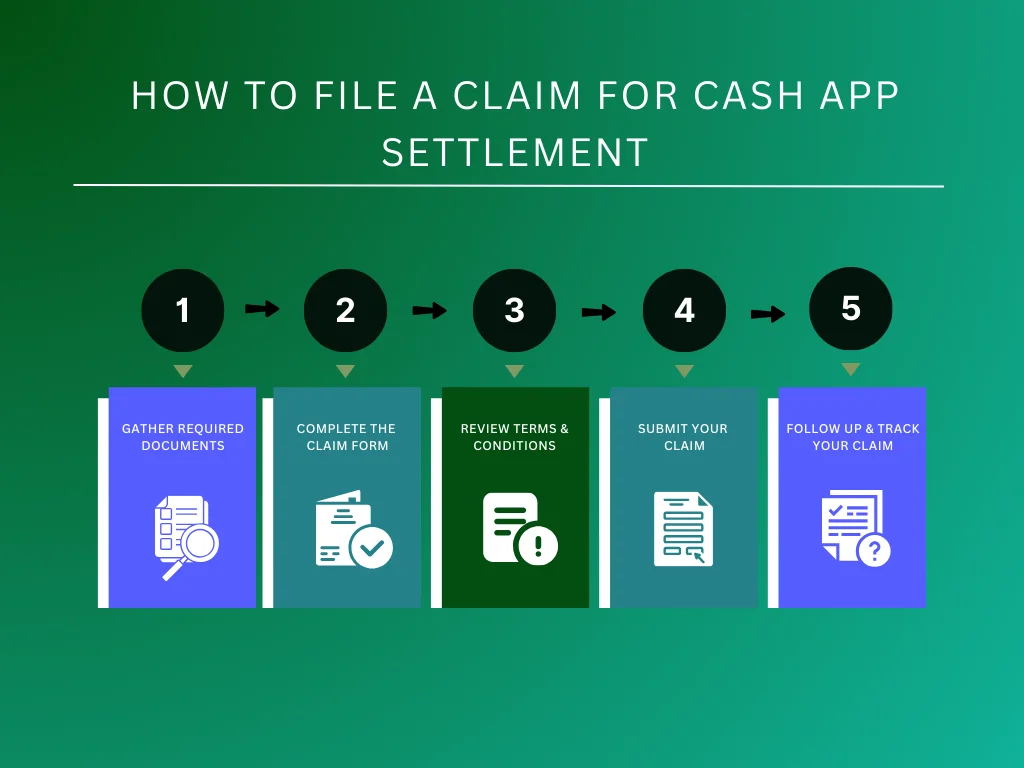
Navigating the Settlement Claim Process
Securing a financial settlement requires diligence and careful adherence to the established process. For those who believe they are eligible for a Cash App settlement, understanding each step is crucial for a successful claim.

Identifying a Valid Settlement Opportunity
The first and most critical step is to accurately identify a legitimate settlement opportunity. Information about class-action settlements is typically disseminated through official channels, including direct mail notices to potential claimants, advertisements in major publications, legal news websites, and the official websites of the settlement administrators or the law firms involved. It is imperative to distinguish these legitimate notifications from scams. Always verify the authenticity of any settlement claim by cross-referencing information with reputable sources, such as federal court dockets, the Consumer Financial Protection Bureau (CFPB) website, or major legal news outlets. Never trust unsolicited emails or messages that demand immediate action or personal financial information without prior verification.
Gathering Necessary Documentation
Once a valid settlement is identified, claimants will need to provide evidence of their eligibility. This often involves gathering specific documentation. For Cash App-related settlements, this might include:
-
Proof of Account Ownership: Screenshots of your Cash App profile, account statements, or transaction history that clearly link you to the affected service.
-
Transaction Records: Detailed records of specific transactions, deposits, or withdrawals that are relevant to the settlement claims (e.g., proof of an unauthorized transaction, record of an affected investment).
-
Communication Records: Emails, chat logs, or other correspondence with Cash App support regarding the issues at the heart of the settlement.
-
Proof of Identity: Government-issued identification to confirm your identity matches the account holder.
-
Proof of Damage/Loss: Any documentation demonstrating financial harm or inconvenience directly related to the issue, such as bank statements showing overdraft fees due to delayed deposits, or expenses incurred to mitigate identity theft.
Thorough preparation of these documents before submitting a claim can significantly streamline the review process and improve the likelihood of approval.
Submitting Your Claim Accurately
The settlement administrator will provide a claim form, either online or in physical format. It is vital to complete this form with extreme accuracy and provide all requested information. Inaccurate or incomplete submissions are often rejected. Pay close attention to:
-
Personal Information: Ensure your name, address, and contact details match your official records and Cash App account.
-
Claim Details: Clearly articulate how you were affected and provide specific dates or transaction IDs if requested.
-
Declaration: Many claim forms require you to attest, under penalty of perjury, that the information provided is true and accurate.
-
Supporting Documentation: Attach all required proofs and ensure they are legible and clearly referenced in your claim.
If you have questions, contact the settlement administrator directly through their official channels, not through unverified third parties.
Understanding Claim Deadlines and Payouts
Every settlement has a strict deadline for submitting claims. Missing this deadline will result in forfeiture of your right to compensation, regardless of your eligibility. It is crucial to mark these dates and submit your claim well in advance to avoid last-minute issues. After claims are submitted, there is typically an extended period for review and verification, which can take several months or even over a year. Once claims are processed and approved, payouts are distributed according to the settlement agreement. Common payout methods include checks mailed to your address, direct deposits to your bank account, or sometimes, credits applied directly to your Cash App account. The amount of individual payouts can vary greatly depending on the total settlement fund, the number of eligible claimants, and the specific damages incurred by each claimant.
Protecting Yourself and Your Funds on Cash App
Beyond participating in settlements, proactive measures are essential for safeguarding your financial well-being on platforms like Cash App. Adopting robust security practices and being aware of potential risks can prevent many of the issues that lead to settlements in the first place.
Best Practices for Account Security
Maintaining strong account security is your primary defense against fraud and unauthorized access. Always use a strong, unique password for your Cash App account and enable two-factor authentication (2FA) using an authenticator app or SMS. Regularly review your transaction history for any unfamiliar activity and set up notifications for all account activities. Be wary of phishing attempts: Cash App will never ask for your PIN or sign-in code outside the app. Never share your account login credentials, PIN, or sensitive personal information with anyone. If you suspect your account has been compromised, immediately change your password and contact Cash App support.
Recognizing Scams and Fraudulent Claims
The unfortunate reality is that scammers often capitalize on legitimate settlement news. Be extremely cautious of any unsolicited messages, emails, or social media posts claiming to offer a Cash App settlement that seem too good to be true or demand immediate payment or sensitive information to “unlock” your funds. Legitimate settlement administrators will not ask you for money to process your claim. Always verify settlement announcements through official, reputable sources before taking any action. Look for official settlement websites with .org or .com domains clearly associated with the court or a reputable legal firm, and cross-reference information with established news outlets.
Legal Recourse and Consumer Advocacy
If you experience an issue with Cash App that cannot be resolved through customer service and does not fall under an existing class-action settlement, you still have avenues for recourse. For individual disputes, you might consider pursuing action in small claims court. Additionally, federal and state consumer protection agencies, such as the Consumer Financial Protection Bureau (CFPB) or your state’s Attorney General’s office, accept complaints against financial service providers. Filing a complaint can sometimes help resolve individual issues and, if a pattern of complaints emerges, can even trigger regulatory investigations that could eventually lead to broader settlements. Joining consumer advocacy groups or seeking legal counsel for persistent issues can also provide valuable support and guidance.

Maximizing Your Financial Recovery
Navigating financial platforms like Cash App requires an informed and proactive approach, especially when it comes to potential settlements. By understanding the circumstances that lead to such resolutions, diligently preparing and submitting claims, and employing robust security measures, users can significantly enhance their chances of both recovering potential losses and protecting their financial future. Staying abreast of consumer rights and engaging with official channels for information and recourse are paramount in the evolving landscape of digital finance.
aViewFromTheCave is a participant in the Amazon Services LLC Associates Program, an affiliate advertising program designed to provide a means for sites to earn advertising fees by advertising and linking to Amazon.com. Amazon, the Amazon logo, AmazonSupply, and the AmazonSupply logo are trademarks of Amazon.com, Inc. or its affiliates. As an Amazon Associate we earn affiliate commissions from qualifying purchases.