
Cash App has become an indispensable financial tool for millions, simplifying peer-to-peer payments, direct deposits, and even investing. Its ease of use makes it a go-to for splitting bills, sending money to family, or getting paid for side hustles. However, like all financial platforms, Cash App operates with certain transactional limits designed for security, regulatory compliance, and fraud prevention. Understanding these limits is crucial for effective personal financial management, ensuring your money moves when and how you need it to.
The capacity to send funds on Cash App isn’t a static figure; it varies significantly based on whether a user has verified their identity. For new or unverified users, the limits are considerably lower, acting as a safeguard until more information is provided. Once verification is complete, these limits expand dramatically, allowing for much larger transactions and a fuller range of financial activities within the app.
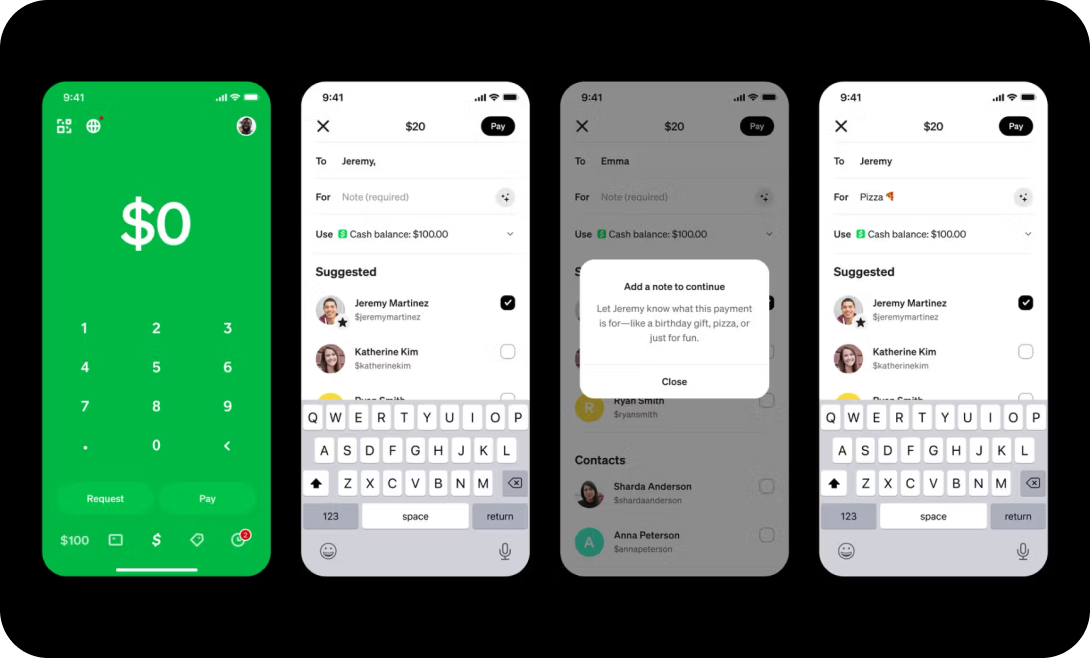
Understanding Initial Cash App Limits
When you first sign up for Cash App, without providing any personal verification beyond your phone number or email, you are considered an unverified user. This status comes with built-in restrictions on how much money you can send and receive. These initial limits are in place to minimize risk for both the platform and its users, complying with anti-money laundering (AML) and know-your-customer (KYC) regulations common across the financial industry.
Unverified User Restrictions
For unverified Cash App users, the standard limits are typically:
-
Sending Limit: You can send up to $250 within any 7-day period.
-
Receiving Limit: You can receive up to $1,000 within any 30-day period.
These figures are relatively low, making Cash App functional for very small, infrequent transactions but insufficient for regular or substantial financial transfers. For instance, if you’re splitting a dinner bill, these limits might suffice. However, if you’re trying to send rent money or pay for a significant purchase, you’ll quickly hit a roadblock. This necessitates a strategic approach to your financial activities if you plan to rely on Cash App beyond its basic functions.
Why Limits Exist
The implementation of these financial limits isn’t arbitrary. They serve several critical purposes from a financial regulatory and security standpoint:
-
Fraud Prevention: Lower limits for unverified accounts make it less attractive for fraudsters to use stolen credentials or commit financial crimes on a large scale.
-
Regulatory Compliance: Financial institutions, including apps like Cash App, are mandated to comply with federal regulations such as the Bank Secrecy Act (BSA) and its amendments (like the Patriot Act). These laws require tracking transactions and reporting suspicious activity to prevent money laundering and terrorist financing.
-
Risk Management: By incrementally increasing access based on verification, Cash App manages its own financial risk exposure. It ensures that it knows who its users are, especially when larger sums of money are involved.
-
User Protection: While sometimes inconvenient, these limits indirectly protect users by making it harder for unauthorized access to lead to significant financial loss quickly.
For anyone looking to use Cash App as a more robust personal finance tool, understanding that verification is not just an option but a necessity for broader access is key.
Increasing Your Sending Capacity: Verification Process
To move beyond the restrictive initial limits and unlock Cash App’s full potential for managing your personal finances, you must verify your identity. This process is standard practice across digital payment platforms and financial institutions, designed to meet regulatory requirements and enhance security.
Required Information
The verification process typically involves providing personal information that allows Cash App to confirm your identity. This usually includes:
-
Your full legal name
-
Your date of birth
-
The last four digits of your Social Security Number (SSN)
-
Your full street address
In some cases, Cash App may request additional documentation, such as a photo of a government-issued ID (driver’s license or state ID) or a selfie to confirm your identity further. This is a common step for financial tools to comply with stringent KYC requirements. The process is usually straightforward and can be completed directly within the app’s settings menu.
The Benefits of Verification
The primary benefit of verifying your identity is the significant increase in your transactional limits. However, there are other advantages that contribute to a more comprehensive financial experience:
-
Higher Transaction Limits: As detailed in the next section, verified users can send and receive substantially larger amounts of money.
-
Access to Advanced Features: Verification often unlocks other features like the ability to order a Cash Card (a customizable debit card linked to your Cash App balance), direct deposit services, and sometimes even investing in stocks or Bitcoin directly through the app. These features transform Cash App from a simple P2P payment tool into a more holistic financial management platform.
-
Enhanced Security: With a verified identity, Cash App has more information to protect your account. In case of suspicious activity or account access issues, having your identity on file makes it easier to recover your account and secure your funds.
For anyone serious about integrating Cash App into their routine financial planning, completing the verification process is a non-negotiable step.
Verified User Limits: Sending and Receiving
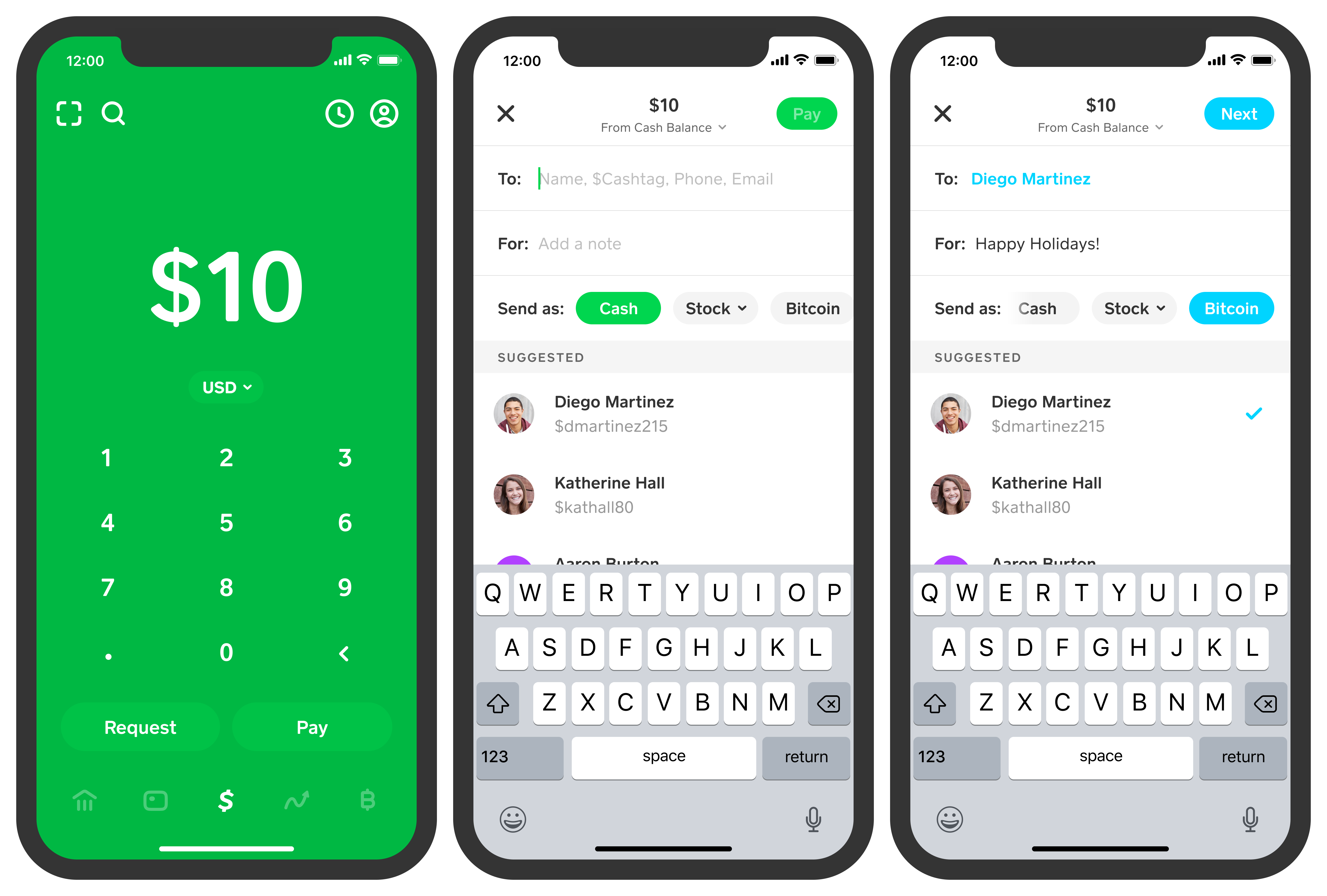
Once your identity has been successfully verified, Cash App significantly expands your transactional capabilities. These higher limits empower users to handle larger personal finance transactions, making the app viable for a wider range of financial needs.
Enhanced Sending Limits
For verified Cash App users, the standard sending limit increases dramatically:
-
You can send up to $7,500 per week. This means within any 7-day rolling period, you can transfer up to $7,500.
-
There is typically no daily sending limit for verified users. This flexibility is crucial for larger, one-off payments.
This substantial increase moves Cash App from a basic tool to a serious contender for everyday financial management, capable of handling payments like rent, significant purchases, or even small business transactions. It’s important for users to track their spending within the 7-day window to avoid hitting the weekly cap unexpectedly, which can disrupt financial plans.
Navigating Receiving Limits
While the focus is often on sending limits, it’s equally important to understand the receiving limits, especially for those who use Cash App to get paid (e.g., freelancers, small business owners, or those receiving financial support).
-
For verified users, the receiving limit typically increases to $10,000 per month. This is a significant jump from the unverified limit and accommodates many regular income streams or larger transfers.
-
Cash App does not usually impose a daily receiving limit for verified users.
However, it’s worth noting that while $10,000 per month is generous for many personal finance scenarios, it might still be a constraint for businesses with higher monthly inflows. Users must remain cognizant of these limits to ensure continuous cash flow and avoid potential delays in receiving funds. If you anticipate receiving amounts exceeding this, exploring alternative financial tools or a combination of methods becomes necessary.
Strategic Use of Cash App for Financial Management
Integrating Cash App into a broader personal finance strategy requires understanding its limits and how it compares to other financial tools. By doing so, users can maximize the app’s benefits while mitigating potential drawbacks.
Comparing Cash App with Other Financial Tools
When evaluating Cash App against traditional banks or other digital payment platforms, its limits play a significant role in its suitability for different financial needs.
-
Traditional Banks: Typically offer much higher (often effectively unlimited for personal accounts) transaction limits for transfers and payments, making them suitable for very large sums. They also provide more comprehensive financial services.
-
Other P2P Apps (e.g., PayPal, Venmo, Zelle): Zelle, often integrated directly into banking apps, generally boasts higher transaction limits than Cash App, sometimes ranging from $2,500 to $10,000 per day, depending on the bank. PayPal and Venmo also offer varied limits, often increasing with verification and account history, sometimes exceeding Cash App’s base limits for verified users.
Cash App’s strength lies in its simplicity and speed for routine, moderately sized transactions. For individuals managing side hustles, budgeting for shared expenses, or making quick personal transfers, Cash App’s verified limits are often more than adequate. For larger financial undertakings, a diversified approach combining Cash App with traditional banking or higher-limit payment services is often the most prudent strategy.
Overcoming Transactional Hurdles for Larger Funds
If your financial needs occasionally exceed Cash App’s verified limits, several strategies can help you navigate these hurdles:
-
Staggered Transfers: For amounts just over the weekly limit, you might consider splitting the payment into multiple transfers spread across two weeks. For example, if you need to send $10,000, you could send $7,500 in one week and the remaining $2,500 the following week. This requires careful planning and communication with the recipient.
-
Utilize Alternative Platforms: For consistently larger transactions, using a traditional bank transfer, wire transfer, or a different payment app with higher limits (like Zelle, if available through your bank) might be more efficient and appropriate.
-
Direct Deposit for Income: If you’re receiving significant income, arranging for direct deposit into your bank account rather than Cash App can bypass the app’s receiving limits and provide a more stable financial foundation. Cash App’s direct deposit feature is useful, but its monthly receiving limit can be a constraint for high-earners.
Security and Regulatory Compliance
The limits and verification processes on Cash App are deeply intertwined with financial security and regulatory compliance. These measures help protect users from common financial crimes:
-
Anti-Money Laundering (AML): By tracking and limiting large transactions, especially from unverified users, Cash App plays its part in preventing money laundering schemes.
-
Know Your Customer (KYC): The verification process is a core component of KYC, ensuring that the platform knows the identity of its users, which is vital for accountability and deterring illicit activities.
-
Fraud Detection: Transaction limits, combined with sophisticated monitoring systems, help Cash App detect and flag suspicious patterns that could indicate fraudulent activity, further safeguarding user funds.
While users might occasionally find limits restrictive, they are a fundamental part of maintaining a secure and legally compliant financial ecosystem.
Optimizing Your Cash App Experience for Personal Finance
To fully leverage Cash App as part of your personal finance toolkit, consider these practices:
-
Complete Verification Promptly: If you intend to use Cash App for anything beyond occasional small transfers, verify your identity as soon as possible to unlock higher limits and more features.
-
Monitor Your Limits: Keep track of your sending and receiving activities, especially if you regularly approach the weekly or monthly caps. This prevents unexpected transaction failures.
-
Understand Different Limits: Be aware that sending limits and receiving limits are distinct and operate on different timeframes (weekly for sending, monthly for receiving).
-
Diversify Your Financial Tools: For comprehensive personal finance management, avoid relying solely on one platform. Use Cash App for its strengths (quick, moderate transfers) and complement it with traditional banking services or other digital payment platforms for larger or more complex financial needs.
-
Prioritize Security: Always use strong, unique passwords for Cash App, enable two-factor authentication, and be wary of phishing attempts or unsolicited requests for money.
By understanding “how much you can send on Cash App” and the financial mechanisms behind these limits, users can make informed decisions, manage their money more effectively, and ensure their digital financial interactions are both convenient and secure.
aViewFromTheCave is a participant in the Amazon Services LLC Associates Program, an affiliate advertising program designed to provide a means for sites to earn advertising fees by advertising and linking to Amazon.com. Amazon, the Amazon logo, AmazonSupply, and the AmazonSupply logo are trademarks of Amazon.com, Inc. or its affiliates. As an Amazon Associate we earn affiliate commissions from qualifying purchases.