
In the rapidly evolving landscape of digital finance, tools like Cash App have become integral to managing personal funds, facilitating peer-to-peer payments, and even investing. While a debit card often serves as the most straightforward method for loading funds into a digital wallet, various circumstances might necessitate alternative approaches. Understanding these alternative methods is crucial for maintaining financial flexibility and ensuring uninterrupted access to your funds within the Cash App ecosystem. This guide explores the secure and effective ways to add money to your Cash App account without relying on a debit card, focusing on methods that enhance your overall personal finance management.

The Importance of Diversified Funding Methods for Digital Financial Tools
Relying on a single method for funding any financial tool can introduce vulnerabilities and limitations. For digital wallets like Cash App, having multiple avenues to add funds ensures resilience and adaptability, critical components of sound personal financial planning. Diversified funding methods not only offer convenience but also cater to various financial scenarios, from setting up recurring deposits to handling unexpected cash inflows.
Why Cash App’s Flexibility Enhances Personal Finance
Cash App’s design, which accommodates several funding sources beyond just a debit card, significantly enhances its utility as a personal finance tool. This flexibility allows users to integrate Cash App seamlessly into their broader financial strategy, whether it’s for managing a specific budget, receiving income, or sending money to others. By enabling multiple deposit options, Cash App empowers users to consolidate funds from various sources into a single, accessible digital wallet. This can be particularly beneficial for individuals who might not possess a traditional bank account or a linked debit card, offering them a gateway to digital transactions and financial inclusion. It democratizes access to digital financial services, allowing a wider demographic to participate in the digital economy.
Overcoming Common Roadblocks to Funding Your Digital Wallet
Circumstances like a lost or expired debit card, a preference for not linking a primary banking card, or even simply needing to convert physical cash into a digital balance can present roadblocks to traditional funding. Understanding and utilizing alternative methods bypasses these issues, ensuring that your financial operations remain unhindered. This preparedness is a cornerstone of effective financial management, allowing you to adapt to unforeseen situations without disrupting your access to funds. Moreover, for individuals managing multiple accounts or separating funds for different purposes (e.g., budgeting for specific expenses), varied deposit methods offer a practical solution, preventing commingling of funds and enhancing financial clarity.
Linking Your Bank Account Directly: A Secure and Common Method
One of the most robust and widely used alternatives to a debit card for funding Cash App is directly linking your traditional bank account. This method provides a secure conduit for transferring funds, leveraging established banking infrastructure.
Understanding ACH Transfers and Their Financial Implications
When you link your bank account to Cash App and initiate a deposit, you’re typically engaging in an Automated Clearing House (ACH) transfer. ACH is a U.S. financial network used for electronic payments and money transfers. These transfers are generally secure and cost-effective, but they differ from debit card transactions in terms of processing time. ACH deposits usually take 1-3 business days to clear, meaning funds won’t be instantly available as they might be with a debit card. From a financial planning perspective, understanding this latency is crucial, especially when scheduling payments or needing immediate access to funds. While direct debits are initiated by the merchant (Cash App, in this case), they are subject to bank verification processes, ensuring a layer of security for your financial assets.
Step-by-Step Guide to Connecting Your External Bank Account
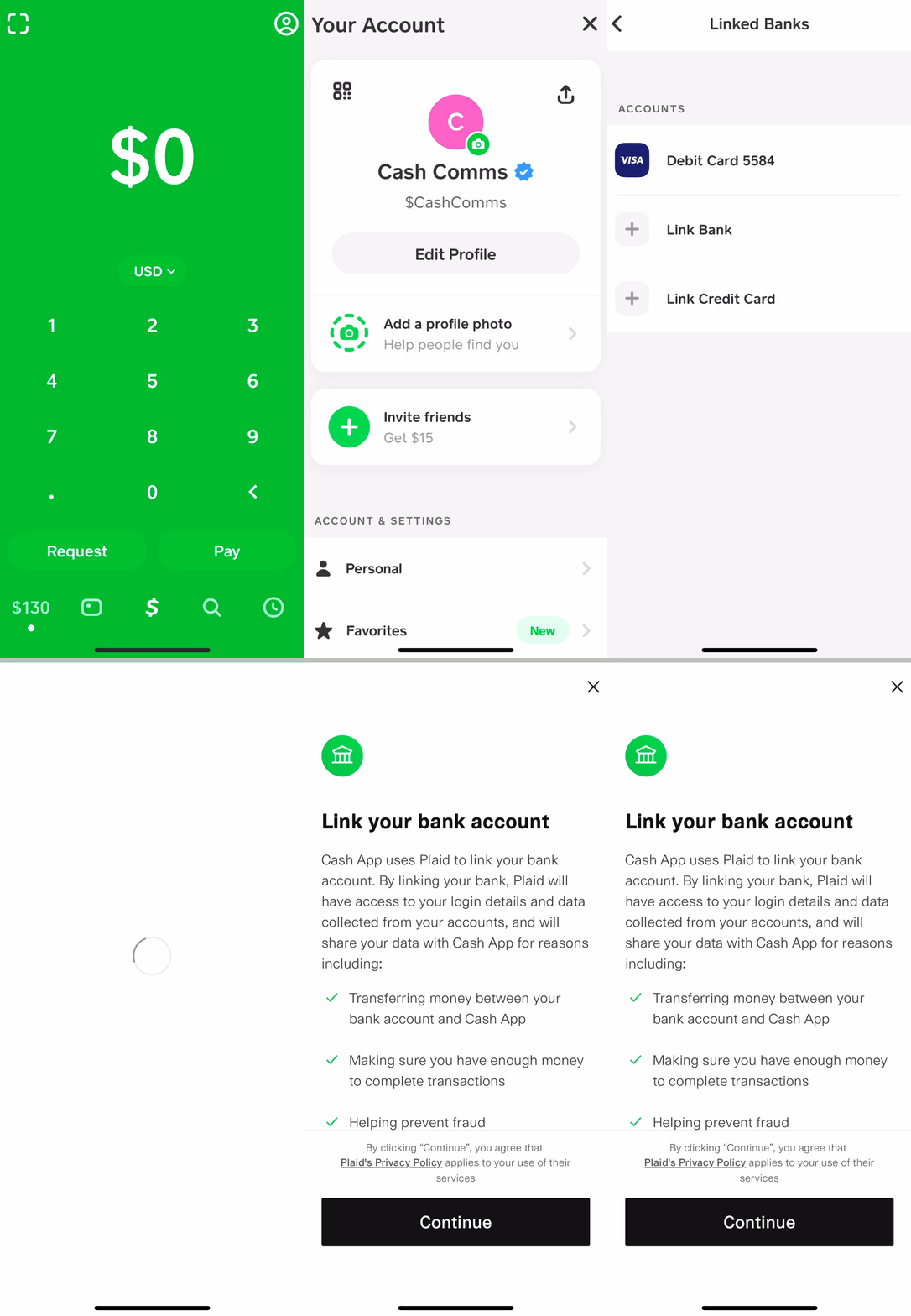
To link your bank account, navigate to the Banking tab on your Cash App home screen (often represented by a house icon or your balance). Select “Link Bank” and follow the prompts. You’ll typically be asked to search for your bank and then securely log in using your online banking credentials. This process uses a secure third-party service (like Plaid) to verify your account details without Cash App ever storing your banking login information directly. Once linked, you can initiate transfers directly from your bank account to your Cash App balance. This method is preferred by many for its low cost and high security, as it avoids direct sharing of sensitive card information.
Best Practices for Managing Linked Financial Accounts and Data Security
When linking bank accounts, always ensure you’re using a strong, unique password for your online banking. Regularly review your Cash App activity and bank statements to spot any unauthorized transactions. While Cash App and its partners employ robust security measures, your vigilance is the first line of defense. Consider linking a secondary bank account if you’re uncomfortable linking your primary checking account, or maintain a balance in the linked account specifically for Cash App transactions to limit potential exposure. Understanding the terms of service for both Cash App and your bank regarding linked accounts is also vital for informed financial decision-making.
Harnessing Direct Deposit for Automatic Fund Integration
For individuals receiving regular income, setting up direct deposit to your Cash App account offers an incredibly convenient and financially sound method for funding, eliminating the need for manual transfers.
Setting Up Payroll Direct Deposit to Your Cash App Account
Cash App provides unique routing and account numbers for each user, allowing it to function similarly to a traditional bank account for direct deposit purposes. To set this up, go to the Banking tab, select “Direct Deposit,” and you’ll find your routing and account numbers. You then provide these details to your employer’s payroll department, often by filling out a direct deposit form. This method automates your funding, ensuring your wages are deposited directly into your Cash App balance on payday. It’s an excellent way to manage a specific portion of your income, perhaps for budgeting or saving towards a particular goal, completely bypassing the need for a physical bank and debit card.
Receiving Government Payments and Other Income Streams
Beyond regular payroll, Cash App direct deposit can also be utilized for receiving various government benefits, tax refunds, and other forms of income. This provides a streamlined process for individuals who might prefer to receive such funds directly into their digital wallet for immediate use or budgeting. The efficiency of direct deposit minimizes delays often associated with paper checks and provides instant access to funds once deposited, making it a powerful tool for managing diverse income sources within a single financial ecosystem.
The Financial Benefits of Automated Funding
Automated funding through direct deposit offers several financial advantages. It promotes consistency in your digital wallet’s balance, facilitating easier budgeting and expense tracking. It eliminates transaction fees that might be associated with other deposit methods and saves time that would otherwise be spent on manual transfers. For those aiming to build savings or manage specific spending categories, directing a portion of their income directly to Cash App can be a disciplined approach to financial goal attainment. This automation also reduces the risk of forgetting to fund your account, ensuring funds are always available when needed for payments or investments.
Utilizing Paper Money Deposits: Converting Physical Cash to Digital Funds
While Cash App is primarily a digital platform, it provides a crucial bridge between physical cash and your digital balance through its paper money deposit feature. This is particularly useful for individuals who frequently deal with cash or prefer not to use electronic methods for initial funding.
Locating Participating Retailers for Cash App Deposits
Cash App has partnered with various retail locations, including popular stores like Walmart, Walgreens, 7-Eleven, and Dollar General, to facilitate paper money deposits. To find the nearest participating location, navigate to the Banking tab in your Cash App, tap on “Paper Money,” and then “Show Map.” The app will display nearby stores where you can convert your physical cash into a digital balance. This widespread availability makes it a convenient option for many users across different geographies.
The Transaction Process and What to Expect
Once you’re at a participating retailer, inform the cashier that you wish to add money to your Cash App. They will typically ask to scan a barcode from your Cash App. To generate this barcode, go to the Banking tab, tap “Paper Money,” and then “Show Barcode.” The cashier scans this barcode, you hand over your cash (plus any applicable fee), and the funds are usually added to your Cash App balance instantly. It’s important to count your cash carefully before handing it over and to ensure the correct amount is reflected in your Cash App immediately after the transaction. Always retain any receipt provided by the retailer for your records.
Understanding Deposit Limits and Associated Transaction Fees
It’s important to be aware of the limits and potential fees associated with paper money deposits. Cash App typically sets a per-transaction limit (e.g., $500 or $1,000) and a rolling 7-day and 30-day limit for these deposits. Furthermore, retailers may charge a small convenience fee for this service, usually around $1 to $4 per deposit. While these fees are generally low, they can add up if you make frequent cash deposits. Incorporating these fees into your financial planning is crucial to accurately track your net funds available in Cash App. Understanding these parameters helps you make informed decisions about when and how often to use this method to manage your cash effectively.
Leveraging Peer-to-Peer Transfers and External Payments
Cash App’s foundational strength lies in its peer-to-peer (P2P) payment system, which also serves as a vital method for adding funds to your account, especially when a debit card isn’t an option.
Requesting Money from Others: A Simple Financial Request
If a friend, family member, or colleague owes you money or is sending you funds, they can easily send it to your Cash App account. You can send them a “request” for money directly through the app, specifying the amount. They will then receive a notification and can approve the payment, which will be deposited directly into your balance. This is an efficient and free method for receiving funds, bypassing the need for bank transfers or physical cash exchanges, making it an excellent tool for splitting bills, receiving repayments, or getting financial support from others.
Accepting Payments from Businesses or Clients
For freelancers, small business owners, or individuals selling goods or services, Cash App can serve as a payment portal. By providing your $Cashtag (your unique Cash App identifier) or your phone number/email linked to your account, clients or customers can send you payments directly. This is a convenient alternative to traditional invoicing or credit card processing, especially for small-scale transactions. The funds are usually available instantly, offering quick access to your business income without needing a linked debit card for the initial deposit.
Integrating Other Financial Platforms for Seamless Transfers
While Cash App directly integrates with traditional banks, you might also receive funds from other digital financial platforms or services that allow transfers to a Cash App account. For instance, some online income platforms might offer direct payouts to your Cash App account using its routing and account numbers, or through your linked email/phone. Exploring these integration possibilities can further diversify your income channels into your digital wallet, ensuring a fluid movement of funds across your various financial tools without ever touching a debit card. This inter-platform connectivity streamlines financial management for those navigating multiple online income streams or investment platforms.
Strategic Financial Management Through Non-Debit Card Deposits
Utilizing diverse deposit methods for Cash App isn’t just about convenience; it’s a strategic approach to personal financial management. It allows for greater control, flexibility, and security in handling your money.
Budgeting and Expense Tracking with a Funded Cash App
With funds consistently added to your Cash App through various non-debit card methods (direct deposit, linked bank account, cash deposits, P2P transfers), you can leverage the app for focused budgeting. Assigning specific funding sources to your Cash App for certain expense categories (e.g., direct deposit for groceries, P2P for social outings) can help track spending more accurately. By keeping a distinct portion of your budget within Cash App, separate from your main bank account, you gain clearer visibility into your spending patterns for particular categories, enhancing your ability to stick to financial goals.
Building an Emergency Fund or Savings Through Varied Deposits
Cash App can also play a role in building an emergency fund or savings. By routinely directing a small portion of your direct deposit or setting up recurring transfers from a linked bank account, you can passively accumulate funds within the app. While Cash App is not a dedicated savings account with interest, its accessibility and ease of funding make it a viable tool for holding short-term savings or a readily available emergency buffer. The flexibility of deposits means you can easily allocate funds from different sources towards this goal, fostering a disciplined approach to saving without needing a debit card to initiate the transfers.

The Role of Cash App in a Broader Personal Financial Strategy
Integrating Cash App’s varied deposit capabilities into a comprehensive personal financial strategy involves seeing it as more than just a payment app. It can function as a secondary wallet for specific expenses, a convenient receiver of income, or a conduit for quick, low-cost transfers. By understanding and utilizing its full range of funding options, individuals can create a more resilient and adaptable financial ecosystem. This approach enhances control over spending, simplifies income management, and provides robust alternatives for accessing and managing money, ensuring financial liquidity and flexibility even without a traditional debit card.
aViewFromTheCave is a participant in the Amazon Services LLC Associates Program, an affiliate advertising program designed to provide a means for sites to earn advertising fees by advertising and linking to Amazon.com. Amazon, the Amazon logo, AmazonSupply, and the AmazonSupply logo are trademarks of Amazon.com, Inc. or its affiliates. As an Amazon Associate we earn affiliate commissions from qualifying purchases.