
In the rapidly evolving landscape of personal finance, digital tools like Cash App have become indispensable for managing daily transactions, sending money, and even making investments. At the core of leveraging Cash App’s full suite of financial functionalities lies the crucial step of linking a bank card. This foundational connection transforms Cash App from a mere application into a powerful extension of your personal banking, enabling seamless money movement and access to various wealth-building features. Understanding this process is not just about technical steps; it’s about unlocking greater financial flexibility, control, and security in your digital economy.
The Foundational Step for Seamless Personal Finance
Effectively managing your personal finances in the digital age requires tools that are both efficient and secure. Cash App, with its robust features, stands out as a significant financial instrument. However, its true potential for personal finance management is realized only when adequately funded and connected to your primary financial institutions.
Why Linking a Bank Card is Crucial
A linked bank card serves as the primary conduit for funds to flow into and out of your Cash App account. Without this connection, your ability to conduct essential financial transactions is severely limited. You cannot easily send money to friends, family, or vendors; you cannot instantly add funds to your Cash App balance for spending; nor can you transfer your Cash App balance back to your traditional bank account. More importantly, linking a debit card (Cash App primarily supports debit cards for funding) directly enables features like direct deposit, access to investing in stocks and Bitcoin, and the ability to utilize the Cash App Card for everyday purchases. This integration ensures that your digital wallet is always aligned with your broader financial ecosystem, providing immediate liquidity and transaction capability crucial for dynamic personal finance. It bridges the gap between your traditional banking and the agile world of digital payments, making financial operations smoother and more immediate.
Understanding Cash App as a Financial Tool
While often perceived primarily as a peer-to-peer payment service, Cash App has evolved into a comprehensive financial tool that can play a strategic role in an individual’s financial planning. Beyond instant money transfers, it offers opportunities for micro-investing in fractional shares of stocks and Bitcoin, allowing users to participate in market growth with relatively small amounts of capital. The platform also provides a Cash App Card, a customizable debit card that draws directly from your Cash App balance, offering spending control and various ‘Boosts’ for instant savings at specific merchants. Furthermore, its direct deposit feature allows users to receive paychecks directly into their Cash App account, streamlining income management. By linking a bank card, you empower these features, turning Cash App into a versatile hub for managing income, expenses, and even nascent investment strategies, all from a single mobile interface.
A Step-by-Step Guide to Connecting Your Funds
Adding your bank card to Cash App is a straightforward process designed for user convenience, yet it’s critical to perform each step accurately to ensure the security and functionality of your financial connection. This process securely links your external bank account, enabling a seamless flow of funds.
Initiating the Process
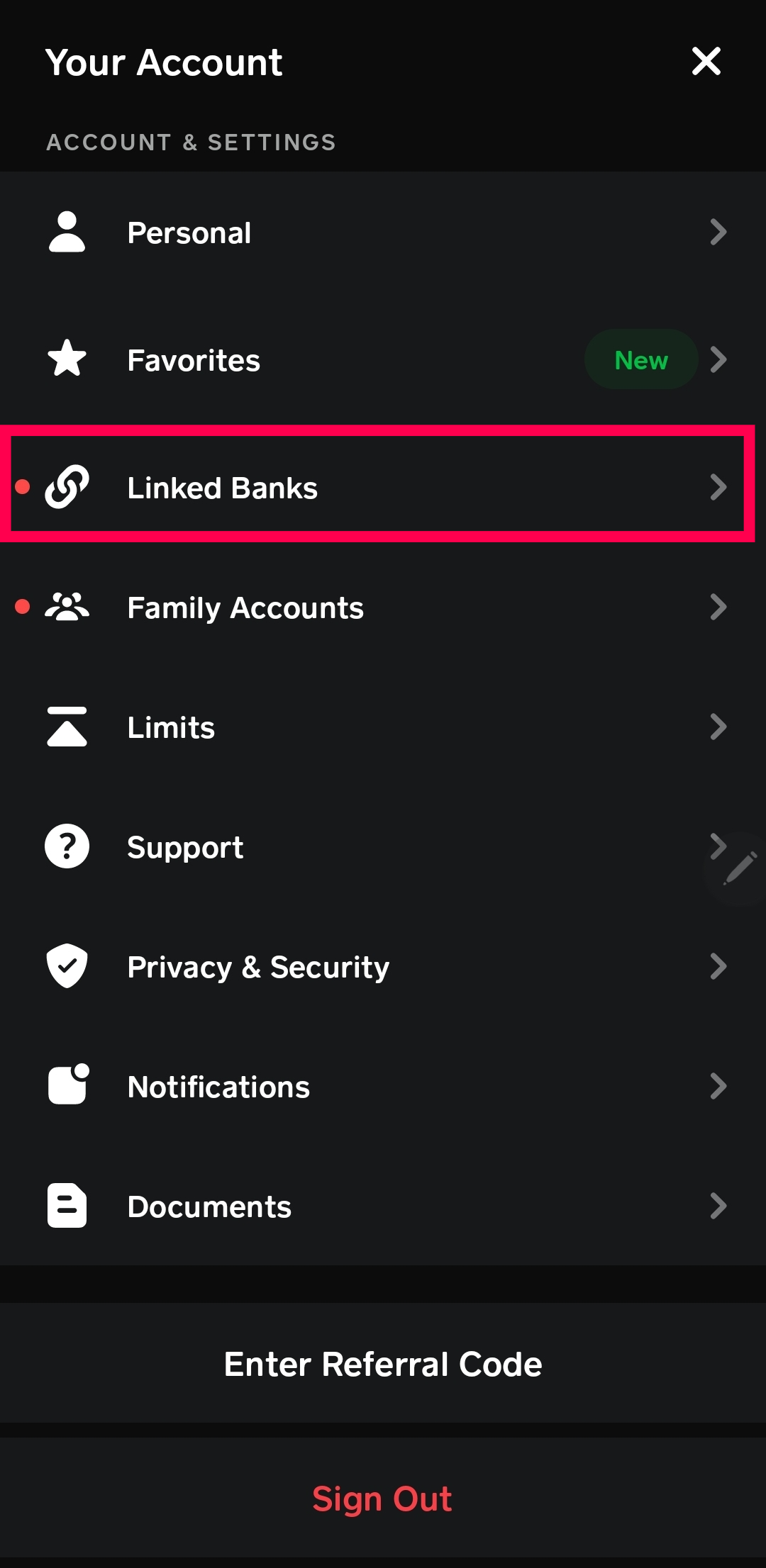
To begin, open the Cash App on your mobile device. The main screen typically displays your Cash App balance. Navigate to your profile by tapping the profile icon, which is usually a circular icon located in one of the corners of the screen (often the top right). This icon serves as your personal financial management hub within the app. Within your profile menu, locate and tap on the “Linked Banks” or “Add Bank” option. This section is specifically designed for managing your payment methods and financial connections, centralizing all tools related to funding and withdrawing money from your Cash App account. It’s the gateway to establishing the link between your traditional bank and your digital wallet.
Entering Your Card Details
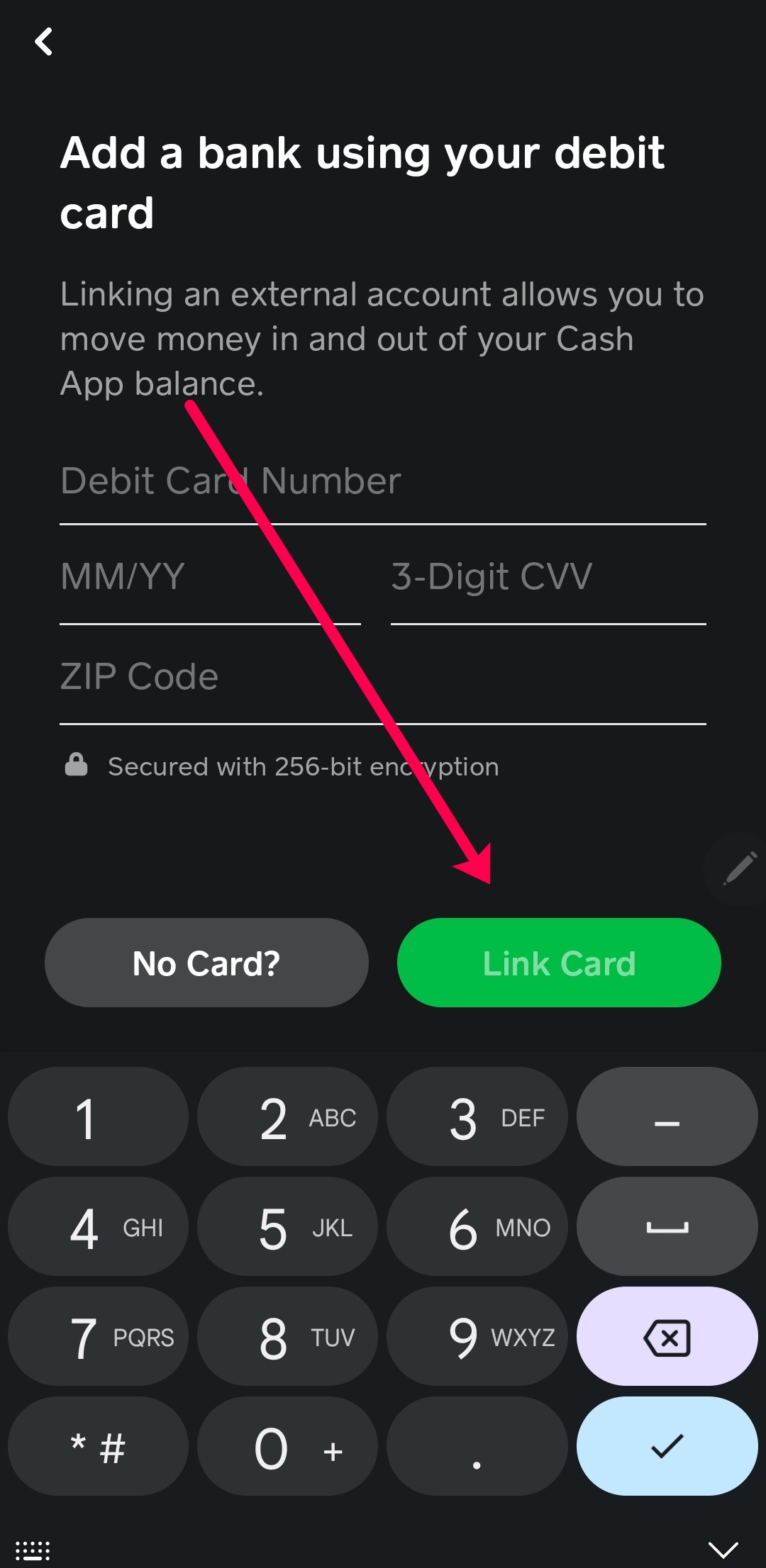
Once you select to add a bank, Cash App will prompt you to enter your debit card information. It is crucial to use a debit card rather than a credit card, as Cash App primarily supports debit cards for funding and linking to your bank account directly. Carefully input the 16-digit card number found on the front of your debit card. Next, enter the expiration date (month/year) and the CVV (Card Verification Value), which is the 3-digit security code usually located on the back of your card, often near the signature strip. Ensure all details are typed correctly to avoid errors that could prevent successful linking. These details are essential for verifying your ownership of the card and authorizing future financial transactions, thereby safeguarding your funds and preventing unauthorized access. Double-checking these numerical inputs can save time and frustration later.
Verification and Confirmation
After entering your debit card details, Cash App may require additional verification to confirm the link between your card and your bank account. This verification step is a critical security measure designed to protect your financial assets. In some cases, Cash App might prompt you to log in to your online banking portal directly through a secure in-app browser. This allows for instant verification of your bank account details. Alternatively, Cash App might employ a micro-deposit verification method, where small, typically penny-sized, amounts are deposited into and then withdrawn from your bank account. You would then be asked to confirm these exact amounts within the Cash App. Once successfully verified, your debit card will be officially linked, and you will receive a confirmation message within the app, signaling that your Cash App is now fully integrated with your bank account, ready for all financial transactions.
Maximizing Your Money Management with a Linked Card
A linked bank card transforms Cash App into a versatile instrument for managing various aspects of your personal finances, extending beyond simple peer-to-peer payments. This integration unlocks capabilities that enhance financial control, convenience, and opportunities for wealth growth.

Instant Transfers and Payments
The most immediate benefit of a linked bank card is the ability to perform instant money transfers. Whether you need to pay a friend back, send money to family, or cover an urgent expense, funds can be moved directly from your linked bank account to your Cash App balance or sent directly to another user. This instant liquidity is invaluable for managing unexpected financial needs or maintaining smooth social transactions without the delays associated with traditional bank transfers. For businesses or individuals relying on quick payments, this feature ensures that funds are readily available, fostering efficiency in financial dealings.
Budgeting and Tracking Spending
While Cash App is not a dedicated budgeting application, having your debit card linked allows you to funnel certain expenditures through the platform. All transactions conducted via Cash App—whether sending money, using the Cash App Card, or making investments—are meticulously recorded within your activity feed. Regularly reviewing this activity provides a clear, real-time snapshot of your spending habits within the app. This data can be invaluable for personal budgeting, helping you identify spending patterns, track categories of expenditure, and make more informed financial decisions. By observing where your money goes, you gain better control over your cash flow and can adjust your budget accordingly.
Accessing Investment Features
One of the most compelling aspects of Cash App for personal finance is its integrated investing platform. A linked bank card is fundamental for funding these investments. With your card connected, you can easily transfer funds to purchase fractional shares of stocks or Bitcoin directly within the app. This democratizes investing, allowing individuals to start building wealth with small amounts, reducing the barrier to entry typically associated with traditional brokerage accounts. For those looking to diversify their financial portfolio or dip their toes into the world of cryptocurrency, the linked bank card serves as the direct pipeline from your disposable income to your investment ventures, aligning your daily financial activities with your long-term wealth accumulation goals.
Direct Deposit and Bill Pay Convenience
Cash App extends its utility further by offering direct deposit capabilities, which allows you to receive paychecks, tax refunds, or government benefits directly into your Cash App account using a unique routing and account number. With a linked debit card, you gain the flexibility to immediately transfer these deposited funds back to your traditional bank account if needed, or utilize them directly from your Cash App balance. This streamlines the income reception process. Furthermore, for some users, the Cash App Card can be used for online bill payments, essentially allowing you to pay various expenses directly from your Cash App balance, which can be easily topped up from your linked bank card. This level of integration consolidates more of your financial life within one accessible platform, simplifying money management.
Safeguarding Your Financial Information
In the digital age, the security of your financial information is paramount, especially when using financial tools like Cash App. Protecting your linked bank card details and transaction history requires proactive measures and an awareness of common threats.
Best Practices for Security
To protect your financial data on Cash App, adopt robust security habits. Always use a strong, unique password for your account, combining letters, numbers, and special characters. Enable two-factor authentication (2FA) for an added layer of security; this typically involves verifying your login with a code sent to your phone or email, making it significantly harder for unauthorized individuals to access your account even if they have your password. Regularly review your transaction history within the app to quickly identify any unfamiliar or suspicious activities. It’s also wise to link your Cash App to an email address and phone number that are exclusively yours and regularly monitored. Never share your password, PIN, or any verification codes with anyone, under any circumstances.
Recognizing and Avoiding Scams
Cash App users are frequently targeted by various financial scams. Be vigilant for phishing attempts, which often come in the form of fake emails or text messages masquerading as Cash App support, attempting to trick you into revealing sensitive information like your login credentials or card details. Always verify the sender’s identity. Beware of “cash-flipping” scams or schemes promising unrealistic returns on investments; legitimate financial growth rarely involves guaranteed, exorbitant profits without risk. Never send money to someone you don’t know personally, especially if they claim you need to send money to “unlock” a larger sum. Cash App support will never ask you for your PIN or to send them money. If an offer seems too good to be true, it almost certainly is a financial trap.
What to Do If You Encounter Issues
If you suspect unauthorized activity on your account, notice a financial discrepancy, or believe your information has been compromised, immediate action is crucial. First, change your Cash App PIN and password. Then, promptly contact Cash App support through the official app or website. Do not rely on contact information found through search engines, which could lead to fraudulent support lines. Report the suspicious activity, providing as much detail as possible, including transaction dates, amounts, and any relevant communication. Acting quickly can help mitigate potential financial losses and ensure your account’s security. Cash App has measures in place to investigate and resolve security breaches, but timely reporting is key to their effectiveness.
Troubleshooting Common Issues and Optimizing Usage
Even with a streamlined process, linking a bank card to Cash App can sometimes encounter hiccups. Understanding common issues and optimizing your approach can ensure a smooth financial experience.
Card Not Linking: Common Roadblocks
If your debit card isn’t linking to Cash App, several common issues could be at play. First, double-check that all the entered card details – the 16-digit number, expiration date, and CVV – are correct. A single typo can prevent the link. Ensure the card is a valid debit card issued by a financial institution, as some prepaid cards or credit cards may not be supported for direct linking to fund transfers. Your bank might also have internal restrictions on linking to third-party apps; in such cases, contacting your bank directly can resolve the issue. An expired card or one that has been flagged for suspicious activity by your bank will also fail to link. Lastly, ensure your Cash App version is up to date, as older versions might have compatibility issues. Resolving these simple oversights often fixes the problem, restoring your ability to manage funds effectively.
Updating or Removing a Card
Maintaining current financial information is vital for uninterrupted service. If your debit card expires, is lost, stolen, or replaced, you’ll need to update your card details or remove the old card and add a new one. To do this, navigate back to the “Linked Banks” section within your Cash App profile. Here, you’ll see your currently linked cards. You can tap on an existing card to view its details, where options to “Replace Card” or “Remove Card” are typically available. When replacing, you’ll follow a similar process to initially adding a card, entering the new card’s details. Regularly updating your payment methods ensures that your financial transactions on Cash App remain seamless and secure, avoiding delays or rejections due to outdated information.
Leveraging Multiple Funding Sources
For enhanced financial flexibility and strategic money management, consider linking multiple funding sources to your Cash App. You can link more than one debit card from different bank accounts, or even link directly to a bank account via its routing and account numbers. This allows you to choose which source to draw funds from when adding money to your Cash App balance or sending payments. For instance, you might use one card for daily expenses and another for investment transfers, or keep a separate account for specific financial goals. Having diverse funding options provides greater control over your cash flow, helps manage different aspects of your personal budget, and offers a valuable fallback if one card or bank account encounters an issue. This multi-source approach contributes to a more robust and adaptable personal financial strategy within the digital environment.
aViewFromTheCave is a participant in the Amazon Services LLC Associates Program, an affiliate advertising program designed to provide a means for sites to earn advertising fees by advertising and linking to Amazon.com. Amazon, the Amazon logo, AmazonSupply, and the AmazonSupply logo are trademarks of Amazon.com, Inc. or its affiliates. As an Amazon Associate we earn affiliate commissions from qualifying purchases.