
Navigating the digital landscape of personal finance tools like Cash App offers unparalleled convenience, allowing for instant money transfers, payments, and investments. However, this speed and ease can also introduce complexities when a transaction goes awry. Unlike traditional banking where reversals are more common, the instantaneous nature of Cash App payments often presents significant hurdles to recovering funds. Understanding the mechanisms, limitations, and best practices is crucial for anyone seeking to retrieve money lost through accidental transfers, unauthorized transactions, or fraudulent schemes. This guide delves into the financial realities of Cash App refunds, outlining actionable steps and preventative measures to protect your money.
Navigating the Instant Payment Landscape: Understanding Cash App’s Refund Realities
Cash App operates on a peer-to-peer (P2P) model, designed for immediate and often irreversible transactions. This fundamental characteristic underpins much of the challenge in recovering funds once they have been sent. Unlike credit card purchases which often come with built-in consumer protections and chargeback mechanisms, or even traditional bank transfers that might have a brief window for cancellation, Cash App payments are typically final.
The Irreversibility of Instant Transfers
When you send money via Cash App, it is typically deposited into the recipient’s account within seconds. This speed is a core feature, but it means there’s no inherent “recall” button or grace period for reversing a payment. Once the money hits the recipient’s account, Cash App’s direct control over those funds diminishes significantly. This contrasts sharply with the layered fraud protection and dispute resolution processes common with credit card issuers or even PayPal, which often acts as an intermediary. For personal finance, this implies a higher degree of personal responsibility for verifying transactions before initiating them.
Distinguishing Between Payment Types
The likelihood of recovering funds on Cash App heavily depends on the nature of the transaction error. It’s vital to distinguish between:
-
Accidental Sends: You intentionally sent money, but to the wrong person or for the wrong amount. In this scenario, the transaction was authorized by you.
-
Unauthorized Transactions: Your Cash App account was accessed and used by someone else without your permission, often due to compromised login credentials or a stolen device.
-
Scams and Fraud: You intentionally sent money to a scammer under false pretenses, believing you would receive something in return (e.g., a prize, a loan, an investment return) that never materialized.
Each scenario demands a different approach, with varying degrees of potential success for recovery. Unauthorized transactions typically have stronger pathways for dispute through Cash App or your linked financial institution, whereas accidental sends and scam-related losses are often far more difficult to reverse. For scams, because you authorized the payment, even if under deceit, it often falls outside the traditional definition of fraud from a payment processor’s perspective, placing a greater burden on the user.
Cash App’s Role as a Payment Facilitator
Cash App primarily acts as a facilitator for transactions, connecting your bank account or debit card to a digital wallet. Their terms of service reflect this role, often emphasizing that users are responsible for verifying recipient details before sending money. While they do offer dispute resolution services for unauthorized transactions, their capacity to intervene in disputes between users (e.g., an accidental send where the recipient refuses to return funds) is limited. They cannot force a recipient to return money in cases of user error or a voluntary payment, even if that payment was made to a scammer. This places the onus squarely on the user to exercise due diligence, a fundamental principle of sound personal financial management in the digital age.
Immediate Actions for Accidental or Disputed Transactions
When you realize a transaction has gone wrong on Cash App, swift action is paramount. The quicker you act, the higher the (albeit often slim) chance of recovery. Each step should be documented carefully, as this information will be vital if escalation is required.
Attempting a Direct Refund Request
For accidental sends or if you paid a legitimate business for goods/services you didn’t receive, the first and most direct approach is to request a refund from the recipient within the app.
-
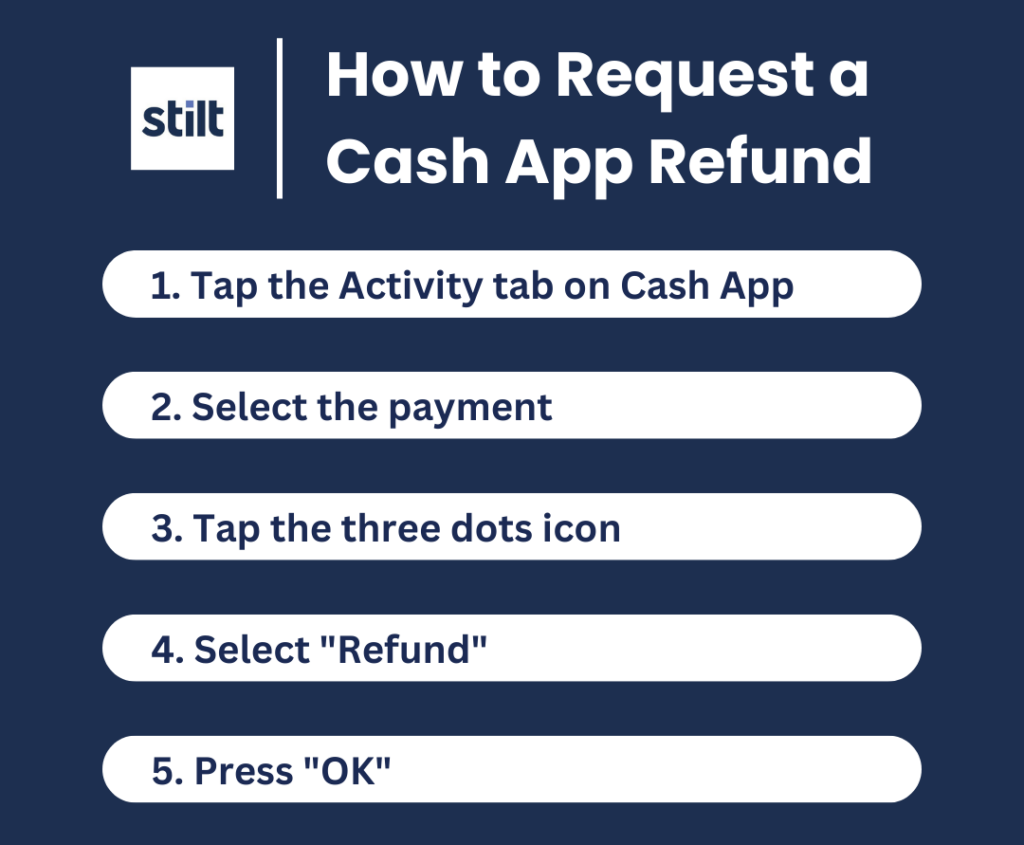
Locate the Transaction: Open your Cash App, tap the Activity tab (the clock icon) on your home screen.
-
Select the Transaction: Find the specific payment you wish to dispute or recall.
-
Initiate Refund Request: Tap on the transaction, then scroll down and tap “…” or “Report a Problem” or “Request a Refund.” The exact wording might vary.
-
Confirm Request: Follow the prompts to send a refund request to the recipient.
It’s crucial to understand that this is merely a request. The recipient is under no obligation to comply. If it was an accidental send to a stranger, they might not respond or might refuse. If it was a merchant, their refund policy would dictate their response. For personal finance, this highlights the risk associated with direct P2P payments where recourse is reliant on the other party’s goodwill.
Contacting Cash App Support for Assistance
If a direct refund request is unsuccessful, or if you suspect an unauthorized transaction, contacting Cash App support is the next step.
-
Within the App: Tap the profile icon on your Cash App home screen, scroll down and tap “Support,” then “Something Else.” Describe your issue. This is generally the fastest way to get in touch.
-
Via Website: Visit Cash App’s support page on their website.
-
Provide Details: When contacting support, be prepared with all relevant details: transaction ID, amount, date, recipient’s Cashtag (if known), and a clear explanation of what happened.
Cash App support can investigate unauthorized transactions (e.g., if your account was hacked). They may also assist in merchant disputes, but their ability to force a refund from another user for an accidental send is highly limited. For scam cases, they will often advise you to report the activity but typically cannot recover funds you voluntarily sent. They may, however, take action against the scammer’s account.
The Crucial Role of Your Linked Bank or Card Provider
When all else fails, or if the loss is significant, contacting the financial institution linked to your Cash App account (your bank for debit card payments, or your credit card issuer) is a critical step, particularly for unauthorized transactions. This is often your strongest avenue for recourse.
-
Debit Card Payments (Direct from Bank Account): Contact your bank immediately. Report the unauthorized transaction as fraud. Banks offer different levels of protection for debit card fraud compared to credit cards, often falling under the Electronic Fund Transfer Act (EFTA) regulations. There are strict deadlines for reporting, so act fast.
-
Credit Card Payments: If you linked a credit card to Cash App, you have stronger consumer protections under the Fair Credit Billing Act (FCBA). Contact your credit card issuer to dispute the charge. This is known as initiating a “chargeback.” Provide all documentation, including your attempts to resolve it with Cash App.
Important Considerations for Chargebacks:
-
Impact on Cash App Account: Initiating a chargeback can sometimes lead to your Cash App account being suspended or closed, as it bypasses their internal dispute resolution process. Weigh this consequence against the amount lost.
-
Justification Required: You’ll need to provide clear evidence that the transaction was unauthorized or that you did not receive the goods/services as promised. Accidental sends where you authorized the payment will be harder to dispute successfully through a chargeback.
-
Time Limits: Banks and credit card companies have deadlines for disputing transactions. Don’t delay.
This strategy leverages external financial regulations to protect your assets, a key component of robust personal financial planning.
Strategies for Recovering Funds Lost to Scams and Fraud
Scams represent a particularly challenging category for fund recovery because, from a technical standpoint, you often authorized the payment, even if you were deceived. Cash App’s role in these scenarios is primarily to assist in reporting the fraudulent activity, not necessarily to recover your money directly.
Identifying Common Cash App Scams
Awareness is the first line of defense. Common Cash App scams include:
-
Cash Flipping/Money Flipping: Promises to multiply your money if you send a smaller amount.
-
Giveaways/Prizes: Notifying you that you’ve won a large sum but need to send a “fee” to unlock it.
-
Fake Customer Support: Scammers impersonating Cash App support to gain access to your account or trick you into sending money.
-
Puppy Scams/Online Purchase Scams: Paying for goods or services that are never delivered.
-
Romance Scams: Developing a relationship online and then asking for money for emergencies or travel.
In all these cases, the scammer manipulates you into making a legitimate payment to their account.
Reporting Fraudulent Activity to Cash App
If you’ve been scammed, report the activity to Cash App immediately through the in-app support or their official website.
-
Report the Scammer’s Account: Provide the scammer’s Cashtag, transaction details, and a clear explanation of how you were scammed.
-
Block the Scammer: Prevent further communication or requests.
While Cash App may investigate the scammer’s account and potentially suspend it, they generally state they cannot guarantee money recovery for scams where you voluntarily sent funds. This is a critical distinction in financial liability.
Legal Avenues and Law Enforcement Reporting
For significant financial losses due to scams, consider reporting the incident to law enforcement.
-
Local Police: File a police report in your jurisdiction. While local police may have limited capacity to investigate digital scams, a report creates an official record.
-
Federal Agencies: Report to the FBI’s Internet Crime Complaint Center (IC3.gov). The Federal Trade Commission (FTC) also collects scam reports at ReportFraud.ftc.gov.
-
Financial Advisors/Legal Counsel: For very substantial losses, consult a financial advisor or attorney specializing in fraud to explore any remaining options, though these are often limited for P2P scam recovery.
Managing expectations is crucial here. While reporting helps authorities track scammers and potentially prevent others from falling victim, the chances of directly recovering your money through these avenues are often low, particularly if the scammer is overseas or has quickly moved the funds.
Best Practices for Financial Security and Loss Prevention on Cash App
The best way to get your money back from Cash App is to avoid losing it in the first place. Proactive financial security measures are invaluable when using instant payment platforms.
Due Diligence Before Sending Funds
-
Verify Recipient: Always double-check the recipient’s Cashtag, phone number, or email address before hitting “send.” A single typo can send your money to a stranger.
-
Confirm Purpose: If sending to a business or an unknown individual, ensure you understand exactly what you are paying for and have received clear confirmation of the service or goods.
-
Beware of Unknown Requests: Never send money to someone you don’t know, especially if they are asking for funds for a “deal” or an urgent situation without independent verification.
Enhancing Account Security
-
Strong, Unique Passwords: Use a complex password unique to your Cash App account.
-
Enable Two-Factor Authentication (2FA): This adds an extra layer of security, requiring a code from your phone in addition to your password for logins.
-
Set a PIN/Fingerprint Lock: Protect your app with a PIN or biometric security on your device.
-
Monitor Notifications: Pay attention to email and SMS notifications from Cash App regarding transactions or account changes.
-
Be Skeptical of “Customer Support” Contact: Cash App will not ask for your PIN, sign-in code, or to send them money. If someone claiming to be Cash App support asks for this, it’s a scam.
Understanding Linked Account Protections
While Cash App itself has limitations, your linked bank or credit card offers a crucial layer of protection. Understand your bank’s fraud policies and the specific protections afforded to debit versus credit card transactions. Many banks offer zero-liability policies for unauthorized credit card use and specific protections for debit card fraud, provided you report it promptly. Regularly review statements from all linked accounts for suspicious activity.
Regular Review of Transaction History
Periodically review your Cash App activity log. This allows you to spot any unauthorized transactions early, which is vital for meeting the strict reporting deadlines set by Cash App and your bank. Early detection significantly increases your chances of successful dispute resolution for fraudulent activity.
In the fast-paced world of digital finance, personal responsibility, vigilance, and a clear understanding of financial tool limitations are your most powerful assets. While recovering money from Cash App can be challenging, following these steps and maintaining robust security practices significantly enhances your financial safety net.
aViewFromTheCave is a participant in the Amazon Services LLC Associates Program, an affiliate advertising program designed to provide a means for sites to earn advertising fees by advertising and linking to Amazon.com. Amazon, the Amazon logo, AmazonSupply, and the AmazonSupply logo are trademarks of Amazon.com, Inc. or its affiliates. As an Amazon Associate we earn affiliate commissions from qualifying purchases.