
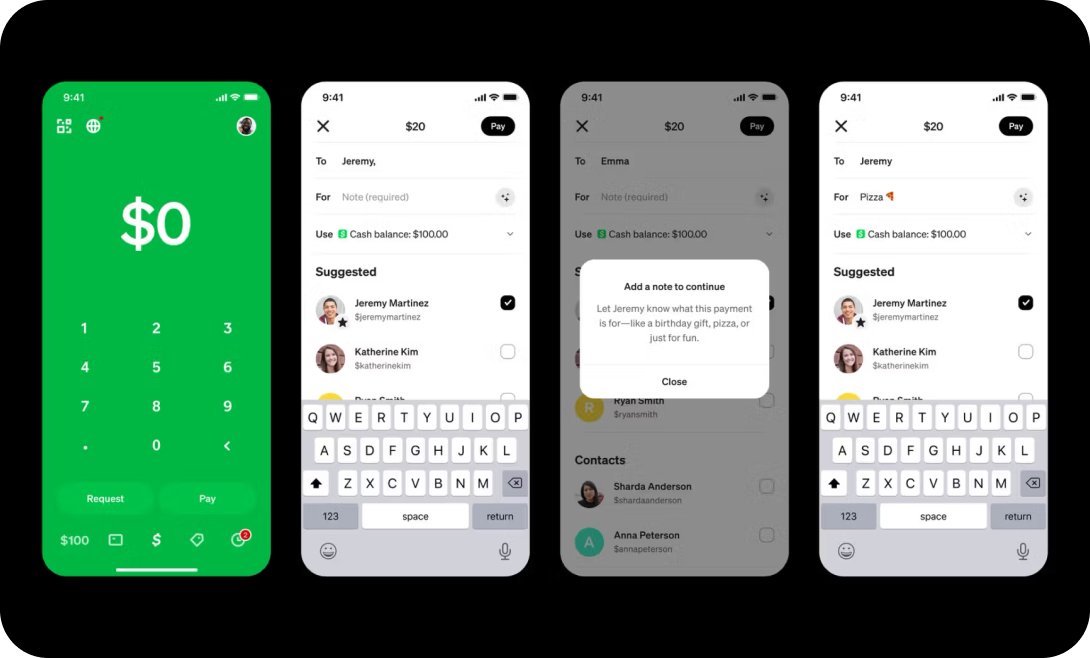
The mandatory note field for transactions on Cash App, a prominent peer-to-peer (P2P) payment platform, is a critical design choice rooted deeply in the principles of modern financial technology. Far from being a mere convenience, this requirement serves multiple essential functions, ranging from enhancing digital security and user accountability to ensuring rigorous compliance with financial regulations and streamlining operational efficiency. It reflects a deliberate strategy to build a robust, transparent, and trustworthy digital payment ecosystem in an era of rapid fintech innovation.
The Foundation of Digital Transaction Transparency
In the increasingly complex landscape of digital finance, transparency is paramount. Unlike traditional cash transactions, which leave no formal record, digital payments create an immutable data trail. The note field acts as a crucial qualitative layer to this quantitative data, providing context and clarity that is indispensable for both users and the platform itself.
Enhancing User Trust and Accountability
Requiring a note fundamentally enhances user trust by adding a layer of transparency and intentionality to every transaction. When sending or receiving money via Cash App, users are prompted to specify the purpose of the transfer. This simple act:
-
Clarifies Transaction Purpose: It helps users remember why a particular sum was exchanged, preventing confusion, especially when managing multiple transactions or dealing with various contacts. Was it for splitting a dinner bill, paying rent, reimbursing a friend, or purchasing an item? The note provides an immediate answer.
-
Fosters Accountability: For both sender and receiver, the note creates a digital “paper trail” that establishes the agreed-upon reason for the financial exchange. This explicit record discourages ambiguity and promotes a sense of mutual accountability, which is vital in a system where trust is decentralized.
-
Reduces Misunderstandings: Without notes, transactions can become vague and prone to misinterpretation. A clear, concise note minimizes disputes arising from differing recollections or assumptions about the transaction’s nature, thereby improving the overall user experience.
Mitigating Fraud and Error
Beyond fostering trust, the mandatory note plays a significant role in risk management, serving as an early defense mechanism against potential fraud and accidental errors.
-
Fraud Detection: For Cash App’s internal monitoring systems, the content of transaction notes can be a valuable data point in identifying suspicious activity. Unusual or vague notes, or patterns of notes that deviate from typical user behavior, can flag transactions for further review. This behavioral data, combined with other transactional metrics, strengthens the platform’s ability to detect and prevent fraudulent schemes.
-
Error Correction: In instances of accidental transfers or incorrect amounts, a clear note provides immediate context for customer support. If a user mistakenly sends money to the wrong person or sends the wrong amount, the note helps quickly ascertain the intended purpose, facilitating the recovery process or at least providing necessary evidence for dispute resolution.
-
Adding Intentionality: By requiring a user to consciously input a reason, the note adds a layer of intentionality to each transaction. This makes it harder for unauthorized payments to go unnoticed or unexplained, as a malicious actor would also need to contrive a plausible reason, which could later serve as evidence against them.
Compliance and Regulatory Mandates
Fintech companies like Cash App operate within a heavily regulated environment, similar to traditional banks. These regulations are designed to protect consumers, prevent illicit financial activities, and maintain the integrity of the financial system. The mandatory note feature is a technological tool crucial for meeting many of these stringent compliance obligations.
Anti-Money Laundering (AML) and Know Your Customer (KYC)
Two cornerstones of financial regulation are Anti-Money Laundering (AML) and Know Your Customer (KYC) protocols. These frameworks are designed to combat illicit financial activities such as money laundering, terrorist financing, and fraud.
-
Understanding Transaction Purpose: AML regulations require financial institutions to understand the “source of funds” and the “purpose of transaction” for transfers, especially those that appear unusual or exceed certain thresholds. The transaction note directly addresses the “purpose of transaction” by providing explicit, user-declared information.
-
Flagging Suspicious Activity: Cash App, like any regulated financial entity, has an obligation to monitor transactions for suspicious patterns and report them to relevant authorities (e.g., FinCEN in the U.S.) through Suspicious Activity Reports (SARs). The content of transaction notes, alongside other data, can be critical evidence in identifying transactions that might be linked to illicit activities. Vague descriptions or notes that contradict other transaction data can raise red flags for AML algorithms and human analysts.
-
Enhanced Due Diligence: For certain high-risk transactions or users, financial institutions perform Enhanced Due Diligence (EDD). The comprehensive record provided by a mandatory note aids in this process, offering more qualitative data to assess risk levels and ensure compliance.
Record-Keeping for Financial Oversight
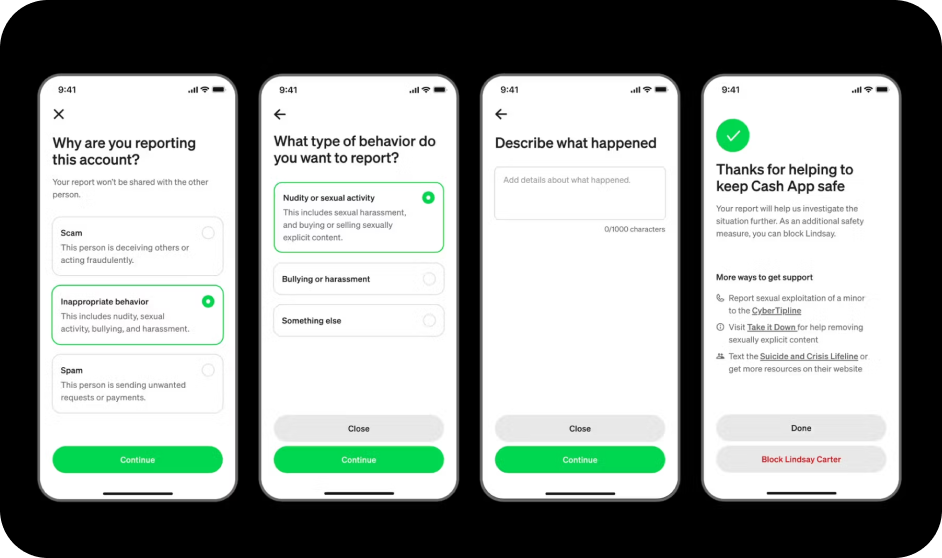
Financial service providers are legally mandated to maintain meticulous records of all transactions for extended periods. This is vital for auditing, regulatory oversight, and potential legal investigations.
-
Comprehensive Data Capture: The transaction note becomes an integral part of this digital ledger. It provides rich, qualitative data that complements the quantitative details (amount, date, sender, receiver). This comprehensive data capture ensures that if a transaction ever needs to be scrutinized by internal compliance teams, external auditors, or regulatory bodies, a complete narrative is available.
-
Audit Trails: In an audit, regulators often demand not just proof of transactions but also their context. The notes provide this context, ensuring that Cash App can demonstrate its adherence to record-keeping requirements and provide a transparent audit trail for all financial movements on its platform.
-
Facilitating Investigations: Should a law enforcement agency or regulatory body initiate an investigation into a user’s financial activities, the detailed transaction records, including the notes, are invaluable. They can help piece together financial flows, identify relationships, and establish intent, which are crucial for legal proceedings.
Operational Efficiency and Dispute Resolution
Beyond initial security and regulatory adherence, the mandatory note also significantly contributes to the operational efficiency of Cash App and plays a pivotal role in resolving disputes that inevitably arise in a high-volume transaction environment.
Streamlining Customer Support
Efficient customer support is critical for user satisfaction and operational cost management. The note feature directly enhances the support process:
-
Immediate Context for Queries: When a user contacts Cash App support regarding a specific transaction, the note provides instant context. Instead of a support agent having to ask a series of probing questions to understand the nature of the transaction, the note often provides the necessary details upfront. This drastically reduces the time and effort required to address user queries.
-
Faster Issue Resolution: Whether it’s a dispute over payment, an inquiry about a forgotten transaction, or a request for a refund, the clarity provided by the note allows support agents to quickly understand the situation and guide the user towards a resolution more effectively.
-
Differentiating Similar Transactions: Users often have multiple transactions with the same person for similar amounts. The note is key in differentiating these, ensuring that support addresses the correct transaction and avoids further confusion.
Facilitating Transaction Investigations
Disputes, chargebacks, and instances of unauthorized transactions are an unfortunate reality of digital finance. The transaction note serves as a critical piece of evidence in these complex investigations.
-
First Line of Evidence: In any dispute scenario, the transaction note is often the first and most accessible piece of contextual evidence. It can help Cash App’s internal fraud and investigations teams understand the initial claim or intent behind the transfer.
-
Supporting Dispute Claims: For users, a clear note can be invaluable in proving their case in a dispute. For instance, if a user disputes a charge, a note like “payment for used bike” provides much more weight than a blank transaction. Conversely, it can also help Cash App defend against illegitimate chargebacks by providing proof of the transaction’s legitimate purpose.
-
Immutable Record: Once recorded, the note is permanently linked to the transaction, providing an objective data point that cannot be altered. This immutability is crucial for establishing facts and making informed decisions during an investigation, whether internal or involving external authorities.
The Technological Implementation and User Experience
The integration of a mandatory note field is also a testament to thoughtful application design, balancing stringent security requirements with user-friendly functionality. It highlights how technology can streamline compliance without overly burdening the end-user.
Balancing Security with Simplicity
The challenge for any fintech app is to implement robust security and compliance features without creating a cumbersome user experience. Cash App addresses this with the note field:
-
Seamless Integration: The note field is typically presented as a simple, intuitive text box during the transaction flow. It’s an integrated step, not a separate form, ensuring that users can easily provide the required information without friction. This design choice minimizes abandonment rates while maximizing data collection.
-
Mandatory but Minimal: While mandatory, the note field usually doesn’t require extensive detail, often having a character limit. This balances the need for context with user convenience, preventing users from feeling overwhelmed or frustrated by an overly complex data entry process. The system simply requires something to be entered.
-
UI Guidance: The user interface (UI) subtly guides users to complete this field, often with placeholder text or prompts, making it an almost subconscious step in the transaction process. This technological approach makes compliance a natural part of the user journey.

Data Management and Privacy Considerations
The technology underpinning the note requirement involves sophisticated data management and rigorous privacy protocols.
-
Secure Data Storage: Transaction notes, like all sensitive financial data, are stored securely within Cash App’s encrypted infrastructure. This ensures that the qualitative data provided by users is protected from unauthorized access, adhering to industry best practices for data security.
-
Association and Retrieval: Technologically, each note is indelibly linked to its specific transaction ID, along with metadata such as sender/receiver IDs, timestamp, and amount. This allows for efficient retrieval and analysis when needed for support, compliance, or investigation purposes, forming a comprehensive digital ledger.
-
Privacy Adherence: While notes are required, Cash App’s handling of this user-generated content is subject to its privacy policies and relevant data protection regulations (like GDPR or CCPA). This means the data is used specifically for the stated purposes of operating the service, preventing fraud, and meeting legal obligations, ensuring user privacy is respected within the confines of regulatory necessity.
-
Scalable Architecture: The platform’s underlying architecture is designed to handle the vast volume of transaction notes, ensuring that this critical data point is consistently captured, stored, and accessible across millions of daily transactions without impacting performance.
In conclusion, Cash App’s requirement for a transaction note is a multifaceted technological solution addressing critical needs in digital finance. It strengthens transparency, bolsters security against fraud, ensures compliance with complex financial regulations, and significantly improves operational efficiency. This seemingly small feature is a powerful example of how thoughtful app design and robust technology converge to create a safer, more reliable, and ultimately more trusted payment ecosystem for millions of users.
aViewFromTheCave is a participant in the Amazon Services LLC Associates Program, an affiliate advertising program designed to provide a means for sites to earn advertising fees by advertising and linking to Amazon.com. Amazon, the Amazon logo, AmazonSupply, and the AmazonSupply logo are trademarks of Amazon.com, Inc. or its affiliates. As an Amazon Associate we earn affiliate commissions from qualifying purchases.