
The Corporate Architect Behind Cash App: Block, Inc.
To understand the headquarters of Cash App, one must first recognize its parent company: Block, Inc. Formerly known as Square, Inc., Block is a multifaceted technology conglomerate that owns a portfolio of businesses centered around financial services and innovative tech solutions. Cash App stands as one of its most prominent and widely adopted products, serving millions of users with peer-to-peer payments, investing capabilities, and various other financial tools. Therefore, when discussing the “headquarters” of Cash App, we are inherently referring to the corporate base of Block, Inc.
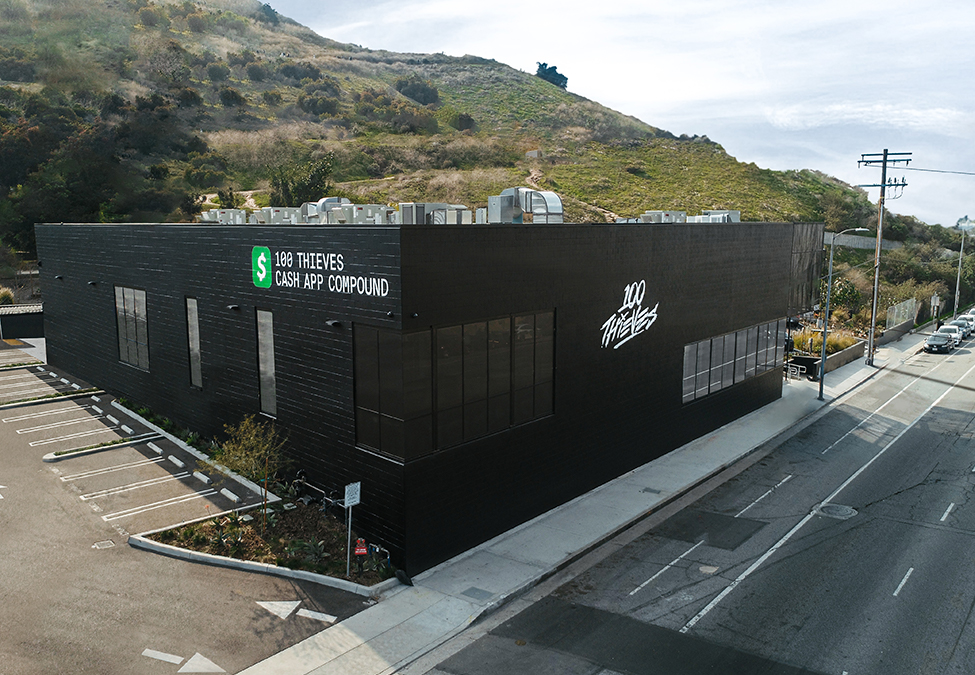
From Square to Block: A Strategic Rebranding
The rebranding from Square to Block, Inc. in December 2021 marked a significant strategic evolution for the company. While the Square Seller business, offering payment processing hardware and software for merchants, retained its original name, the corporate entity adopted “Block” to signify its broader ambitions beyond its initial offerings. This change reflected the company’s diversification into areas like blockchain technology (hence “Block”), Bitcoin, and decentralized finance, alongside its existing Cash App and Tidal music streaming service. This strategic shift underscores the parent company’s commitment to exploring new technological frontiers, positioning it as a key player in the evolving landscape of digital finance and web3 innovation. The change was not merely cosmetic; it represented a fundamental reorientation towards a future where technology deeply intertwines with financial systems, from the corporate identity down to its operational philosophy.
An Ecosystem of Innovation
Block, Inc. operates as an ecosystem designed to foster innovation across multiple verticals. Beyond Cash App, its portfolio includes the Square Seller business, which continues to empower small and large businesses; TBD, a platform focused on building an open developer platform for Bitcoin; Spiral (formerly Square Crypto), an independent team dedicated to advancing Bitcoin; and Tidal, the music streaming service. Each of these entities, while distinct in their immediate focus, benefits from Block’s overarching technological infrastructure, shared resources, and a corporate culture that prioritizes forward-thinking solutions. Cash App, in particular, leverages this synergy, drawing on the company’s expertise in payment processing, data security, and user experience design to continuously enhance its mobile financial platform. This interconnectedness means that innovations in one part of Block’s ecosystem often have ripple effects, contributing to the robustness and feature set of Cash App, solidifying its position as a leading fintech application.
A Modern Approach to Location: Decentralization and Distributed Teams
In the dynamic world of technology, the concept of a singular, monolithic “headquarters” has increasingly evolved, particularly for companies that prioritize agility, global talent acquisition, and adaptability. While Block, Inc., the parent company of Cash App, does maintain significant corporate offices, its operational model reflects a more distributed and flexible approach, emblematic of modern tech giants. This strategic decentralization is not merely a consequence of recent global shifts but a deliberate choice to foster innovation and efficiency.
The Tech Industry’s Evolving Workspace
The past decade has witnessed a profound transformation in how tech companies structure their workforces and physical presence. Traditional brick-and-mortar headquarters, while still important for corporate identity and core leadership, are often complemented by a network of regional offices, co-working spaces, and increasingly, a significant remote or hybrid workforce. For companies like Block, Inc., this distributed model allows for tapping into a broader talent pool, unconstrained by geographical limitations. It fosters diversity in perspectives and skills, which is crucial for developing products like Cash App that serve a global and diverse user base. This flexibility is particularly advantageous in rapidly evolving sectors like fintech, where quick adaptation to market changes and user needs is paramount.
Operational Advantages of a Flexible Structure
Adopting a decentralized operational model offers several distinct advantages for a tech company managing a high-growth product like Cash App. Firstly, it enhances resilience. Distributing teams across different locations mitigates risks associated with localized disruptions, ensuring business continuity. Secondly, it can lead to increased productivity and employee satisfaction by offering flexibility that aligns with modern work preferences. Empowering employees to work from locations where they are most effective can boost creativity and output. Thirdly, it supports scaling. As Cash App continues to expand its features and user base, Block can strategically open new hubs or integrate remote teams without the logistical and financial burden of consolidating all operations into one mega-headquarters. This agile scaling capability is vital for maintaining competitive edge in the fast-paced app market, allowing for rapid development cycles and deployment of new features.
The Strategic Nexus: San Francisco and Beyond
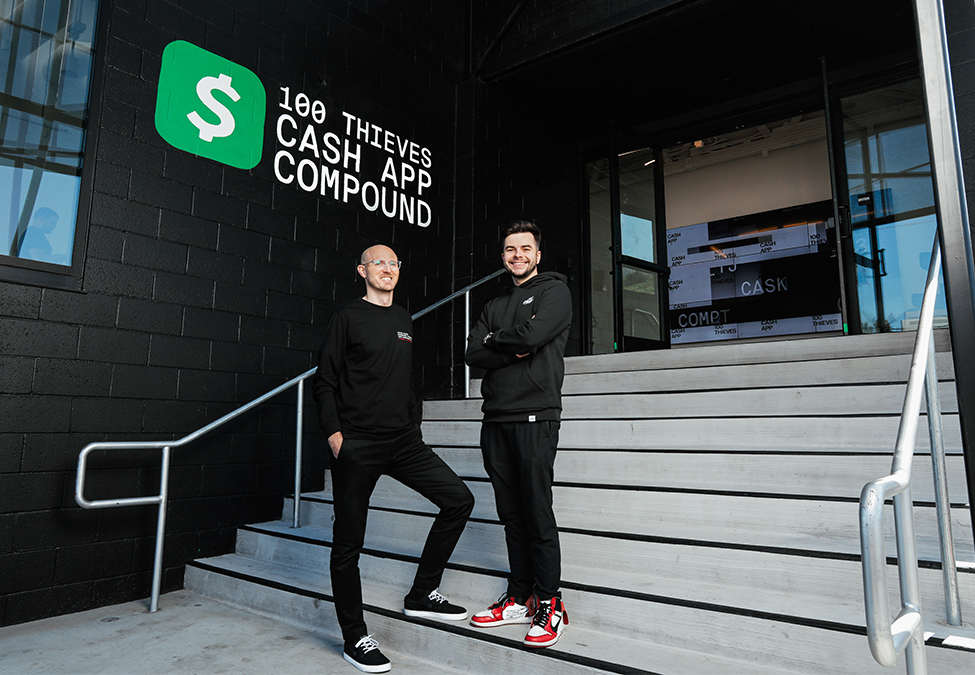
While Block, Inc. embraces a distributed work philosophy, it does maintain a significant physical presence that serves as a central hub for its operations, particularly within the heart of the global technology and finance industries. This strategic choice of location underscores its commitment to innovation, talent acquisition, and proximity to key partners and trends.
San Francisco: A Hub for Fintech Innovation
The primary corporate headquarters of Block, Inc. is located in San Francisco, California. This city is globally recognized as a epicenter for technological innovation and venture capital, making it a natural fit for a company deeply embedded in the fintech space. Being situated in San Francisco provides Block with several critical advantages:
-
Talent Pool: Proximity to a vast and highly skilled talent pool, particularly in software engineering, product development, data science, and financial technology. This allows Block to attract and retain top-tier professionals essential for developing and scaling complex applications like Cash App.
-
Innovation Ecosystem: Access to a vibrant ecosystem of startups, incubators, universities, and industry events. This environment fosters collaboration, idea exchange, and keeps Block at the forefront of emerging technologies and market trends.
-
Strategic Partnerships: Facilitated engagement with other major tech companies, financial institutions, and regulatory bodies. Being in San Francisco often means easier access to forging strategic alliances and staying informed about regulatory shifts that impact financial technology.
-
Brand Visibility: A physical presence in a prominent tech hub enhances corporate identity and visibility, reinforcing Block’s position as a leader in the digital financial services sector.
However, it’s crucial to reiterate that while San Francisco serves as the official corporate anchor, the operations of Cash App, much like the broader Block ecosystem, are supported by teams working from various locations globally.
Global Footprint and Talent Acquisition
Beyond its San Francisco base, Block, Inc. operates a network of offices and development centers across different cities and countries. These include significant presences in locations such as St. Louis, Missouri, where Square (now part of Block) was founded, and other major tech hubs. This global footprint is integral to Block’s strategy for several reasons:
-
Localized Market Understanding: Regional offices can provide deeper insights into local market dynamics, user behaviors, and regulatory environments, which is crucial for tailoring Cash App’s features and marketing efforts for diverse demographics.
-
Diverse Talent Acquisition: Operating in multiple locations allows Block to tap into varied talent pools, bringing in diverse skill sets and perspectives that might be concentrated in different geographical areas. This diversity is invaluable for building a product that resonates with a wide international audience.
-
Operational Redundancy: A distributed network of offices and teams adds a layer of operational redundancy and resilience, ensuring that critical functions can continue even if one location faces disruptions.
-
Follow the Sun Development: With teams across different time zones, Block can implement a “follow the sun” development model, accelerating product development cycles and providing continuous support for its global user base. This model is particularly effective for an app like Cash App that requires constant updates, maintenance, and 24/7 reliability.
Cash App’s Technological Impact and Future Trajectory
Cash App’s headquarters, representing the nerve center of Block, Inc., is more than just a physical address; it symbolizes the strategic vision and technological prowess driving one of the most impactful financial applications of our time. Its location within a global tech hub like San Francisco and its embrace of distributed teams are critical components of its continued innovation and market leadership.
Redefining Peer-to-Peer Payments
From its inception, Cash App redefined the landscape of peer-to-peer payments, making money transfers as simple as sending a text message. Its intuitive interface and seamless functionality quickly captured a significant market share, challenging traditional banking models and establishing a new paradigm for digital financial interactions. The underlying technology, meticulously developed and maintained by Block’s engineering teams, ensures high security, rapid transaction speeds, and robust infrastructure capable of handling millions of transactions daily. This technical backbone allows Cash App to not only facilitate basic transfers but also integrate a growing suite of complex financial features, all while maintaining a user-friendly experience.
Expanding the Fintech Frontier
Cash App has strategically expanded far beyond its initial P2P focus, evolving into a comprehensive financial platform. It now offers direct deposit capabilities, a linked debit card (Cash Card), stock trading, and perhaps most notably, Bitcoin buying and selling. This expansion is a direct reflection of Block’s broader technological vision and its commitment to democratizing access to financial services. Each new feature requires significant technological development, rigorous security protocols, and seamless integration into the existing app architecture. The ability to rapidly iterate and deploy these features is a testament to the efficient and agile development methodologies employed by the teams operating from Block’s various locations. Cash App’s continuous evolution demonstrates its parent company’s dedication to pushing the boundaries of what a mobile financial application can achieve.

The Intersection of Blockchain and Digital Finance
Block, Inc.’s strategic shift and rebranding underscored its deep interest in blockchain technology, particularly Bitcoin. Cash App’s integration of Bitcoin trading allows users to easily participate in the cryptocurrency market, further blurring the lines between traditional finance and emerging digital assets. This move positions Cash App at the vanguard of financial innovation, providing a user-friendly gateway to the often-complex world of cryptocurrency. The teams behind Cash App are actively exploring how blockchain technology can enhance security, reduce transaction costs, and expand financial inclusion, all within the framework of a user-centric application. This forward-looking approach, rooted in the technological expertise cultivated at its various operational hubs, suggests that Cash App will continue to play a pivotal role in shaping the future of digital finance, driven by the strategic vision emanating from Block, Inc.’s headquarters and its global network of innovators.
aViewFromTheCave is a participant in the Amazon Services LLC Associates Program, an affiliate advertising program designed to provide a means for sites to earn advertising fees by advertising and linking to Amazon.com. Amazon, the Amazon logo, AmazonSupply, and the AmazonSupply logo are trademarks of Amazon.com, Inc. or its affiliates. As an Amazon Associate we earn affiliate commissions from qualifying purchases.