
The Cash App Card has emerged as a widely adopted financial tool, offering users a convenient and flexible way to manage their money directly from their smartphones. More than just a simple debit card, it integrates seamlessly with the Cash App ecosystem, providing a direct link to your digital balance for everyday spending, budgeting, and even saving. Understanding its mechanics is crucial for anyone looking to leverage this modern financial instrument for enhanced personal finance management.
The Foundation of Your Cash App Card
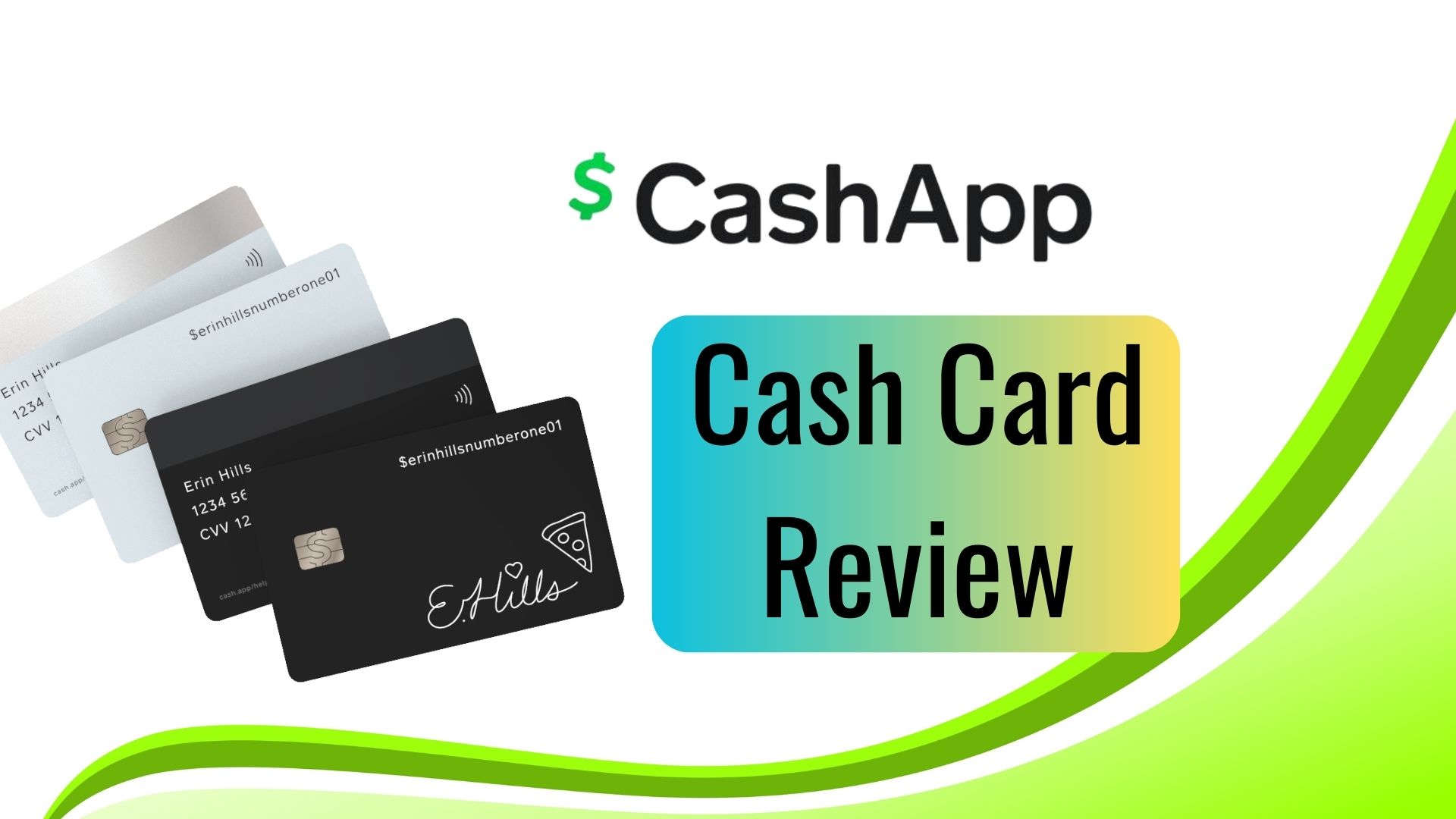
At its core, the Cash App Card is a free, customizable Visa debit card directly linked to your Cash App balance. Unlike traditional bank debit cards that draw funds from a checking account, the Cash App Card accesses the funds you hold within your Cash App account. This direct integration is what makes it a powerful tool for managing money, especially for those who rely on digital transactions and peer-to-peer payments.
What Exactly Is the Cash App Card?
Functionally, the Cash App Card operates like any standard Visa debit card. It allows you to make purchases in brick-and-mortar stores, shop online, and withdraw cash from ATMs. The key differentiator is its funding source: your Cash App balance. This means any money you receive through direct deposits, transfers from other Cash App users, or funds added from a linked bank account immediately becomes available for use with your card. It bridges the gap between your digital wallet and the physical world of commerce, providing liquidity to your Cash App holdings without requiring a transfer back to a traditional bank.
Eligibility and the Ordering Process
Obtaining a Cash App Card is straightforward and accessible to most Cash App users. To be eligible, you typically need to be 13 years or older and have a verified Cash App account. Verification usually involves providing your full name, date of birth, and the last four digits of your Social Security Number to comply with financial regulations.
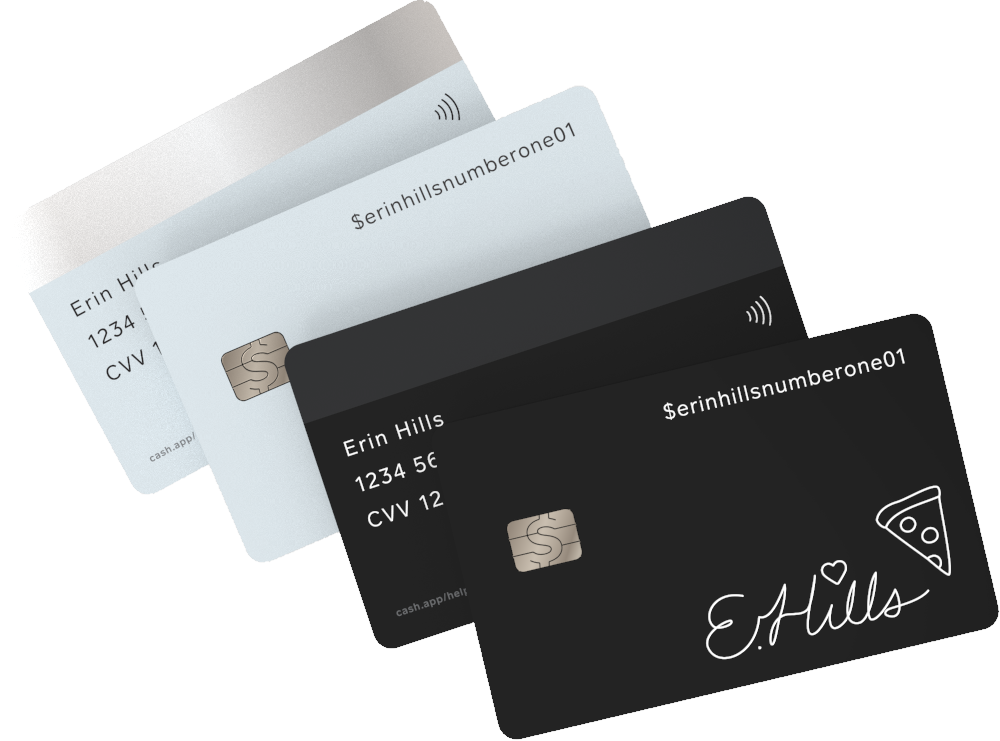
The ordering process is initiated directly within the Cash App. From the main interface, navigate to the Card tab (represented by a card icon). Here, you’ll find the option to “Get Free Cash Card.” You can then customize your card by choosing a color, adding a signature, or even requesting a unique design. Once ordered, the physical card is typically delivered to your mailing address within 5-10 business days. Upon arrival, it must be activated through the app by scanning the QR code on the packaging or manually entering the card details, a crucial step to ensure security and functionality.
Physical vs. Virtual Card Capabilities
The Cash App Card exists in two forms: a physical card and a virtual card. Each serves distinct purposes, providing flexibility for various spending scenarios.
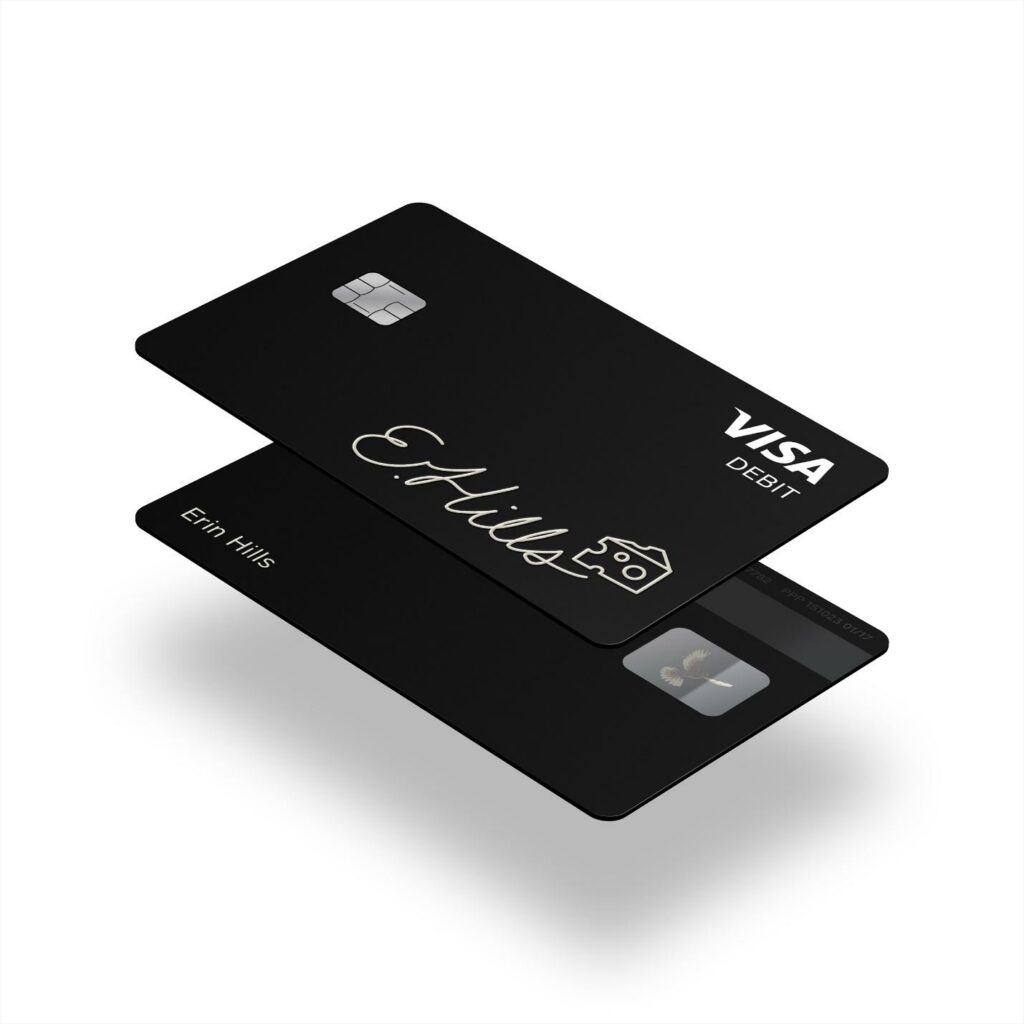
The physical card is the tangible plastic card you receive in the mail. It’s equipped with a chip and magnetic stripe, allowing for in-store purchases via POS terminals, ATM withdrawals, and traditional swipe transactions. This is your go-to for everyday brick-and-mortar shopping and cash access.
The virtual card, on the other hand, becomes instantly available in your Cash App as soon as you order your physical card (or even without ordering a physical one if you just want to use the virtual one). It has a unique card number, expiration date, and CVV, just like a physical card. Its primary use is for online purchases, app subscriptions, and any situation where you need card details without the physical card present. This immediate access allows you to start spending even before your physical card arrives, offering unparalleled convenience for immediate financial needs. Both cards draw from the same Cash App balance and share the same spending limits and security features.
Funding and Spending with Your Card
The utility of the Cash App Card is deeply intertwined with how easily you can fund your Cash App balance and subsequently spend those funds. It acts as a gateway to your digital money, making it accessible wherever Visa debit is accepted.
Linking to Your Cash App Balance
The fundamental principle of the Cash App Card is its direct connection to your Cash App balance. Unlike traditional debit cards that draw from a bank checking account, your Cash App Card directly accesses the funds stored within your Cash App account. This means there’s no need for separate transfers between a bank account and the card itself; the balance you see in your Cash App is the balance available for card transactions. This direct link simplifies money management, as all inflows and outflows are centralized within the app.
Diverse Ways to Add Money to Cash App
Maintaining a sufficient balance for your Cash App Card is made easy through several convenient funding methods:
-
Bank Transfers: The most common method involves linking an external bank account to your Cash App. You can then initiate instant or standard transfers from your bank to your Cash App balance. Instant transfers may incur a small fee, while standard transfers (typically 1-3 business days) are usually free.
-
Direct Deposit: Cash App offers dedicated account and routing numbers, allowing users to set up direct deposit for paychecks, government benefits, or tax refunds directly into their Cash App account. This makes the Cash App Card a viable option for those who want to receive and manage their primary income stream through the app. Funds from direct deposits are usually available immediately upon receipt.
-
Paper Money Deposits: For those who prefer to add cash, many retail locations (like Walmart, Walgreens, 7-Eleven, etc.) partner with Cash App to allow users to deposit physical cash directly into their Cash App balance. This typically involves generating a barcode in the app and presenting it to a cashier, who then scans it and accepts your cash. A small fee often applies to these deposits.
-
Transfers from Other Cash App Users: Peer-to-peer payments are a core feature of Cash App. Money received from friends, family, or customers via Cash App is instantly added to your balance and becomes available for use with your card.
Where You Can Use Your Cash App Card
The Cash App Card is a Visa debit card, meaning it boasts broad acceptance. You can use it virtually anywhere Visa debit cards are accepted, encompassing:
-
In-Store Purchases: Tap, swipe, or insert your physical card at point-of-sale terminals in retail stores, restaurants, gas stations, and more.
-
Online Shopping: Utilize your virtual card details (card number, expiration date, CVV) for purchases on e-commerce websites, streaming services, and online subscriptions.
-
ATM Withdrawals: You can withdraw cash from any ATM that accepts Visa. While Cash App doesn’t charge fees for ATM withdrawals if you have qualifying direct deposits (at least $300 in a month), the ATM operator itself may impose a fee. If you don’t meet the direct deposit criteria, Cash App charges a $2 fee per withdrawal.
Understanding Spending Limits
To ensure security and manage financial risk, Cash App imposes certain spending limits on its card. These limits can vary based on whether your account is fully verified. Typically, unverified accounts have lower limits. For verified users, common limits might include:
-
Daily Spending: Often around $7,000 for purchases.
-
Weekly Spending: Could be upwards of $10,000.
-
ATM Withdrawal Limit: Daily limits frequently range from $310, with weekly limits around $1,000.
It’s crucial to check the specific limits applicable to your account within the Cash App, as these can be adjusted by Cash App or may vary based on your account history and verification status. These limits are designed to protect users from potential fraud while still offering ample flexibility for most financial needs.
Managing Your Cash App Card for Financial Savvy
Beyond its basic functionality, the Cash App Card offers features and controls that empower users to manage their personal finances more effectively, promoting both security and potential savings.
Robust Security Features and Controls
Security is paramount when dealing with financial tools, and the Cash App Card incorporates several features to protect your funds:
-
Locking/Unlocking Your Card: A standout feature is the ability to instantly lock or unlock your card directly from the app. If you misplace your card, you can lock it to prevent unauthorized transactions. Once found, a simple tap unlocks it, making it ready for use again. This provides immediate control over your spending.
-
Reporting Lost or Stolen Cards: In the event your card is permanently lost or stolen, you can report it within the app, which immediately deactivates the card and allows you to order a replacement. This rapid response helps mitigate the risk of fraudulent activity.
-
PIN Management: You can set and change your card’s PIN within the app, ensuring that only you have access to ATM withdrawals and certain point-of-sale transactions requiring a PIN.
-
Transaction Notifications: The app provides real-time notifications for all card transactions, enabling you to monitor your spending and quickly identify any suspicious activity.
Boosts: Maximizing Savings
One of the most engaging and financially beneficial features of the Cash App Card is “Boosts.” Boosts are instant discounts or cashback rewards that you can activate and apply to purchases at specific merchants.
-
How Boosts Work: Within the Cash App, navigate to the Card tab and browse the available Boosts. These might include discounts at coffee shops, grocery stores, restaurants, or specific online retailers. Before making a purchase, you select and activate the desired Boost in the app. When you use your Cash App Card at the eligible merchant, the discount is applied instantly at the point of sale, reducing the total amount charged to your Cash App balance.
-
Strategic Use: Boosts rotate frequently, encouraging users to check regularly for new opportunities. By strategically activating Boosts for merchants you frequent, you can effectively reduce your everyday spending, leading to tangible savings over time. This gamified approach to discounts encourages active engagement with the card and promotes financially savvy behavior.
ATM Withdrawals and Associated Fees
While primarily designed for cashless transactions, the Cash App Card does allow for ATM withdrawals. However, it’s important to understand the fee structure:
-
Cash App Fee: Cash App charges a $2 fee for each ATM withdrawal. This fee is waived if you receive at least $300 in qualifying direct deposits to your Cash App account within a rolling 31-day period. Meeting this criterion makes ATM access more cost-effective.
-
ATM Operator Fees: Regardless of Cash App’s fee status, the ATM operator itself may impose a separate surcharge. These fees vary by bank or ATM network and are typically displayed before you confirm the transaction. To minimize costs, look for fee-free ATMs if possible, though these are less common with the Cash App Card compared to traditional bank cards within their own networks.
Direct Deposit Integration
The ability to set up direct deposit is a significant feature that elevates the Cash App Card beyond a mere spending tool, positioning it as a primary financial hub for many users. By providing unique account and routing numbers, Cash App allows employers, government agencies, and others to deposit funds directly into your account.
- Benefits: Direct deposit enables faster access to your funds, often up to two days earlier than many traditional banks, depending on when your employer submits payroll information. It also centralizes your income, making it easier to manage and track within the Cash App ecosystem. This feature is particularly attractive for freelancers, gig workers, or anyone looking for a streamlined digital banking alternative for their primary income.
Financial Implications and Best Practices
Leveraging the Cash App Card effectively extends beyond understanding its mechanics; it involves integrating it into a broader personal finance strategy. Used wisely, it can be a powerful tool for budgeting, security, and smart spending.
Budgeting and Tracking with Cash App
The Cash App ecosystem offers inherent advantages for personal budgeting and expenditure tracking. Every transaction made with your Cash App Card, whether physical or virtual, is recorded in real-time within the app.
-
Real-time Visibility: The immediate update of your balance and transaction history provides a clear, up-to-the-minute overview of your spending. This transparency is invaluable for adhering to a budget, as you can instantly see where your money is going.
-
Categorization (Manual): While Cash App doesn’t offer automated spending categorization like some advanced budgeting apps, the simple, chronological list of transactions allows for easy manual review. You can quickly identify spending patterns in different categories (e.g., groceries, entertainment, transportation) by reviewing your history, making it easier to adjust future spending habits.
-
Dedicated Funds: For some, using Cash App for specific spending categories (e.g., “fun money” or “dining out”) can serve as an informal envelope budgeting system. By transferring a set amount into Cash App for these categories, you effectively limit your spending to that allocated amount, enhancing financial discipline.
Fees to Be Aware Of
While the Cash App Card itself is free to order and maintain, certain transactions or services within the Cash App ecosystem can incur fees. Understanding these is crucial for effective financial planning:
-
Instant Deposits to Bank: While standard deposits from Cash App to a linked bank account are free, instant deposits typically incur a 0.5% to 1.75% fee, depending on the amount.
-
ATM Withdrawal Fees: As mentioned, Cash App charges $2 per withdrawal if you don’t meet the direct deposit criteria, in addition to any fees imposed by the ATM operator.
-
Credit Card Fees for Sending Money: Sending money from a linked credit card to another Cash App user incurs a 3% fee. Using a debit card or Cash App balance for transfers is free.
-
International Transactions: While the Cash App Card can technically be used internationally wherever Visa is accepted, Cash App is primarily designed for use within the US and UK. There may be unfavorable exchange rates or additional fees from Visa, so it’s generally not recommended as a primary international travel card.
Comparing with Traditional Banking Options
The Cash App Card and its associated account offer a compelling alternative or supplement to traditional banking, particularly for certain demographics or financial needs:
-
Pros:
-
Ease of Access: Quick setup, no credit check required, making it accessible to those who might be unbanked or underbanked.
-
Instant Payments: Peer-to-peer transfers are instant and free when using your Cash App balance or debit card.
-
Budgeting Focus: Simple interface encourages awareness of your current balance.
-
Boosts: A unique way to save money on everyday purchases.
-
Early Direct Deposit: Potentially faster access to paychecks.
-
-
Cons:
-
Limited Services: Lacks advanced banking features like interest-bearing savings accounts, loans, or extensive financial advisory services.
-
Customer Support: Primarily app-based support can be less personal than traditional bank branches.
-
Deposit Insurance: While Cash App holds customer funds in pooled accounts at FDIC-insured banks, direct FDIC insurance typically applies to the partner bank, not directly to individual Cash App balances. This distinction is important for understanding the scope of protection.
-
Transaction Limits: While sufficient for most, the daily/weekly limits can be restrictive for very large transactions.
-
For many, Cash App serves as an excellent secondary financial tool for managing everyday spending and peer-to-peer transactions, complementing a traditional bank account rather than fully replacing it.
Staying Financially Secure with Your Card
Safeguarding your Cash App account and card is paramount. Adhering to best practices for digital financial security will protect your funds and personal information:
-
Strong, Unique Passwords: Use a complex password for your Cash App account and never reuse it on other platforms.
-
Enable Two-Factor Authentication (2FA): This adds an extra layer of security, requiring a code from your phone in addition to your password for login attempts.
-
Monitor Transactions Regularly: Frequently check your Cash App activity for any unauthorized or suspicious transactions.
-
Be Wary of Scams: Be vigilant against phishing attempts, fake customer support, or requests for money from unknown sources. Cash App will never ask for your PIN or full sign-in code.
-
Protect Your PIN: Never share your PIN with anyone and avoid writing it down.
-
Report Issues Promptly: If you suspect fraud or notice unusual activity, immediately contact Cash App support through the official app channels and lock your card.
By understanding how the Cash App Card functions as a financial tool and implementing these best practices, users can effectively harness its capabilities for convenient, secure, and smart money management.
aViewFromTheCave is a participant in the Amazon Services LLC Associates Program, an affiliate advertising program designed to provide a means for sites to earn advertising fees by advertising and linking to Amazon.com. Amazon, the Amazon logo, AmazonSupply, and the AmazonSupply logo are trademarks of Amazon.com, Inc. or its affiliates. As an Amazon Associate we earn affiliate commissions from qualifying purchases.