
In an increasingly digital world, the way we manage, send, and receive money has undergone a profound transformation. Gone are the days when physical cash or cumbersome bank transfers were the only options. Today, “cash apps” have emerged as indispensable tools, revolutionizing personal finance by bringing banking, payments, and even investment capabilities to our fingertips. For anyone seeking to navigate the modern financial landscape with greater efficiency, understanding what cash apps are, how they function, and which ones best suit their needs is paramount. This guide will delve into the diverse world of digital financial tools, exploring their evolution, features, benefits, and the considerations for choosing the right one to empower your financial journey.

Understanding Cash Apps: The Digital Evolution of Money Management
The term “cash app” has become a ubiquitous part of our financial vocabulary, yet its scope extends far beyond simple peer-to-peer payments. At its core, a cash app is a mobile application or web service designed to facilitate various financial transactions digitally. These platforms leverage technology to simplify processes that traditionally required physical presence or complex banking infrastructure, democratizing access to financial services for millions.
What Exactly Are Cash Apps?
Fundamentally, cash apps are software applications that allow users to store, send, receive, and manage money electronically. While the most well-known examples primarily focus on peer-to-peer (P2P) transfers—enabling individuals to send money to friends, family, or even small businesses with ease—the functionality of these apps has expanded dramatically. They serve as a bridge between traditional banking and the immediate needs of a digital-first economy, offering speed, convenience, and often lower costs compared to conventional methods. From splitting a dinner bill to paying rent, or even receiving your salary, cash apps are reshaping everyday financial interactions. Their underlying infrastructure relies on secure digital networks to ensure transactions are processed swiftly and safely, often in real-time. This technological backbone is what differentiates them from traditional checks or wire transfers, providing an instant gratification that modern users have come to expect.
The Rise of Digital Wallets and P2P Payments
The genesis of cash apps can be traced back to the broader adoption of digital wallets and the increasing demand for instant, frictionless payments. Initially, platforms like PayPal pioneered online payments, but the advent of smartphones truly propelled the concept of a “mobile wallet” into the mainstream. As smartphone penetration soared, so did the desire for financial tools accessible anytime, anywhere. This paved the way for dedicated P2P payment apps, which streamlined the process of sending money between individuals using just a phone number or email address. These early iterations focused on convenience, removing the need for bank account details or routing numbers for every transaction. The rise of social payment features also played a significant role, allowing users to attach notes or emojis to transactions, making financial exchanges more personal and engaging. This shift wasn’t just about technology; it was about changing user behavior and expectations, fostering a culture where digital money movement is the norm rather than the exception.
Beyond Simple Transfers: Diverse Financial Capabilities
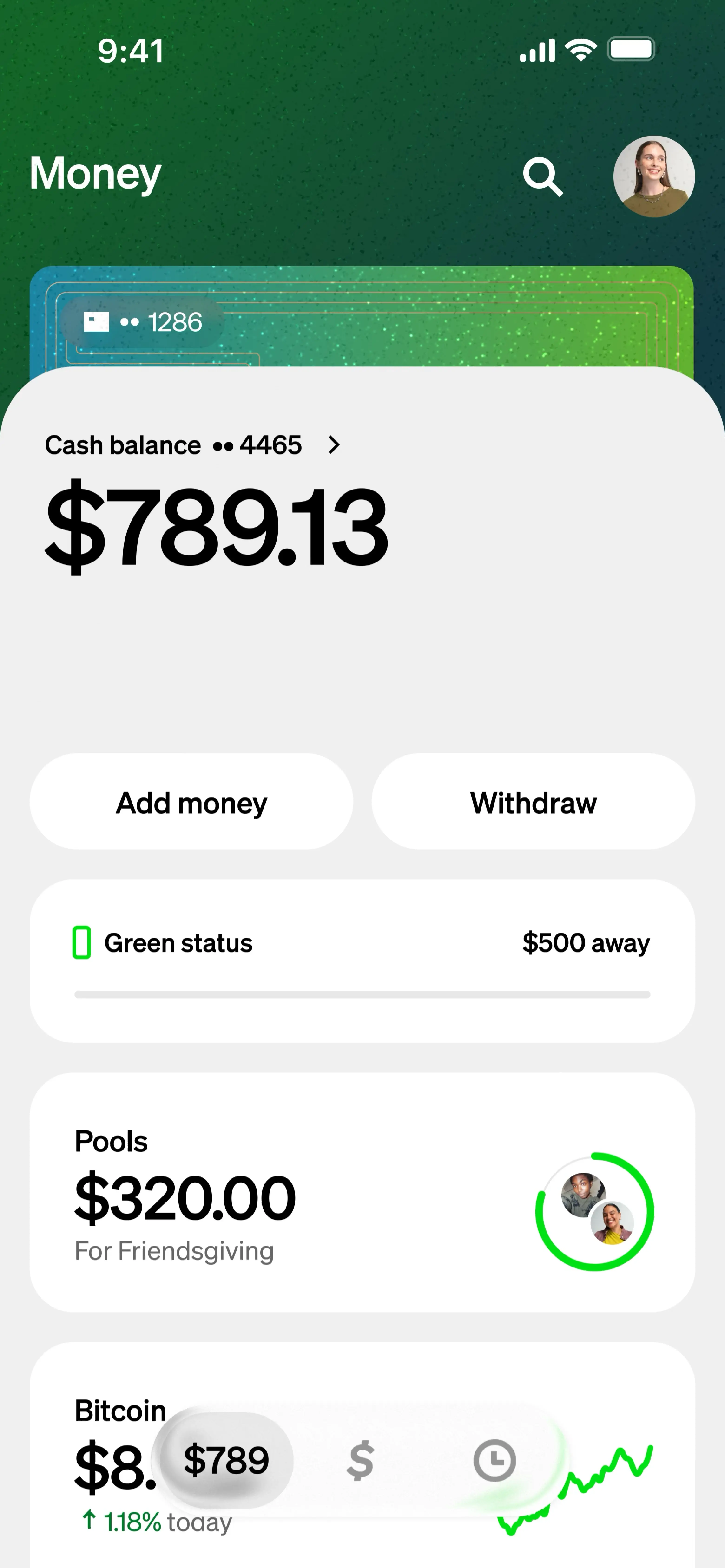
While P2P payments remain a cornerstone, modern cash apps have evolved into sophisticated financial ecosystems offering a multitude of services. They are no longer just for sending small sums to friends. Many now provide features such as direct deposit, allowing users to receive paychecks directly into their app accounts, often with early access. Budgeting tools, expense tracking, and even micro-investing options are increasingly integrated, transforming these apps into comprehensive personal finance managers. Some even offer debit cards linked to the app balance, enabling users to spend their digital funds in physical stores or withdraw cash from ATMs. This expansion reflects a strategic move by app developers to become the primary financial hub for their users, offering a one-stop shop for various monetary needs. By consolidating diverse financial tools into a single, user-friendly interface, cash apps are not just facilitating transactions but are actively empowering individuals to take greater control over their financial lives.
Key Categories and Features of Modern Cash Apps
The landscape of cash apps is diverse, encompassing a wide array of tools tailored to different financial needs. While many apps offer overlapping functionalities, they can generally be categorized based on their primary focus, each bringing unique features to the table.
Peer-to-Peer (P2P) Payment Apps
These are perhaps the most recognizable type of cash app, designed primarily for easy money transfers between individuals. Examples include Venmo, Zelle, and Cash App (Square Cash App). They typically allow users to send and receive money using a phone number, email, or unique username. P2P apps are ideal for splitting bills, sending gifts, or paying back friends quickly. Most offer instant transfers, though some may charge a fee for immediate access to funds, with standard transfers often being free but taking a few business days. Many also integrate social features, allowing users to see or comment on friends’ transactions (with privacy settings), adding a social layer to financial interactions.
Budgeting and Expense Tracking Apps
While not always seen as “cash apps” in the traditional sense, these tools are integral to managing digital money flow. Apps like Mint, YNAB (You Need A Budget), and Personal Capital help users categorize spending, track income, set financial goals, and monitor net worth. They typically link directly to users’ bank accounts, credit cards, and investment portfolios to pull transaction data automatically, providing a comprehensive view of their financial health. While they don’t directly handle money transfers in the same way P2P apps do, they are crucial for understanding where your digital cash is going and making informed financial decisions.
Banking and Neobanking Apps
A growing segment includes apps that function as full-fledged digital banks, often without physical branches. Chime, Revolut, N26, and Monzo are prominent examples. These apps offer checking accounts, savings accounts, debit cards, and often additional features like early access to paychecks (with direct deposit), no foreign transaction fees, and integrated budgeting tools. They aim to provide a more modern, mobile-first banking experience, often with lower fees and better interest rates than traditional banks. Their appeal lies in their convenience, innovative features, and commitment to transparency, catering to users who prefer to manage all their banking needs through a smartphone.
Investment and Savings Apps
Beyond basic banking, a new generation of cash apps focuses on helping users grow their money. Acorns, Robinhood, and Digit are prime examples. Acorns allows users to round up everyday purchases and invest the change into diversified portfolios. Robinhood revolutionized commission-free stock trading, making investing accessible to a broader audience. Digit automates savings by intelligently analyzing spending habits and moving small amounts of money into a savings account when it determines you can afford it. These apps aim to demystify investing and saving, making it easier for individuals to build wealth through intuitive interfaces and automated processes, transforming idle digital cash into growth opportunities.
Earned Wage Access (EWA) Apps
A more recent development in the cash app space, EWA apps like Dave, Brigit, and Earnin, allow users to access a portion of their earned wages before their official payday. These apps typically charge a small fee or solicit tips for their service, providing a lifeline for individuals facing unexpected expenses between paychecks. While they offer immense convenience and can prevent reliance on predatory payday loans, it’s crucial for users to understand the associated costs and use them responsibly to avoid becoming dependent on early wage access. They essentially turn future income into accessible “cash” today, highlighting the evolving definition of what a cash app can facilitate.
Benefits and Advantages of Using Cash Apps
The widespread adoption of cash apps isn’t merely a trend; it’s a testament to the tangible benefits they offer users. These digital tools have fundamentally reshaped financial interactions, providing advantages that traditional banking often struggles to match.
Convenience and Speed
Perhaps the most significant advantage of cash apps is the unparalleled convenience and speed of transactions. Sending money to anyone, anywhere, at any time is often just a few taps away. This eliminates the need for physical cash, trips to the bank, or waiting for checks to clear. Whether it’s splitting a restaurant bill, paying for a secondhand item, or sending emergency funds to a family member, transactions are typically instant or near-instant. This immediacy aligns perfectly with the demands of modern life, where time is a precious commodity, and financial needs often arise unexpectedly. The ability to manage finances on the go, directly from a smartphone, has liberated users from the constraints of banking hours and physical locations.
Enhanced Financial Tracking and Management

Many cash apps, especially those with integrated budgeting features or those specifically designed for financial management, provide robust tools for tracking spending and managing finances. By linking to various accounts, they can automatically categorize transactions, visualize spending patterns, and help users set and stick to budgets. This level of insight was once the domain of spreadsheets or professional financial advisors. Now, a user can quickly see where their money is going, identify areas for savings, and monitor their progress towards financial goals. This enhanced transparency and control empower individuals to make more informed decisions about their money, leading to better financial health.
Cost-Effectiveness
Compared to traditional banking services, many cash apps offer a more cost-effective solution for various transactions. P2P transfers are often free, especially for standard delivery times, saving users from wire transfer fees or check cashing charges. Neobanks, which operate entirely digitally, often have lower overheads than traditional banks, allowing them to offer accounts with no monthly maintenance fees, no overdraft fees, and competitive interest rates on savings. While some premium features or instant transfers may incur small fees, these are generally transparent and often less than what traditional institutions might charge. This cost-effectiveness makes financial services more accessible, especially for individuals and small businesses who might be heavily impacted by traditional banking fees.
Accessibility and Inclusivity
Cash apps play a crucial role in financial inclusion, providing access to financial services for individuals who might be unbanked or underbanked. For those without traditional bank accounts, perhaps due to past financial difficulties or lack of necessary documentation, some cash apps offer an alternative pathway to manage money digitally. They can receive direct deposits, make online payments, and even obtain a debit card, integrating them into the digital economy. This accessibility is particularly impactful in communities where traditional banking infrastructure is scarce, or for individuals who find traditional banking processes daunting. By lowering barriers to entry, cash apps are helping to bridge the gap in financial services.
Security Features
While digital transactions might raise concerns about security, reputable cash apps employ advanced security measures to protect user funds and data. These typically include bank-grade encryption, two-factor authentication (2FA), biometric logins (fingerprint or facial recognition), and fraud monitoring systems. Many apps also offer FDIC insurance for funds held within linked bank accounts or directly within the app’s balance (depending on the provider). Users can often set up alerts for suspicious activity, freeze lost cards, and benefit from purchase protection policies. While no system is entirely foolproof, continuous investment in security protocols ensures that cash apps generally offer a safe environment for managing digital money, often surpassing the security of carrying physical cash.
Navigating the Landscape: Choosing the Right Cash App for You
With a plethora of cash apps available, selecting the one that best fits your individual financial lifestyle and needs can seem daunting. A thoughtful approach involves assessing your priorities and understanding the nuances of different platforms.
Identifying Your Financial Needs
The first step in choosing a cash app is to clearly define what you intend to use it for. Are you primarily looking for a simple way to send and receive money from friends (P2P)? Do you need robust budgeting and expense tracking capabilities to get a clearer picture of your spending? Are you interested in a digital bank account with no fees and early direct deposit? Or perhaps you’re seeking micro-investing options to grow your savings passively? Identifying your primary use case will help narrow down the options significantly. An app specializing in P2P might not offer comprehensive budgeting, and a dedicated investment app won’t replace your need for everyday spending tools.
Understanding Fees and Limits
Cash apps, while often cost-effective, are not always entirely free. It’s crucial to understand their fee structures. Common fees might include instant transfer fees (for quickly moving funds from the app to your bank account), ATM withdrawal fees (if using an associated debit card), foreign transaction fees, or subscription fees for premium features. Additionally, most apps impose daily, weekly, or monthly limits on sending, receiving, or withdrawing money. These limits can vary based on whether your identity is verified or the type of transaction. Carefully review these terms to ensure they align with your typical transaction volumes and financial habits. Transparency around fees is a hallmark of a trustworthy financial tool.
Prioritizing Security and Privacy
Given that cash apps handle sensitive financial information, security and privacy should be paramount considerations. Look for apps that offer robust security features such as multi-factor authentication, encryption, and fraud detection. Investigate whether the app is FDIC insured (for deposits held in partner banks) and how it protects your personal and financial data. Read their privacy policy to understand what information they collect, how it’s used, and whether it’s shared with third parties. A reputable cash app will be transparent about its security measures and committed to safeguarding user data against breaches and unauthorized access. User reviews often highlight concerns or strengths in this area.
User Experience and Integration
An app can offer great features, but if it’s difficult to use, it won’t be effective. A good cash app should have an intuitive, user-friendly interface that makes navigating its features straightforward. Consider how easily it integrates with your existing financial ecosystem. Can it link to your primary bank account or other financial apps you use? Does it offer features like bill pay, or direct deposit? Seamless integration and a pleasant user experience contribute significantly to consistent usage and overall satisfaction. Test out the interface if a free version or demo is available before committing fully.
Customer Support and Reliability
Even with the most robust apps, issues can arise. Effective and responsive customer support is invaluable when you encounter a problem, whether it’s a failed transaction, a disputed charge, or a security concern. Look for apps that offer multiple channels of support (e.g., in-app chat, email, phone) and have a reputation for timely and helpful responses. Reliability of the app itself—minimal downtime, consistent performance—is also key. Check app store reviews and independent financial tech reviews for insights into an app’s customer service and overall operational stability.
Future Trends and Responsible Usage of Cash Apps
The evolution of cash apps is far from over. As technology continues to advance and consumer expectations shift, these digital financial tools are poised for even greater integration and sophistication. Navigating this future responsibly will be key to harnessing their full potential.
The Blurring Lines: All-in-One Financial Super Apps
One of the most significant trends is the continued convergence of different financial services into “super apps.” Instead of having separate apps for P2P payments, budgeting, investing, and banking, we are seeing platforms expand their offerings to encompass all these functions and more within a single interface. Companies like Revolut, Chime, and even established players like PayPal are aggressively building out ecosystems that aim to be the primary financial hub for their users. This means more seamless integration, personalized financial advice driven by AI, and a truly holistic approach to money management. Imagine an app where you can split a bill, then instantly move part of your share into a savings pot, and receive personalized alerts about investment opportunities, all from one dashboard. This consolidation offers unparalleled convenience but also centralizes a lot of financial data, raising the importance of robust security.
The Role of AI and Personalization in Financial Management
Artificial intelligence (AI) is set to play an increasingly critical role in cash apps, moving beyond simple automation to offer deeply personalized financial insights and services. AI-powered algorithms can analyze spending patterns, predict future expenses, identify opportunities for savings, and even recommend tailored financial products or investment strategies. Imagine an app that not only tracks your bills but also anticipates a potential shortfall and proactively suggests adjusting your budget or a micro-loan option. This level of intelligent assistance can significantly enhance financial literacy and decision-making for users, turning cash apps into personal financial advisors. The future will see apps that not only manage your money but actively help you optimize it.
Best Practices for Secure and Mindful Use
As cash apps become more integral to our financial lives, responsible usage becomes paramount. Firstly, always enable robust security features like multi-factor authentication and strong, unique passwords. Be vigilant against phishing attempts and scams; never share your login credentials or personal identification numbers (PINs). Secondly, regularly monitor your transaction history and reconcile it with your bank statements to quickly identify any unauthorized activity. Thirdly, be mindful of linking too many external accounts if you’re uncomfortable with the level of data sharing. Understand the privacy policies of the apps you use. Finally, while cash apps offer immense convenience, avoid the temptation for impulsive spending. Use their budgeting and tracking features to maintain discipline and ensure your digital money management aligns with your broader financial goals. By adhering to these best practices, users can fully leverage the power of cash apps while minimizing risks.
In conclusion, cash apps have evolved from simple P2P transfer tools into sophisticated digital financial platforms that cater to a wide spectrum of needs, from everyday spending to long-term investing. They represent a fundamental shift in how we interact with money, offering speed, convenience, and accessibility that traditional banking often cannot match. By understanding the diverse categories, features, and inherent benefits, and by approaching their use with informed discernment and responsibility, individuals can effectively navigate this dynamic landscape, ultimately empowering themselves with greater control and insight over their financial well-being in the digital age.
aViewFromTheCave is a participant in the Amazon Services LLC Associates Program, an affiliate advertising program designed to provide a means for sites to earn advertising fees by advertising and linking to Amazon.com. Amazon, the Amazon logo, AmazonSupply, and the AmazonSupply logo are trademarks of Amazon.com, Inc. or its affiliates. As an Amazon Associate we earn affiliate commissions from qualifying purchases.