
The digital revolution has fundamentally reshaped nearly every facet of commerce, and the automotive industry is no exception. Once a bastion of brick-and-mortar transactions, car buying has increasingly migrated online, offering unparalleled convenience and transparency. This seismic shift begs a critical question: Who are these pioneering consumers embracing virtual showrooms and digital purchasing pathways? Understanding the profile of the online car buyer is not merely an academic exercise; it’s essential for dealerships, financial institutions, and automotive manufacturers alike to adapt their strategies, particularly concerning the profound financial implications and motivations driving this evolving market segment.

At its core, the decision to purchase a vehicle online is often a financially driven one, rooted in a desire for efficiency, better value, and greater control over a significant expenditure. The individuals and households opting for this digital journey are distinct in their approach to money management, their comfort with technology, and their expectations from a major financial transaction. This article will explore the characteristics, financial motivations, and behaviors that define the modern online car buyer, shedding light on how they navigate the complexities of acquiring one of life’s most substantial assets in the digital age.
The Evolving Financial Landscape of Car Ownership
The traditional car buying experience, often fraught with lengthy negotiations and opaque pricing, is being challenged by a consumer base that demands clarity and control. This shift is deeply rooted in changes to how individuals manage their finances and perceive value.
Shifting Consumer Priorities and Value Proposition
For many, the value proposition of online car buying extends far beyond mere convenience; it’s about optimizing their financial outlay. The ability to compare prices from multiple dealers or private sellers simultaneously, without the pressure of a salesperson, empowers buyers to identify the best deals and avoid common financial pitfalls. This is particularly appealing to consumers who prioritize thorough research and cost-effectiveness over the immediate gratification of a test drive. They often factor in not just the sticker price, but also potential savings on associated costs like registration, delivery, and even future maintenance, by leveraging online tools and information. The modern buyer values their time as money, and the ability to complete much of the buying process outside of traditional business hours, from the comfort of their home, represents a significant financial convenience.
The Role of Digital Financing and Loan Accessibility
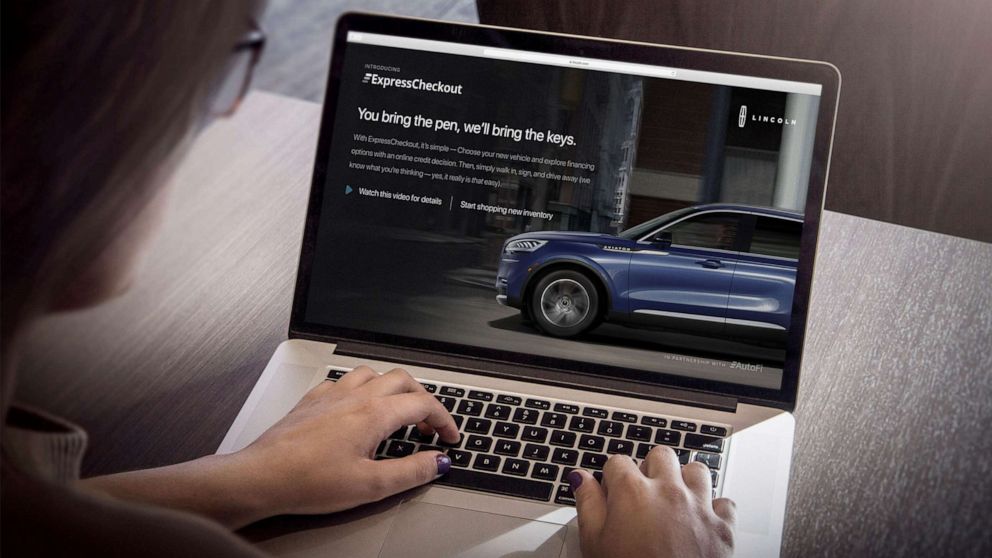
One of the most transformative aspects of online car buying lies in its integration with digital financing solutions. Websites and platforms often allow buyers to pre-qualify for loans, compare interest rates from various lenders, and even complete the entire loan application process online. This level of accessibility and transparency in financing empowers buyers to understand their borrowing capacity and monthly payments before they even commit to a specific vehicle.
For the financially savvy, this means less time spent at the dealership’s finance office and more time making informed decisions about loan terms, down payments, and total interest paid over the life of the loan. Online tools provide clear calculators, allowing users to adjust variables and see the immediate financial impact. This proactive approach to financing is a hallmark of the online car buyer, who seeks to demystify the loan process and secure the most favorable terms for their budget, often bypassing high-pressure sales tactics associated with traditional dealership financing.
Budgeting and Transparency in Online Pricing
Online platforms excel at providing transparent, often fixed, pricing for vehicles. This is a stark contrast to the traditional model where haggling was expected. For buyers who rigorously budget and plan their finances, this transparency is invaluable. They can instantly see the “all-in” price, including fees, and compare it directly against their pre-determined budget. This eliminates much of the uncertainty and stress associated with a major financial commitment.
Moreover, many online platforms offer detailed breakdowns of costs, including taxes, registration, and delivery fees, upfront. This comprehensive view allows buyers to allocate their funds precisely and avoid hidden charges that can inflate the final cost of a vehicle. For individuals and families who operate with strict financial plans, this level of clarity is a non-negotiable factor in their purchasing decision. They aren’t just buying a car; they are making a carefully calculated financial investment.
Demographics and Psychographics of the Online Car Buyer
While the financial motivations are strong, the “who” behind online car purchases also reveals specific demographic and psychographic profiles that inform their monetary decisions.
The Tech-Savvy and Financially Literate Generation
A significant portion of online car buyers are digital natives or highly tech-proficient individuals. These are often younger generations (Millennials and Gen Z) who have grown up with e-commerce and are comfortable conducting significant transactions online. Their financial literacy is often higher, as they have access to vast amounts of information and tools for budgeting, investing, and comparing prices. They are adept at using comparison websites, reading financial reviews, and leveraging online forums to inform their purchasing decisions.
However, it’s not exclusively about age. Many older generations who have embraced digital tools for other financial activities (like online banking or stock trading) also fall into this category. They appreciate the ability to conduct thorough due diligence, research vehicle histories, safety ratings, and depreciation trends, all from their personal devices, allowing them to make a financially sound choice rather than an impulsive one.
Time-Strapped Professionals Seeking Efficiency
Another key demographic consists of busy professionals and individuals with demanding schedules. For them, time is a precious commodity, and the traditional dealership experience – involving multiple visits, waiting times, and prolonged negotiations – is a significant deterrent. Online car buying offers an unparalleled level of efficiency. They can browse inventory, apply for financing, and even arrange delivery on their own schedule, often outside of conventional business hours.
This group values the convenience of streamlining the car-buying process, understanding that their time has a monetary value. By minimizing the hours spent on a purchase, they effectively “save” money by freeing up time for work, family, or other pursuits. The ability to complete the purchase from their home or office, at their own pace, is a powerful driver for their financial decision to buy online.
Consumers Prioritizing Research and Informed Decisions
The online car buyer is inherently a researcher. Before making such a substantial financial commitment, they meticulously gather information. They pore over reviews, compare specifications, analyze depreciation curves, and assess long-term ownership costs. These buyers often arrive at the digital checkout with a clear understanding of the market value of their desired vehicle, equipped with data that allows them to discern fair pricing from inflated costs.
This diligence is a direct reflection of their prudent approach to personal finance. They want to ensure every dollar spent is justified and that they are getting the best possible return on their investment (or the least financial depreciation). Online platforms facilitate this deep dive by providing access to comprehensive vehicle histories (like CARFAX or AutoCheck), expert reviews, and user testimonials, all contributing to a more informed and financially confident purchasing decision.
Financial Advantages and Perceived Risks of Online Car Purchases
While online car buying offers significant financial upsides, it also comes with its own set of considerations and perceived risks that financially conscious buyers must weigh.
Potential for Cost Savings and Competitive Pricing
One of the most compelling financial advantages of buying a car online is the potential for significant cost savings. Online retailers often operate with lower overheads than traditional dealerships, allowing them to pass those savings on to the consumer in the form of more competitive pricing. Furthermore, the sheer volume of inventory available online, spanning across various regions, fosters a more competitive market where sellers are constantly vying for buyer attention through attractive pricing and promotions.
Buyers can leverage this environment to their advantage, often finding identical vehicles at lower prices online than they would locally. This is particularly true for used cars, where the online market is vast and diverse. The ability to compare numerous options quickly helps buyers identify discrepancies and secure a better deal, maximizing their financial resources.
Navigating Warranties, Returns, and After-Sale Financial Commitments
Despite the advantages, financially astute buyers are also keenly aware of the potential risks associated with an online purchase. A primary concern is the inability to physically inspect and test-drive the vehicle before commitment. To mitigate this, reputable online platforms often offer comprehensive return policies (e.g., a 7-day money-back guarantee) and extended warranty options. Understanding the terms of these policies is crucial for the online buyer.
They meticulously review warranty coverage, return windows, and any associated financial penalties or charges. For them, these post-purchase financial commitments (or safeguards) are just as important as the initial price. They want assurance that if the vehicle doesn’t meet expectations or develops unforeseen issues, they won’t be left with a depreciating asset and mounting repair costs. Thoroughly understanding these protections is key to mitigating financial risk in an online transaction.
The Psychology of a Major Online Financial Transaction
The act of spending tens of thousands of dollars online can be psychologically daunting for some. The lack of a physical handshake or a direct interaction with a seller for such a substantial sum requires a higher degree of trust in the digital process. Financially conservative buyers might initially hesitate, but they are often swayed by the transparency, security features (like secure payment gateways), and customer support offered by established online platforms.
They look for clear communication regarding every financial detail, from the deposit to the final payment schedule. The emotional comfort of knowing all terms are upfront and documented digitally helps overcome the psychological barrier of making a major financial commitment without traditional human interaction. The sense of control and clarity provided by online platforms can actually reduce the stress often associated with large financial decisions.
The Impact on Traditional Dealerships and Future Financial Models
The rise of the online car buyer is not just changing consumer behavior; it’s forcing a fundamental re-evaluation of business models across the automotive and financial industries.
Adaptation Strategies for Brick-and-Mortar Finance Departments
Traditional dealerships are increasingly recognizing the need to adapt their finance departments to compete with online transparency. This means embracing digital tools themselves, offering online pre-approval processes, clear pricing structures on their websites, and streamlined in-person financing experiences. Dealerships that continue with opaque pricing or aggressive finance pitches risk alienating the modern, financially informed consumer.
The future of dealership finance departments will likely involve a hybrid approach: providing competitive online tools for research and pre-qualification, while also offering expert advice and personalized financing options for those who still prefer an in-person consultation for complex financial products like leases or special financing arrangements. Their value proposition shifts from negotiation to consultation, guiding buyers through their financial choices.
Hybrid Models: Blending Digital Convenience with Physical Assurance
The most successful models in the coming years will likely be hybrid, combining the best of both worlds. This means online platforms offering physical touchpoints (e.g., pick-up locations, inspection centers, or partnered service centers), and traditional dealerships providing robust online experiences. Financially, this caters to a broader spectrum of buyers: those who prefer a fully digital transaction for its efficiency, and those who want to finalize financial paperwork in person or need physical reassurance before committing a significant sum.
These hybrid models offer flexible payment and financing options, allowing buyers to switch between online and offline channels as their financial comfort dictates. For example, a buyer might secure a loan online, then visit a physical location for a final inspection and to sign the financial documents. This approach maximizes financial flexibility and caters to diverse consumer preferences.
Emerging Financial Products and Services for Online Buyers
The growth of online car buying is also spurring the development of innovative financial products and services. This includes specialized insurance policies tailored for online purchases, subscription-based car ownership models, and more flexible financing arrangements that adapt to gig economy workers or those with less traditional income streams. Fintech companies are entering the automotive space, offering new ways to finance, lease, or even “own” a vehicle, often with a greater emphasis on digital-first experiences and personalized financial advice.
These emerging products cater directly to the evolving financial needs and expectations of the online car buyer, who seeks solutions that are as modern and adaptable as their purchasing habits. The financial ecosystem surrounding car ownership is becoming more dynamic, transparent, and user-centric, driven by the demands of a digitally empowered consumer.

Conclusion
The question of “who buys cars online” leads us directly to a demographic characterized by financial savviness, a demand for transparency, and a strong preference for efficiency. These buyers are not merely seeking a vehicle; they are making a significant financial investment, and their decision-making process is deeply intertwined with their approach to personal finance. They leverage technology to gain control over pricing, financing, and after-sale commitments, minimizing risk and maximizing value.
As the automotive market continues its digital transformation, understanding the financial psychology and pragmatic motivations of these online consumers will be paramount for any entity operating within this space. The shift towards online car buying underscores a broader evolution in consumer finance, where empowerment, clarity, and control are increasingly becoming non-negotiable elements of any major purchase. The future of car commerce is undoubtedly digital, and its trajectory is being shaped by financially astute individuals who choose to click their way to their next set of wheels.
aViewFromTheCave is a participant in the Amazon Services LLC Associates Program, an affiliate advertising program designed to provide a means for sites to earn advertising fees by advertising and linking to Amazon.com. Amazon, the Amazon logo, AmazonSupply, and the AmazonSupply logo are trademarks of Amazon.com, Inc. or its affiliates. As an Amazon Associate we earn affiliate commissions from qualifying purchases.