
Acquiring a used car can be a fiscally sound decision, often providing significant savings over purchasing a new vehicle while still meeting essential transportation needs. However, the landscape for finding these pre-owned assets is vast and varied, requiring a strategic approach to ensure a wise financial investment. Understanding the different avenues available, along with their respective advantages and potential pitfalls, is crucial for securing a reliable vehicle that aligns with your budget and long-term financial goals.
Navigating the Online Marketplaces
The digital age has revolutionized the used car market, offering unparalleled access to a diverse inventory from the comfort of your home. These online platforms serve as primary search engines for many prospective buyers, but they each possess distinct characteristics affecting price, selection, and convenience.
Aggregator Sites
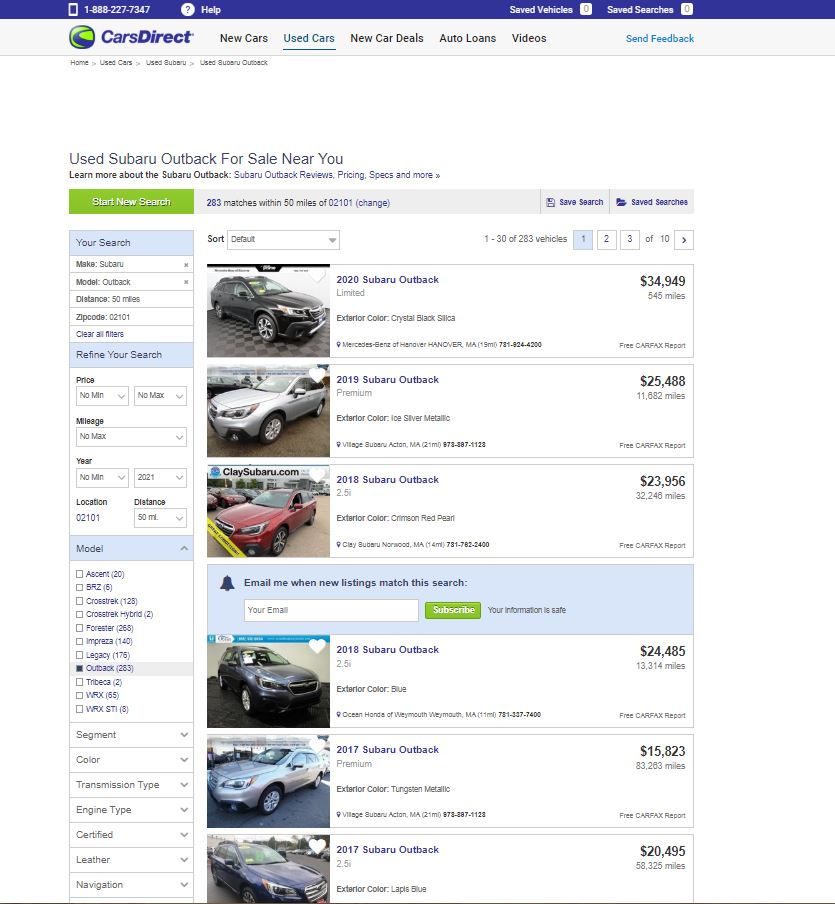
Aggregator sites compile listings from a multitude of sources, including dealerships and private sellers, making them excellent starting points for broad searches. Platforms like AutoTrader, Cars.com, and Edmunds allow users to filter vehicles by make, model, year, price range, mileage, and features, providing a comprehensive overview of the market. From a financial perspective, these sites enable efficient price comparison across numerous listings, helping buyers identify competitive deals and understand average market values for specific models. This empowers informed negotiation, a key component in optimizing your purchase price. However, buyers should be prepared for potential discrepancies in information and the need to verify details directly with sellers, as these platforms primarily serve as listing services.
Online-Only Retailers
A newer, increasingly popular option involves online-only used car retailers such as Carvana, Vroom, and Shift. These companies specialize in an entirely digital car-buying experience, from selection and financing to delivery. Their business model emphasizes convenience and transparency, often providing fixed, non-negotiable pricing. While this might eliminate the stress of negotiation, it also means less opportunity to drive down the price further. Financially, the value proposition here lies in the streamlined process, often competitive financing options directly through their platforms, and extended return policies (typically 7 days), which can mitigate some of the risks associated with buying a used car sight unseen. For those who prioritize convenience and a no-haggle price over the potential for deeper negotiation, these retailers offer a compelling alternative.
Classifieds and Auction Sites
For the more intrepid and budget-conscious buyer, online classifieds and auction sites can yield significant savings. Craigslist, Facebook Marketplace, and eBay Motors facilitate direct peer-to-peer sales, often cutting out dealer markups. The financial benefit here is the potential for lower prices due to the direct transaction and, often, the seller’s motivation to offload a vehicle quickly. However, this avenue demands a higher degree of due diligence. Buyers must be prepared to thoroughly vet sellers, inspect vehicles meticulously, and arrange their own financing and paperwork. Auction sites, particularly eBay Motors, can also offer great deals, but they require a sharp understanding of market value and a quick decision-making process. The risk of purchasing a vehicle with hidden issues is higher here, underscoring the importance of independent inspections and comprehensive vehicle history reports.
Exploring Dealership Options
Dealerships remain a cornerstone of the used car market, offering a blend of convenience, reliability, and established financial services. The type of dealership you choose can significantly impact not only the vehicle selection but also the financing terms and post-purchase support.
Franchised Dealerships (Certified Pre-Owned Programs)
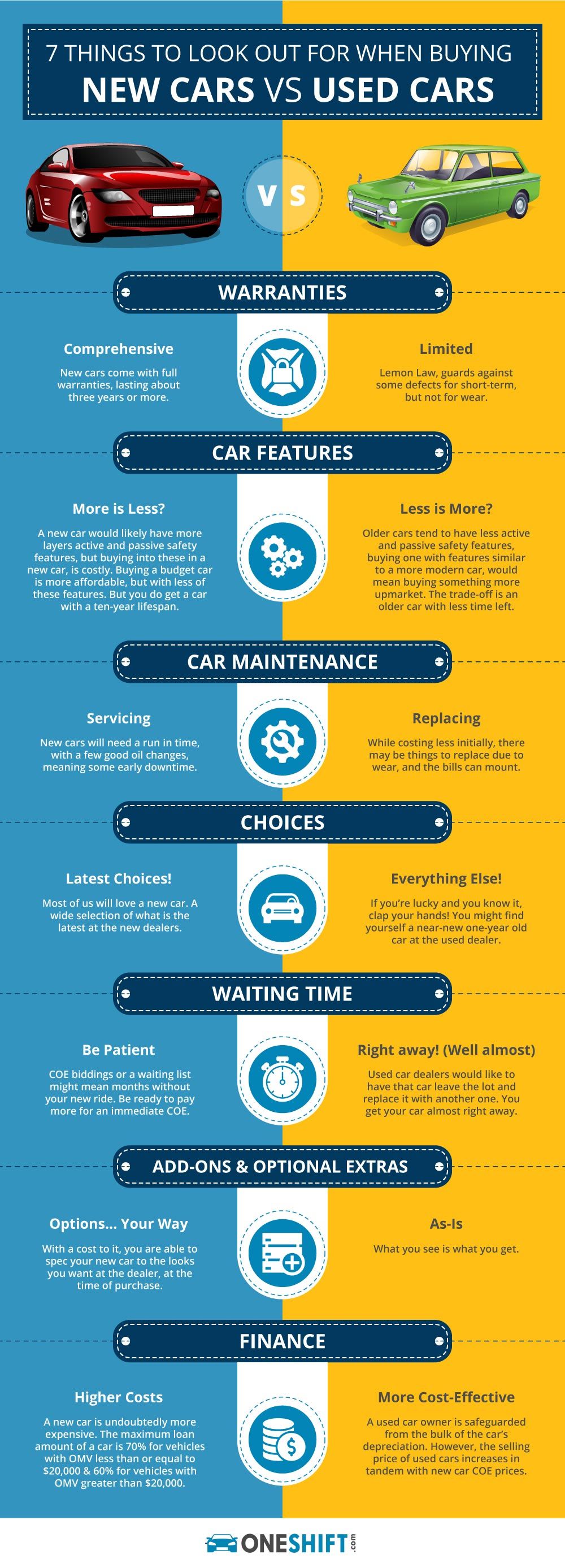
Franchised dealerships, selling specific new car brands, also maintain extensive inventories of used vehicles, including Certified Pre-Owned (CPO) cars. CPO vehicles are typically late-model, low-mileage used cars that have undergone rigorous multi-point inspections and often come with extended manufacturer warranties. From a financial standpoint, while CPO cars are generally more expensive than non-CPO used cars, the added warranty coverage and assurance of quality can reduce unexpected repair costs, providing long-term financial peace of mind. For buyers seeking a blend of affordability and reduced risk, CPO programs offer a compelling value proposition, albeit at a slightly higher initial outlay. They also offer in-house financing, potentially simplifying the loan application process.
Independent Used Car Lots
Independent used car lots specialize exclusively in pre-owned vehicles, often featuring a wider variety of makes and models than franchised dealerships. These lots can be excellent sources for competitive pricing, as they often have lower overheads than their franchised counterparts. Negotiation is typically expected here, providing an opportunity for savvy buyers to secure a better deal. Financing options may vary, ranging from partnerships with multiple lenders to in-house financing solutions. Buyers should prioritize lots with strong local reputations and be diligent in verifying vehicle history and conducting pre-purchase inspections to mitigate potential financial risks associated with unknown vehicle conditions.
Buy Here, Pay Here Lots
“Buy Here, Pay Here” (BHPH) dealerships cater to buyers with challenged credit histories, offering in-house financing where the dealership itself acts as the lender. While these lots provide a vital service for individuals who might otherwise struggle to obtain a car loan, they often come with significant financial caveats. Interest rates can be substantially higher than traditional loans, and vehicle prices may also be elevated. For those considering this option, a thorough understanding of the total cost of the loan—including all fees and the effective annual percentage rate (APR)—is paramount. While they offer accessibility, it’s crucial to weigh the immediate need for a vehicle against the long-term financial implications of potentially high interest and less favorable terms. Exploring all other financing options first is highly recommended.
Unconventional and Private Sale Avenues
Beyond the well-trodden paths of online marketplaces and dealerships, several less conventional avenues can lead to excellent used car finds, often with significant financial advantages.
Private Sellers (Online & Local)
Directly purchasing from a private seller, whether found through online classifieds, local newspaper ads, or community bulletin boards, can often yield the best prices. Without a dealer’s overhead or profit margin, the asking price tends to be lower. The financial benefit here is direct savings. However, this approach requires the buyer to manage all aspects of the transaction, including negotiation, title transfer, and registration. There are also fewer consumer protections compared to dealership purchases. Crucially, buyers must arrange independent vehicle inspections and thoroughly vet the seller and the car’s history to avoid purchasing a problematic vehicle that could lead to costly repairs down the line.
Rental Car Companies (Fleet Sales)
Major rental car companies frequently sell off portions of their fleets, offering well-maintained, relatively new vehicles with detailed service records. Companies like Enterprise Car Sales, Hertz Car Sales, and Avis Car Sales have dedicated programs for selling their used vehicles. Financially, these cars are often priced competitively and come with the advantage of having been professionally maintained on a strict schedule. While they typically have higher mileage for their age, they are generally reliable. These sales often include limited warranties, which can provide additional peace of mind and protect against immediate financial surprises.
Government and Fleet Auctions
For buyers with a keen eye for value and a tolerance for risk, government and commercial fleet auctions can offer vehicles at significantly reduced prices. These auctions feature everything from seized vehicles to retired municipal or corporate fleet cars. The financial advantage is the potential to purchase a vehicle well below market value. However, most vehicles are sold “as-is,” with limited opportunities for inspection and no warranties. This avenue is best suited for experienced buyers or those who can bring a mechanic to the auction for a quick assessment, as the financial risks of acquiring a “lemon” are considerable.
Word-of-Mouth and Local Networks
Sometimes, the best deals are found through personal connections. Letting friends, family, and colleagues know you’re in the market for a used car can uncover opportunities where a trusted individual is looking to sell their vehicle. The financial benefit here is often a fair price and a known history of the vehicle, reducing some of the unknowns. A private sale through a trusted connection can mitigate the risks associated with unknown sellers and vehicles, offering a level of confidence that formal marketplaces sometimes lack.
Financial Considerations Before You Buy
Regardless of where you find your used car, a robust understanding of your financial situation and the total cost of ownership is paramount. A smart purchase begins long before you even see a vehicle.
Budgeting and Affordability
Before starting your search, establish a clear budget. This isn’t just about the purchase price; it includes sales tax, registration fees, insurance, and ongoing maintenance costs. A common rule of thumb suggests that your total car expenses (payment, insurance, fuel, maintenance) should not exceed 10-15% of your net monthly income. Overstretching your budget for a vehicle can compromise other financial goals, such as saving for retirement or a down payment on a home.
Loan Pre-Approval
If you plan to finance your purchase, obtaining pre-approval from a bank or credit union before visiting dealerships puts you in a stronger negotiating position. Pre-approval gives you a clear understanding of the interest rate you qualify for and the maximum amount you can borrow. This prevents dealerships from manipulating your monthly payment to obscure a higher total price and empowers you to focus on the vehicle’s price, rather than just the payment. Better loan terms translate directly into significant long-term financial savings.
Understanding Total Cost of Ownership
The sticker price is merely one component of car ownership. Factor in depreciation, insurance premiums (which can vary significantly for different makes and models), fuel economy, and anticipated maintenance and repair costs. Researching reliability ratings for specific models can provide insights into potential future expenses. Opting for a vehicle with a lower total cost of ownership, even if its initial price is slightly higher, can lead to substantial financial savings over its lifespan.
Due Diligence: Protecting Your Investment
Once you’ve identified a potential vehicle, thorough due diligence is essential to protect your financial investment and avoid future headaches. This step can save you thousands in unexpected repairs.
Vehicle History Reports
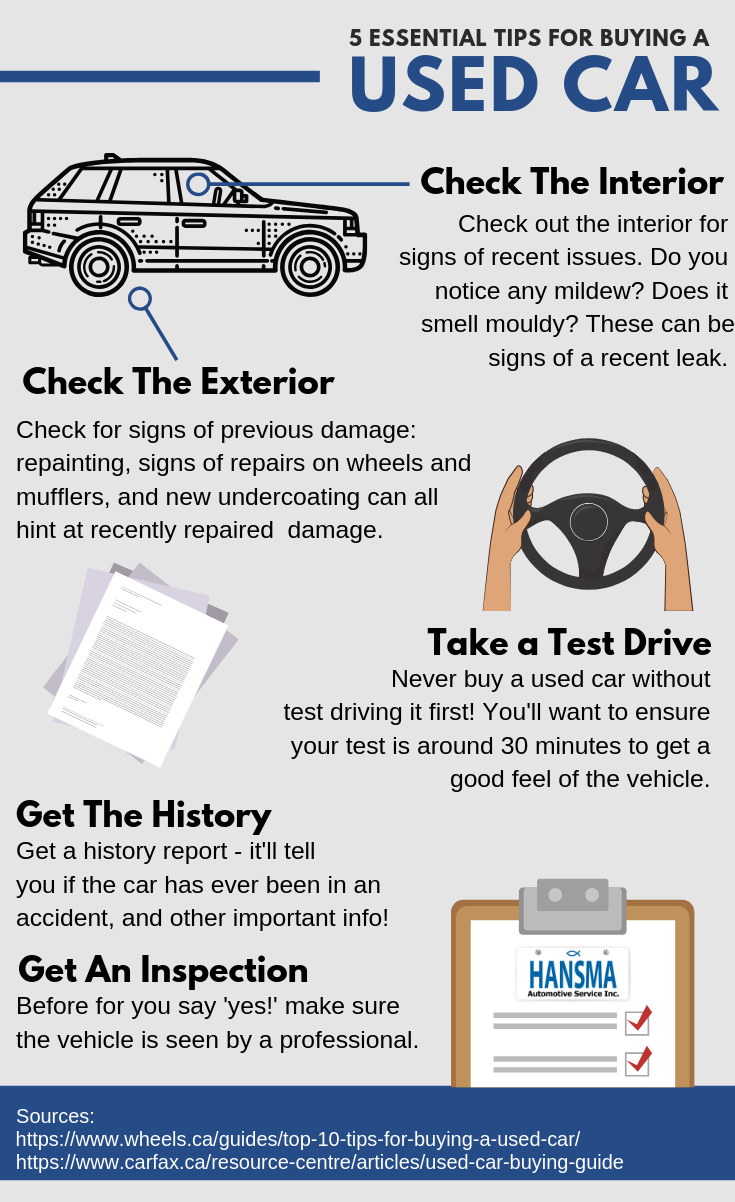
Always obtain a comprehensive vehicle history report from services like Carfax or AutoCheck. These reports reveal crucial information about a car’s past, including accident history, salvage titles, flood damage, odometer tampering, previous owners, and service records. Identifying a clean history is a fundamental step in ensuring the vehicle’s structural and mechanical integrity, directly impacting its long-term reliability and your financial outlay for repairs.
Pre-Purchase Inspections
A professional pre-purchase inspection (PPI) by an independent, trusted mechanic is non-negotiable for any used car purchase. This inspection goes beyond the visual checks and test drives, uncovering hidden mechanical issues, signs of damage, or maintenance needs that could cost a fortune down the road. The modest cost of a PPI is a minimal investment compared to the potential expense of unforeseen major repairs. A PPI provides an objective assessment of the vehicle’s condition, empowering you with leverage in price negotiation or the confidence to walk away from a problematic purchase, thereby safeguarding your finances.
Test Drives and Personal Assessment
Beyond professional inspections, your personal test drive is invaluable. Pay attention to how the car handles, the responsiveness of the brakes, the feel of the steering, and any unusual noises or vibrations. Test driving the vehicle in various conditions—city streets, highways, and even hills—can reveal aspects of its performance and comfort that might not be apparent otherwise. This personal assessment is a critical final step, ensuring the vehicle not only meets your financial criteria but also your practical needs and personal preferences, making it a truly valuable asset.
aViewFromTheCave is a participant in the Amazon Services LLC Associates Program, an affiliate advertising program designed to provide a means for sites to earn advertising fees by advertising and linking to Amazon.com. Amazon, the Amazon logo, AmazonSupply, and the AmazonSupply logo are trademarks of Amazon.com, Inc. or its affiliates. As an Amazon Associate we earn affiliate commissions from qualifying purchases.