
Selling a used car is more than just transferring ownership; it’s a significant financial transaction that, when executed strategically, can yield substantial returns or prevent unnecessary losses. For many individuals, a car represents one of their largest depreciating assets, and understanding the financial levers involved in its sale is crucial for maximizing its value. This guide delves into the strategic financial considerations necessary to achieve a successful and profitable sale, ensuring you navigate the process with astute fiscal planning.
Assessing Your Car’s Financial Value
Before listing your car, a rigorous financial assessment is paramount. This initial step dictates your pricing strategy, informs your preparation efforts, and ultimately influences your negotiation power.
Market Research and Pricing Strategies
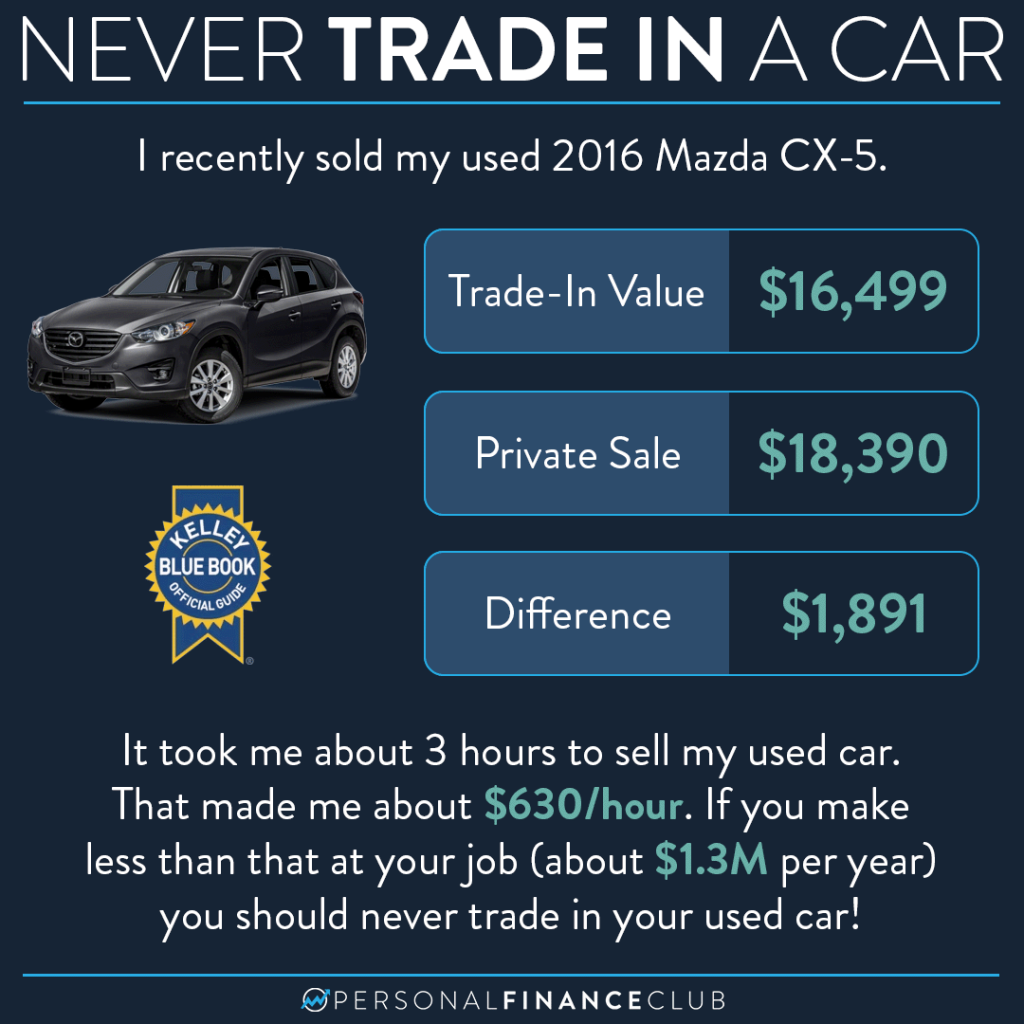
Accurate pricing is the bedrock of a successful sale. Overprice, and your car will languish on the market, depreciating further; underprice, and you leave money on the table. Start by leveraging established financial valuation tools:
-
Kelley Blue Book (KBB): Provides a range of values based on condition, mileage, and features, offering both private party and trade-in estimates.
-
Edmunds: Offers a comprehensive appraisal tool that considers local market conditions and recent sales data.
-
NADAguides: Often used by financial institutions, offering a professional perspective on vehicle values.
Beyond these tools, actively research comparable vehicles listed for sale in your local market. Look at both private sellers and dealerships for similar makes, models, years, mileage, and condition. Pay attention to how quickly these cars are selling and at what prices. Consider the regional demand for your specific vehicle type; for instance, SUVs might fetch higher prices in areas with harsh winters, while fuel-efficient compacts might be more desirable in urban centers with high gas prices. Your goal is to pinpoint a competitive yet profitable price range that reflects the current market realities.
Understanding Depreciation and Its Impact
Depreciation is the silent financial killer of automotive assets. A car’s value typically drops significantly in its first few years, then stabilizes, though it continues a steady decline. Understanding your car’s depreciation curve helps you set realistic expectations and make timely decisions. If your car is rapidly approaching a mileage or age milestone that typically triggers a sharp drop in value (e.g., hitting 100,000 miles), expediting the sale could be financially prudent. Conversely, if your car has already absorbed its major depreciation hits, its value might be more stable, allowing for a more patient selling approach. Factor in external economic conditions, such as rising interest rates or fluctuating fuel prices, which can accelerate or slow depreciation for certain vehicle types.
The Cost of Repairs vs. As-Is Sale
A critical financial decision involves whether to invest in repairs before selling. While a well-maintained car generally commands a higher price, the cost of repairs might outweigh the potential increase in sale price.
-
High-ROI Repairs: Focus on issues that are noticeable, relatively inexpensive to fix, and significantly impact buyer perception or safety. Examples include minor bodywork, tire replacement if bald, brake service, or fixing obvious warning lights. These often provide a good return on investment by justifying a higher asking price and reducing buyer haggling.
-
Low-ROI Repairs: Avoid extensive engine overhauls or transmission replacements unless you’re certain the cost will be fully recouped. Buyers are often wary of significant mechanical issues, but the price difference between a car needing a new engine and one with a fresh overhaul might not cover the repair bill.
-
Selling “As-Is”: If repairs are too costly, consider selling the car “as-is.” This means disclosing all known issues and pricing the car accordingly. While it might fetch a lower price, it saves you from upfront repair costs and potential liability. Be transparent; undisclosed issues can lead to legal complications and damage your reputation, potentially costing more in the long run. Clearly state in your listing that the sale is “as-is” to manage buyer expectations.
Preparing for a Profitable Sale
Once you’ve financially assessed your vehicle, strategic preparation is essential to enhance its appeal and justify your asking price, directly impacting your bottom line.
Essential Maintenance and Detailing
Presenting your car in its best possible light is a direct investment in its financial outcome. Buyers are more likely to pay top dollar for a vehicle that appears well-cared for.
-
Deep Cleaning and Detailing: A professional detail can cost a few hundred dollars but can add significant perceived value. This includes a thorough interior clean (vacuuming, wiping down surfaces, cleaning upholstery/leather), exterior wash and wax, tire shining, and engine bay cleaning. First impressions are critical; a sparkling clean car signals responsibility and attention to detail.
-
Minor Fixes: Beyond major repairs, address minor cosmetic imperfections. Touch up paint chips, replace worn floor mats, clean hazy headlights, and fix any burnt-out bulbs. These small investments enhance curb appeal and eliminate easy talking points for price reduction during negotiations.
-
Service Records: Compile all maintenance and repair records. A complete service history demonstrates consistent care and can significantly boost buyer confidence, often justifying a higher price. It acts as a financial ledger of the car’s health.
Gathering Necessary Financial Documents
A smooth transaction requires impeccable organization of all financial and legal paperwork. Missing documents can delay the sale, deter buyers, or even invalidate the transaction.
-
Vehicle Title: This is the most crucial document. Ensure it’s in your name and free of any liens. If there’s an outstanding loan, contact your lender to understand their payoff process and obtain a lien release.
-
Loan Payoff Information: If you still owe money on the car, get an exact payoff quote from your lender, including any per diem interest charges. You’ll need to know this figure to ensure the sale price covers your debt, or to arrange for the buyer’s funds to directly pay off the loan.
-
Service History and Receipts: As mentioned, these validate your asking price.
-
Vehicle History Report (e.g., CarFax, AutoCheck): Consider purchasing one yourself. While buyers often request these, having one ready demonstrates transparency and can preempt questions, helping to justify your price by showing a clean record (or explaining any minor incidents upfront). This investment can instill buyer confidence and expedite the sale.
Strategic Photography and Listing Description
Your online listing is your primary financial marketing tool. High-quality visuals and a compelling description are essential for attracting serious buyers willing to pay your asking price.
-
Photography: Take numerous, well-lit photos from various angles, both interior and exterior. Highlight key features, condition, and any recent upgrades. Showcase the car’s best attributes while being honest about any minor imperfections. A financially savvy approach involves ensuring photos are clear, professional, and showcase the car’s value proposition without being misleading.
-
Description: Craft a detailed, honest, and persuasive description. Emphasize key financial benefits: fuel efficiency, low maintenance costs (if applicable), recent service, new tires, or any extended warranty. Be transparent about mileage, condition, and any known issues. Clearly state your asking price and any flexibility, but avoid sounding desperate. Focus on features that provide a clear return on investment or enhance the buyer’s financial peace of mind. For example, “Recent comprehensive service ensures no immediate maintenance costs for the new owner,” or “Excellent fuel economy makes this an economical daily driver.”
Navigating the Selling Process to Maximize Returns
The actual selling process involves strategic choices about how and to whom you sell, and how you negotiate, all with the goal of maximizing your financial outcome.
Choosing the Right Sales Channel
The channel you choose significantly impacts the potential sale price and the effort required.
-
Private Sale: Generally yields the highest financial return as you bypass dealer markups. However, it demands more time, effort, and risk (dealing with strangers, handling paperwork, managing payments). This is often the preferred route for sellers prioritizing profit over convenience.
-
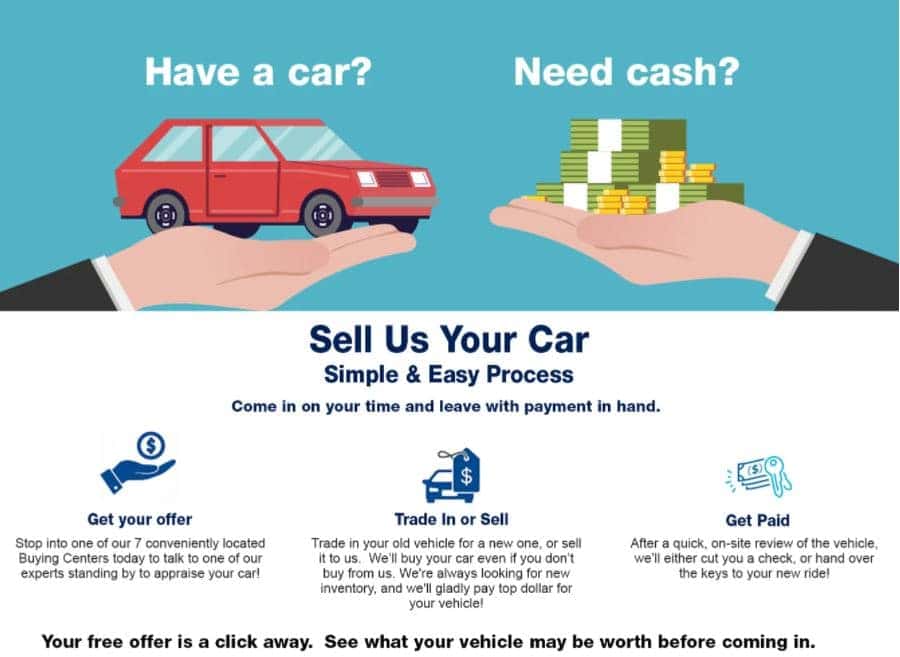
Dealership Trade-in: Offers ultimate convenience but typically the lowest financial return. Dealers need to buy low to sell high, so their offer will be below market value. Useful if you value convenience, need to offset a new car purchase immediately, or have a car with significant issues that might be difficult to sell privately.
-
Online Car Buying Services (e.g., Carvana, Vroom, Shift): These offer a middle ground: more than a trade-in, less than a private sale, with less hassle. They provide instant cash offers, often with pick-up service, making them a financially efficient option for those who want a quick sale without the full private party effort.
-
Consignment: Some dealerships offer consignment services, where they sell your car for a fee. This combines elements of both private and dealership sales, potentially fetching a better price than a direct trade-in, but still incurring a cost.
Consider your personal financial goals and time constraints when selecting the best channel.
Screening Buyers and Managing Inquiries
Time is money. Effectively screening potential buyers can save you countless hours.
-
Initial Communication: Look for genuine interest in specific details of the car, not just vague inquiries about the price. Serious buyers often ask about service history, specific features, or why you’re selling.
-
Set Boundaries: Don’t entertain ridiculously low offers from the outset. Clearly state your firm price or price range.
-
Safety First: When arranging test drives, meet in a public, well-lit place. Always accompany the buyer. Request proof of their driver’s license and insurance before allowing a test drive. Your personal and financial security are paramount.
-
Transparency: Be honest about the car’s condition. While you’re aiming for profit, misrepresentation can lead to costly disputes later.
Negotiation Tactics for a Higher Sale Price
Negotiation is where the rubber meets the road financially. Approach it strategically.
-
Set Your Anchor: Start with your desired price, perhaps slightly above your absolute minimum, to leave room for negotiation. This “anchor” influences the buyer’s perception of value.
-
Know Your Bottom Line: Before any negotiation, determine the absolute lowest price you are willing to accept. Stick to it. Don’t be pressured into a deal that doesn’t meet your financial objectives.
-
Highlight Value: Reiterate the car’s strengths and financial benefits (recent maintenance, new tires, excellent condition, included service records) to justify your price.
-
Be Prepared to Walk Away: If a buyer’s offer is too low, be prepared to politely decline and end the negotiation. Often, this can prompt a more serious offer.
-
Consider Non-Cash Concessions: If you’re stuck on price, consider offering a full tank of gas, a spare key, or a set of floor mats rather than dropping your price further. These small gestures can seal a deal without cutting significantly into your profit margin.
Securing the Financial Transaction and Closing the Deal
The final steps involve ensuring a secure financial exchange and proper legal transfer, protecting your financial interests.
Payment Methods and Fraud Prevention
This is perhaps the most critical financial aspect of the sale. Never release the car or sign over the title until payment has cleared and you are certain the funds are legitimate.
-
Cash: The quickest and most straightforward, but carries risks for large sums. Meet at your bank to verify bills and make a deposit immediately.
-
Cashier’s Check / Certified Check: Seemingly secure, but susceptible to fraud. Insist on meeting at the issuing bank during business hours to verify its authenticity with a teller. Fake cashier’s checks are a common scam.
-
Wire Transfer: Generally secure once funds are in your account, but ensure they are fully cleared and irrevocable before proceeding.
-
Escrow Service: For higher-value vehicles, a reputable third-party escrow service can provide security for both buyer and seller, though it involves a fee.
-
Loan Payoff: If the buyer is financing, their bank will typically pay your lender directly for any outstanding loan amount, and then pay you the difference. Verify this process with your lender and the buyer’s bank.
Avoid personal checks, Venmo/PayPal for large sums (due to chargeback risks), or any method that doesn’t guarantee cleared funds instantly.
Understanding Legal and Financial Paperwork
Proper documentation protects you legally and financially post-sale.
-
Bill of Sale: A legally binding document detailing the sale (buyer/seller names, VIN, sale price, date, “as-is” clause if applicable). Both parties should sign and keep a copy. This is your proof of sale.
-
Title Transfer: You must sign the title over to the buyer. Follow your state’s specific instructions for transfer, including odometer disclosure and any notary requirements. This legally transfers ownership and liability.
-
Release of Liability: In many states, you must notify the Department of Motor Vehicles (DMV) that you have sold the vehicle. This “release of liability” form is crucial for protecting you from any tickets, accidents, or other financial liabilities incurred by the new owner after the sale. Without it, you could be held responsible for actions after the car is no longer yours.
Post-Sale Financial Considerations
Even after the sale, there are financial loose ends to tie up.
-
Insurance Cancellation: Immediately contact your insurance provider to cancel or adjust your policy on the sold vehicle. Every day you delay is money wasted.
-
Loan Closure: If you had an outstanding loan, ensure your lender has fully processed the payoff and released the lien. Request a lien release document for your records.
-
License Plates: Check your state’s regulations. Some states require you to keep your plates; others require you to leave them on the car for the new owner to transfer.
-
Budgeting for Replacement: If you plan to purchase another vehicle, integrate the proceeds from your sale into your new vehicle budget. Understand how these funds will impact your down payment, loan amount, and overall financial health for your next automotive investment.
Selling a used car is a multi-faceted financial endeavor. By meticulously assessing its value, strategically preparing it for sale, skillfully navigating the market, and meticulously closing the transaction, you can ensure you achieve the best possible financial outcome, transforming a depreciating asset into valuable capital.
aViewFromTheCave is a participant in the Amazon Services LLC Associates Program, an affiliate advertising program designed to provide a means for sites to earn advertising fees by advertising and linking to Amazon.com. Amazon, the Amazon logo, AmazonSupply, and the AmazonSupply logo are trademarks of Amazon.com, Inc. or its affiliates. As an Amazon Associate we earn affiliate commissions from qualifying purchases.