
Strategic Pricing for Swift Sales
Selling a vehicle quickly is fundamentally a financial exercise, heavily influenced by its initial valuation and subsequent pricing strategy. The goal is to set a price that is attractive enough to generate immediate interest without leaving a substantial amount of money on the table. This delicate balance requires a deep understanding of market dynamics, an objective assessment of your vehicle’s condition, and a willingness to adapt.
Market Research and Competitive Analysis
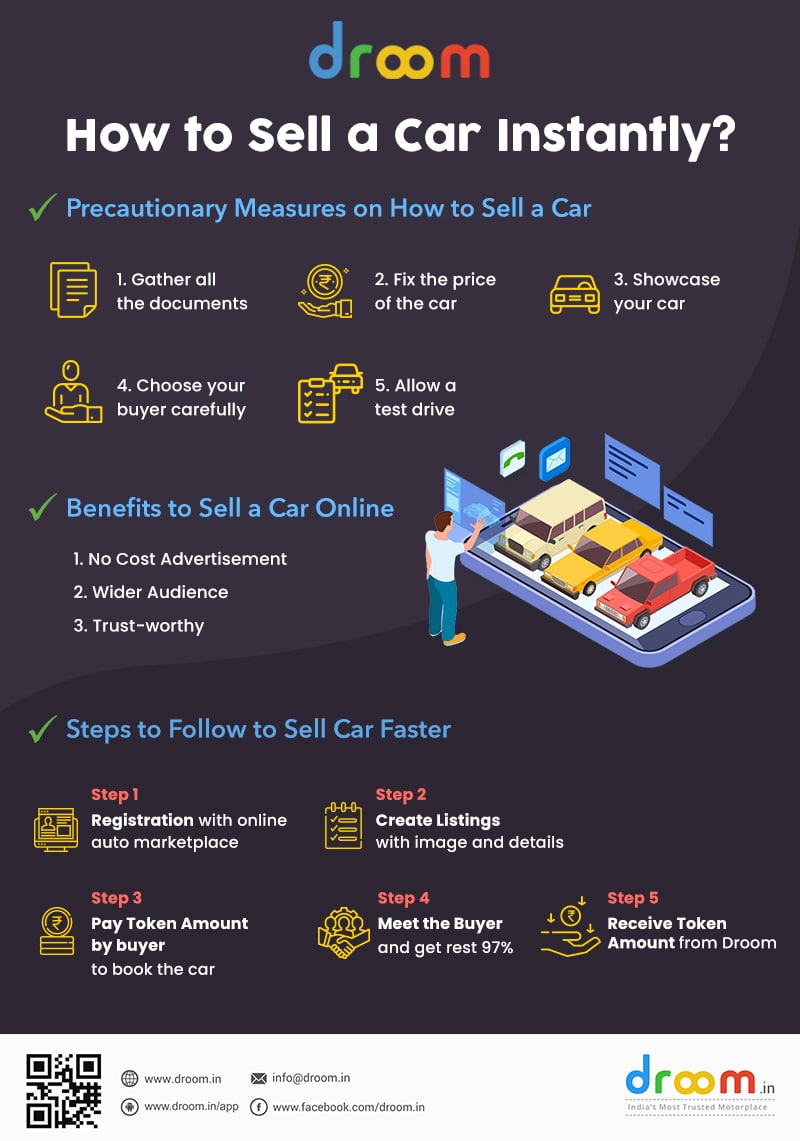
Before even contemplating a price, thorough market research is indispensable. Begin by identifying comparable vehicles—same make, model, year, trim level, and crucially, similar mileage and condition—currently listed for sale in your geographical area. Utilize reputable online car marketplaces, dealer websites, and classifieds to gather this data. Pay close attention to how long these vehicles have been listed; a car lingering on the market might be overpriced, while one that disappears quickly was likely priced aggressively. This competitive analysis isn’t just about finding the highest price, but rather identifying the sweet spot where demand meets perceived value. Consider the average asking prices, but also note the range. For a fast sale, your target price should ideally be at or slightly below the average for comparable vehicles in excellent condition, or notably below if there are minor issues. Resources like Kelley Blue Book (KBB), Edmunds, and NADA Guides offer objective valuations based on various factors, providing a crucial starting point to understand your vehicle’s baseline market worth, distinguishing between trade-in value, private party value, and retail value. For a quick private sale, aim closer to the private party value, potentially even slightly undercutting it if speed is the paramount concern.
The Psychology of “Fair” and “Urgent” Pricing
Pricing isn’t purely mathematical; it involves a significant psychological component. Buyers are often looking for a “deal” or at least a perception of getting fair value. To sell fast, your pricing must instantly convey this. A price that is slightly under the perceived market value can create a sense of urgency and attract multiple interested parties, potentially leading to a quicker sale and even a bidding scenario if competition is high. Consider using pricing strategies that end in “99” (e.g., $9,999 instead of $10,000) as they are psychologically proven to appear more attractive and less daunting. Be upfront about any known minor imperfections, as transparency can build trust and justify a slightly lower, yet still fair, price point, preventing prolonged negotiations later. Furthermore, clearly state if the price is firm or negotiable, but for a fast sale, being open to reasonable negotiation within a predetermined range can often expedite the process. Establishing a minimum acceptable price beforehand is critical to avoid making impulsive, financially detrimental decisions under pressure.
Accounting for Depreciation and Transaction Costs
Understand that your vehicle has been depreciating since the moment you drove it off the lot. This depreciation accelerates in the first few years. When calculating your selling price, factor in this reality, rather than clinging to an outdated perception of its worth. Overpricing based on emotional attachment or an inflated sense of value will only prolong the sale. Additionally, consider the various transaction costs associated with selling. These might include advertising fees, detailing expenses, minor repair costs, vehicle history report fees (if you’re providing one), and potential fees for transferring titles or registering the sale with your state’s DMV. While many of these are minor, they erode your net return. For a fast sale, it’s often financially prudent to absorb some of these costs or price slightly lower to offset potential buyer concerns, thereby streamlining the transaction. The goal is to maximize your net financial return within your desired timeframe, not necessarily to achieve the highest gross asking price that may never materialize.
Optimizing Financial Readiness and Presentation
Achieving a fast sale is not just about the price tag; it’s about making the vehicle an irresistible, turn-key financial proposition for a buyer. This involves a strategic investment of time and potentially a small amount of money into preparing the vehicle and its accompanying documentation.
Cost-Benefit Analysis of Pre-Sale Repairs and Detailing
While it might seem counterintuitive to spend money to sell something quickly, a smart investment in pre-sale preparation can yield significant financial returns and dramatically shorten the sales cycle. Conduct a thorough inspection of your vehicle. Address any minor mechanical issues that could deter a buyer or lead to hefty price deductions during negotiation. Think about things like warning lights (check engine, ABS), worn tires, or squeaky brakes. For more significant repairs, perform a cost-benefit analysis: Will the repair cost X amount, but increase the selling price by X+Y, or just reduce the negotiation leverage against you? Often, smaller, visible issues like a cracked windshield, a broken headlight, or an obviously failing battery are worth fixing.
Equally important is a professional-level cleaning and detailing. A clean, well-maintained vehicle instantly suggests to a buyer that it has been cared for, increasing its perceived value. This doesn’t necessarily require a professional detailer, though it can be a wise investment if time is short. A thorough wash, wax, interior vacuum, and wipe-down of all surfaces, tire shine, and cleaning of windows can work wonders. Eliminate odors. Presenting a vehicle that looks and smells good removes immediate barriers for a buyer and can justify your asking price, leading to quicker acceptance. The goal is to minimize objections and make the vehicle ready for immediate purchase without further expense or effort from the buyer.
Gathering Essential Financial and Legal Documentation
Nothing derails a fast sale faster than missing paperwork. Being organized and having all necessary documents readily available makes the transaction smooth and instills confidence in potential buyers. Prepare a folder containing:
-
The vehicle title: Ensure it’s clear of any liens. If you still owe money on the car, contact your lender immediately to understand their process for lien release and title transfer. This can be a significant time sink if not handled proactively.
-
Maintenance records: A complete history of oil changes, tire rotations, major services, and repairs provides tangible proof of diligent ownership and can significantly increase buyer trust and perceived value. It substantiates your asking price.
-
Vehicle history report (e.g., Carfax or AutoCheck): While buyers can purchase these, offering a recent report yourself shows transparency and saves the buyer a step, accelerating their decision-making process.
-
Proof of emission testing/safety inspections: If required in your state, ensure these are current.
-
Bill of sale template: Have a generic bill of sale prepared with space for vehicle details, sale price, buyer/seller information, and signatures. Some states provide official forms.
Having these documents neatly organized and ready to present streamlines the negotiation and closing process, projecting professionalism and minimizing any financial uncertainty for the buyer.
Understanding Your Vehicle’s True Value
Beyond market research, develop a realistic understanding of your vehicle’s “true value” to you versus its market value. If you need to sell fast due to an urgent financial need, relocation, or simply wanting to upgrade, your personal urgency might impact your negotiation flexibility. Be honest about your minimum acceptable price—the lowest figure you’re willing to accept that still meets your financial objectives. This floor should account for any outstanding loans, the cost of a replacement vehicle (if applicable), and any other associated expenses. Avoid emotional pricing. Detach yourself from the memories or initial purchase price. The market dictates the value, not your personal history with the car. This objective financial assessment prevents overpricing, which scares away buyers, and underpricing, which results in financial loss.
Expediting the Transaction and Protecting Your Assets
A fast sale requires not only attracting buyers but also efficiently converting interest into a completed, financially secure transaction. This stage is critical for mitigating financial risks and ensuring a smooth transfer of ownership.
Choosing the Right Sales Channel for Speed vs. Return
The choice of sales channel profoundly impacts both the speed of sale and your net financial return.
-
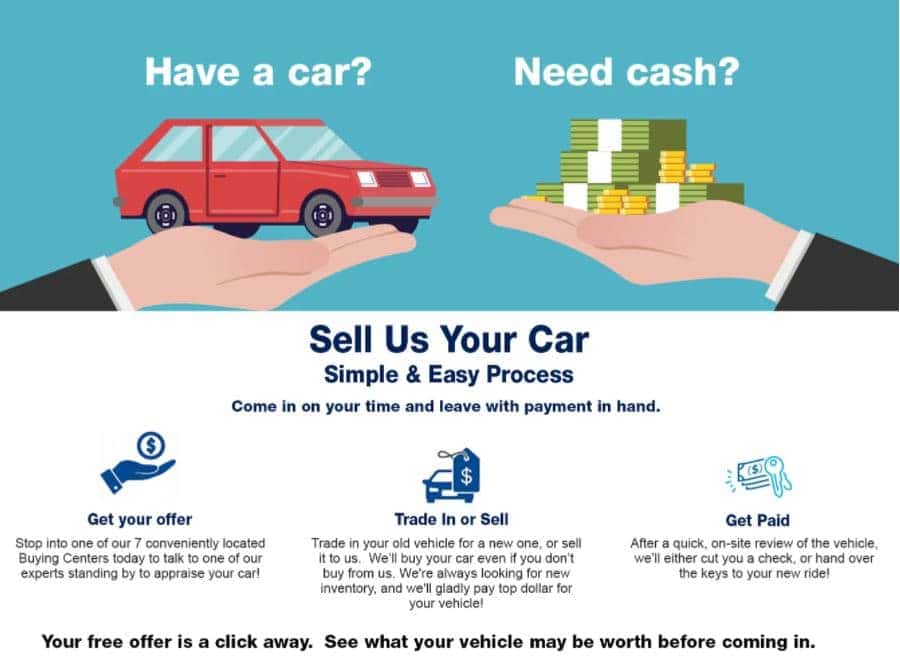
Dealership Trade-in/Instant Offer Services: This is typically the fastest route. Services like CarMax, Vroom, or local dealerships offer immediate cash offers. While incredibly convenient and fast, you will almost certainly receive less than the vehicle’s private party market value. The trade-off is often significant: speed and zero hassle versus maximum financial return. If speed is paramount, this is a viable option, but go in understanding the financial compromise.
-
Online Marketplaces (e.g., Facebook Marketplace, Craigslist, Autotrader, eBay Motors): These platforms offer a broader reach and generally fetch higher prices than trade-ins. However, they require more effort on your part (listing, communicating with buyers, test drives) and can take longer. For a fast sale, aggressively price your vehicle on these platforms, highlight its key selling points, and be highly responsive to inquiries. High-quality photos and detailed descriptions are crucial.
-
Consignment: Some dealerships or specialized services offer consignment, where they sell the car for you for a fee. This combines some convenience with potentially higher returns than a direct trade-in, but the sale timeline is less predictable and the fees eat into your profit.
Your decision should be a strategic financial one, weighing the urgency of needing cash against the potential for a higher selling price. If you need money today, a dealership offer might be your best bet, despite the lower payout.
Navigating Offers and Negotiations Financially
When offers start coming in, remain calm and financially focused. Don’t be pressured into accepting the first offer, especially if it’s significantly below your predetermined minimum acceptable price. However, for a fast sale, be prepared to negotiate reasonably. Have your minimum price in mind, and know what concessions you are willing to make (e.g., offering to cover a small repair cost, or including a set of winter tires). Counter-offers should always be justifiable based on your market research and the vehicle’s condition. Avoid emotional responses. If a buyer is excessively low-balling, it might be a sign they are not serious or not your target demographic. For a fast sale, prioritize serious buyers who are ready to make a deal and have their finances in order. Pre-qualifying buyers by asking about their financing situation can save time.
Secure Payment Methods and Transfer of Ownership
Protecting your financial assets during the transaction is non-negotiable. Never release the vehicle or the title until you have verified payment in full.
-
Cashier’s Check/Bank Check: While generally safe, these can be faked. Insist on meeting at the issuing bank during business hours to verify the check’s authenticity and watch the bank teller process the transfer.
-
Wire Transfer: This is often the most secure method for larger sums, as funds are transferred directly from the buyer’s bank to yours. Ensure the funds are fully cleared and in your account before handing over the keys and title.
-
Cash: For smaller amounts, cash is acceptable, but always count it carefully and consider meeting at your bank to deposit it immediately and verify authenticity. Avoid carrying large sums of cash unnecessarily.
-
Personal Checks: Avoid these entirely for private sales, as they can bounce after you’ve transferred ownership.
Once payment is verified, complete the bill of sale, sign over the title (following your state’s specific procedures for odometer readings, lien releases, etc.), and provide all necessary documentation. Notify your state’s Department of Motor Vehicles (DMV) or equivalent agency of the sale immediately to avoid any liability for the vehicle after it’s left your possession. Also, promptly cancel your insurance policy on the sold vehicle to stop premium payments.
Avoiding Common Financial Pitfalls
A fast sale should never come at the expense of financial security. Being aware of common scams and potential hidden costs is crucial to ensure your speedy transaction remains financially sound.
Scams and Fraud Prevention
The urgency to sell quickly can make sellers vulnerable to fraudulent schemes. Be wary of buyers who:
-
Offer more than the asking price, especially if they request you to wire back the difference (often an overpayment scam with a fake check).
-
Insist on using obscure or unverified payment apps or services.
-
Request personal financial information beyond what’s necessary for the transaction.
-
Pressure you into quick decisions without seeing the vehicle or asking reasonable questions.
-
Cannot meet in person or want to send a shipping agent for the vehicle without you seeing the funds clear.
-
Send generic, poorly written emails or texts that sound too good to be true.
Always verify the buyer’s identity if possible and trust your gut. If something feels off, it usually is. Prioritize legitimate offers, even if they are slightly lower, over suspicious high offers. Your financial safety is paramount.
Hidden Costs of a Slow Sale
While striving for a fast sale, recognize the financial implications of a slow sale. Every day your car sits unsold, it depreciates further. You continue to incur costs such as insurance premiums, registration fees, and potentially ongoing maintenance (e.g., battery tending, tire rotation if it sits for months). If you’ve already purchased a replacement vehicle, you might be paying insurance and potentially loan payments on two cars simultaneously. These accumulated “holding costs” can quickly erode any perceived advantage of holding out for a slightly higher price. A financially savvy seller understands that sometimes a slightly lower, but faster, sale yields a better net financial outcome than a prolonged wait for a marginal increase.

Tax Implications of Selling a Vehicle
In many jurisdictions, the sale of a personal vehicle is not typically subject to capital gains tax if sold for less than its original purchase price, as it’s considered a depreciating asset. However, it’s wise to understand any local or state sales tax implications, especially if you sell frequently or at a profit (e.g., collector cars). Keep detailed records of the sale price, date, and buyer information. Consult with a tax professional if you have any concerns or if the sale involves a unique circumstance, to ensure full compliance and avoid any unexpected financial liabilities later. Accurate record-keeping is a fundamental financial discipline that protects you in the event of any discrepancies or inquiries.
aViewFromTheCave is a participant in the Amazon Services LLC Associates Program, an affiliate advertising program designed to provide a means for sites to earn advertising fees by advertising and linking to Amazon.com. Amazon, the Amazon logo, AmazonSupply, and the AmazonSupply logo are trademarks of Amazon.com, Inc. or its affiliates. As an Amazon Associate we earn affiliate commissions from qualifying purchases.