
Maximizing Your Vehicle’s Value: Financial Preparation
Selling a car quickly and for a good price isn’t merely about finding a buyer; it’s fundamentally a financial exercise in asset management. The goal is to maximize your return on investment (ROI) and minimize holding costs. Strategic preparation can significantly impact the final sale price and the speed of the transaction.
Cost-Benefit Analysis of Pre-Sale Enhancements
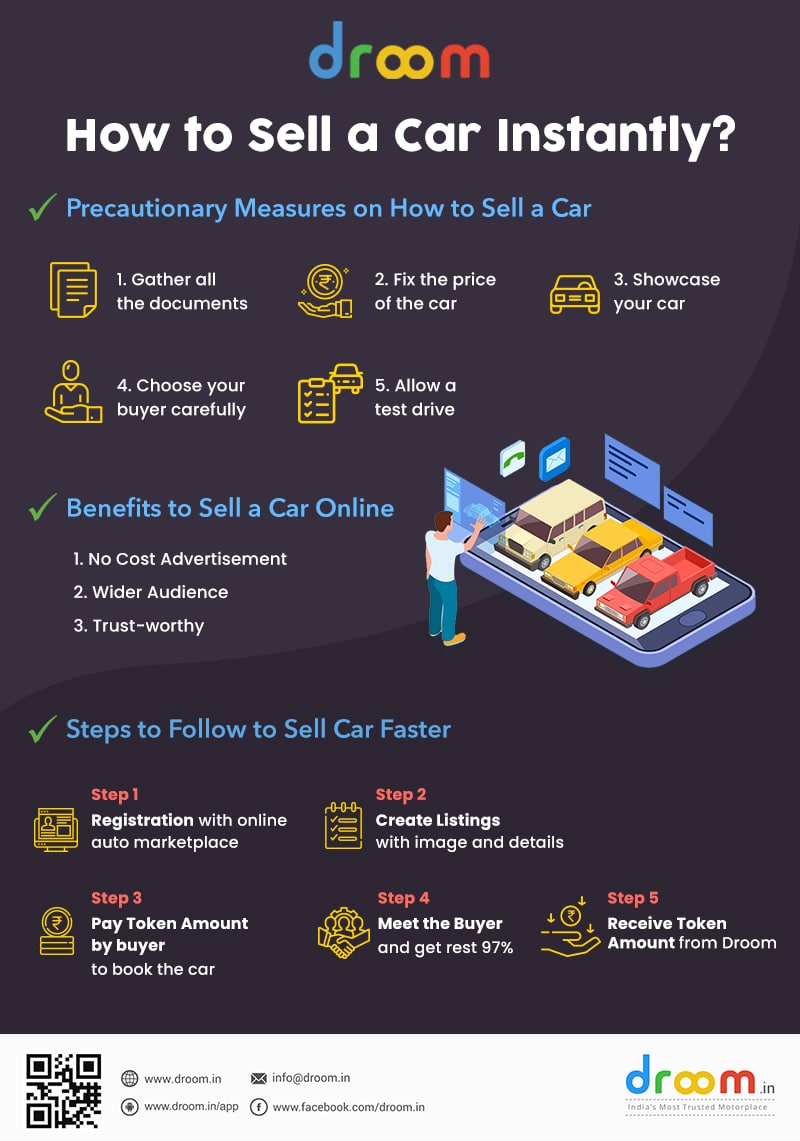
Before listing your car, a critical financial decision involves evaluating whether to invest in detailing, minor repairs, or mechanical maintenance. While these costs are immediate outflows, they can often yield a positive ROI by increasing the perceived value and attracting more buyers willing to pay a premium.
-
Professional Detailing: A clean car often translates to a higher perceived value. A thorough interior and exterior cleaning, including shampooing carpets, polishing surfaces, and tire dressing, can make a car appear newer and better maintained. Calculate the cost of professional detailing against the potential increase in selling price. Often, a few hundred dollars spent here can add thousands to the asking price or expedite a sale.
-
Minor Cosmetic Repairs: Address small dents, scratches, or chipped paint. These imperfections can be disproportionately impactful on a buyer’s perception, leading them to assume deeper underlying issues and negotiate aggressively downwards. A touch-up pen or a smart repair service for minor damage is a small investment that often pays dividends.
-
Essential Mechanical Maintenance: Review your vehicle’s service history. If a significant service is due or if there are known minor mechanical issues (e.g., worn brake pads, flickering dashboard light), consider addressing them. While major repairs might not always offer a positive ROI due to their high cost, fixing smaller, noticeable problems demonstrates responsible ownership and mitigates buyer concerns, reducing their leverage for price reduction. Always weigh the repair cost against the likely increase in sale price and the avoidance of buyer walkaways.
Comprehensive Documentation: A Financial Asset
A complete and organized set of documentation is an invaluable financial asset when selling a car. It provides transparency, builds trust, and justifies your asking price by demonstrating the car’s history and maintenance.
-
Service Records: Keep detailed records of all oil changes, tire rotations, major services, and repairs. These records prove proactive maintenance, reassuring potential buyers about the car’s longevity and reducing their perceived risk of future expensive repairs.
-
Ownership History and Title: Ensure your title is clear and readily available. Any liens must be satisfied before the sale can be finalized, which is a crucial financial step. A clean title streamlines the transfer of ownership, preventing delays that can deter motivated buyers.
-
Vehicle History Report (VHR): Consider purchasing a Vehicle History Report (e.g., CarFax, AutoCheck) yourself. While buyers often run these, providing one upfront demonstrates transparency and allows you to proactively address any minor issues or questions that might arise, avoiding last-minute negotiations based on incomplete information. This small expenditure can save significant negotiation headaches and potentially secure a higher price.
Strategic Pricing for a Swift Sale and Optimal Return
Setting the right price is the most critical financial decision in the car selling process. Overpricing deters buyers and prolongs the sale, incurring holding costs (insurance, depreciation). Underpricing leaves money on the table. The goal is to identify the sweet spot that attracts buyers quickly while maximizing your financial return.
Market Research and Value Assessment
Accurate market valuation is the cornerstone of effective pricing. Do not rely solely on your emotional attachment or original purchase price.
-
Utilize Online Valuation Tools: Websites like Kelley Blue Book (KBB), Edmunds, and NADA Guides offer robust valuation tools based on your car’s make, model, year, mileage, condition, and features. Get multiple estimates to establish a fair range.
-
Analyze Comparable Listings: Browse current listings on popular online marketplaces (e.g., AutoTrader, Facebook Marketplace, Craigslist) for cars identical or very similar to yours. Pay attention to asking prices, how long they’ve been listed, and what features they offer. This provides real-time market insights.
-
Factor in Depreciation: Understand that vehicles depreciate significantly, especially in the first few years. Your car’s current market value is likely considerably lower than its original purchase price. Accept this financial reality to set a realistic price.
Pricing Strategies and Negotiation Tactics
Once you have a solid understanding of your car’s market value, you can formulate your pricing strategy.
-
Anchor Price and Negotiation Buffer: Consider setting an initial asking price slightly above your absolute minimum acceptable price. This creates a negotiation buffer, allowing buyers to feel they’ve “won” a discount while you still achieve your financial target.
-
“Odd-Even” Pricing: Psychologically, prices ending in 999 (e.g., $9,999 instead of $10,000) can make a car seem more affordable. This small perceived difference can sometimes tip a buyer’s decision.
-
Highlighting Financial Benefits: When discussing the car with potential buyers, highlight features that offer long-term financial benefits, such as excellent fuel economy, low maintenance costs (supported by service records), or a history of reliability.
-
Negotiation Preparedness: Expect buyers to negotiate. Be firm but flexible. Know your bottom line and be prepared to walk away if an offer is too low. Remember that selling quickly has its own financial benefits (avoiding ongoing insurance, registration, and potential repair costs), so a slightly lower offer that closes quickly might be better than holding out indefinitely for a marginally higher price. Do not reveal your lowest acceptable price prematurely. Instead, justify your asking price with the car’s condition, features, and market value.
Navigating the Sales Process: Financial Logistics and Security
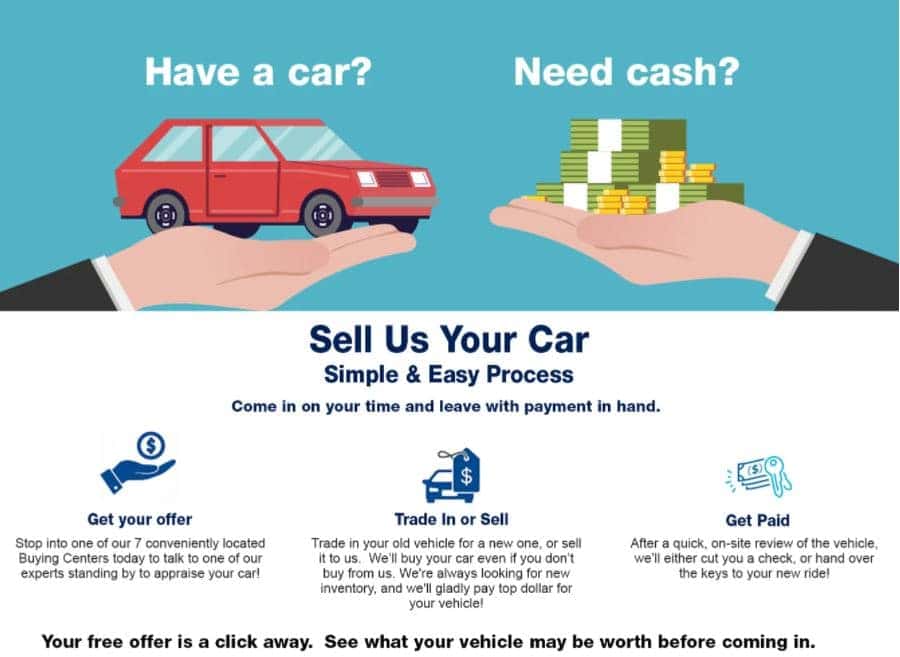
The actual sales transaction involves significant financial logistics and requires vigilance to protect yourself from fraud. Ensuring a secure and financially sound exchange is paramount.
Choosing the Right Sales Channel: Financial Implications
The platform you choose to sell your car can have varying financial implications in terms of reach, cost, and convenience.
-
Private Sale (Direct to Buyer): Generally yields the highest financial return as you bypass dealer markups. However, it requires more personal time for listing, showing the car, and handling paperwork. Advertising costs are typically minimal (online listings, “For Sale” signs).
-
Dealership Trade-in/Cash Offer: Offers the quickest and most convenient option, as the dealer handles all paperwork and takes the car off your hands immediately. However, this convenience comes at a significant financial cost, as dealers will offer wholesale prices, which are considerably lower than what you’d get in a private sale. This is often the least financially optimal choice but may be suitable if time is a critical factor or you are purchasing another vehicle from the same dealer.
-
Consignment: Some dealerships or specialized services offer to sell your car for you on consignment. You agree on a minimum price, and they take a percentage of the sale or a flat fee. This balances convenience with potentially better returns than a direct trade-in, but the car may take longer to sell. Understand the fee structure clearly before committing.
-
Online Auction Platforms: Sites like eBay Motors can expose your car to a wide audience. They involve listing fees and potentially success fees, but can sometimes yield strong prices for unique or desirable vehicles. Ensure you understand the platform’s payment processing and buyer verification methods.
Securing Your Transaction: Payment Methods and Fraud Prevention
Financial security is paramount during the final stages of the sale. Avoid common scams and ensure the payment is legitimate before transferring ownership.
-
Preferred Payment Methods:
-
Cashier’s Check/Bank Check: While generally safer than personal checks, these can still be fraudulent. Insist on accompanying the buyer to their bank to verify the check’s authenticity and watch it be drawn. Never accept a cashier’s check that is for more than the agreed-upon price, with a request for you to wire back the difference – this is a common scam.
-
Wire Transfer: A direct bank-to-bank transfer is one of the most secure methods, as funds are transferred electronically and irrevocably. Confirm with your bank that the funds have cleared before releasing the vehicle.
-
Cash: For smaller amounts, cash can be acceptable, but always count it carefully in a secure location (e.g., at your bank) and preferably use a counterfeit detection pen.
-
Escrow Services: For higher-value vehicles, a reputable third-party escrow service can provide a secure transaction by holding the funds until both parties have fulfilled their obligations. Be wary of unverified or unfamiliar escrow services.
-
-
Never Accept Personal Checks: Personal checks can bounce or be stopped, leaving you without the car or the money.
-
Proof of Funds: For private sales, especially with test drives, consider asking for proof of funds or a valid driver’s license. This adds a layer of security.
-
Bill of Sale: Always create a comprehensive Bill of Sale. This legal document details the transaction, including buyer and seller information, vehicle details (VIN, make, model, mileage), sale price, and the date. It serves as proof of sale and protects both parties financially. State clearly that the car is sold “as-is” to limit your post-sale liability.
Handling Paperwork and Legalities: Financial Responsibility Transfer
Correctly transferring ownership is crucial to absolve yourself of future financial liabilities related to the vehicle.
-
Title Transfer: Sign the title over to the new owner according to your state’s Department of Motor Vehicles (DMV) requirements. Ensure all necessary fields are completed accurately.
-
Notify the DMV/Registrar: Many states require sellers to notify the DMV within a certain timeframe that they have sold the vehicle. This officially removes your name from the vehicle’s registration, preventing you from being financially responsible for parking tickets, tolls, or accidents incurred by the new owner.
-
Insurance Cancellation: Once the sale is finalized and you have proof of the transaction, immediately contact your insurance provider to cancel the policy on the sold vehicle. This prevents unnecessary ongoing premium payments and ensures you are no longer financially tied to the car.
Post-Sale Financial Considerations
The financial journey doesn’t end when the buyer drives away. There are a few final financial steps to consider that can impact your overall net gain from the sale.
Reinvesting or Saving Your Proceeds
Once the funds are securely in your account, make a conscious decision about what to do with them.
-
Debt Reduction: If you have high-interest debt (e.g., credit card debt), using the proceeds to pay it down can provide an excellent “return” by saving on future interest payments.
-
Savings/Investments: For those with solid financial footing, investing the proceeds can help grow your wealth. Consider contributing to a retirement account, emergency fund, or other investment vehicles aligned with your financial goals.
-
Future Vehicle Purchase: If the sale was to fund a replacement vehicle, dedicate the proceeds to that purpose, potentially reducing the need for a loan or lowering the loan amount, thereby saving on interest.

Tax Implications of Selling a Car
Depending on your jurisdiction and the sale specifics, there might be tax implications to consider.
-
Capital Gains: In most cases, selling a personal vehicle at a loss (which is common due to depreciation) does not result in a taxable event. However, if you sell a classic, collector’s, or highly appreciated vehicle for more than its original purchase price plus any significant improvements, you might incur capital gains tax. Consult with a tax professional to understand your specific obligations.
-
Sales Tax Credits (Trade-in): If you traded in your car towards a new purchase, some states offer a sales tax credit on the value of your trade-in, effectively reducing the taxable amount of the new vehicle. This is a direct financial benefit often overlooked.
-
Record Keeping: Always keep meticulous records of the sale, including the Bill of Sale, original purchase price, and any significant improvement costs. These documents are crucial for accurately reporting the transaction for tax purposes if required.
By approaching the car selling process with a clear financial mindset, focusing on value maximization, secure transactions, and post-sale financial planning, you can ensure a smooth, profitable, and stress-free experience.
aViewFromTheCave is a participant in the Amazon Services LLC Associates Program, an affiliate advertising program designed to provide a means for sites to earn advertising fees by advertising and linking to Amazon.com. Amazon, the Amazon logo, AmazonSupply, and the AmazonSupply logo are trademarks of Amazon.com, Inc. or its affiliates. As an Amazon Associate we earn affiliate commissions from qualifying purchases.