
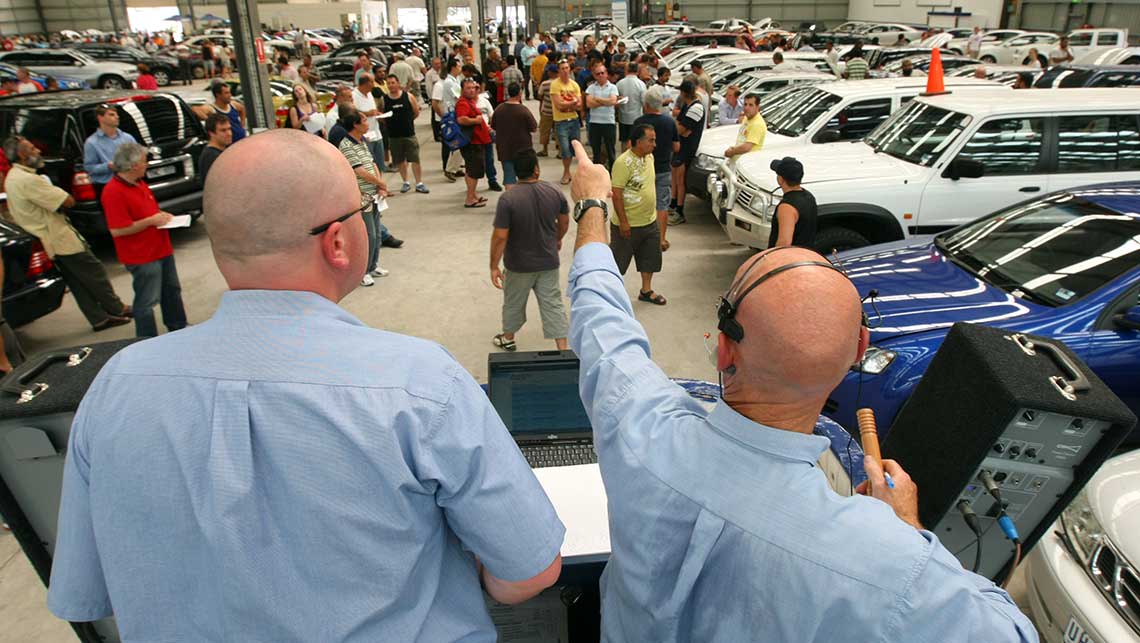
Buying a car at auction can present a unique financial opportunity, offering the potential to acquire vehicles below traditional market value. However, this avenue is also fraught with risks, demanding a thorough understanding of the process, meticulous financial preparation, and strategic bidding. For the savvy individual, navigating the complexities of car auctions can translate into significant savings or even a profitable venture. This guide delves into the financial intricacies of car auctions, equipping prospective buyers with the insights needed to make informed, financially sound decisions.
Navigating the Auction Landscape for Financial Gain
The world of car auctions is diverse, each type presenting distinct financial opportunities and challenges. Understanding these nuances is the first step toward a successful and profitable acquisition.

Types of Car Auctions and Their Financial Implications
Different auction formats cater to varied buyer profiles and offer unique financial propositions:
-
Public Auctions: Open to everyone, these auctions often feature a mix of repossessed vehicles, trade-ins, and sometimes even vehicles from private sellers. The financial advantage here lies in direct access, potentially bypassing dealer markups. However, competition can be high, and vehicles are typically sold “as-is,” demanding rigorous pre-purchase inspection. Buyers must factor in a buyer’s premium and potential sales tax, which can add 5-15% to the final bid.
-
Dealer-Only Auctions: These are restricted to licensed dealers, offering a glimpse into the wholesale market. While direct access for individuals is impossible, understanding this segment helps in grasping market dynamics. Dealers purchase here at lower prices to sell at retail, highlighting the markup potential if one could access similar pricing. Some public auctions might source vehicles that were passed over at dealer auctions, offering a secondary opportunity.
-
Government and Police Impound Auctions: Often featuring seized or surplus vehicles, these can be a goldmine for bargains. The vehicles might be very cheap, but often come with little to no history or prior maintenance. The financial risk is higher due to unknown conditions, but the potential for significant savings on the purchase price is substantial. Due diligence on vehicle history (if available) and mechanical inspection is paramount to avoid a money pit.
-
Salvage Auctions: These auctions specialize in vehicles deemed total losses by insurance companies due to accidents, floods, or theft. While the purchase prices are typically very low, the vehicles require extensive and costly repairs to become roadworthy. This is a highly specialized area, only financially viable for individuals with significant mechanical expertise, access to cheap parts, or a business model focused on rebuilding and reselling. The cost of repairs, parts, and a salvage title often makes these financially impractical for the average consumer.
Why Auctions Attract Savvy Buyers
The primary draw of car auctions for financially astute individuals is the promise of acquiring a vehicle below its retail market value. This opportunity arises from several factors:
-
High Inventory Turnover: Auctions are designed to move a large volume of vehicles quickly, often leading to more aggressive pricing compared to traditional dealerships where vehicles might sit longer.
-
Reduced Overheads: Auction houses generally have lower operational costs per vehicle compared to dealerships, which translates into lower selling prices.
-
Direct Access: Bypassing intermediaries (dealerships) means cutting out their profit margins, leading to direct savings for the buyer.
-
Opportunities for Profit: For those with the capital and expertise, buying a vehicle at auction, performing necessary repairs, and then reselling it for a profit can be a viable business model or side hustle. This requires a keen understanding of market demand, repair costs, and effective pricing strategies.
Understanding Auction Terminology and Its Financial Implications
Familiarity with auction-specific terms is crucial to avoid financial missteps:
-
“As-Is, Where-Is”: This is the most common term, meaning the vehicle is sold in its current condition, without any warranties or guarantees. The financial risk here falls entirely on the buyer, emphasizing the need for thorough pre-purchase inspections.
-
“Buyer’s Premium”: An additional fee (typically a percentage of the final bid or a flat rate) charged by the auction house. This is a mandatory cost that significantly impacts the final financial outlay and must be factored into your maximum bid.
-
“Reserve Price”: A minimum price set by the seller below which the vehicle will not be sold. If bidding doesn’t meet the reserve, the car goes unsold, protecting the seller’s financial interest. Buyers should be aware that a high reserve can sometimes make a “bargain” elusive.
-
“Title Status”: Understanding if a vehicle has a “clean title,” “salvage title,” or “rebuilt title” is critical. A salvage title significantly depreciates a vehicle’s value and can impact insurance rates and resale potential, representing a major financial drawback unless specifically sought for parts or extensive rebuilding.
Essential Financial Preparation and Diligence
Successful auction purchases are rarely spontaneous. They are the result of meticulous financial planning and thorough due diligence, ensuring that the perceived bargain doesn’t turn into a financial burden.
Setting a Realistic Budget
Before even stepping foot in an auction, establish a firm, all-encompassing budget. This budget must extend beyond the vehicle’s purchase price to include:
-
Buyer’s Premium: As noted, this is an unavoidable added cost.
-
Sales Tax: Varies by location but can add hundreds or thousands to the final price.
-
Documentation Fees: Small administrative fees charged by the auction house.
-
Transportation Costs: If you cannot drive the car away immediately, or if it needs to be towed for repairs, factor in these charges.
-
Immediate Repairs/Maintenance: Assume some level of immediate expenditure, especially on an “as-is” vehicle. Budget for fluid changes, tire replacements, or minor repairs.
-
Registration, License Plates, and Insurance: These are immediate post-purchase costs required to legally operate the vehicle.
A common financial mistake is focusing solely on the bid price. A £5,000 bid can easily become a £6,000+ total outlay once all these hidden costs are factored in.
Pre-Approval for Financing: Cash is King
In the fast-paced auction environment, cash or pre-approved financing is almost always required for immediate payment. Auction houses typically demand full payment within 24-72 hours.
-
Cash Advantage: Having liquid funds ready gives you an edge, allowing immediate payment and avoiding potential financing delays or interest accrual.
-
Pre-Approved Loans: If financing, secure a loan pre-approval from your bank or credit union before the auction. This clarifies your maximum spending limit and ensures funds are accessible promptly. Most lenders will require a clear title and a specific vehicle identification number (VIN) for final approval, so confirm their policies for auction purchases. Be wary of interest rates on used car loans, which can significantly increase the total cost over the loan term.
Thorough Vehicle Research
Knowledge is power, especially when it comes to financial risk mitigation. Prioritize extensive research on specific makes and models you are interested in:
-
Market Value Comparison: Use online platforms (e.g., Kelley Blue Book, Edmunds, AutoTrader) to determine the fair market value of the vehicles you are considering. Your maximum bid should be significantly below this to realize a financial gain.
-
Common Issues: Research common mechanical problems, recalls, and maintenance requirements for target vehicles. Certain models are known for expensive repairs (e.g., transmission issues, specific engine failures), which can quickly erase any auction savings.
-
VIN Checks: Invest in a vehicle history report from services like CarFax or AutoCheck. While there’s a small fee (typically £20-£40 per report), this investment can save you thousands by revealing accident history, odometer fraud, flood damage, or title issues. This is a non-negotiable step for minimizing financial risk.
The Critical Pre-Purchase Inspection (PPI)
This is arguably the most crucial step in minimizing financial exposure when buying “as-is.”
-
Auction Rules: Check if the auction house allows pre-purchase inspections by an independent mechanic. Many public auctions offer limited viewing times before the sale, during which you can bring a mechanic or perform a visual inspection yourself.
-
What to Look For: During inspection, pay close attention to fluid leaks, rust, tire condition, uneven panel gaps (indicating accident repair), interior wear, warning lights on the dashboard, and a general check of the engine bay. If possible, start the engine to listen for unusual noises.
-
Financial Safeguard: A PPI, even if it costs £50-£100, is a small price to pay to avoid buying a vehicle that requires thousands in immediate repairs. Without one, you are gambling with your investment. If an auction doesn’t allow any form of inspection, the financial risk increases substantially, and you should adjust your maximum bid downwards accordingly or consider avoiding such vehicles altogether.
Strategic Bidding to Maximize Value

The auction floor is an arena where emotions can easily override financial logic. A strategic bidding approach is essential to secure a good deal and avoid overspending.
Knowing Your Limit and Sticking To It
This is the golden rule of auction buying. Based on your research and budget, set an absolute maximum bid for each vehicle before the auction starts.
-
Avoid Emotional Bidding: The rapid pace and competitive atmosphere can trigger an adrenaline rush, leading to “bidder’s fever” where individuals overpay simply to win. Resist this urge fiercely.
-
Calculate Your All-In Max: Remember your budget includes all fees. If your total budget for a specific car is £7,000, and you anticipate £1,000 in fees and repairs, your absolute maximum bid for the vehicle itself should be £6,000. Do not go a penny over. If the bidding surpasses your limit, walk away. There will always be another opportunity.
Observing and Learning
If you’re new to auctions, attend a few sessions without the intention of bidding. This allows you to:
-
Understand the Pace: Auctions move quickly. Observe how bids are placed and acknowledged.
-
Gauge Pricing: See what similar vehicles sell for and how quickly prices escalate. This helps refine your understanding of market value within that specific auction environment.
-
Identify Tactics: Learn how experienced bidders operate. Some wait until the last second, others bid confidently in larger increments.
The Art of Timing Your Bid
Strategic timing can sometimes secure a vehicle at a better price.
-
Don’t Bid Too Early: Entering the bidding too soon can drive up the price unnecessarily. Let other bidders push the price up initially.
-
Decisive Bids: When you do bid, make it clear and firm. Sometimes, a confident, slightly larger increment bid can intimidate other bidders and secure the car.
-
Last-Second Bids: For some, waiting until the auctioneer’s hammer is about to fall is a tactic to avoid drawing attention and making a final, decisive bid. However, this also carries the risk of missing out if you’re not quick enough.
Recognizing Red Flags and When to Walk Away
Protecting your financial investment means knowing when to disengage.
-
Vague Descriptions: If the vehicle description is overly brief or lacks key information (e.g., mileage, major issues), it’s a red flag.
-
Poor Presentation: A car that hasn’t been even minimally cleaned suggests neglect.
-
Overheated Bidding: If the price for a particular vehicle rapidly exceeds your pre-determined maximum, it’s a clear sign to step back. There’s no shame in letting a bidding war happen without you. Financial discipline trumps emotional attachment to a specific vehicle.
Post-Auction Financial Management and Realization
Securing the winning bid is just the beginning. The subsequent steps involve managing immediate financial obligations and planning for ongoing costs, ensuring your auction purchase remains a sound investment.
Understanding All Associated Costs
A common mistake is failing to account for all costs that materialize after the winning bid.
-
Buyer’s Premiums: This is a non-negotiable fee, typically 5-15% of the winning bid.
-
Sales Tax: Applied to the total purchase price (winning bid + buyer’s premium) in most regions.
-
Documentation Fees: Small administrative charges, usually £50-£200, to process paperwork.
-
Auction Fees: Some auctions have miscellaneous fees for registration or title processing.
-
Transportation: If the car isn’t immediately drivable or you need it moved, trucking/towing costs can add hundreds.
-
Repair Costs: If your pre-purchase inspection identified issues, or if new ones arise, these can be substantial. Keep a dedicated emergency fund for this.
These additional costs can inflate the “bargain” price by 10-30%, fundamentally altering the financial viability of your purchase. Always calculate the “all-in” cost before you bid.
Immediate Financial Commitments
Auction houses demand prompt payment.
-
Payment Deadlines: Typically 24-72 hours post-auction. Failure to meet this can result in forfeiture of your deposit, banning from future auctions, or additional late fees. Ensure your funds (cashier’s check, wire transfer, pre-approved financing) are immediately accessible.
-
Title Transfer and Registration: You’ll need the auction house to provide the vehicle’s title. This is essential for legally registering the vehicle in your name with the local department of motor vehicles (DMV) or equivalent authority. Delays here can prevent you from driving the car legally and can incur further costs if you need temporary plates.
Budgeting for Potential Repairs and Maintenance
The “as-is” nature of auction sales means you assume all risk for mechanical integrity.
-
Prioritizing Repairs: After purchase, have a trusted mechanic perform a comprehensive inspection. Prioritize safety-critical repairs (brakes, tires, steering, lights) and then address issues that impact reliability or significantly reduce resale value.
-
Cost Control: Get multiple quotes for repairs. Consider doing some minor work yourself if you have the skills, to save on labor costs. Keep detailed records of all maintenance and repairs, as this adds to the vehicle’s value and can be critical for resale. This is an investment that preserves your initial financial outlay.
Long-Term Financial Planning
An auction car, like any vehicle, incurs ongoing costs.
-
Insurance: Obtain an insurance quote before bidding. Some auction cars (e.g., those with salvage titles) can be more expensive to insure or even uninsurable by some companies.
-
Depreciation: Understand that even a bargain buy will depreciate over time. However, if bought significantly below market value, the initial depreciation hit might be less severe than a retail purchase.
-
Resale Value: If you bought the car with an eye towards eventually reselling it, continuously track its market value. Any improvements or repairs you make should ideally enhance its resale potential, ensuring a positive return on your investment. Keep all receipts for work done.
In conclusion, buying cars at auction offers a compelling path to financial advantage, but it demands diligent research, stringent budgeting, and disciplined bidding. By understanding the auction ecosystem, preparing financially, and navigating the bidding process strategically, individuals can unlock significant savings and secure vehicles that provide excellent value for their money. Ignoring these critical financial considerations, however, can quickly turn an anticipated bargain into a costly mistake.
aViewFromTheCave is a participant in the Amazon Services LLC Associates Program, an affiliate advertising program designed to provide a means for sites to earn advertising fees by advertising and linking to Amazon.com. Amazon, the Amazon logo, AmazonSupply, and the AmazonSupply logo are trademarks of Amazon.com, Inc. or its affiliates. As an Amazon Associate we earn affiliate commissions from qualifying purchases.