
Modern vehicle maintenance, often referred to as a “tune-up,” has evolved significantly from the days of simply adjusting carburetors and replacing points. Today, it’s a sophisticated process deeply intertwined with onboard technology, digital diagnostics, and complex software systems. Understanding how to tune up a car in the 21st century means embracing the technological advancements that govern everything from engine performance to safety features. This guide delves into the tech-centric aspects of maintaining your vehicle for optimal performance, efficiency, and longevity.
Understanding the Modern Car “Tune-Up”: Beyond Wrenches and Gaskets
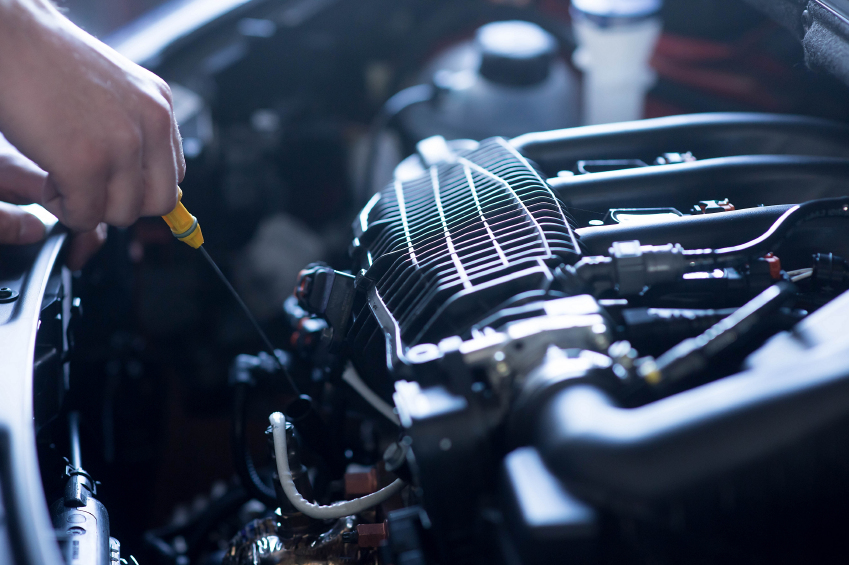
The phrase “tune-up” once conjured images of mechanical adjustments. While some physical components still require attention, the contemporary tune-up is predominantly a data-driven, diagnostic endeavor. Modern cars are essentially rolling computers, with intricate networks of sensors, actuators, and Electronic Control Units (ECUs) constantly monitoring and managing every facet of operation. A true tune-up today focuses on ensuring these digital systems are functioning optimally, interpreting the data they provide, and addressing any software or sensor-related anomalies.
The Evolution of Vehicle Diagnostics
The advent of On-Board Diagnostics II (OBD-II) systems in the mid-1990s revolutionized car maintenance. Before OBD-II, diagnosing engine problems often involved guesswork and specific manufacturer tools. Now, a universal port allows technicians and enthusiasts alike to access a wealth of diagnostic trouble codes (DTCs), sensor readings, and system statuses. These digital insights pinpoint issues with remarkable precision, from misfiring cylinders to faulty oxygen sensors, eliminating much of the trial-and-error that once defined automotive repair. The evolution continues with advanced diagnostic protocols and manufacturer-specific tools that delve even deeper into proprietary systems.
Software and Sensor Integration
At the heart of every modern vehicle’s operation lies its software. The ECU, often referred to as the car’s brain, runs complex algorithms that dictate fuel injection, ignition timing, transmission shifts, emissions controls, and countless other parameters. A “tune-up” often involves checking for and applying the latest firmware updates to the ECU and other control modules (e.g., Transmission Control Unit, Body Control Module).
Beyond the ECU, an intricate web of sensors provides real-time data crucial for optimal performance. Oxygen sensors monitor exhaust gases for combustion efficiency, Mass Air Flow (MAF) sensors measure incoming air for precise fuel delivery, and camshaft/crankshaft position sensors ensure accurate engine timing. During a tune-up, assessing the health and calibration of these sensors is paramount. Malfunctioning or out-of-spec sensors can feed incorrect data to the ECU, leading to reduced fuel economy, increased emissions, and diminished performance, even without triggering a check engine light.
Essential Tech Tools for the DIY Enthusiast and Professional
To effectively perform a modern car tune-up, a specialized set of technological tools is indispensable. These tools go beyond basic hand wrenches, enabling precise diagnostics and data interpretation crucial for complex automotive systems.
OBD-II Scanners and Diagnostic Software
An OBD-II scanner is the foundational diagnostic tool for any modern vehicle. Ranging from simple code readers that display DTCs to advanced bi-directional scanners capable of initiating tests, monitoring live data streams, and even performing component activations, these devices are crucial. Professional-grade diagnostic software, often PC-based or integrated into high-end scanners, provides in-depth access to proprietary manufacturer data, allowing for more comprehensive system analysis, module reprogramming, and advanced troubleshooting. Many modern scanners can also graph live sensor data, making it easier to spot intermittent issues or trends over time.
Multimeters and Circuit Testers for Automotive Electronics
Electrical integrity is fundamental to a car’s myriad electronic systems. A digital multimeter (DMM) is essential for diagnosing issues within the wiring harness, sensors, and actuators. It allows for precise measurement of voltage, current, and resistance, crucial for checking sensor outputs, verifying power supply to components, and identifying short circuits or open circuits. Advanced automotive multimeters may include features like duty cycle measurements, frequency testing, and temperature probes. Coupled with dedicated circuit testers, such as power probes that can supply fused power and ground, these tools enable thorough evaluation of a vehicle’s electrical network.
Specialized Sensor Cleaning and Calibration Kits
Many crucial sensors, such as the MAF sensor, can accumulate deposits over time, leading to inaccurate readings. Specialized MAF sensor cleaning kits, which use residue-free solvents, are vital for restoring precise airflow measurement. For more complex sensors, like those in advanced driver-assistance systems (ADAS) or even sophisticated fuel sensors, calibration may be required after replacement or certain service procedures. These calibration processes often involve specific software and diagnostic routines to ensure the sensor provides accurate data to the ECU.
Leveraging Digital Resources for Optimal Performance
Beyond physical tools, a wealth of digital resources has become indispensable for informed car maintenance. These resources provide access to real-time data, technical documentation, and community knowledge, enhancing both the precision and efficiency of a tune-up.
Telematics and Real-time Data Monitoring Apps
Many modern vehicles come equipped with telematics systems that can transmit vehicle data wirelessly. This data, often accessible through manufacturer-specific smartphone apps, can provide real-time insights into vehicle health, service reminders, and even diagnostic alerts. Third-party OBD-II Bluetooth adapters, paired with apps like Torque or Carly, can transform a smartphone or tablet into a powerful diagnostic tool, displaying live sensor data, calculating fuel economy, and logging performance metrics. These apps empower owners to proactively monitor their car’s condition and identify potential issues before they escalate.
Manufacturer-Specific Diagnostic Software Platforms
For advanced diagnostics and maintenance tasks, access to manufacturer-specific software platforms (e.g., ISTA/D for BMW, VCDS for VW/Audi, Techstream for Toyota/Lexus) is invaluable. These platforms are often used by dealerships and independent specialists and provide deep-level access to all control modules, enabling advanced coding, programming, adaptation of components, and in-depth diagnostic routines that generic OBD-II scanners cannot achieve. Utilizing these platforms ensures that a vehicle’s software and electronic components are configured precisely to factory specifications.
Accessing Digital Service Manuals and Technical Bulletins
The days of greasy paper manuals are largely over. Most modern vehicle service information, including detailed wiring diagrams, diagnostic procedures, component locations, and torque specifications, is available digitally. Subscriptions to online service manuals (e.g., AllData, Mitchell 1) or manufacturer-specific portals provide an invaluable resource for step-by-step guidance. Furthermore, Technical Service Bulletins (TSBs) and recalls, often distributed digitally, highlight known issues and recommended fixes that might impact a vehicle’s performance or require a software update, forming a critical part of a comprehensive tune-up.
Key Technological Systems to Address During a Tune-Up
A modern tune-up involves systematically checking and optimizing several key technological systems within the vehicle to ensure peak performance and reliability.
Engine Control Unit (ECU) and Firmware Updates
The ECU is the central processing unit for the engine. During a tune-up, it’s critical to verify that the ECU has the latest firmware updates. Manufacturers frequently release updates to improve performance, fuel economy, resolve known bugs, or enhance compatibility with new components. These updates are typically performed via the OBD-II port using specialized diagnostic tools and software, ensuring the engine operates with the most current algorithms and calibrations.
Sensor Health: O2, MAF, Crankshaft, Camshaft
The performance of an engine is directly proportional to the accuracy of the data fed to the ECU by its sensors. During a tune-up, diagnostics should focus on verifying the operational range and response times of critical sensors:
-
Oxygen (O2) Sensors: Crucial for monitoring exhaust gas composition and adjusting fuel trim. A sluggish O2 sensor can significantly impact fuel efficiency and emissions.
-
Mass Air Flow (MAF) Sensor: Measures the amount of air entering the engine. A dirty or faulty MAF can cause incorrect fuel-air mixture, leading to rough idle, hesitation, or rich/lean conditions.
-
Crankshaft and Camshaft Position Sensors: Provide precise timing information to the ECU for ignition and fuel injection. Malfunctions can cause starting issues, misfires, or engine stalling.
These sensors should be inspected for physical damage, cleaned if necessary, and their output data monitored in real-time using an OBD-II scanner to ensure they fall within specified parameters.
Ignition System Diagnostics: Coils and Spark Plugs
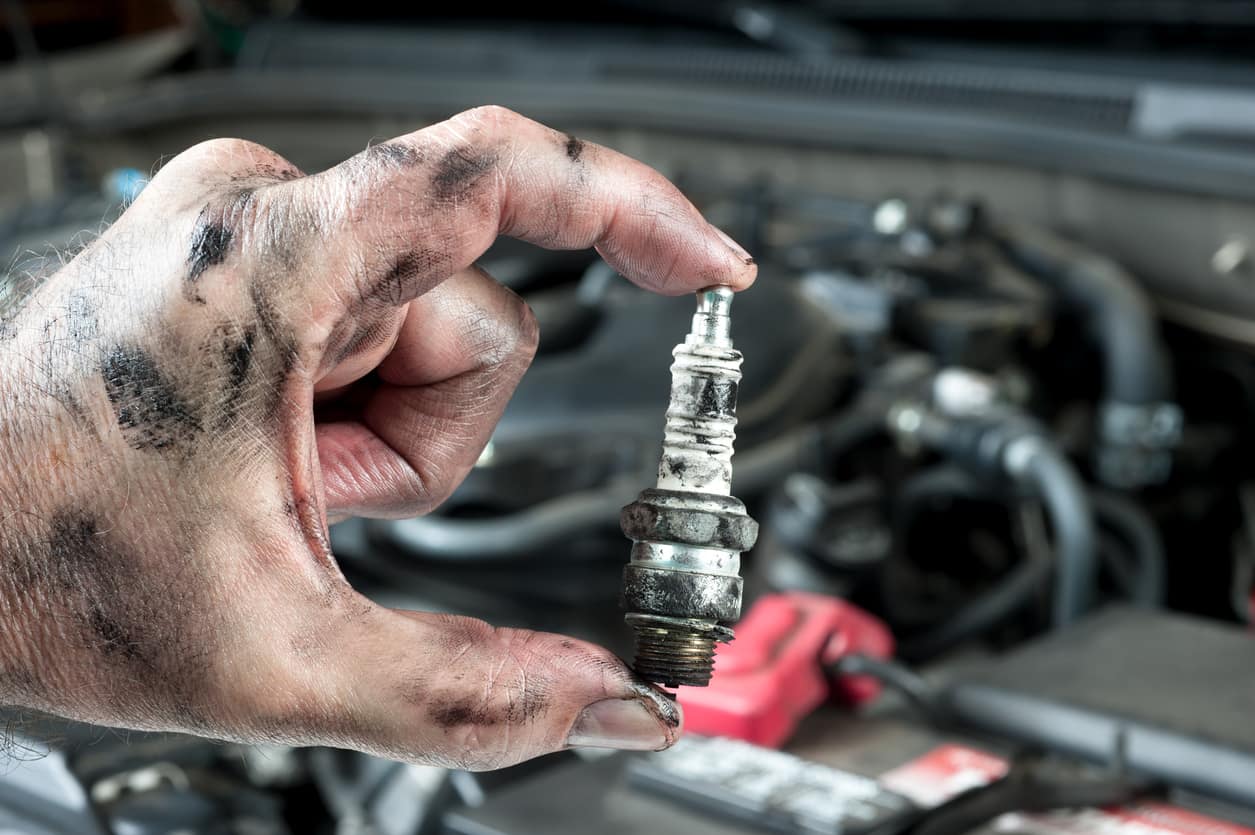
While spark plugs are physical components, their efficiency is heavily reliant on electronic control. Modern ignition systems use individual coil-on-plug (COP) designs or integrated coil packs, controlled electronically by the ECU. A tune-up involves inspecting spark plugs for wear, gap, and firing effectiveness, but also electronically testing the ignition coils for proper resistance and output. An OBD-II scanner can identify misfire counts per cylinder, guiding towards a faulty plug or coil. High-resolution oscilloscopes can even be used to analyze ignition waveforms for more detailed diagnostics of coil health and spark efficiency.
Fuel System Management and Injector Efficiency
The fuel system in modern cars is electronically controlled, from the fuel pump to the injectors. During a tune-up, diagnostic tools are used to check fuel pressure, fuel pump command signals, and fuel injector pulse widths. Fuel injectors, which are precise electronic solenoids, can become clogged or fail, leading to inconsistent fuel delivery. Diagnostic software can often perform “injector balance tests” to compare the output of individual injectors, helping to identify those that are not delivering fuel efficiently. Cleaning fuel injectors (often off-car with specialized equipment) or replacing faulty ones, along with verifying fuel filter health, contributes significantly to engine performance and fuel economy.
Proactive Tech Maintenance for Longevity and Efficiency
A tune-up shouldn’t just be reactive; leveraging technology for proactive maintenance is key to maximizing a car’s lifespan and maintaining its efficiency.
Data Logging and Trend Analysis
Modern diagnostic tools allow for the logging of sensor data over time. By analyzing these data trends, owners and technicians can identify subtle changes in performance parameters before they manifest as a major fault. For example, a gradually increasing fuel trim adjustment might indicate a slow leak in the vacuum system, or a decreasing MAF sensor output over months could signal contamination build-up. Proactive analysis of this digital data allows for timely intervention, preventing larger, more costly repairs.
Predictive Maintenance through Telematics
The future of car maintenance is increasingly moving towards predictive models driven by telematics and artificial intelligence. Vehicles equipped with advanced telematics systems can continuously monitor component wear, fluid degradation, and system anomalies. AI algorithms can then analyze this vast amount of data to predict potential failures before they occur and notify the owner or service center. While this is often a manufacturer-driven service, understanding and utilizing available telematics features in your vehicle contributes to a highly proactive maintenance strategy, ensuring your car remains in peak technological tune.
aViewFromTheCave is a participant in the Amazon Services LLC Associates Program, an affiliate advertising program designed to provide a means for sites to earn advertising fees by advertising and linking to Amazon.com. Amazon, the Amazon logo, AmazonSupply, and the AmazonSupply logo are trademarks of Amazon.com, Inc. or its affiliates. As an Amazon Associate we earn affiliate commissions from qualifying purchases.