
Owning a car is a significant financial commitment, and beyond the initial purchase price, fuel, and insurance, regular servicing stands as a critical and unavoidable expense. Far from being a mere cost, understanding how much a car service entails and why it’s necessary can transform it into a savvy financial investment. A well-maintained vehicle is not only safer and more reliable but also retains its value better and operates more efficiently, saving you money in the long run. Navigating the world of car servicing requires insight into the various factors that influence pricing, the types of services available, and strategic approaches to manage these essential costs effectively. This guide delves into the financial intricacies of car servicing, empowering you to make informed decisions that protect your vehicle and your wallet.

Decoding Car Service Costs: Key Influencers
The price of a car service is not a one-size-fits-all figure. Several variables converge to determine the final bill, making it crucial for vehicle owners to understand these factors to anticipate and budget for maintenance expenses. By dissecting these influencers, you can gain clarity on why costs vary and how to navigate them.
Vehicle Make, Model, and Age
The brand and model of your car are primary determinants of service cost. Luxury or performance vehicles, for instance, often demand specialized parts, diagnostic equipment, and highly skilled technicians, all of which command higher labor rates and component prices. European cars, in particular, are notorious for pricier parts and intricate engineering compared to their Asian or American counterparts. Furthermore, the age of your vehicle plays a significant role. Newer cars, especially those still under warranty, might require servicing at authorized dealerships using genuine parts, potentially increasing costs. Older vehicles, while possibly serviced at independent garages with cheaper aftermarket parts, may also require more frequent or extensive repairs as components wear out, leading to unpredictable and potentially higher overall expenses. The availability and cost of specific parts, especially for rare or vintage models, can also drive up the price considerably.
Service Center Type and Geographical Location
Where you choose to have your car serviced has a direct impact on the cost. Dealerships typically charge premium rates due to their brand-specific expertise, specialized tools, factory-trained technicians, and the exclusive use of original equipment manufacturer (OEM) parts. While these services often come with guarantees and maintain strict manufacturer standards, they are generally the most expensive option. Independent garages, on the other hand, usually offer more competitive labor rates and often provide the choice between OEM and more affordable aftermarket parts, which can significantly reduce the overall cost. However, it’s essential to research an independent mechanic’s reputation and expertise. The geographical location also influences pricing; car service costs in major metropolitan areas or regions with a higher cost of living are typically higher than in rural areas due to varying overheads and labor markets.
The Level of Service Required
Car services are generally categorized into different levels, each with a corresponding price point reflecting the depth and scope of work performed. A basic service, often referred to as an oil change service, is the least expensive, focusing primarily on replacing engine oil and filter, along with a quick visual inspection. An interim service offers a slightly more comprehensive check, covering essential items like fluid top-ups, tire checks, and basic system inspections. A full service delves deeper, including filter replacements (air, fuel, cabin), spark plug checks, and a more extensive multi-point inspection. Finally, a major service, usually recommended every two to four years or after a significant mileage interval, is the most extensive and thus the most expensive. It involves thorough checks, replacement of critical components like timing belts, and often requires more labor hours, making it a significant financial outlay. Understanding these tiers helps you anticipate the cost based on your car’s service schedule.
The Spectrum of Services: What You Get for Your Money
Understanding the types of services available is key to deciphering your car service bill. Each level of service offers a distinct package of checks and replacements, directly influencing its cost. Being aware of what each service entails helps you avoid unnecessary expenses and ensures your vehicle receives appropriate care.
Routine Maintenance Costs
Routine maintenance is the backbone of vehicle longevity and performance, encompassing essential tasks that keep your car running smoothly. The most common and frequently needed service is the oil change, which, depending on the oil type (conventional, synthetic blend, full synthetic), can range from $40 to $100 or more. Tire rotations, crucial for even tire wear and extending tire life, are often bundled with other services or cost around $20-$50. Brake inspections, vital for safety, typically cost $30-$60 for just the inspection, with pad and rotor replacements significantly higher, ranging from $200 to $600 per axle. Air filter replacements (engine and cabin) are relatively inexpensive, usually $20-$50 each for parts, plus a minimal labor fee. While these individual costs might seem minor, their cumulative effect over a year can add up, making consistent budgeting for these small, proactive measures a smart financial move to prevent more significant future expenses.
Major Service and Component Replacements
Beyond routine checks, major services involve more extensive work and the replacement of critical, wear-prone components, which naturally leads to higher costs. Spark plugs, vital for engine combustion, are typically replaced every 30,000 to 100,000 miles, with costs varying based on the number and type of plugs, from $100 to $300. The timing belt, a crucial engine component that, if it breaks, can cause catastrophic engine damage, requires replacement between 60,000 and 100,000 miles. This job is labor-intensive and can cost anywhere from $500 to over $1,000, often including the water pump and tensioners. Transmission fluid flushes and coolant system services are also part of major maintenance, costing $150-$300 each. These larger expenses, while daunting, are preventative investments. Skipping them significantly increases the risk of much costlier repairs or even total engine failure, underscoring the financial wisdom of adhering to the manufacturer’s major service schedule.
Diagnostic Fees and Unexpected Repairs
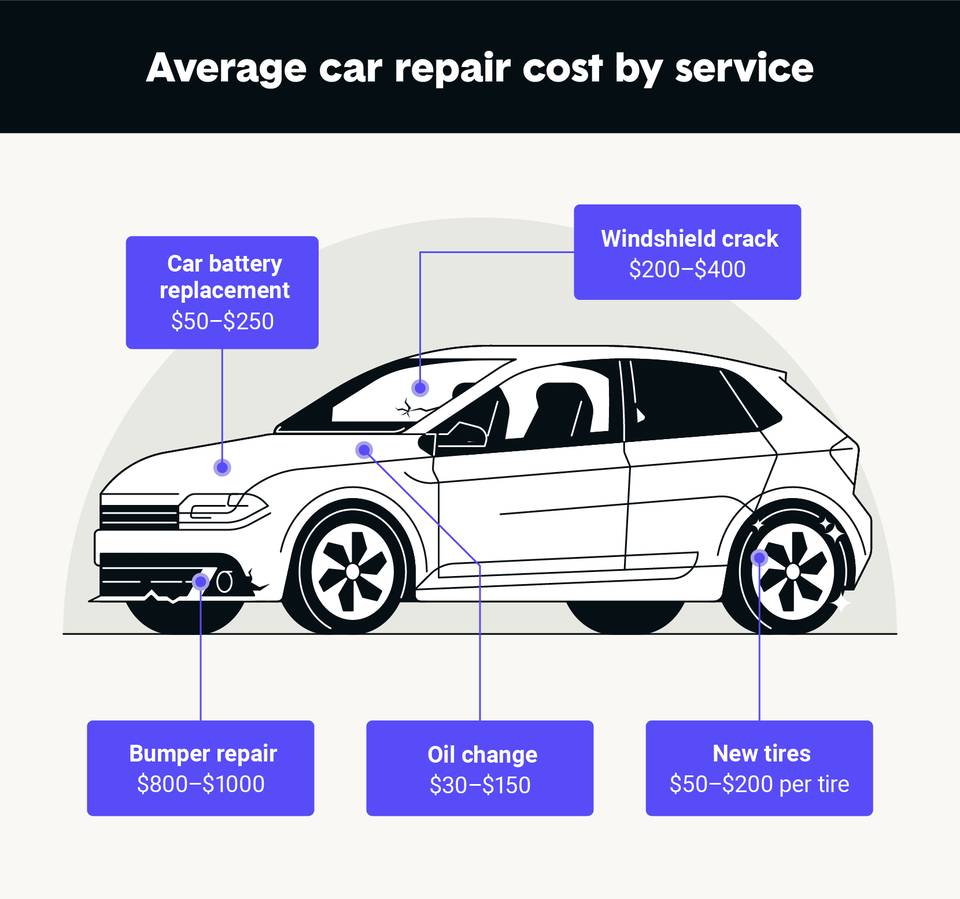
Even with diligent routine and major servicing, unexpected issues can arise, leading to diagnostic fees and additional repair costs. When a warning light illuminates on your dashboard or you notice an unusual noise, a mechanic will typically charge a diagnostic fee (ranging from $80 to $150 or more) to identify the root cause using specialized scanning tools and expertise. This fee covers the technician’s time and knowledge, regardless of whether a repair is performed immediately. Once the issue is identified, the cost of the repair can vary dramatically. A sensor replacement might be relatively inexpensive ($100-$300), while major component failures like a faulty alternator, starter motor, or suspension repair can run into hundreds, even thousands, of dollars. These unforeseen expenses highlight the importance of having an emergency fund specifically for vehicle repairs, transforming a potential financial crisis into a manageable outlay.
Strategies for Smart Car Service Spending
Managing car service costs effectively is about more than just finding the cheapest garage; it’s about adopting smart financial strategies that reduce overall ownership expenses. Proactive planning and informed decision-making can lead to significant savings over the lifetime of your vehicle.
Proactive vs. Reactive Maintenance
One of the most impactful financial strategies for car servicing is to embrace proactive maintenance rather than waiting for problems to emerge. Adhering to your manufacturer’s recommended service schedule, even for minor checks, is a preventative investment. Regularly changing oil, checking fluid levels, inspecting tires, and replacing worn filters prevent small issues from escalating into major, costly breakdowns. For example, a timely oil change prevents engine damage that could cost thousands to repair. Neglecting services often leads to significantly higher reactive repair bills, unexpected downtime, and potential safety hazards. Think of proactive maintenance as paying small, predictable installments to avoid a large, sudden lump sum payment for a major repair. It smooths out your financial outlay and reduces stress.
Comparing Quotes and Understanding Warranties
Before committing to any service, especially for significant repairs, it is financially prudent to obtain multiple quotes from different service centers. Don’t just look at the bottom line; scrutinize the details of each quote, comparing labor rates, part costs, and the scope of work included. Some garages might use cheaper aftermarket parts while others insist on OEM parts, influencing both price and perceived value. Furthermore, understanding your vehicle’s warranty coverage is paramount. Manufacturer warranties often cover specific parts and labor for a set period or mileage. Extended warranties, while an upfront cost, can offer peace of mind and substantial savings on expensive repairs after the factory warranty expires. Always clarify what is covered and what is excluded before authorizing any work, ensuring you don’t pay for something already under warranty.
DIY Checks and Basic Care
Empowering yourself with basic DIY vehicle checks can significantly reduce your service costs and catch potential issues early. Simple tasks like regularly checking tire pressure (which impacts fuel efficiency and tire wear), inspecting fluid levels (oil, coolant, brake fluid, windshield washer fluid), and examining your lights and wipers can be performed at home for free. Learning to replace your own cabin air filter or even wiper blades are straightforward tasks that save on labor costs. While major repairs should always be left to certified professionals, developing a habit of routine visual inspections and performing minor maintenance yourself provides valuable insights into your vehicle’s health, prevents minor issues from becoming major, and cultivates a sense of financial control over your car’s upkeep.
The Financial Logic: Why Regular Servicing Pays Off
Viewing car service as an unavoidable expense misses the larger financial picture. Regular maintenance is not merely a cost but a sound investment that yields substantial returns in various forms, from direct savings to preserving asset value. Understanding these long-term benefits can reframe your approach to vehicle care.
Preventing Costly Breakdowns and Depreciation
The most immediate financial benefit of regular servicing is the prevention of expensive, unforeseen breakdowns. A well-maintained engine, transmission, and braking system are far less likely to fail unexpectedly, saving you from towing charges, emergency repair premiums, and the high cost of replacing major components. For instance, replacing a worn-out serpentine belt during a routine service is a fraction of the cost of repairing engine damage caused by a snapped belt. Beyond direct repair costs, regular servicing also plays a crucial role in maintaining your vehicle’s resale value. A car with a complete service history, showing diligent maintenance, will always fetch a higher price in the used car market compared to one with a patchy or absent record. This preservation of asset value is a direct financial return on your service investment.
Optimizing Fuel Efficiency
Poorly maintained vehicles are notoriously inefficient, costing owners more at the pump. Regular servicing directly contributes to optimal fuel efficiency by ensuring critical components are functioning correctly. Clean air and fuel filters allow the engine to breathe and combust fuel more effectively, while correctly gapped spark plugs ensure efficient ignition. Properly inflated tires reduce rolling resistance, and a well-tuned engine operates at its peak performance, consuming less fuel. Over time, the cumulative savings on fuel from a well-maintained vehicle can significantly offset the cost of its servicing. It’s a tangible, ongoing financial benefit that translates directly into lower operating costs for your vehicle.
Enhancing Safety and Reliability
While not a direct monetary saving, the enhanced safety and reliability that come with regular car servicing represent an invaluable financial asset. A vehicle with properly functioning brakes, steering, suspension, and lighting systems dramatically reduces the risk of accidents. Accidents not only pose a threat to life and limb but also lead to substantial financial burdens, including insurance deductibles, increased premiums, potential legal fees, and medical expenses. Furthermore, a reliable car means fewer missed work days, avoided costs of alternative transportation (taxis, ride-shares), and the general peace of mind that your vehicle will get you where you need to go without incident. These indirect financial benefits underscore that investing in car service is ultimately an investment in your personal safety and financial stability.
Ultimately, the question of “how much is a car service” is multifaceted, with answers varying based on numerous factors from your car’s specifics to your choice of service provider. However, the underlying financial principle remains constant: understanding these costs, planning for them, and embracing a proactive approach to maintenance is not an expense but a strategic investment. By making informed decisions about your car’s upkeep, you can significantly mitigate larger financial risks, preserve your vehicle’s value, and ensure its safe and efficient operation for years to come.
aViewFromTheCave is a participant in the Amazon Services LLC Associates Program, an affiliate advertising program designed to provide a means for sites to earn advertising fees by advertising and linking to Amazon.com. Amazon, the Amazon logo, AmazonSupply, and the AmazonSupply logo are trademarks of Amazon.com, Inc. or its affiliates. As an Amazon Associate we earn affiliate commissions from qualifying purchases.