
The Financial Imperative of Proactive Car Maintenance
A vehicle is often one of the largest financial investments an individual makes, second only to a home. Yet, many treat car maintenance as a reactive expense rather than a proactive financial strategy. Neglecting a vehicle’s upkeep inevitably leads to significantly higher costs down the line, eroding its value and creating unforeseen financial burdens. Understanding the profound financial implications of proper car care transforms it from a chore into an essential component of sound personal finance.
Preventing Costly Catastrophes: The ROI of Regular Check-ups
The adage “an ounce of prevention is worth a pound of cure” holds particular resonance in automotive care. Skipping routine oil changes, tire rotations, or brake inspections might save a small sum in the short term, but these deferrals often precipitate far more expensive repairs. For instance, neglecting an oil change can lead to engine sludge and eventual engine failure, an expense that can easily exceed the car’s market value. Similarly, ignoring worn brake pads until they damage the rotors escalates a relatively minor repair into a substantial one. Investing in regular, manufacturer-recommended check-ups provides a tangible return on investment by identifying nascent issues before they escalate into major system failures. These preventative measures typically cost a fraction of what reactive, emergency repairs demand, protecting your capital investment and preventing the financial shock of an unexpected breakdown. Smart financial planning recognizes that these small, consistent outlays are not just expenses but crucial investments in your vehicle’s long-term health and your financial stability.
Extending Vehicle Lifespan: Maximizing Your Investment
Every car has an expected lifespan, but diligent maintenance can significantly extend it, delaying the need for a costly replacement. A well-maintained vehicle can easily last 10, 15, or even 20 years, far surpassing the typical ownership period of many drivers. By keeping your current vehicle running reliably for longer, you defer the massive financial outlay associated with purchasing a new or used car – including the down payment, loan interest, sales taxes, and registration fees. The longer you can responsibly and economically operate your existing vehicle, the more effectively you leverage your initial investment. This strategy frees up capital that would otherwise be allocated to a new car purchase, allowing it to be directed towards other financial goals such as retirement savings, debt reduction, or other wealth-building opportunities. Maximizing the service life of your car is a powerful yet often overlooked strategy for financial resilience and asset optimization.
Understanding Depreciation: How Maintenance Slows Value Erosion
Depreciation is the single largest cost of car ownership for most individuals. As soon as a new car is driven off the lot, its value begins to decline. While some depreciation is unavoidable, diligent maintenance plays a critical role in slowing this erosion, particularly when it comes to resale value. A car with a meticulously documented service history, a clean interior, and well-maintained mechanical components will command a significantly higher price in the used car market compared to a neglected counterpart. Potential buyers are willing to pay a premium for a vehicle that demonstrates a history of care, as it implies fewer hidden problems and greater reliability. Conversely, obvious signs of neglect – such as worn tires, faded paint, or dashboard warning lights – signal potential financial liabilities to a buyer, forcing the seller to accept a substantially lower price. By proactively addressing both mechanical and aesthetic aspects of car care, owners directly influence their vehicle’s residual value, ensuring a better return when it comes time to sell or trade it in.
Budgeting for Automotive Longevity: Smart Financial Planning
Integrating car care into your financial budget is not merely an optional nicety; it is a fundamental aspect of responsible asset management. Just as you budget for housing, food, and utilities, dedicating a specific portion of your income to vehicle maintenance prevents financial surprises and supports the long-term health of your automotive asset. This proactive approach transforms unpredictable repair bills into manageable, anticipated expenses.
Creating a Dedicated Car Maintenance Fund
One of the most effective strategies for managing car care costs is to establish a dedicated maintenance fund. Instead of waiting for a repair bill to hit, allocate a fixed amount each month to a separate savings account specifically for vehicle upkeep. Financial experts often recommend setting aside approximately 1% of the car’s purchase price annually for maintenance and repairs, or a fixed amount ranging from $50 to $100 per month for an average vehicle. This consistent saving builds a buffer that can comfortably cover routine services like oil changes, tire rotations, and brake pad replacements, as well as providing a cushion for unexpected repairs. Having these funds readily available eliminates the stress of finding money for urgent work and prevents the need to dip into emergency savings or resort to high-interest credit cards, thereby safeguarding your overall financial health.
Prioritizing Essential Services: Where to Allocate Resources
While a comprehensive maintenance schedule is ideal, financial realities sometimes necessitate prioritizing certain services. Understanding which services are critical for safety and longevity, and which can be deferred if absolutely necessary (though not recommended for long periods), is key to smart financial allocation. Services like oil changes, tire maintenance (rotations, balancing, alignment), brake inspections, and fluid checks are non-negotiable for preserving engine health, ensuring safety, and optimizing fuel efficiency. These represent the foundational elements of preventative care that deliver the highest financial return by preventing catastrophic failures. Conversely, purely aesthetic repairs, while beneficial for resale value, might be lower priority if immediate funds are tight. A well-informed approach to service prioritization ensures that your financial resources are directed towards the most impactful aspects of vehicle care, preventing small issues from escalating into expensive systemic problems.
Leveraging Technology for Financial Tracking and Reminders
In the digital age, a myriad of financial tools and applications can simplify the management of car care costs. Personal finance apps often include categories for vehicle expenses, allowing owners to meticulously track every dollar spent on maintenance, fuel, insurance, and repairs. This granular data provides a clear picture of true ownership costs, helping to identify areas for potential savings. Furthermore, many apps and digital platforms offer maintenance reminders based on mileage or time, ensuring that critical services are not overlooked. Some even connect directly with dealership service records, providing a comprehensive digital history of all work performed. Utilizing these technological aids helps to automate the financial planning aspect of car care, ensuring timely preventative action and providing invaluable data for budgeting and long-term financial forecasting, all while reducing the mental load of remembering service schedules.
DIY vs. Professional Service: Calculating the Cost-Benefit
Deciding between performing maintenance tasks yourself and entrusting them to a professional mechanic involves a careful financial calculation. For basic tasks such as checking fluid levels, replacing air filters, or even changing oil, a mechanically inclined individual can save on labor costs. The initial investment in tools might be outweighed by the long-term savings for these common tasks. However, complex repairs requiring specialized tools, diagnostic equipment, or in-depth technical knowledge are often best left to certified professionals. Attempting a repair beyond one’s skill level can lead to further damage, ultimately resulting in more expensive professional intervention. Before embarking on a DIY project, it’s crucial to honestly assess your skills, access to necessary tools, and the potential financial risk of making an error. A balanced approach leverages personal capabilities for simple savings while recognizing the financial prudence of relying on expert service for intricate work, ensuring both cost-effectiveness and safety.
Fuel Efficiency and Operational Savings: Driving Down Costs
Beyond preventing major repairs, proper car care significantly impacts the ongoing operational costs of your vehicle, most notably fuel consumption. Small inefficiencies can accumulate into substantial financial drains over time, making diligent maintenance a direct path to immediate savings.

Tire Maintenance: A Direct Link to Fuel Economy and Safety
Tires are often overlooked but play a pivotal role in a vehicle’s fuel efficiency and safety. Properly inflated tires reduce rolling resistance, meaning the engine expends less energy to move the car. Under-inflated tires, conversely, can decrease fuel economy by up to 3% for every 1 PSI drop below the recommended pressure. Over the course of a year, this seemingly minor inefficiency can translate into hundreds of dollars in extra fuel costs. Regular tire rotations ensure even wear, prolonging tire life and maintaining optimal contact with the road. Wheel alignments, while less frequent, correct any deviation from the manufacturer’s specifications, preventing uneven tire wear and reducing drag. Investing in proper tire maintenance is a clear financial win, directly translating to lower fuel bills and delaying the costly expense of replacing a full set of tires prematurely.
Engine Health: Optimizing Performance and Reducing Fuel Consumption
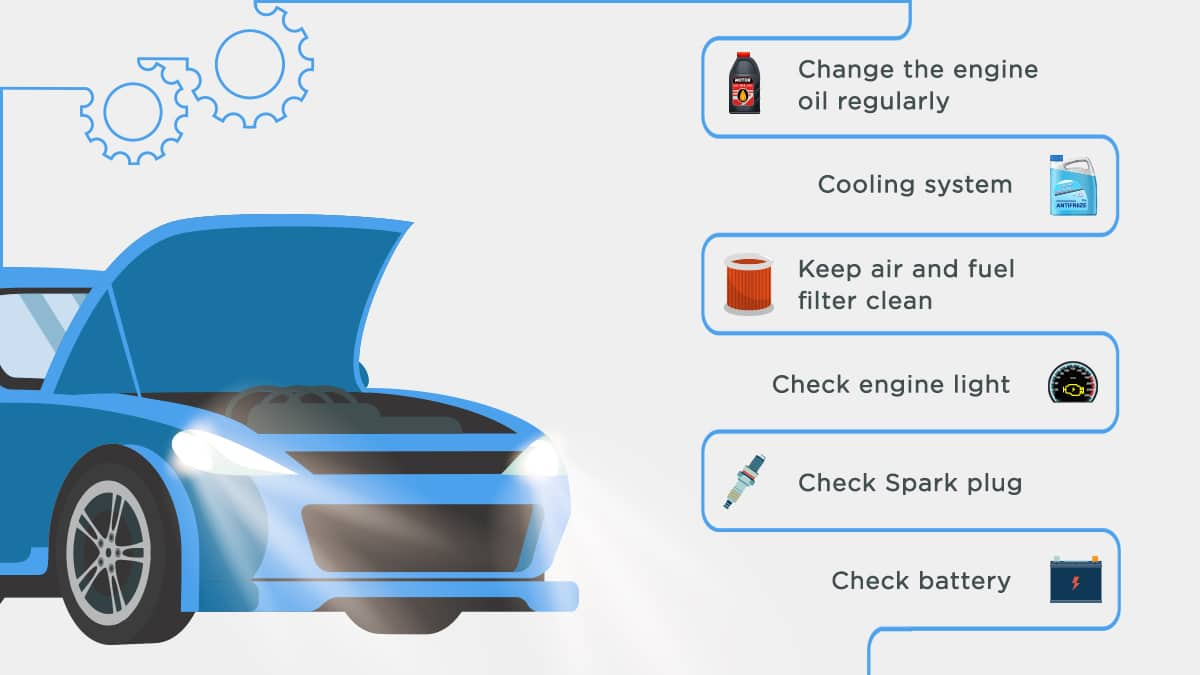
The engine is the heart of your vehicle, and its health directly dictates fuel efficiency. Regular oil changes with the correct type of oil ensure optimal lubrication and reduce friction, allowing the engine to run more smoothly and efficiently. Clogged air filters restrict airflow to the engine, forcing it to work harder and consume more fuel. Replacing a dirty air filter can improve fuel efficiency by as much as 10%. Spark plugs, when old or fouled, can lead to misfires, which waste fuel and diminish engine performance. Regular tune-ups, which often include inspecting and replacing these components, ensure that your engine operates at its peak efficiency, minimizing fuel waste and maximizing the return on every gallon of gasoline. These preventative measures are investments that pay dividends through reduced fuel costs and prolonged engine life.
Driving Habits: The Behavioral Aspect of Financial Savings
While mechanical maintenance is crucial, driver behavior also significantly impacts fuel economy and, by extension, personal finance. Aggressive driving – including rapid acceleration, hard braking, and excessive speeding – dramatically increases fuel consumption. Research shows that aggressive driving can lower gas mileage by 15% to 30% at highway speeds and 10% to 40% in stop-and-go traffic. Maintaining a steady speed, anticipating traffic, and accelerating gradually not only save fuel but also reduce wear and tear on brakes, tires, and the engine itself, extending the life of these components and deferring replacement costs. Utilizing cruise control on highways, avoiding unnecessary idling, and planning routes to minimize unnecessary travel are all financially savvy habits that complement physical car maintenance in driving down overall ownership costs.
Preserving Resale Value: Protecting a Major Asset
A car is a depreciating asset, but its rate of depreciation can be significantly mitigated through thoughtful care, thereby preserving a greater portion of your initial investment. When the time comes to sell, the condition of your vehicle directly translates into its market value, making maintenance an investment in future liquidity.
Documenting Service History: A Goldmine for Future Buyers
One of the most powerful tools for preserving and demonstrating your car’s value is a comprehensive and organized service history. Keeping meticulous records of every oil change, tire rotation, repair, and major service provides tangible proof of diligent care. A thick file of receipts, invoices, and detailed notes assures potential buyers that the car has been properly maintained, instilling confidence and often justifying a higher asking price. This transparency eliminates much of the uncertainty inherent in buying a used car, as buyers can see a clear timeline of preventative and corrective actions. In essence, a well-documented service history transforms perceived risk into verifiable reliability, directly impacting the final sale price and maximizing your financial return.
Aesthetic Maintenance: The Financial Impact of Curb Appeal
While mechanical health is paramount, the exterior and interior condition of a vehicle heavily influence its perceived value and, consequently, its resale price. A car with a clean, well-maintained exterior – free from excessive dents, scratches, and rust – projects an image of care and reliability. Regular washing, waxing, and addressing minor paint chips protect the finish and prevent more serious and costly damage. Inside, a clean, odor-free interior with intact upholstery and functional features signals a well-preserved vehicle. Stains, tears, and lingering odors can significantly detract from a car’s appeal and value, requiring considerable negotiation on price. Investing in regular detailing, promptly repairing minor cosmetic flaws, and maintaining interior cleanliness are low-cost ways to enhance “curb appeal,” which directly translates into a higher offer from prospective buyers and a more favorable financial outcome for the seller.
Understanding Market Trends: Timing Your Sale for Maximum Return
Beyond physical maintenance, understanding the automotive market can enhance your financial return when selling your car. Researching current demand for your specific make, model, and year, as well as being aware of seasonal fluctuations in sales, can help you time your sale strategically. For example, convertibles might fetch a higher price in spring, while SUVs with all-wheel drive might be more desirable as winter approaches. Being informed about current market values through online tools and local listings allows you to price your vehicle competitively yet advantageously. Combining meticulous care with strategic timing ensures that your well-maintained asset is presented to the market at its most opportune moment, maximizing its financial yield and minimizing its depreciation burden.
Navigating Unexpected Repairs: Financial Preparedness
Despite the best preventative care, unexpected repairs can and do arise. How you financially prepare for and manage these unforeseen expenses can significantly impact your personal financial stability and the overall cost of vehicle ownership.
Emergency Funds: The Automotive Safety Net
Having a robust emergency fund is paramount for navigating unexpected automotive repairs without derailing your financial plan. This dedicated fund, typically held in a readily accessible savings account, acts as a financial safety net for significant, unforeseen expenses. Rather than resorting to high-interest credit cards or delaying critical repairs, a well-funded emergency account allows you to address issues promptly, potentially preventing further, more costly damage. Financial advisors often recommend having three to six months’ worth of living expenses in an emergency fund, and a portion of this can be allocated to cover major vehicle repairs. This proactive financial planning mitigates the stress and financial strain of sudden car trouble, ensuring your asset remains operational without compromising your broader financial goals.
Extended Warranties and Service Plans: Are They Worth the Investment?
Extended warranties and service plans are often offered at the time of purchase or shortly thereafter, promising peace of mind against future repair costs. The financial value of these products is highly debated and depends on several factors: the vehicle’s reliability record, the cost of the plan, the coverage details, and your personal risk tolerance. For some, the upfront cost of a comprehensive extended warranty provides psychological comfort and protection against potentially exorbitant repair bills, especially for vehicles known for complex and expensive repairs after the manufacturer’s warranty expires. For others, particularly with highly reliable models, the cost of the warranty may outweigh the benefits, making it more financially prudent to simply save for potential repairs in their own dedicated fund. A thorough cost-benefit analysis, comparing the plan’s price against typical repair costs for your specific vehicle make and model, is essential before making this significant financial commitment.

Smart Repair Shop Selection: Balancing Cost and Quality
When an unexpected repair is necessary, selecting the right repair shop is a critical financial decision. Prioritizing the lowest estimate blindly can often lead to substandard work, requiring further repairs and costing more in the long run. Conversely, the most expensive option isn’t always the best. Look for shops with certified technicians, transparent pricing, positive customer reviews, and a clear warranty on parts and labor. Obtaining multiple quotes for significant repairs allows for comparison, but always scrutinize what each quote includes. A reputable shop will provide a detailed breakdown of parts and labor, explain the repair process, and answer all your questions. Balancing competitive pricing with a commitment to quality and transparency ensures that your money is well spent, your vehicle is properly repaired, and you avoid the financial pitfalls of shoddy workmanship.
aViewFromTheCave is a participant in the Amazon Services LLC Associates Program, an affiliate advertising program designed to provide a means for sites to earn advertising fees by advertising and linking to Amazon.com. Amazon, the Amazon logo, AmazonSupply, and the AmazonSupply logo are trademarks of Amazon.com, Inc. or its affiliates. As an Amazon Associate we earn affiliate commissions from qualifying purchases.