
The quest for the “least expensive car insurance company” is a perennial pursuit for financially savvy drivers. However, the answer is rarely a simple one-word response naming a single insurer. Car insurance premiums are highly personalized, a complex calculus based on a multitude of factors unique to each driver, vehicle, and location. Understanding this intricate pricing mechanism is the first step toward unlocking significant savings and ensuring optimal financial protection without overpaying.
Understanding Car Insurance Pricing: Beyond the Sticker Price
To pinpoint the most affordable car insurance for your specific needs, it’s crucial to first grasp the variables that shape your premium. No single company is universally the cheapest, as their underwriting models weigh these factors differently, leading to a dynamic landscape where one insurer might be incredibly competitive for a particular demographic but expensive for another.
Key Factors Influencing Your Premium
Insurers assess risk to determine your premium. The higher they perceive your risk of filing a claim, the more you’ll likely pay. This assessment is based on a comprehensive profile encompassing:
-
Driver-Specific Factors:
-
Age and Experience: Younger, less experienced drivers (especially teenagers) typically face higher rates due to statistical evidence of more accidents. Rates often decrease as drivers mature, stabilizing in their 30s and 40s.
-
Driving Record: Accidents (at-fault or not), speeding tickets, DUIs, and other violations significantly increase premiums. A clean driving record is paramount for affordability.
-
Credit Score (where permitted): In many states, insurers use a credit-based insurance score as a strong predictor of future claims. A higher credit score often translates to lower rates.
-
Marital Status: Married individuals statistically have fewer accidents and often receive lower rates.
-
Occupation and Education: Some insurers offer discounts based on certain professions or educational backgrounds, perceiving them as indicators of lower risk.
-
Gender: Historically, men paid more than women due to higher perceived risk, though this gap has narrowed and is prohibited in some states.
-
-
Vehicle-Specific Factors:
-
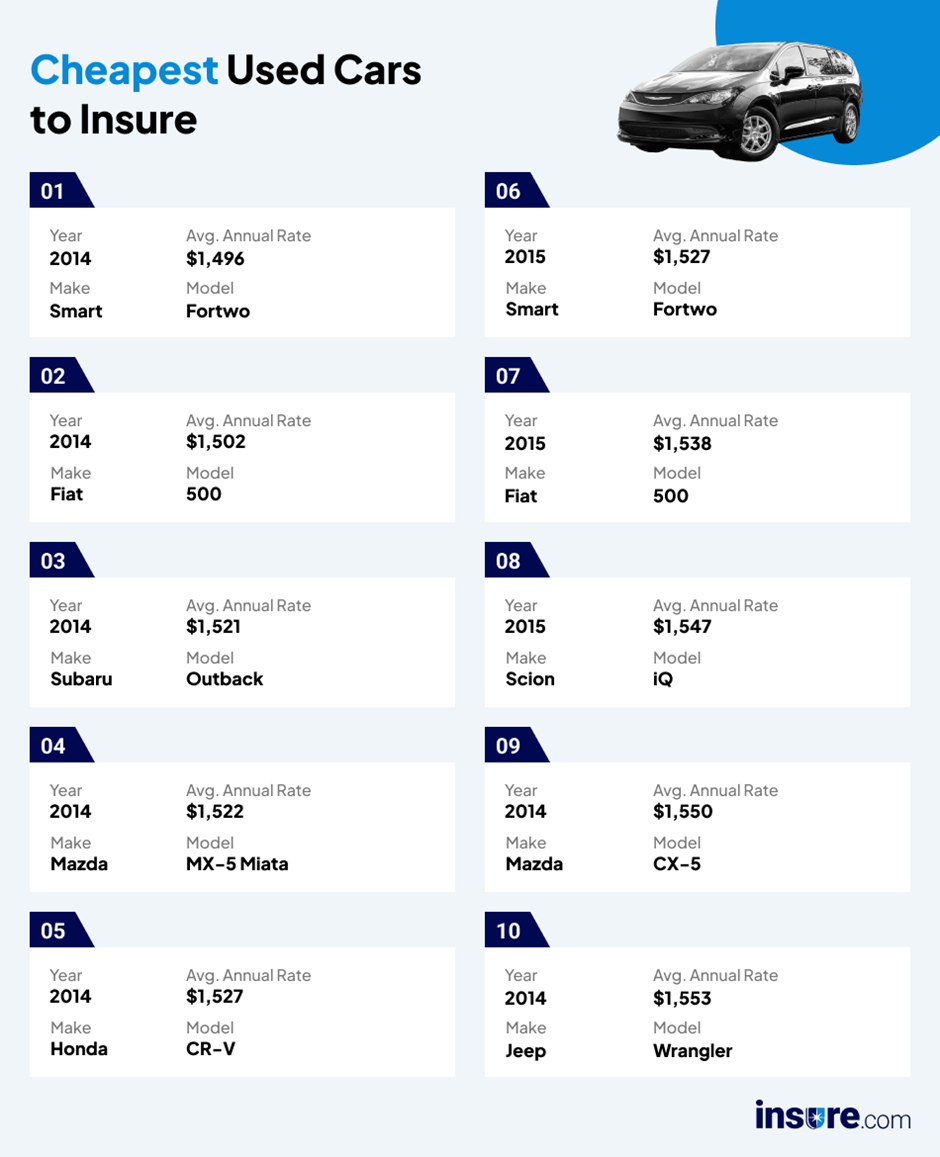
Make, Model, and Year: Sports cars, luxury vehicles, and those with high repair costs or a high theft rate generally cost more to insure. Safer, less powerful, and widely available models often have lower premiums.
-
Safety Features: Advanced safety features like anti-lock brakes, airbags, adaptive cruise control, and anti-theft devices can lead to discounts.
-
Usage: How much you drive (annual mileage) and for what purpose (commuting, pleasure, business) impacts your rate. Lower mileage often means lower premiums.
-
-
Geographic Factors:
-
Zip Code: Rates vary significantly by location. Urban areas with higher traffic density, crime rates, and accident frequencies typically have higher premiums than rural areas.
-
Claim Frequency in Area: Insurers track the number of claims originating from specific regions, adjusting rates accordingly.
-
-
Coverage Choices:
-
Liability Limits: The amount of coverage you choose for bodily injury and property damage directly impacts your premium. Higher limits provide greater protection but cost more.
-
Deductibles: Your deductible is the amount you pay out-of-pocket before your insurance kicks in for collision and comprehensive claims. A higher deductible typically leads to a lower premium, and vice-versa.
-
Optional Coverages: Add-ons like comprehensive, collision, uninsured/underinsured motorist, medical payments, personal injury protection (PIP), roadside assistance, and rental car reimbursement increase your premium but offer valuable financial safeguards.
-
Strategies for Finding Your Cheapest Car Insurance
Given the individualized nature of car insurance pricing, the most effective strategy for finding the least expensive option is proactive and systematic. It involves diligent research, smart decision-making about coverage, and leveraging available discounts.
The Power of Comparison Shopping
This is arguably the most crucial step. Never assume your current insurer offers the best rate without verifying it.
-
Online Aggregators: Websites that allow you to get multiple quotes from different insurers by filling out a single form can be a good starting point. However, they don’t always include every insurer, especially smaller regional ones.
-
Direct Quotes: It’s often beneficial to visit the websites of individual insurance companies directly for quotes, as they may offer different pricing or additional discounts not found through aggregators.
-
Independent Agents: An independent insurance agent works with multiple insurance carriers and can shop around on your behalf, providing tailored recommendations and potentially uncovering local or niche insurers that offer better rates.
-
Captive Agents: Agents who work exclusively for one company (e.g., State Farm, Allstate) can only provide quotes from that specific insurer.
-
Frequency of Shopping: Make it a habit to shop for new quotes annually, or whenever a significant life event occurs, such as buying a new car, moving, getting married, or improving your credit score. These events can dramatically alter your risk profile and open doors to better rates.
Optimizing Your Coverage for Cost Savings
While comparison shopping reveals competitive prices, you also have control over your premium through your coverage choices and available discounts.
-
Adjusting Deductibles: If you have a solid emergency fund, consider increasing your collision and comprehensive deductibles. Moving from a $250 deductible to $500 or $1,000 can significantly lower your premium, but ensure you can comfortably afford the deductible if you need to make a claim.
-
Reviewing Coverage Needs: As your car ages and depreciates, the cost of collision and comprehensive coverage might eventually outweigh the car’s actual cash value. At some point, it might be financially prudent to drop these coverages, relying solely on liability and other essential protections.
-
Bundling Policies: Most insurers offer substantial discounts (often 5-25%) when you bundle multiple policies, such as car and home insurance, car and renters insurance, or car and life insurance, with the same company.
-
Utilizing Discounts: Insurers offer a vast array of discounts. Always inquire about every discount you might qualify for:
-
Safe Driver/Good Driver: For maintaining a clean driving record for a specified period.
-
Multi-Car: Insuring more than one vehicle with the same company.
-
Good Student: For students maintaining a certain GPA.
-
Distant Student: If a student on your policy attends college far from home without a car.
-
Low Mileage: For drivers who don’t drive frequently.
-
Anti-Theft Device: For vehicles equipped with approved security systems.
-
Payment Method: Discounts for paying your premium in full, setting up automatic payments, or choosing paperless billing.
-
Loyalty: For long-term customers.
-
Affinity/Group Discounts: Through employers, professional organizations, or alumni associations.
-
Telematics/Usage-Based Insurance (UBI): Programs (e.g., Progressive Snapshot, Allstate Drivewise) that monitor your driving habits (speed, braking, mileage) via a mobile app or device, offering discounts for safe driving.
-
-
Improving Your Credit Score: A higher credit-based insurance score often leads to lower premiums in states where it’s permitted. Focus on paying bills on time, reducing debt, and monitoring your credit report for errors.
Top Contenders Often Cited for Affordability (with caveats)
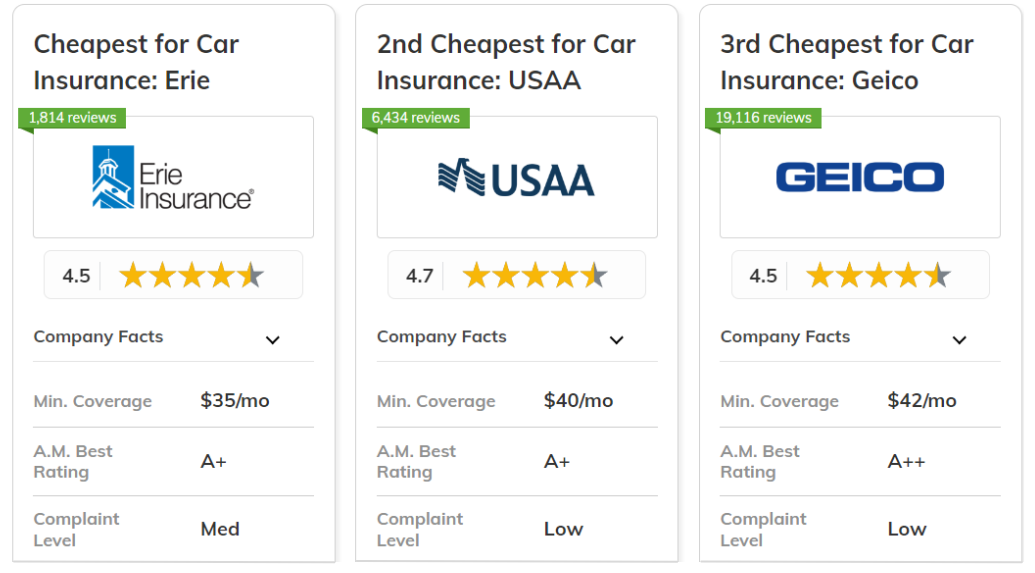
While “cheapest” is a moving target, certain insurance companies consistently appear on lists for their competitive pricing, particularly for specific demographics or driving profiles. It’s vital to remember that these are general observations, and your individual quote may differ significantly.
Direct Insurers vs. Traditional Models
The structure of an insurance company can influence its pricing.
-
Direct Insurers: Companies like GEICO and Progressive often have lower overheads because they primarily interact with customers online or over the phone, rather than through a large network of physical agents. This can translate to more competitive premiums for many drivers.
-
Traditional Insurers: Companies like State Farm and Allstate, while still offering competitive rates, often operate with extensive agent networks, providing a more personalized, local service experience that some customers value.
-
Usage-Based Insurance (UBI) Providers: Newer models, often employing telematics, base premiums more heavily on actual driving behavior. Root Insurance, for example, heavily emphasizes a driver’s score derived from their app, aiming to reward safe drivers with significantly lower rates.
Companies Frequently Mentioned for Affordability
Based on various industry analyses and consumer feedback, these companies are often cited for their competitive rates:
-
GEICO: Widely recognized for its aggressive pricing, especially for drivers with clean records. Their direct-to-consumer model helps keep costs down, making them a frequent contender for low-cost policies.
-
Progressive: Known for its “Name Your Price” tool and a variety of discounts, including those for online quotes and usage-based insurance (Snapshot). They are often competitive for drivers of all ages and credit backgrounds.
-
State Farm: As the largest auto insurer by market share, State Farm is often competitive, particularly for customers who bundle policies (home and auto). Their extensive agent network provides local support while maintaining competitive pricing for many.
-
Allstate: Offers numerous discounts, especially for good students, safe drivers, and those who participate in their Drivewise telematics program, which rewards safe driving.
-
USAA: Consistently ranks among the top for affordability and customer satisfaction. However, eligibility is restricted to military members, veterans, and their eligible family members. For those who qualify, USAA is often the cheapest and best option.
-
Erie Insurance: A strong regional player (primarily in the Midwest and East Coast) known for its competitive rates, strong customer service, and unique features like guaranteed rate cuts for certain changes.
-
Travelers: Often provides competitive rates for drivers with good records and can be a strong contender for bundling policies.
-
Root Insurance: A newer, app-based insurer that prices policies primarily based on actual driving behavior measured through a smartphone app. This model can be significantly cheaper for safe drivers but might be more expensive for others.
-
Lemonade Car: Another tech-forward insurer offering car insurance alongside other policies (home, renters). Their focus on AI and a direct-to-consumer model aims for efficiency and competitive pricing, particularly for those looking to bundle.
The Long-Term Financial Wisdom of Car Insurance
While finding the least expensive car insurance company is a laudable financial goal, it’s crucial to balance cost with adequate protection. The true value of insurance isn’t just a low monthly premium; it’s the financial security it provides when you need it most.
Balancing Cost and Coverage: The True Value Proposition
Opting for the absolute cheapest policy without considering its coverage limits can be a false economy. State minimum liability requirements are often insufficient to cover significant damages in a serious accident. If you’re at fault and your coverage doesn’t cover the full extent of the other party’s medical bills or property damage, you could be personally liable for the remaining balance. This could lead to wage garnishments, asset seizure, or even bankruptcy – consequences far outweighing the savings on a minimal premium.
Consider these aspects when making your final decision:
-
Your Assets: If you have significant assets (home equity, savings, investments), you need higher liability limits to protect them from potential lawsuits.
-
Medical Costs: Even minor injuries can quickly accumulate substantial medical bills. Ensure your bodily injury liability is robust enough.
-
Vehicle Value: If your car is newer or has significant value, comprehensive and collision coverage are essential to protect your investment.
-
Peace of Mind: The financial security and peace of mind that come with adequate coverage can be invaluable, especially after a stressful incident.

Regular Review and Adjustment
Car insurance is not a set-it-and-forget-it expense. Your needs, financial situation, and the insurance market are constantly evolving.
-
Life Changes: Any significant life event – buying a new home, getting married, changing jobs, improving your credit, or even reaching a certain age milestone – should prompt a review of your policy and a fresh round of quotes.
-
Market Competition: Insurance companies frequently adjust their rates, and a company that was once the cheapest for you might not be next year. Regular comparison shopping ensures you’re always getting the best deal.
Ultimately, the least expensive car insurance company for you is the one that offers the necessary coverage at the most competitive price, tailored to your unique risk profile and financial situation. It demands an active approach of understanding your needs, exploring all options, and leveraging every available discount. By combining diligent comparison shopping with smart coverage choices, you can effectively manage this critical aspect of your personal finance, ensuring both affordability and robust protection.
aViewFromTheCave is a participant in the Amazon Services LLC Associates Program, an affiliate advertising program designed to provide a means for sites to earn advertising fees by advertising and linking to Amazon.com. Amazon, the Amazon logo, AmazonSupply, and the AmazonSupply logo are trademarks of Amazon.com, Inc. or its affiliates. As an Amazon Associate we earn affiliate commissions from qualifying purchases.