
Navigating the landscape of personal finance often involves making critical decisions about your assets, liabilities, and protective measures like insurance. While acquiring insurance is a straightforward step many take to safeguard against unforeseen financial burdens, the process of canceling a policy, especially with a major provider like Allstate, requires a structured approach to ensure financial stability and avoid potential pitfalls. This guide delves into the financial considerations and practical steps involved in cancelling your Allstate insurance, emphasizing prudent money management throughout the transition.
Understanding Your Reasons for Cancellation
Before initiating any cancellation process, it’s imperative to deeply understand the financial implications and underlying motivations. Cancelling an insurance policy isn’t merely an administrative task; it’s a financial decision that can impact your budget, risk exposure, and long-term financial planning.
Policy Changes and Coverage Needs
Life events frequently necessitate a re-evaluation of your insurance coverage. A change in marital status, the addition or removal of a vehicle, moving to a new residence, or even a child leaving home can alter your risk profile and, consequently, your insurance requirements. For instance, selling a car means you no longer need auto insurance for that specific vehicle, presenting an opportunity to adjust your premiums. Similarly, buying a new home might prompt you to switch from renter’s insurance to homeowner’s insurance, or even to a new provider offering better bundled rates. Regularly reviewing your policies against your current circumstances is a cornerstone of effective personal finance, ensuring you’re neither over-insured nor under-insured for your present needs.
Financial Considerations and Budgeting
Cost is a primary driver for many financial decisions, and insurance is no exception. Perhaps you’re looking to reduce monthly expenses, consolidate bills, or reallocate funds towards other financial goals like debt repayment or investment. A careful review of your household budget might reveal that your current Allstate premiums are higher than what you’re comfortable paying, especially if your income has shifted or other financial obligations have increased. In such cases, cancelling an existing policy and seeking a more affordable alternative becomes a strategic financial move aimed at optimizing your cash flow and maintaining fiscal discipline. However, it’s crucial to weigh the savings against potential reductions in coverage or service quality.
Switching Providers and Comparison Shopping
The insurance market is highly competitive, and regular comparison shopping is a prudent financial habit. You might have found another insurer offering the same or better coverage at a significantly lower premium, or perhaps a different provider offers unique discounts (e.g., for bundling home and auto policies, good driving habits, or specific safety features) that Allstate doesn’t match for your profile. Making the switch can be a direct path to immediate savings. This strategic move aligns with principles of sound financial management, where consumers actively seek the best value for their money, fostering competition among insurers and ultimately benefiting the astute policyholder.
The Essential Steps to Cancelling Your Allstate Policy
Once you’ve firmly established your reasons, the actual process of cancelling your Allstate policy involves several critical steps to ensure a smooth transition and minimize financial disruption. Precision and attention to detail are paramount.
Reviewing Your Policy Documents
Before making any contact, thoroughly review your Allstate policy documents. These documents contain vital information regarding your contract, including the policy number, coverage start and end dates, premium schedules, cancellation clauses, and any potential fees or penalties for early termination. Understanding these terms is crucial for anticipating any financial implications, such as pro-rated refunds or administrative charges, and for preparing yourself for discussions with your agent or customer service representative. This preparatory step is a fundamental aspect of financial literacy, ensuring you are fully informed of your contractual obligations and rights.
Contacting Allstate Directly
The most effective way to cancel your Allstate insurance is by contacting them directly. You typically have several avenues:
-
Your Allstate Agent: If you have a dedicated local agent, they are often the best first point of contact. They can guide you through the process, explain any financial implications, and ensure all necessary paperwork is handled correctly. They may also be able to offer alternatives or competitive rates to retain your business.
-
Allstate Customer Service: For those without a specific agent or preferring a direct corporate line, Allstate’s customer service (available via phone or sometimes online chat) can facilitate the cancellation. Be prepared for potentially longer wait times during peak hours.
-
Online Portal/App: Some basic policy adjustments or inquiries might be possible through Allstate’s online portal or mobile app, but full cancellation often requires direct verbal or written communication to ensure proper verification and documentation.
Always verify the contact method recommended for cancellations, as policies can vary.
Required Information and Documentation
When you contact Allstate, be prepared to provide specific information to verify your identity and policy details. This typically includes:
-
Your full name and address
-
Policy number(s) for the insurance you wish to cancel
-
Your date of birth
-
The effective date you wish for the cancellation to occur (future date is usually preferred to avoid coverage gaps)
-
Reason for cancellation (though not always strictly required, it can sometimes help facilitate the process or lead to alternative offers)
-
Details of your new insurance provider, if you’re switching, particularly if they require proof of previous coverage cancellation.

Having these details readily available streamlines the conversation and ensures that your request is processed efficiently, aligning with sound financial record-keeping practices.
Navigating Potential Pitfalls and Ensuring a Smooth Transition
Cancelling insurance requires careful execution to avoid unintended financial consequences. A lapse in coverage or unexpected charges can create significant financial risk.
Avoiding Gaps in Coverage
Perhaps the most critical financial consideration when cancelling insurance is to prevent a lapse in coverage. Even a single day without insurance can expose you to substantial financial liability, particularly for auto or home insurance. For example, driving without auto insurance is illegal in most places and can result in fines, license suspension, or even imprisonment, not to mention bearing the full financial burden of an accident. For homeowners, a lapse in coverage can violate mortgage agreements and leave your most valuable asset unprotected. The best practice is to have your new policy in place and effective before your Allstate policy is officially cancelled. Coordinate the effective date of your new policy to immediately follow the cancellation date of your old one. This continuity is a cornerstone of responsible financial planning.
Understanding Refunds and Pro-Rated Premiums
When you cancel an insurance policy mid-term, you may be entitled to a refund of any unused portion of your premium. This is known as a pro-rated refund. Allstate will calculate the premium you’ve paid for the period you were covered and return the remainder. However, be aware that some policies may have short-rate cancellation fees, which are small administrative charges for early termination. Your policy documents or agent can clarify if such fees apply. Understanding these financial mechanics ensures you can accurately project your cash flow and confirm the refund amount once processed. It’s wise to track this refund to ensure it’s received promptly.
Confirming the Cancellation in Writing
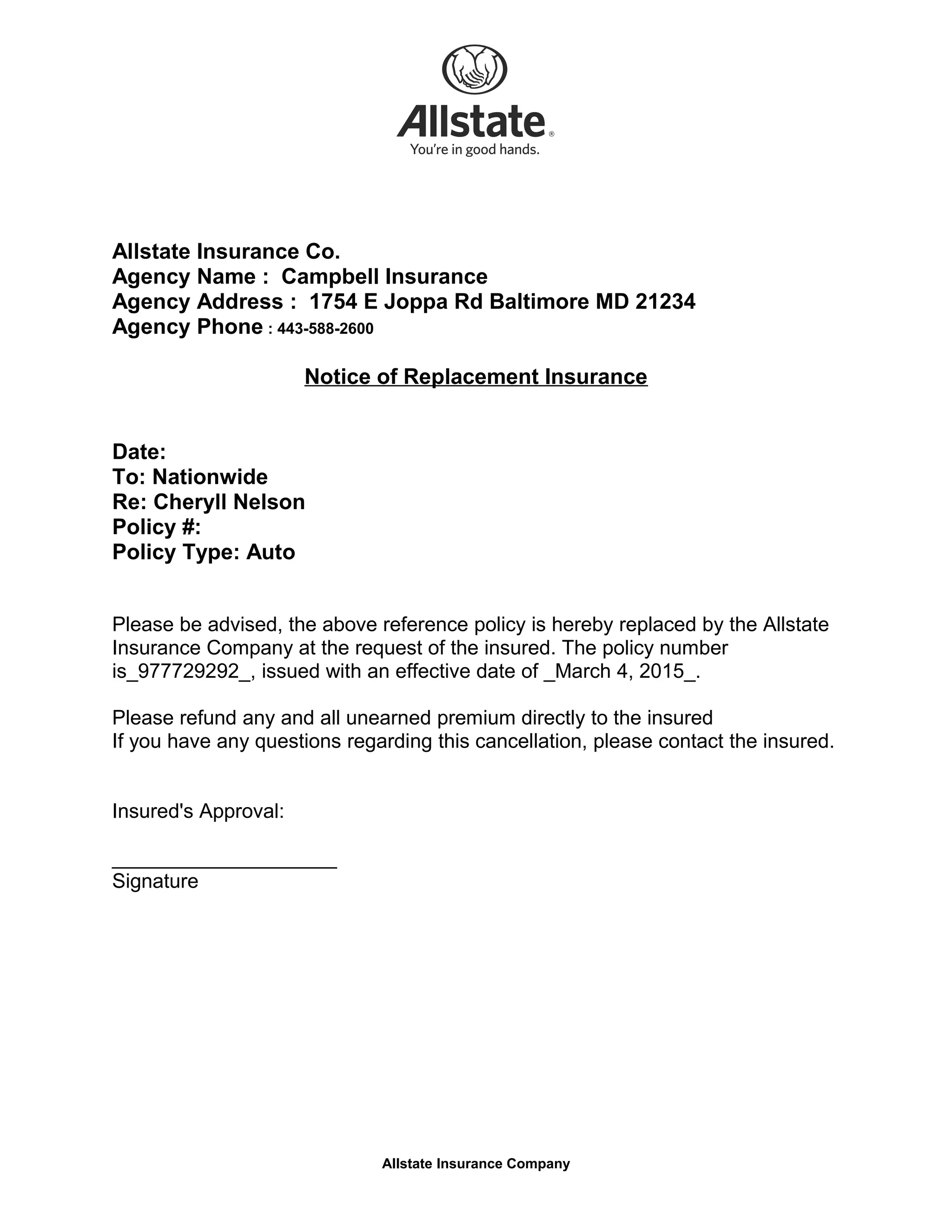
Always request written confirmation of your policy cancellation from Allstate. This document should clearly state the policy number, the effective date of cancellation, and confirm that no further premiums are due. This written proof is your critical financial record, serving as evidence that your policy was officially terminated and that you are no longer liable for premiums from that date forward. It can be invaluable in resolving any future discrepancies or billing errors. Store this confirmation alongside your other important financial documents.
When Cancellation Isn’t the Only Option: Exploring Alternatives
While outright cancellation is sometimes necessary, it’s not always the only or most financially advantageous path. Allstate, like other major insurers, often provides options to adjust your policy to better fit your changing financial circumstances without fully terminating coverage.
Adjusting Coverage for Cost Savings
Before cancelling, consider if simply adjusting your existing policy could meet your financial goals. You might be able to reduce your premiums by:
-
Increasing your deductible: A higher deductible means you pay more out-of-pocket in the event of a claim, but your regular premiums will decrease significantly. This is a calculated risk that can offer substantial savings for those with sufficient emergency funds.
-
Reducing certain coverage types: For example, on an older vehicle, you might drop comprehensive or collision coverage if the car’s value doesn’t justify the premium cost. For homeowners, adjusting specific riders might also yield savings.
-
Reassessing liability limits: Ensure your liability coverage is appropriate for your assets and risk tolerance, but avoid cutting it too low to protect your financial future.
These adjustments are a form of financial optimization, allowing you to tailor your insurance expenses more precisely to your budget without abandoning coverage entirely.
Utilizing Discounts and Bundling Options
Allstate, like many insurers, offers a range of discounts that policyholders may not fully utilize. Inquire about:
-
Multi-policy discounts: Bundling your auto, home, renter’s, or life insurance policies with Allstate can often lead to significant savings across all policies.
-
Safety features discounts: For auto insurance, anti-lock brakes, airbags, anti-theft devices, and certain vehicle safety ratings can qualify for discounts.
-
Good driver/student discounts: Maintaining a clean driving record or having good grades (for younger drivers) can reduce premiums.
-
Payment method discounts: Setting up automatic payments or paying your premium in full annually often comes with a discount.
-
Loyalty discounts: Long-term customers may qualify for specific loyalty programs.
Actively pursuing these discounts is a straightforward way to reduce your insurance outlay and improve your personal financial health without switching providers.

Policy Reviews with Your Agent
A periodic policy review with your Allstate agent is a valuable financial habit. Agents are equipped to help you understand your current coverage, identify potential gaps, and highlight opportunities for savings through adjustments or discounts. They can also advise on how major life changes (marriage, new job, home renovations, etc.) might impact your insurance needs and premiums. This proactive engagement ensures your insurance portfolio remains aligned with your financial situation and long-term goals, providing peace of mind and optimized expenditure.
aViewFromTheCave is a participant in the Amazon Services LLC Associates Program, an affiliate advertising program designed to provide a means for sites to earn advertising fees by advertising and linking to Amazon.com. Amazon, the Amazon logo, AmazonSupply, and the AmazonSupply logo are trademarks of Amazon.com, Inc. or its affiliates. As an Amazon Associate we earn affiliate commissions from qualifying purchases.