
Determining the right amount of insurance coverage is a critical component of sound financial planning, yet it’s a question many individuals and businesses grapple with. It’s not merely about purchasing a policy; it’s about strategically mitigating risk without overspending or, conversely, leaving oneself vulnerable to financial catastrophe. The answer isn’t a one-size-fits-all figure but rather a dynamic calculation based on individual circumstances, assets, liabilities, and future aspirations. Understanding the principles behind adequate coverage can empower you to make informed decisions that safeguard your financial future.
The Foundational Role of Insurance in Financial Security
At its core, insurance is a mechanism for transferring risk. Instead of bearing the full financial burden of an unexpected event, you pay a regular premium to an insurer, who then assumes that risk. This fundamental concept underpins all types of insurance, from protecting your life and health to safeguarding your property and business operations.
Risk Mitigation and Financial Stability
The primary objective of insurance is to mitigate financial risk. Life is unpredictable; unforeseen events like accidents, illnesses, natural disasters, or even premature death can have devastating financial consequences. Without proper insurance, these events can deplete savings, force asset sales, or lead to insurmountable debt. Insurance acts as a financial safety net, providing a payout or covering expenses when a covered event occurs, thereby preserving your accumulated wealth and maintaining financial stability for yourself and your dependents. For businesses, this means protecting against operational disruptions, lawsuits, and property damage that could otherwise lead to bankruptcy.
Fulfilling Legal and Contractual Requirements
Beyond personal financial protection, certain types of insurance are legally mandated or contractually required. For instance, auto insurance is compulsory in most jurisdictions to protect other drivers and pedestrians in case of an accident. If you have a mortgage, your lender will almost certainly require homeowners insurance to protect their investment in the property. Businesses often need specific liability insurance to operate legally, and workers’ compensation is mandatory for most employers. Understanding these non-negotiable requirements is the first step in building an insurance portfolio, but it’s crucial to remember that legal minimums rarely equate to adequate protection.
Key Factors Influencing Your Insurance Needs
The “how much” question is deeply personal and multifaceted. Several key factors intertwine to dictate the optimal level of coverage for any given insurance type. A holistic assessment of your current situation and future projections is essential.
Life Stage, Dependents, and Income
Your life stage profoundly impacts your insurance needs. A young, single professional with no dependents will have different requirements than a married parent with a mortgage and children entering college. Life insurance, for example, is primarily designed to replace lost income and support dependents in the event of your untimely death. The more people reliant on your income, and the longer they will be reliant, the greater your life insurance need. Similarly, disability insurance becomes more critical as your income grows and responsibilities mount, protecting your ability to earn should you become unable to work. As you near retirement, with fewer dependents and significant assets, the need for certain types of coverage might diminish, while others, like long-term care insurance, may become more pertinent.
Assets, Liabilities, and Net Worth
The value of what you own and what you owe directly influences your property and liability insurance needs. High-value assets like homes, vehicles, and expensive personal belongings require robust property insurance to cover replacement costs. Your liabilities, such as mortgages, loans, and potential legal judgments, dictate the necessary limits for liability coverage. If you have substantial assets, you are a more attractive target for lawsuits, necessitating higher liability limits, often augmented by an umbrella policy. A high net worth typically implies a need for greater protection against all forms of financial loss. Conversely, if your assets are minimal, your property insurance needs might be lower, though liability protection remains crucial.
Health, Lifestyle, and Risk Tolerance
Your health status and lifestyle choices play a significant role, particularly in health, life, and disability insurance. Pre-existing conditions, a history of certain illnesses, or engaging in high-risk hobbies can impact eligibility, premiums, and the specific riders you might need. A generally healthy individual might choose a higher deductible health plan, while someone with chronic conditions might opt for a lower deductible and more comprehensive coverage. Your personal risk tolerance also factors in: are you comfortable bearing a larger portion of potential losses through higher deductibles for lower premiums, or do you prefer maximum protection with higher upfront costs? This psychological comfort level helps tailor your coverage strategy.
Business Operations and Industry-Specific Risks
For business owners, the complexity multiplies. The type of business, its size, the industry it operates in, and the number of employees all dictate specific insurance needs. A small consulting firm might primarily need professional liability (E&O) and general liability insurance, whereas a manufacturing plant will require extensive property insurance, product liability, and workers’ compensation. Cyber liability insurance is now almost universally essential. Understanding the unique risks inherent to your industry – from data breaches to supply chain disruptions to employee injuries – is paramount to securing adequate business insurance that protects assets, operations, and reputation.
Deconstructing Coverage: How to Quantify Different Insurance Types
Once you understand the factors influencing your needs, the next step is to apply these to specific insurance types to determine appropriate coverage amounts.
Life Insurance: Securing Your Legacy
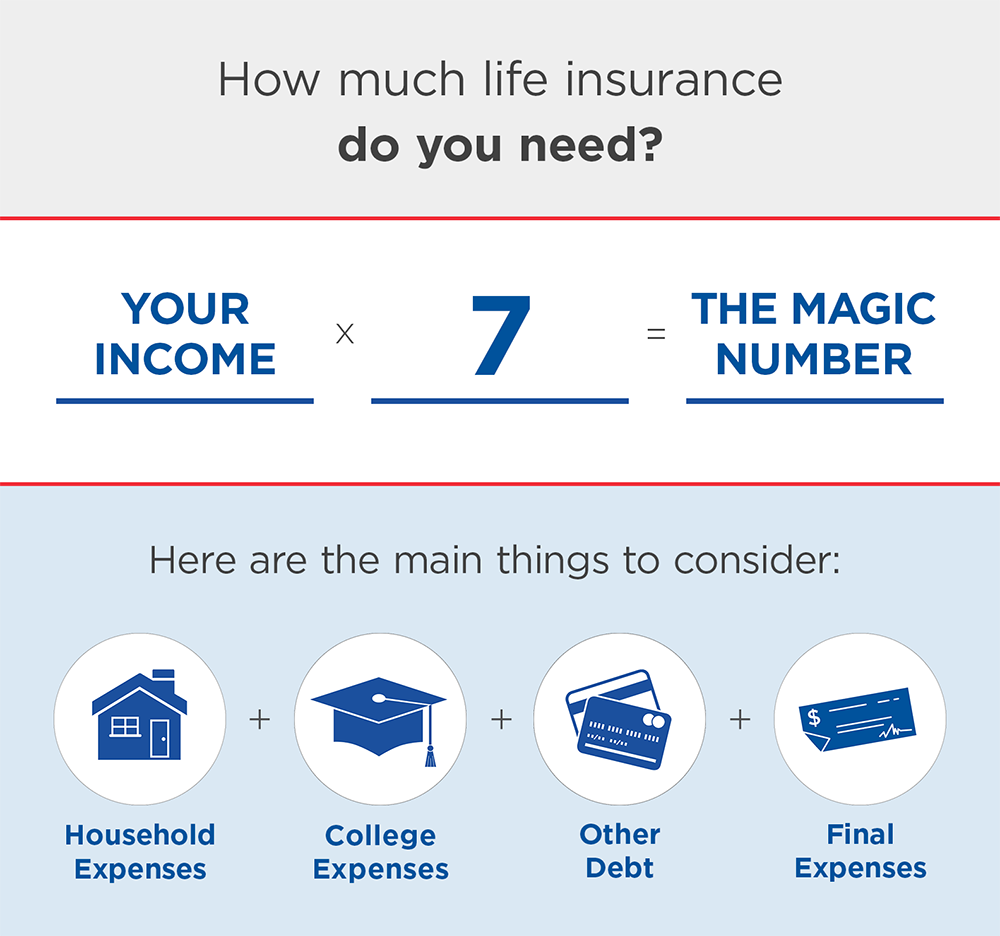
The core question for life insurance is: how much money would your family need to maintain their lifestyle if your income suddenly disappeared? Common methodologies include:
-
DINK Method (Dual Income, No Kids): Covers shared debts (mortgage, loans), funeral costs, and some short-term income for the surviving spouse.
-
Human Life Value (HLV): Calculates the present value of all future income you expect to earn. While theoretically sound, it can lead to very high figures.
-
Income Replacement: A simpler approach, multiplying your annual income by the number of years your family would need support (e.g., 10-15x your salary).
-
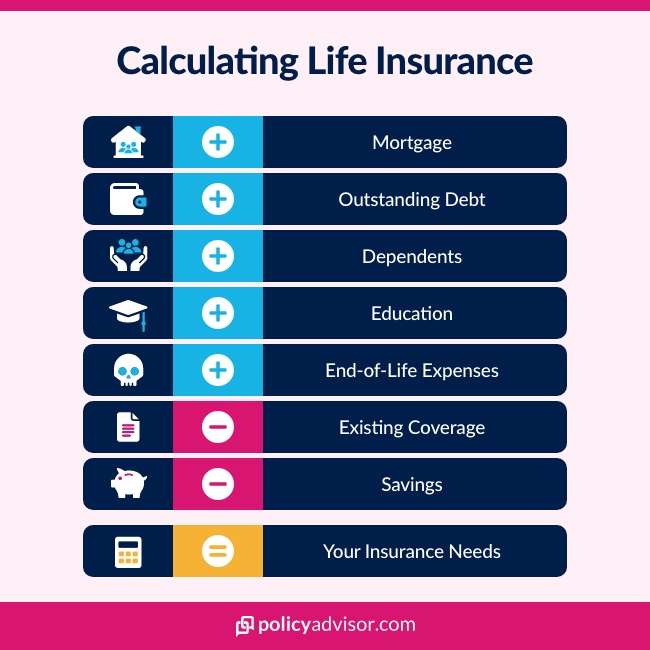
Needs-Based Analysis: This is the most comprehensive. Sum up all potential expenses (outstanding debts, mortgage, future education costs, funeral expenses, emergency fund, income replacement for X years) and subtract existing liquid assets and any employer-provided life insurance. The remainder is your target coverage. This method ensures all critical financial obligations are covered.
Health Insurance: Balancing Access and Cost
Choosing health insurance involves navigating deductibles, co-pays, coinsurance, and out-of-pocket maximums. The “how much” here relates more to how much risk you are willing to bear upfront versus how much you pay in premiums.
-
High Deductible Health Plans (HDHPs): Lower premiums, higher out-of-pocket costs before insurance kicks in. Good for healthy individuals who rarely use medical services, often paired with an HSA.
-
Low Deductible Plans: Higher premiums, lower out-of-pocket costs. Suitable for those with chronic conditions or frequent medical needs.
-
Out-of-Pocket Maximum: This is the most critical figure. It’s the absolute maximum you’ll pay for covered medical services in a year. Ensure this amount is manageable within your emergency savings. Your coverage is adequate if you can comfortably afford this maximum in a worst-case scenario.
Auto Insurance: Beyond the Minimums
State minimum liability requirements are almost always insufficient. If you cause a serious accident, the damages could easily exceed these limits, leaving you personally responsible for the difference.
-
Liability Coverage (Bodily Injury & Property Damage): Aim for at least $100,000/$300,000 for bodily injury (per person/per accident) and $50,000-$100,000 for property damage. If you have significant assets, consider even higher limits or an umbrella policy.
-
Collision & Comprehensive: These cover damage to your own vehicle. If your car is financed, it’s usually mandatory. For older cars, consider if the premium cost outweighs the car’s actual cash value. Your deductible for these should be an amount you can comfortably pay out-of-pocket without financial strain.
-
Uninsured/Underinsured Motorist: Crucial coverage to protect you if the at-fault driver has no or insufficient insurance. Match this with your liability limits.
Homeowners/Renters Insurance: Protecting Your Dwelling and Belongings
The “how much” for property insurance focuses on replacement costs.
-
Dwelling Coverage (Homeowners): Should cover the rebuild cost of your home, not its market value. Get a professional appraisal to determine this, and ensure it includes inflation protection.
-
Personal Property Coverage: Typically 50-70% of your dwelling coverage. Take an inventory of your belongings and estimate their replacement cost. For high-value items (jewelry, art, collectibles), you may need special riders or separate policies. Opt for “replacement cost” coverage, not “actual cash value,” which deducts for depreciation.
-
Liability Coverage: Protects you if someone is injured on your property. Aim for at least $300,000 to $500,000, again considering an umbrella policy for higher asset protection.
Disability Insurance: Protecting Your Earning Power
Your income is your greatest asset. Disability insurance replaces a portion of your income if you become unable to work due due to illness or injury.
-
Coverage Amount: Most policies replace 50-70% of your gross income. You typically don’t need 100% replacement because disability benefits are often tax-free (if you pay the premiums with after-tax dollars) and you won’t have work-related expenses.
-
Benefit Period: How long will benefits be paid? Opt for a long-term policy that covers you until retirement age if possible.
-
Waiting Period: The time before benefits begin (e.g., 30, 60, 90 days). A longer waiting period means lower premiums, but ensure you have an emergency fund to cover expenses during this time.
Strategies for Optimizing Coverage and Cost
Smart insurance decisions aren’t just about the numbers; they involve ongoing strategies to ensure your coverage remains optimal and cost-effective.
Conduct Regular Needs Assessments
Your life changes, and so should your insurance. Review your policies annually or whenever a significant life event occurs: marriage, birth of a child, new home, salary increase, career change, or starting a business. What was adequate five years ago might be wholly insufficient today. This proactive approach prevents gaps in coverage and ensures you’re not paying for protection you no longer need.
Understand Policy Limits, Deductibles, and Exclusions
Never assume coverage. Read your policy documents carefully to understand what is covered, what are the limits, and, critically, what is excluded. A higher deductible can significantly lower premiums, but only choose one you can comfortably afford in an emergency. Be aware of sub-limits for specific items (e.g., jewelry on a homeowners policy) and ensure any necessary riders are added.
Get Multiple Quotes and Work with an Independent Agent
Don’t settle for the first quote you receive. Insurance premiums vary widely between providers for the exact same coverage. Obtain quotes from several reputable insurers. An independent insurance agent can be invaluable here, as they work with multiple carriers and can help you compare policies, identify potential discounts, and tailor coverage to your specific needs, often without additional cost to you.
Balance Cost and Protection: The Value Equation
The goal is not to buy the cheapest insurance, nor is it to buy every possible type of coverage. The goal is to find the optimal balance between adequate protection and affordable premiums. This often involves:
-
Bundling Policies: Many insurers offer discounts for combining auto and homeowners insurance.
-
Seeking Discounts: Ask about discounts for good drivers, home security systems, non-smokers, good students, or professional affiliations.
-
Avoiding Over-Insurance: Don’t pay for coverage you genuinely don’t need. For instance, if you have significant cash assets, you might self-insure for minor risks, foregoing specific coverage types.
Ultimately, determining “how much to insure” is an ongoing, personalized process rooted in a thorough understanding of your financial landscape, your liabilities, your dependents’ needs, and your appetite for risk. By taking a strategic approach, you can build a robust insurance portfolio that provides peace of mind and safeguards your financial future against the inevitable uncertainties of life.
aViewFromTheCave is a participant in the Amazon Services LLC Associates Program, an affiliate advertising program designed to provide a means for sites to earn advertising fees by advertising and linking to Amazon.com. Amazon, the Amazon logo, AmazonSupply, and the AmazonSupply logo are trademarks of Amazon.com, Inc. or its affiliates. As an Amazon Associate we earn affiliate commissions from qualifying purchases.