
Navigating the landscape of car insurance can often feel like a complex journey, fraught with varying figures and seemingly arbitrary pricing. The question, “how much should car insurance be?” doesn’t have a single, universal answer. Instead, it’s a dynamic figure shaped by a multitude of factors unique to each driver, vehicle, and location. Understanding these underlying variables and the different types of coverage available is crucial for not only budgeting effectively but also for ensuring you’re adequately protected without overpaying.
Deciphering the Drivers of Insurance Premiums
Car insurance premiums are not pulled from thin air. Insurers meticulously assess risk, and that assessment translates directly into the price you pay. Several core factors consistently emerge as primary influencers.
Driver Profile: Age, Experience, and Driving Record
Your personal history behind the wheel is arguably the most significant determinant of your insurance costs.
-
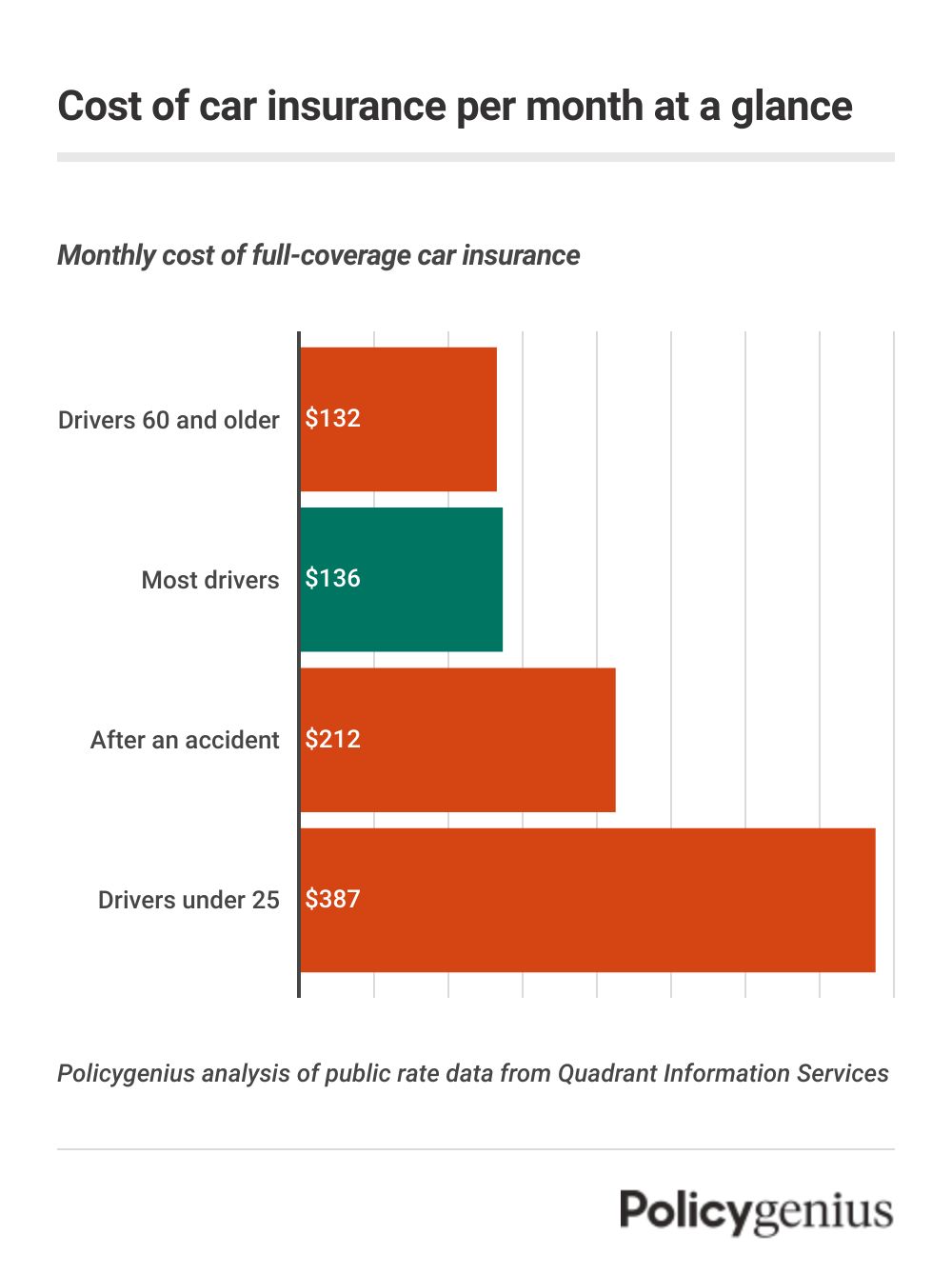
Age and Experience: Younger, less experienced drivers, particularly those under 25, typically face higher premiums. Statistics show this demographic is more prone to accidents, making them a higher risk in the eyes of insurers. As drivers mature and gain more experience without incident, their rates tend to decrease.
-
Driving Record: A clean driving record is gold. Accidents, traffic violations (like speeding tickets or DUIs), and even minor infractions signal to insurers that you pose a greater risk. Each incident can lead to increased premiums for several years, varying by state and insurer. Conversely, a prolonged period without claims or violations can qualify you for good driver discounts.
-
Credit Score (where permissible): In many states, your credit score, or more accurately, your credit-based insurance score, is used as a predictor of how likely you are to file a claim. Statistical analysis suggests a correlation between a higher credit score and a lower likelihood of filing claims, often resulting in lower premiums for those with excellent credit. This practice is prohibited in some states due to concerns about fairness and disproportionate impact.
-
Gender: Historically, gender played a role in premium calculation, with young males often paying more due to higher accident rates. However, many states and countries have made it illegal to use gender as a rating factor to promote non-discrimination.
Vehicle Characteristics: Make, Model, and Safety Features
The car you drive is just as important as who is driving it. Insurers look at various aspects of your vehicle.
-
Make, Model, and Year: Luxury, sports, and high-performance vehicles typically cost more to insure because they are more expensive to repair or replace, and often, more appealing to thieves. Older vehicles, while less expensive to replace, might still incur higher repair costs if parts are scarce.
-
Safety Ratings: Cars with higher safety ratings often qualify for lower premiums. Features like advanced driver-assistance systems (ADAS), anti-lock brakes, airbags, and electronic stability control reduce the likelihood of severe accidents and injuries, thus lowering potential claim payouts.
-
Theft Rates: Vehicles that are frequent targets for theft or vandalism will generally have higher comprehensive coverage costs. Insurers track these statistics closely.
-
Repair Costs: The cost and availability of replacement parts, as well as the complexity of repairs for a specific vehicle model, directly influence collision and comprehensive premiums. A car that requires specialized parts or labor will be more expensive to insure.
Location, Location, Location
Where you live and park your car significantly impacts your insurance rates.
-
Urban vs. Rural: Densely populated urban areas typically have higher rates due to increased traffic congestion, higher accident rates, and greater risk of theft and vandalism. Rural areas, with less traffic, often enjoy lower premiums.
-
Local Claims History: Insurers analyze the frequency and severity of claims in specific zip codes. If your area has a high incidence of accidents, car thefts, or natural disasters (like hail storms or floods), your rates will reflect that increased risk.
-
Commute Distance: The more miles you drive annually, especially for commuting, the higher your risk of being involved in an accident, which can lead to increased premiums.
The Spectrum of Coverage: What You Need vs. What You Pay For
Beyond understanding the factors that influence price, knowing the different types of coverage is essential. Car insurance isn’t a one-size-fits-all product; it’s a customizable bundle of protections.
State Minimum Requirements: The Bare Essentials
Every state mandates a minimum level of car insurance coverage, primarily to protect other drivers and their property in an accident where you are at fault.
-
Liability Coverage: This is the cornerstone of state-mandated insurance.
-
Bodily Injury Liability: Pays for medical expenses, lost wages, and pain and suffering for others if you cause an accident. States typically require coverage per person and per accident.
-
Property Damage Liability: Covers damage you cause to another person’s vehicle or property (like a fence or building) in an accident.
-
-
Uninsured/Underinsured Motorist (UM/UIM) Coverage: Required in some states, this protects you if you’re hit by a driver who has no insurance or insufficient insurance to cover your damages.
-
Personal Injury Protection (PIP) or Medical Payments (MedPay): Required in “no-fault” states, PIP covers your own medical expenses, lost wages, and other related costs, regardless of who is at fault in an accident. MedPay is similar but typically only covers medical expenses.
Relying solely on state minimums is often the cheapest option upfront, but it leaves you vulnerable to substantial out-of-pocket costs if you’re involved in a serious accident. If your liability limits are exhausted, you could be personally responsible for the remaining damages.
Beyond the Basics: Comprehensive, Collision, and More
For true financial peace of mind, most drivers opt for more robust coverage, especially if they have a newer or financed vehicle (lenders usually require it).
-
Collision Coverage: Pays for damage to your own vehicle resulting from a collision with another car or object, regardless of who is at fault. It’s an essential component for protecting your investment in your vehicle.
-
Comprehensive Coverage: Protects your car from damages not involving a collision, such as theft, vandalism, fire, natural disasters (hail, flood), and striking an animal.
-
Rental Car Reimbursement: Pays for a rental car while your vehicle is being repaired after a covered claim.
-
Roadside Assistance: Covers services like towing, jump-starts, tire changes, and fuel delivery if your car breaks down.
Add-Ons and Endorsements: Tailoring Your Protection
Beyond the main categories, various endorsements can further customize your policy.
-
Gap Insurance: Crucial for new cars, this covers the “gap” between what you owe on your loan or lease and your car’s actual cash value if it’s totaled.
-
New Car Replacement: If your new car is totaled within a certain timeframe (e.g., the first year), this coverage pays for a brand-new car of the same make and model.
-
Original Equipment Manufacturer (OEM) Parts: Ensures that repairs use original manufacturer parts rather than aftermarket alternatives.
Each additional layer of coverage adds to your premium, so it’s vital to assess your needs, your vehicle’s value, and your risk tolerance.
Strategies for Optimizing Your Car Insurance Costs
While many factors are beyond your immediate control, there are numerous proactive steps you can take to manage and potentially lower your car insurance premiums without sacrificing essential protection.
Shop Around and Compare Quotes Regularly
This is arguably the most impactful strategy. Insurance rates vary significantly between providers for the exact same coverage. Get quotes from at least three to five different insurance companies annually, or whenever your policy is up for renewal, or if you experience a major life event (marriage, move, new car). Online comparison tools can streamline this process.
Leverage Discounts: Bundling, Good Driver, and More
Insurers offer a wide array of discounts designed to reward certain behaviors or customer profiles.
-
Multi-Policy Discount (Bundling): Combine your car insurance with homeowners, renters, or life insurance with the same provider for a significant discount.
-
Good Driver/Accident-Free Discount: Maintain a clean driving record for a specified number of years.
-
Good Student Discount: High school or college students with good grades (typically a B average or higher) can often qualify.
-
Anti-Theft Device Discount: Vehicles equipped with alarms, tracking systems, or other anti-theft features may receive a discount.
-
Low Mileage Discount: If you drive fewer miles than the average driver, you might be eligible.
-
Telematics/Usage-Based Insurance: Programs that monitor your driving habits (speed, braking, mileage) through a device or app can reward safe drivers with lower premiums.
-
Paid-in-Full Discount: Pay your entire annual or semi-annual premium upfront instead of monthly installments.
-
Military or Affinity Discounts: Some insurers offer discounts to military personnel, veterans, or members of specific professional organizations.
Always ask your insurer about all available discounts; they won’t always automatically apply them.
Adjusting Deductibles and Coverage Limits
Your deductible is the amount you pay out-of-pocket before your insurance kicks in for a claim.
-
Increase Your Deductible: Opting for a higher deductible (e.g., from $500 to $1,000) for collision and comprehensive coverage will typically lower your premium. Just ensure you have enough savings to cover that higher deductible if you need to file a claim.
-
Review Coverage Limits: While state minimums are often too low, there’s a sweet spot. Assess your assets and risk tolerance to determine appropriate liability limits. Over-insuring can be as financially inefficient as under-insuring.
Improving Your Credit Score (Where Applicable)
In states where it’s allowed, a better credit-based insurance score can lead to lower premiums. Focus on paying bills on time, reducing debt, and monitoring your credit report for errors.
Re-evaluating Your Vehicle Needs
The car you drive has a direct impact on your insurance.
-
Research Insurance Costs Before Buying: Before purchasing a new car, get insurance quotes for different models. A seemingly affordable car might have unexpectedly high insurance costs.
-
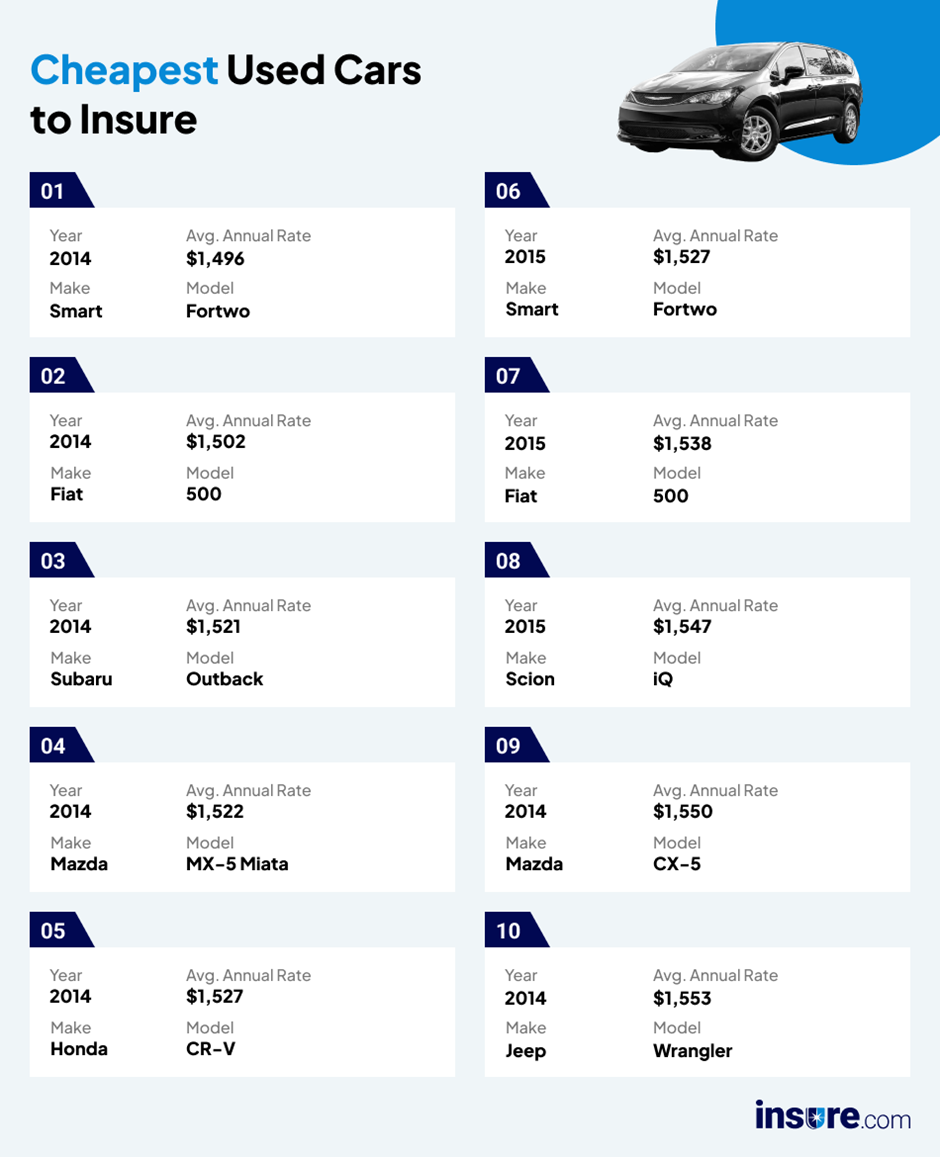
Consider Used Cars: Newer cars cost more to insure. A reliable used car can significantly reduce both your vehicle purchase price and your insurance premiums.
When Your Insurance Cost Feels Too High: A Practical Approach
If you’ve reviewed your policy and feel your premiums are still excessive, a systematic approach can help you find solutions.
Reviewing Your Policy Annually
Don’t just auto-renew. Each year, or whenever your personal circumstances change, take time to:
-
Check for Lapsed Discounts: Ensure all applicable discounts are still being applied.
-
Update Your Information: Report changes in mileage, address, or marital status, as these can impact rates.
-
Assess Vehicle Value: As your car ages, its actual cash value decreases. You might consider adjusting your comprehensive and collision coverage or increasing your deductibles to reflect this depreciation. At some point, the cost of these coverages might outweigh the potential payout.
Understanding the Claims Process and Its Impact
Filing a claim, particularly for at-fault accidents, will almost certainly lead to higher premiums for several years. For minor damages that cost less than your deductible, or slightly more, it might be more financially prudent to pay out-of-pocket rather than filing a claim. Weigh the immediate cost against the long-term impact on your rates.

Seeking Professional Financial Advice
If you’re still struggling to understand your options or manage costs, a qualified independent insurance agent or financial advisor can offer personalized guidance. They can help you analyze your specific situation, clarify complex policy details, and find the best coverage for your budget.
Ultimately, the “right” amount for car insurance is a balance between adequate protection and affordability. By understanding the contributing factors, actively seeking discounts, and regularly reviewing your policy, you can ensure you’re getting the best value for your money.
aViewFromTheCave is a participant in the Amazon Services LLC Associates Program, an affiliate advertising program designed to provide a means for sites to earn advertising fees by advertising and linking to Amazon.com. Amazon, the Amazon logo, AmazonSupply, and the AmazonSupply logo are trademarks of Amazon.com, Inc. or its affiliates. As an Amazon Associate we earn affiliate commissions from qualifying purchases.