
Navigating the world of car insurance, especially for a used vehicle, can feel like a labyrinth of terms, conditions, and variable costs. When someone asks “how much is full coverage insurance on a used car,” they’re often seeking a definitive number, but the reality is far more nuanced. There’s no single price tag; instead, it’s a dynamic figure influenced by a multitude of factors, each contributing to your final premium. Understanding these elements is key to budgeting effectively and making informed financial decisions about protecting your investment.
Understanding Full Coverage and Its Components
The term “full coverage” is a common industry colloquialism, but it’s crucial to understand that it doesn’t refer to a single, all-encompassing policy. Instead, it’s a blanket term for a combination of different insurance types designed to protect you, your vehicle, and others in various scenarios. For a used car, these coverages are particularly important for financial security.
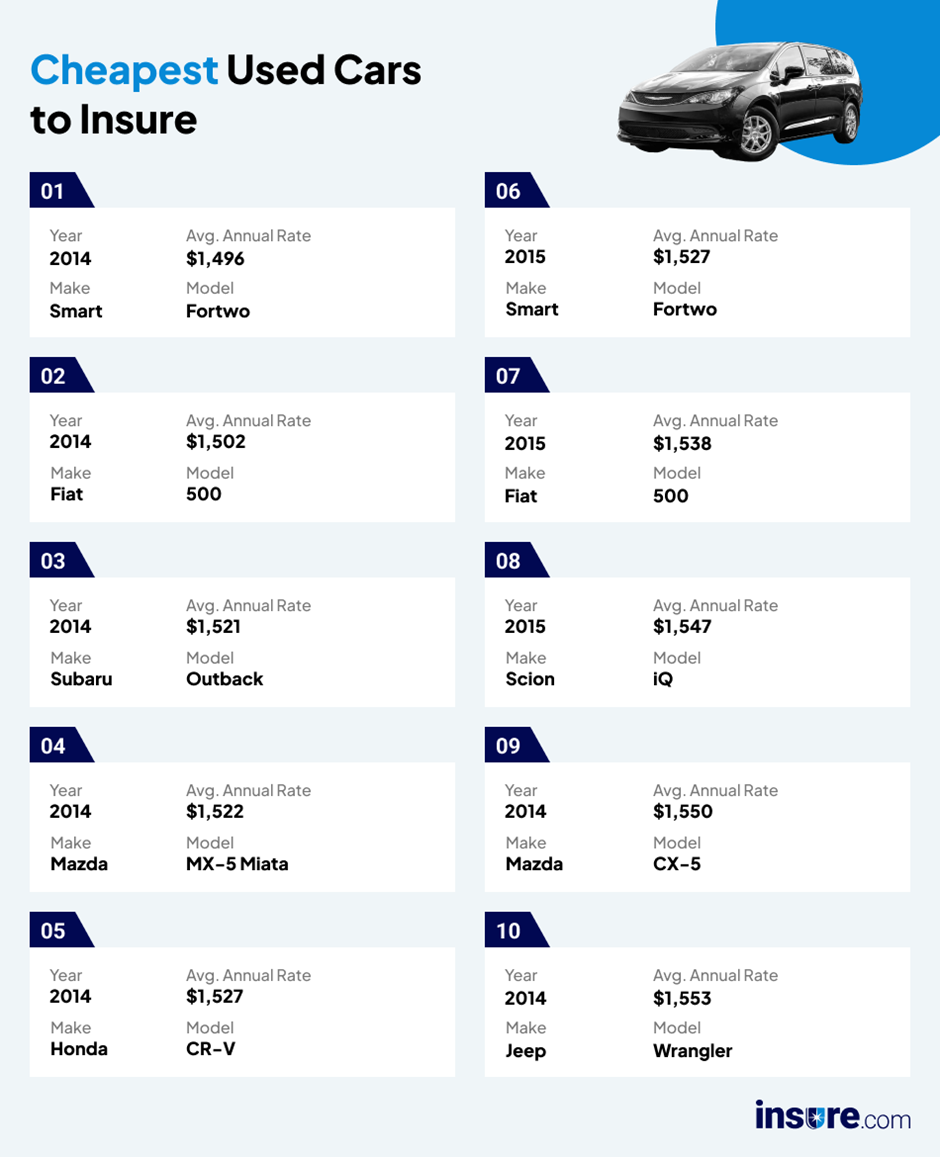
What “Full Coverage” Truly Means
At its core, “full coverage” typically includes:
-
Collision Coverage: This pays for damage to your vehicle resulting from an accident with another car or object, regardless of who is at fault. If you collide with a tree, another car, or even a pothole that causes significant damage, collision coverage steps in. For a used car, this is vital if you can’t afford to pay for major repairs or replace the vehicle entirely out of pocket.
-
Comprehensive Coverage: Often paired with collision, comprehensive coverage protects your car from non-collision incidents. This includes theft, vandalism, fire, natural disasters (like hail or floods), falling objects, and striking an animal. Given that used cars can be just as susceptible to these events as new ones, comprehensive coverage offers broad financial protection beyond accident scenarios.
-
Liability Coverage (Bodily Injury & Property Damage): This is the foundation of almost any car insurance policy and is legally mandated in most states. It covers costs if you are at fault for an accident that injures another person (Bodily Injury Liability) or damages their property (Property Damage Liability). While not directly covering your own vehicle, it’s considered part of “full coverage” because it protects your assets from expensive lawsuits and medical bills if you cause an accident. Without adequate liability, an at-fault accident could lead to severe personal financial devastation.
Other Optional but Common Coverages
Beyond the core three, “full coverage” often implies the inclusion of other valuable protections that can significantly impact your financial well-being after an incident:
-
Uninsured/Underinsured Motorist (UM/UIM): This protects you if you’re involved in an accident with a driver who has no insurance or insufficient insurance to cover your damages and medical bills. Given the number of uninsured drivers on the road, UM/UIM can be a critical financial safeguard.
-
Medical Payments (MedPay) or Personal Injury Protection (PIP): These cover medical expenses for you and your passengers, regardless of fault, up to a specified limit. PIP, common in “no-fault” states, may also cover lost wages and other non-medical expenses.
-
Roadside Assistance and Rental Car Reimbursement: While not directly related to damage, these add-ons provide practical financial relief, covering towing, jump-starts, and the cost of a rental car while yours is being repaired.
The specific combination of these coverages, along with the chosen deductibles and limits, collectively determines your “full coverage” and, consequently, its cost.
Key Factors Influencing Used Car Insurance Premiums
The price you pay for full coverage on a used car is a highly personalized figure, resulting from a complex algorithm of risk assessment by insurance providers. Understanding these factors can help you anticipate costs and identify areas where you might be able to save.
The Vehicle Itself
-
Age, Make, and Model: While newer cars generally have higher comprehensive and collision premiums due to their higher value, a used car’s specific make and model still play a significant role. Luxury or sports cars, even if older, may cost more to insure due to higher repair costs, more expensive parts, and a greater likelihood of theft. Conversely, older, common models with readily available, cheaper parts might be less expensive.
-
Safety Features: Modern safety features like anti-lock brakes, airbags, and stability control can reduce the risk of injury and damage, often leading to lower premiums.
-
Theft Rates: Certain car models are more frequently targeted by thieves. If your used car is a popular target, its comprehensive premium could be higher.
Your Driving Record
This is perhaps the most significant individual factor.
-
Accidents and Moving Violations: A history of at-fault accidents, speeding tickets, DUIs, or other moving violations signals higher risk to insurers, resulting in substantially higher premiums.
-
Years of Experience: New drivers, regardless of age, typically pay more because they have less experience and a higher statistical likelihood of accidents.
Your Location
Where you live and park your car has a considerable impact.
-
Zip Code: Urban areas often have higher premiums due to increased traffic density, higher accident rates, and greater risk of theft or vandalism compared to rural areas.
-
Local Climate Risks: Regions prone to extreme weather events like hurricanes, floods, or severe hailstorms may see higher comprehensive premiums.
Your Demographics
While some factors are becoming less influential due to regulations, others remain relevant.
-
Age: Young drivers (under 25) typically face the highest premiums. Rates generally decrease as drivers gain experience, then may gradually rise again for older drivers (70+).
-
Marital Status: Married individuals often receive slightly lower rates, as statistics suggest they are less prone to risky driving behaviors.
Credit Score (Insurance Score)
In most states, insurers use a credit-based insurance score to help predict the likelihood of future claims. A higher credit score often correlates with lower premiums, as it’s seen as an indicator of financial responsibility. Maintaining good credit can therefore be a direct strategy for managing insurance costs.
Deductibles and Coverage Limits
These are direct levers you can pull to adjust your premium.
-
Deductibles: The amount you agree to pay out-of-pocket before your collision or comprehensive coverage kicks in. Higher deductibles (e.g., $1,000 instead of $500) will lower your premium, but mean greater out-of-pocket costs if you file a claim.
-
Coverage Limits: The maximum amount your insurer will pay for a covered loss. Higher liability limits, while offering better protection against lawsuits, will result in higher premiums.
Annual Mileage
If you drive significantly fewer miles than average, some insurers offer discounts, as less time on the road generally means less exposure to risk.
Why a Used Car Can Be More Complex to Insure (Financially)
While the base principles of insurance apply, used cars introduce unique financial considerations that impact the decision to carry full coverage and its cost-effectiveness over time.
Depreciation and ACV (Actual Cash Value)
Used cars depreciate constantly. Insurance payouts for collision and comprehensive claims are typically based on the car’s Actual Cash Value (ACV) at the time of the loss, not its original purchase price or replacement cost for a brand-new vehicle. This is critical: if your older used car is totaled, the payout might be significantly less than what you paid for it or what you need to buy a comparable replacement. For a very old or low-value used car, the annual cost of collision and comprehensive coverage might approach a substantial percentage of the car’s ACV, making it less financially justifiable.
The “Tipping Point” for Full Coverage
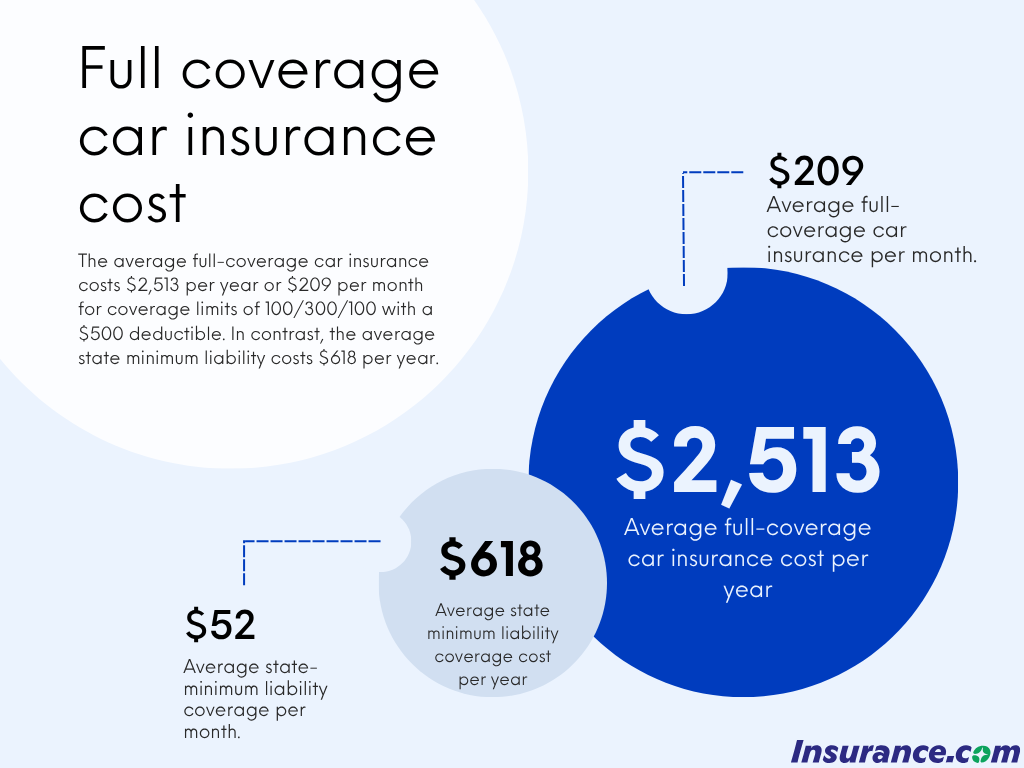
There comes a point in a used car’s life when the cost of collision and comprehensive insurance begins to outweigh the potential benefit. If your car is paid off, relatively old, and its ACV is, for example, $3,000, but your annual full coverage premium is $1,200 with a $500 deductible, you might be paying $1,200 for a maximum potential payout of $2,500 (ACV minus deductible). In such cases, dropping collision and comprehensive and self-insuring for damage to your own vehicle might be a financially sound decision, provided you have the savings to replace or repair it yourself.
Lender Requirements
One of the most significant drivers for full coverage on a used car is whether it’s financed. If you have a loan or lease on the vehicle, your lender will almost certainly require you to maintain full coverage (collision and comprehensive) for the duration of the loan. This protects their financial interest in the asset. Failing to do so can result in the lender forcing expensive “force-placed” insurance on you or even repossessing the vehicle. Therefore, for most financed used cars, full coverage isn’t optional until the loan is paid off.
Strategies to Lower Your Full Coverage Costs on a Used Car
While many factors are fixed, there are proactive steps you can take to mitigate the cost of full coverage on your used car, helping you save money over time.
Shop Around Aggressively
This is the golden rule of insurance. Do not settle for the first quote. Get quotes from at least three to five different insurance providers. Independent insurance agents can be particularly helpful, as they work with multiple carriers and can shop for you. Premiums can vary by hundreds or even thousands of dollars for the same coverage, depending on the insurer’s underwriting models and risk appetite.
Bundle Policies
Most insurers offer significant discounts (often 5-25%) when you bundle multiple policies, such as auto with homeowners or renters insurance. This not only simplifies your insurance management but also provides substantial savings.
Increase Your Deductibles
As discussed, choosing a higher deductible for your collision and comprehensive coverage will lower your annual premium. Just ensure you have enough money in an emergency fund to cover that higher deductible if you need to file a claim.
Look for Discounts
Insurers offer a wide array of discounts that many policyholders overlook. Ask your agent about:
-
Good driver/safe driver discounts: For a clean driving record.
-
Defensive driving course discounts: Completing an approved course.
-
Anti-theft device discounts: For alarms, vehicle recovery systems, etc.
-
Low mileage discounts: If you don’t drive much.
-
Student discounts: Good grades, drivers education.
-
Multi-car discounts: Insuring more than one vehicle.
-
Professional affiliations: Some employers or professional organizations have partnerships with insurers.
-
Payment method discounts: Paying in full or setting up automatic payments.
Maintain a Good Driving Record
This is the most impactful long-term strategy. Avoiding accidents and traffic violations will keep your premiums lower over time, as you’ll be perceived as a lower risk.
Improve Your Credit Score
Since credit-based insurance scores influence premiums in many states, improving your overall credit score can lead to better rates. Pay bills on time, reduce debt, and monitor your credit report for errors.
Re-evaluate Annually
Don’t just set it and forget it. Your car’s value changes, your driving habits might change, and new discounts may become available. Review your policy and get new quotes at least once a year, or whenever you have a significant life event (marriage, moving, new job).
Consider Usage-Based Insurance
Many insurers offer telematics programs where a device or app monitors your driving habits (speed, braking, mileage). Safe drivers can earn significant discounts.
Making an Informed Decision: Is Full Coverage Right for Your Used Car?
The decision to carry full coverage on a used car ultimately boils down to a personal financial risk assessment.
Assess Your Financial Risk Tolerance
Can you comfortably afford to pay for major repairs or replace your used car entirely out of pocket if it’s totaled in an accident or stolen? If not, full coverage provides a critical financial safety net. If you have substantial savings and your car is a low-value asset, you might consider self-insuring for collision and comprehensive.
Calculate the Car’s Actual Cash Value (ACV)
Regularly check your used car’s value using resources like Kelley Blue Book (KBB) or Edmunds. Compare the annual cost of your collision and comprehensive coverage to this ACV. If the annual premium for these coverages starts to approach 10-15% or more of the car’s ACV (minus your deductible), it might be time to reassess its financial viability.
Factor in Lender Requirements
If you have a loan on your used car, the decision is often made for you. Full coverage will be a non-negotiable requirement until the loan is satisfied.
Consider Your Driving Habits and Environment
If you live in an area with high traffic, frequent severe weather, or high theft rates, the peace of mind and financial protection offered by full coverage might outweigh its cost, even on an older vehicle.

The Cost vs. Peace of Mind Trade-off
Sometimes, the financial math might suggest dropping collision and comprehensive on an older, paid-off used car. However, the emotional and practical relief of knowing you’re protected from unexpected financial burdens can be worth the premium for some individuals. Weigh the direct financial cost against the value of peace of mind and the potential for severe financial disruption.
Ultimately, there’s no fixed answer to “how much is full coverage insurance on a used car.” It’s a calculated financial decision based on your unique circumstances, the car’s value, your driving history, and your comfort level with risk. By understanding the components of full coverage, the factors influencing its cost, and strategic ways to save, you can make the most financially prudent choice for your used vehicle.
aViewFromTheCave is a participant in the Amazon Services LLC Associates Program, an affiliate advertising program designed to provide a means for sites to earn advertising fees by advertising and linking to Amazon.com. Amazon, the Amazon logo, AmazonSupply, and the AmazonSupply logo are trademarks of Amazon.com, Inc. or its affiliates. As an Amazon Associate we earn affiliate commissions from qualifying purchases.