
Cancelling an auto insurance policy might seem like a straightforward task, but navigating the process effectively can have significant financial implications. Whether you’ve found a better rate, sold your vehicle, or are simply changing providers, understanding the correct procedure for cancelling your GEICO car insurance policy is crucial for managing your personal finances, avoiding coverage gaps, and ensuring you receive any entitled refunds. This guide delves into the financial aspects and practical steps involved in ending your GEICO coverage smoothly and without unnecessary complications.
Understanding When and Why to Cancel Your GEICO Policy
The decision to cancel an insurance policy is often driven by a change in financial circumstances or a strategic move to optimize personal expenditures. Before initiating any cancellation, it’s vital to understand the underlying reasons and their potential financial ramifications.
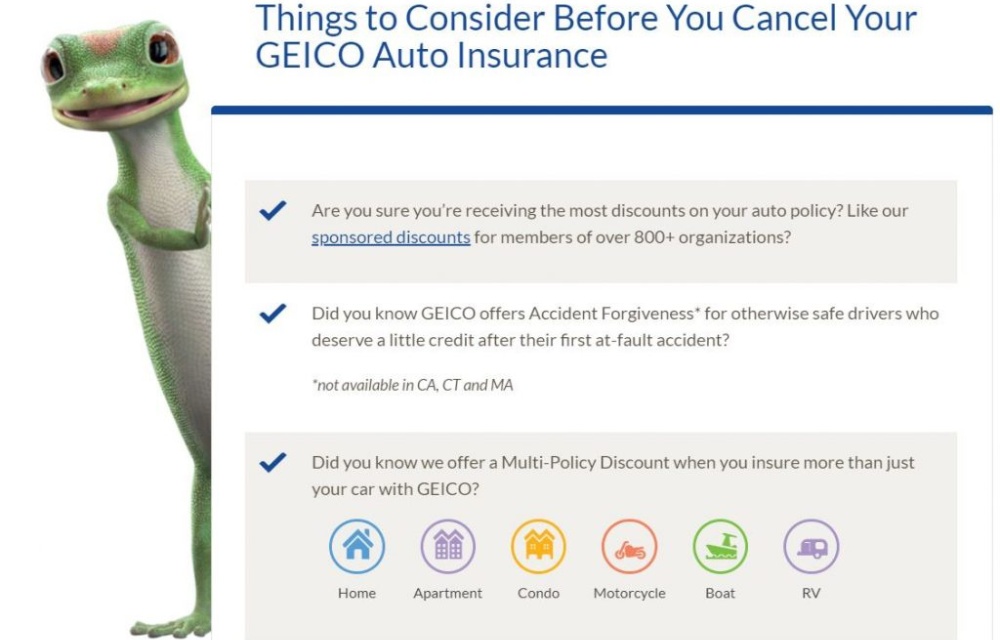
Common Reasons for Cancellation
Most policyholders cancel their GEICO car insurance for financially driven reasons, or due to life events that necessitate a change in coverage.
-
Finding a Better Rate: The most frequent reason for switching insurers is discovering a competitor offering comparable coverage at a lower premium. Regularly shopping for car insurance is a fundamental personal finance practice that can lead to substantial savings over time. Before cancelling, ensure the new policy truly offers the same level of protection and service for the price difference.
-
Selling Your Car: If you’ve sold your vehicle and do not intend to replace it immediately, continuing to pay for its insurance is a direct financial drain. Cancelling the policy promptly after the sale is essential to stop unnecessary premium payments.
-
Moving to a Different State: Insurance rates and regulations vary significantly by state. If you relocate, your current GEICO policy might not be valid or competitive in your new location, requiring you to secure new coverage tailored to local requirements.
-
Switching to a Different Insurer: You might be consolidating policies (e.g., bundling home and auto with one provider for a multi-policy discount) or simply prefer the customer service or specific features of another insurer. This is a strategic financial decision to potentially reduce overall insurance costs.
-
No Longer Needing Coverage: This could be due to a long-term absence from driving, moving to an area with robust public transportation where a personal vehicle is no longer necessary, or a significant change in household vehicle ownership.
Financial Implications of Cancellation
Cancelling an insurance policy is more than just stopping payments; it involves understanding potential refunds, avoiding penalties, and ensuring continuous coverage to protect your financial well-being.
-
Potential Refunds: If you’ve paid your premium in advance, you are typically entitled to a refund for the unused portion of your policy term. This is usually calculated on a “pro-rata” basis, meaning you get back the exact amount corresponding to the time left on your policy. GEICO generally issues pro-rata refunds, ensuring fairness. However, always confirm this during your cancellation call.
-
Pro-Rated vs. Short-Rate Cancellations: While GEICO typically uses pro-rata, it’s worth knowing that some insurers might apply a “short-rate” cancellation, where a small penalty or administrative fee is deducted from your refund. This is less common in auto insurance today but highlights the importance of asking specific questions about your refund calculation.
-
Avoiding Coverage Gaps: A critical financial risk is cancelling your old policy before your new one is active. Even a single day without coverage can expose you to severe financial liability if an accident occurs. Furthermore, having a lapse in coverage can lead to higher premiums when you seek new insurance in the future, as insurers view continuous coverage as a sign of responsible financial management. This financial penalty can be substantial over the lifetime of your driving.
-
Impact on Future Premiums: Cancelling a policy might also impact loyalty discounts you’ve accumulated with GEICO. When switching, ensure that any discounts with a new insurer genuinely offset the loss of potential long-term loyalty benefits from your previous provider.
Step-by-Step Guide to Cancelling Your GEICO Car Insurance
Executing the cancellation process efficiently ensures financial clarity and avoids unexpected issues. Following a structured approach can save you time and potential financial headaches.
Gather Necessary Information
Before you contact GEICO, consolidate all relevant information to streamline the process. This preparation minimizes delays and allows for a quick, decisive conversation.
-
Policy Number: This is your primary identifier and is essential for GEICO to locate your account quickly. It can be found on your insurance card, policy documents, or your online GEICO account.
-
Effective Date of Cancellation: Clearly decide the exact date you want your policy to end. This date should ideally align with the start date of your new policy to prevent any lapse in coverage.
-
New Insurance Details (if applicable): If you are switching providers, having the name of your new insurer and your new policy’s effective date readily available can be helpful, especially if GEICO asks for proof of continuous coverage.
-
Personal Identification: Be prepared to provide your full name, date of birth, and possibly the last four digits of your social security number to verify your identity.
Choose Your Cancellation Method
While some companies offer online cancellation, for insurance policies, direct communication is often the most reliable and financially prudent method.
-
Phone Call: The Most Recommended Approach:
-
Direct Communication: Calling GEICO directly (their customer service number is typically available on their website or your policy documents) allows you to speak with a representative who can process the cancellation immediately.
-
Immediate Confirmation: You can get an immediate confirmation of the cancellation date and inquire about any potential refunds.
-
Clarify Details: This is your opportunity to ask specific questions about your refund amount, when to expect it, and to confirm there are no outstanding payments or fees. It’s also where you can receive assurance that your policy will not auto-renew.
-
Be Prepared for Retention Efforts: GEICO, like any insurer, may attempt to retain your business by offering new discounts or re-evaluating your current premium. From a financial perspective, listen to their offer and compare it objectively against your new policy. Do the savings truly outweigh the benefits or cost of your chosen alternative? Make a data-driven decision.
-
-
Mail/Email: While technically possible, these methods are less ideal for immediate cancellation as they introduce a time lag. You cannot guarantee the exact processing date, which could lead to an unintended coverage gap or overpayment. If you must use these methods, send correspondence via certified mail with a return receipt requested for proof of delivery. Include all necessary policy details and a clear cancellation date.
-
Online Portal: GEICO’s online portal is excellent for managing policy details, making payments, and sometimes generating ID cards. However, full policy cancellation is typically not an option directly through the online account for security and verification reasons. It’s primarily designed for policy changes, not termination. Always default to a phone call for cancellation.
The Cancellation Conversation
When you call GEICO, be clear, concise, and firm about your intent.
-
Clearly State Your Intent: Begin by stating that you wish to cancel your car insurance policy and provide your policy number and desired cancellation date.
-
Confirm the Effective Cancellation Date: Reiterate the exact date you want the coverage to end and ensure the representative acknowledges it. This precision prevents any accidental overpayment or lapse.
-
Inquire About Refunds: Ask directly about any premium refund you are entitled to. Confirm the estimated amount, how and when it will be issued (e.g., check, direct deposit), and to which address or account. This is a critical financial step.
-
Request Written Confirmation: Always request that GEICO send you written confirmation of the policy cancellation. This document is invaluable for your records, proving that your policy was terminated on a specific date, and can be crucial for financial auditing or future insurance applications.
Essential Considerations Before Finalizing Your GEICO Cancellation

Before you make the final call to cancel your GEICO policy, there are several critical financial and legal considerations to address to ensure a seamless transition and protect your assets.
Secure New Coverage First
This cannot be stressed enough: never cancel your old policy before your new one is active.
-
Prevent Coverage Gaps: Driving without insurance is illegal in most states and carries severe financial penalties, including fines, license suspension, and vehicle impoundment. More critically, if you are involved in an accident without coverage, you will be personally responsible for all damages and medical costs, which can be financially devastating.
-
Understand Grace Periods: While some new policies might offer a short grace period for payment, never assume your old policy will extend coverage past its official cancellation date. The safest approach is to have your new policy’s effective date be the same as or earlier than your old policy’s cancellation date.
-
Legal Requirements for Continuous Coverage: Many state Departments of Motor Vehicles (DMVs) require proof of continuous auto insurance. A lapse in coverage can trigger notifications from the DMV and potentially lead to fines or registration suspension.
Understand Potential Fees and Refunds
While GEICO is generally transparent, it’s always wise to confirm specific financial details related to cancellation.
-
Early Cancellation Fees: While rare for auto insurance, some policies or states might impose a small administrative fee for cancelling mid-term. Always clarify this with the representative. GEICO typically does not charge these, but it’s good practice to confirm.
-
Pro-Rata Refunds Explained: As mentioned, GEICO typically provides pro-rata refunds. This means you only pay for the exact time you were covered. For instance, if you paid for six months but cancel after three, you’ll receive a refund for the remaining three months. Understand that if you have any outstanding balances or unpaid premiums, these will be deducted from your refund.
-
What Affects Refund Amounts: Factors like the payment schedule (monthly vs. upfront), any claims made during the policy period, or any outstanding fees can influence the final refund amount. Always reconcile the refund amount received with your expectations.
Document Everything
Maintaining meticulous records is a cornerstone of responsible financial management, especially when dealing with insurance.
-
Keep Records of Calls, Emails, and Confirmation Letters: Note the date and time of your cancellation call, the name of the representative you spoke with, and a summary of the conversation. If you exchanged emails or letters, keep copies.
-
Note Names, Dates, and Times: This level of detail provides irrefutable proof should any discrepancies arise later regarding your cancellation or refund. This documentation can act as your financial safeguard.
What Happens After You Cancel?
Successfully cancelling your GEICO policy is not the absolute final step. There are a few post-cancellation actions you should take to ensure financial closure and smooth future insurance management.
Confirming Your Cancellation
Active verification ensures that your cancellation was processed correctly and that your financial relationship with GEICO has concluded as intended.
-
Verify No Further Payments Are Debited: Monitor your bank account or credit card statements for at least one billing cycle after your cancellation date. Ensure no further premiums are debited by GEICO. If an erroneous charge appears, contact GEICO immediately with your documented proof of cancellation.
-
Receive Confirmation Document: Within a few weeks of your cancellation, you should receive a formal written confirmation from GEICO. This document serves as definitive proof that your policy has been terminated. Store this with your other important financial records. If you do not receive it, follow up with GEICO.
Managing Future Insurance Needs
Your insurance history can impact future rates, making it important to understand how your cancellation might factor in.
-
Impact on No-Claims Bonus with New Insurer: When you switch insurers, your new provider will typically ask about your claims history and sometimes your previous continuous coverage. A long history of no claims can lead to discounts. Ensure your new insurer is aware of your clean driving record.
-
Reviewing New Policy Details: Once your GEICO policy is cancelled and your new policy is active, take the time to thoroughly review the new policy documents. Confirm the coverage limits, deductibles, premium amount, and effective dates match what you agreed upon. This ensures you are adequately protected and accurately billed.
-
Continuous Coverage Proof for DMV: Depending on your state’s regulations, your new insurer might automatically inform the DMV of your new coverage. However, it’s prudent to confirm this or be prepared to provide proof yourself to avoid any legal or financial penalties associated with a perceived lapse in coverage.

Financial Planning Post-Cancellation
The act of cancelling an insurance policy is often part of a broader financial strategy.
-
Reallocating Saved Premium Funds: If you’ve switched to a cheaper policy, consider how you will reallocate the money saved on premiums. This could go towards an emergency fund, investments, debt repayment, or other personal financial goals.
-
Regularly Reviewing Insurance Needs and Rates: Insurance needs change with life events (marriage, new home, new car, children). Make it a habit to review your auto insurance coverage and shop for rates annually or every few years. This proactive approach ensures you consistently receive the best value for your money and maintain optimal financial protection.
Cancelling your GEICO car insurance, when done methodically and with an understanding of its financial implications, is a routine part of proactive personal finance management. By following these steps, you can ensure a smooth transition, protect your financial assets, and maintain continuous, affordable coverage.
aViewFromTheCave is a participant in the Amazon Services LLC Associates Program, an affiliate advertising program designed to provide a means for sites to earn advertising fees by advertising and linking to Amazon.com. Amazon, the Amazon logo, AmazonSupply, and the AmazonSupply logo are trademarks of Amazon.com, Inc. or its affiliates. As an Amazon Associate we earn affiliate commissions from qualifying purchases.