
Identifying the “best” and “cheapest” car insurance is not a one-size-fits-all endeavor; it’s a dynamic puzzle influenced by a myriad of personal financial situations, driving habits, and regional factors. For any consumer, the ultimate goal is to strike an optimal balance between affordability and comprehensive protection, ensuring financial solvency in the event of an accident or other covered incident. This requires a deep dive into how premiums are calculated, an understanding of available discounts, and a strategic approach to selecting the right policy.
Understanding “Best” and “Cheapest”: A Nuanced Perspective
The concepts of “best” and “cheapest” are frequently conflated, yet they represent distinct priorities in the realm of personal finance. While saving money is always a primary concern, true financial security often demands a broader perspective than simply seeking the lowest premium.
Beyond the Sticker Price: Value vs. Cost
“Cheapest” often refers to the lowest possible premium. This might mean opting for state minimum coverage, higher deductibles, or foregoing optional endorsements. While this can immediately reduce out-of-pocket costs, it may expose a policyholder to significant financial risk in the event of a serious accident where damages exceed the minimal coverage limits. For example, skimping on liability insurance could leave an individual personally responsible for substantial medical bills or property damage if they are at fault in a major collision.
“Best,” conversely, implies value. It encompasses the right level of coverage to adequately protect assets, robust customer service, a smooth claims process, and financial stability of the insurer. A policy that perfectly aligns with one’s risk profile, provides peace of mind, and handles claims efficiently, even if it’s not the absolute lowest premium, often represents the better financial decision in the long run. The “best” policy prevents catastrophic financial setbacks and reduces stress during difficult times.
The Personalization of “Best”
What constitutes the “best” policy is highly individual. A young driver with a new car might prioritize comprehensive and collision coverage, alongside gap insurance, to protect their significant investment. An older driver with a paid-off vehicle might opt for higher liability limits but consider dropping collision coverage if the car’s value doesn’t justify the premium. Someone with substantial assets will prioritize high liability limits to shield their wealth from potential lawsuits. The “best” policy, therefore, is one tailored precisely to an individual’s financial situation, risk tolerance, and specific vehicle needs.
The Dynamic Nature of “Cheapest”
The “cheapest” car insurance is also not a static figure. Premiums are constantly influenced by market conditions, regulatory changes, insurer specific algorithms, and, most importantly, changes in an individual’s personal circumstances. An insurer that offered the lowest rate last year might not this year, due to a shift in their risk assessment models or local accident rates. Furthermore, as personal details change – such as moving to a new ZIP code, improving a credit score, or celebrating a birthday – the “cheapest” option can also shift dramatically. This underscores the importance of regular review and comparison.
Key Factors Influencing Your Car Insurance Premiums
Understanding the myriad factors that insurers use to calculate premiums is the first step toward strategically reducing costs and finding the best value. These factors are designed to assess the likelihood of a policyholder filing a claim and the potential cost of that claim.
Driver Demographics and Driving History
Insurers build risk profiles based on a variety of personal data points.
-
Age, Gender, and Marital Status: Younger, less experienced drivers, particularly males, often face higher premiums due to statistical correlations with higher accident rates. Marriage, conversely, is often associated with more responsible driving and can lead to lower rates.
-
Credit Score: In many states, an individual’s credit-based insurance score (which uses aspects of their credit report, but is not the same as a traditional credit score) plays a significant role in premium determination. A higher score often indicates greater financial responsibility and is correlated with a lower likelihood of filing claims, thus leading to lower premiums.
-
Driving Record: This is arguably the most impactful factor. A clean driving history, free of accidents, speeding tickets, or other moving violations, is crucial for securing the lowest rates. Incidents on a driving record typically impact premiums for three to five years.
-
Continuous Coverage: Maintaining continuous insurance coverage, even if switching providers, demonstrates responsibility and can prevent lapses that lead to higher rates.
Vehicle Type and Usage
The car itself, and how it’s used, heavily influences premiums.
-
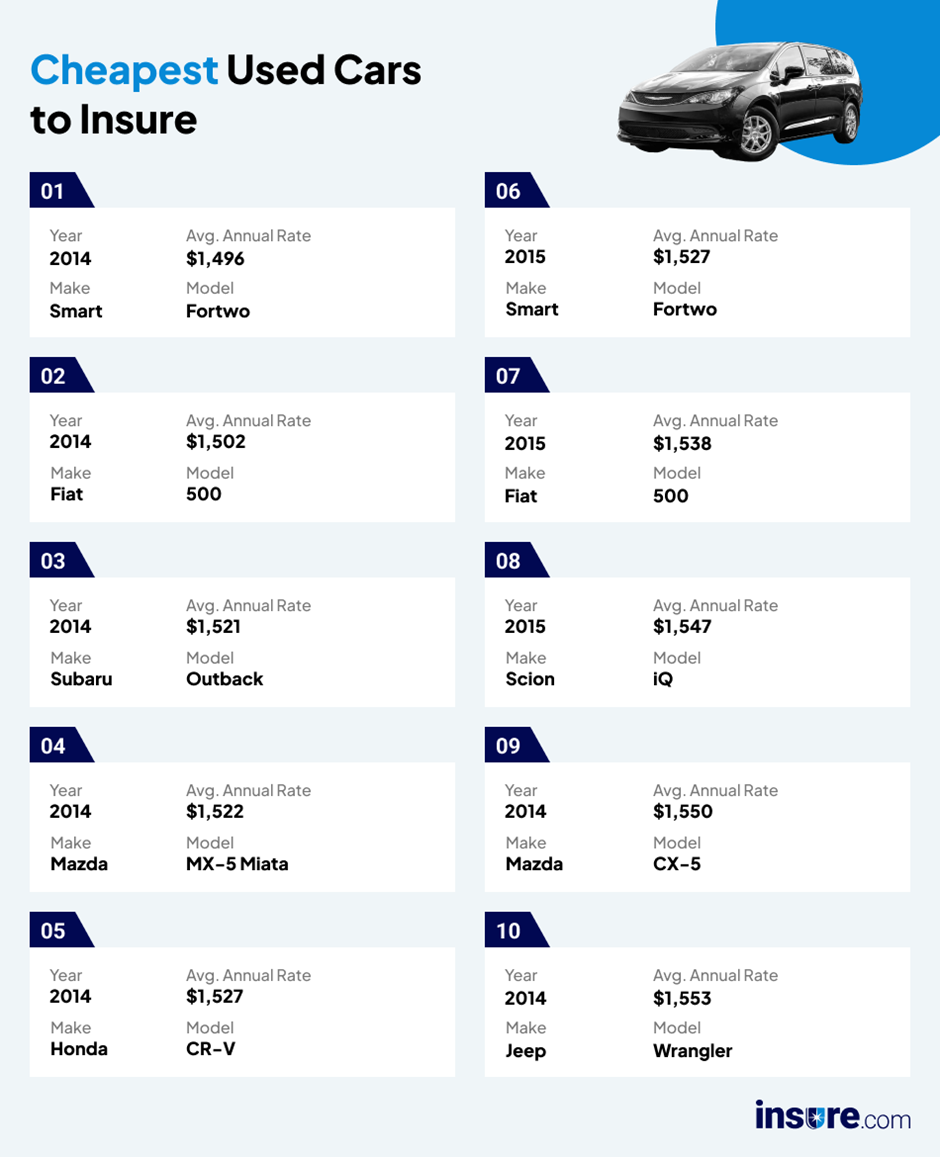
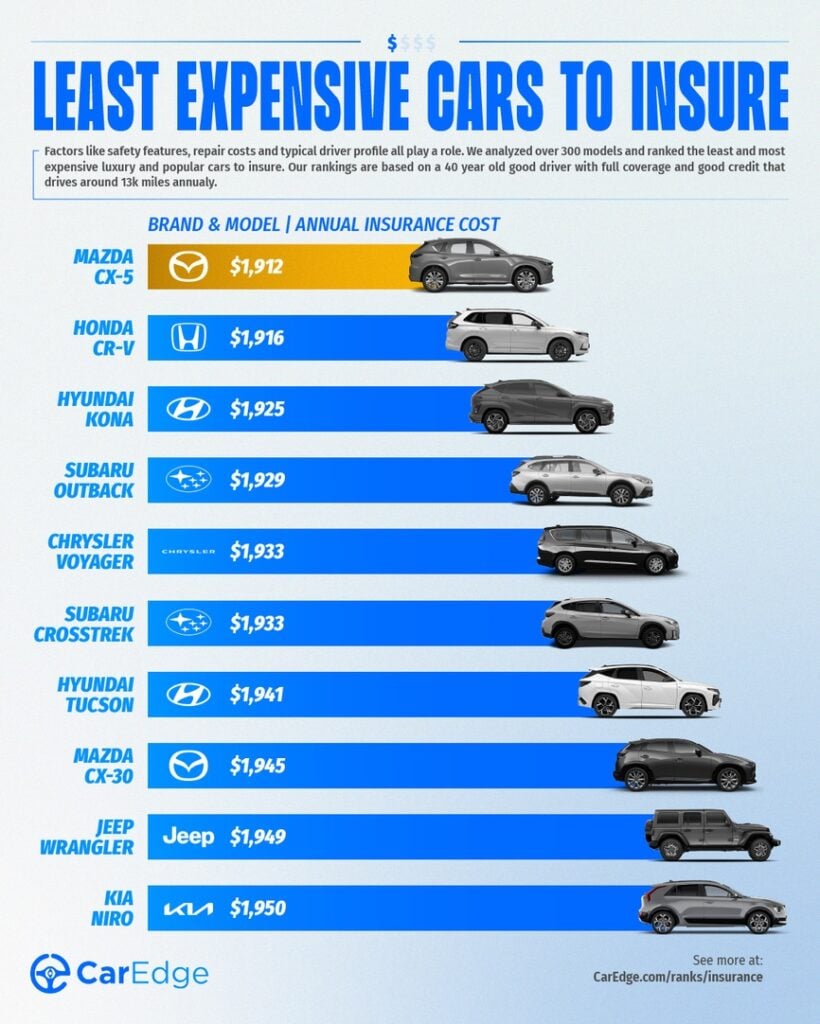
Make, Model, Year: Certain vehicles are more expensive to repair or replace, have higher theft rates, or are associated with more aggressive driving. Sports cars, luxury vehicles, and frequently stolen models typically have higher premiums.
-
Safety Features: Vehicles equipped with advanced safety features (e.g., anti-lock brakes, airbags, adaptive cruise control, automatic emergency braking) often qualify for discounts because they reduce the likelihood or severity of accidents.
-
Annual Mileage: The more miles driven, the higher the exposure to risk. Low-mileage drivers may qualify for discounts.
-
Commuting vs. Leisure Use: Using a car for daily commuting typically carries a higher risk profile than using it only for occasional leisure trips.
Policy Details and Coverage Levels
The specifics of the policy you choose directly dictate the premium.
-
Liability Limits: This covers damages and injuries you cause to others. Higher limits provide greater protection but come with higher premiums.
-
Collision Coverage: Pays for damage to your own vehicle in an accident, regardless of fault. Essential for newer or financed cars.
-
Comprehensive Coverage: Protects against non-collision incidents like theft, vandalism, fire, natural disasters, and animal impacts.
-
Deductibles: The amount you pay out-of-pocket before your insurance kicks in for collision and comprehensive claims. Higher deductibles lead to lower premiums, but require more upfront cash if a claim is filed.
-
Endorsements: Optional add-ons like roadside assistance, rental car reimbursement, gap insurance, or new car replacement can increase premiums but add valuable layers of protection.
Location, Location, Location
Where you live can significantly affect your insurance rates.
-
ZIP Code: Urban areas with higher traffic density, crime rates, and accident frequencies typically have higher premiums than rural areas.
-
Local Claim Rates: Insurers analyze historical claim data for specific geographic regions. An area with a high incidence of theft, vandalism, or natural disasters (e.g., hail, hurricanes) will see higher rates.
Strategies for Securing the Most Affordable Coverage
Armed with an understanding of how premiums are calculated, consumers can employ several strategies to find the best and cheapest car insurance for their specific needs.
Smart Shopping: The Power of Comparison
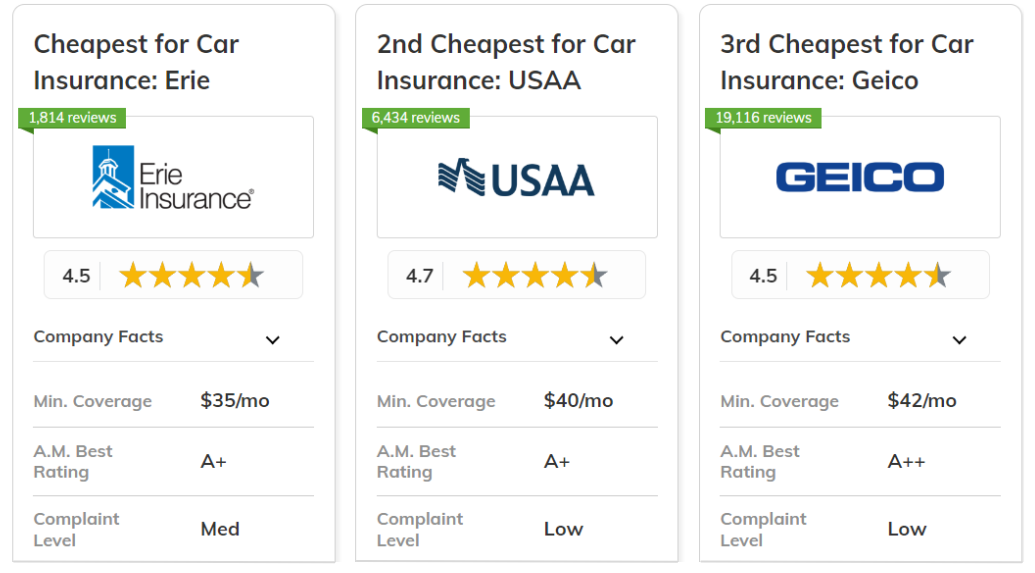
The single most effective strategy for finding affordable car insurance is to shop around diligently.
-
Get Multiple Quotes: Never settle for the first quote. Obtain quotes from at least three to five different insurers. Online comparison tools, independent insurance agents (who work with multiple companies), and direct insurers (like GEICO or Progressive) all offer avenues for comparison.
-
Understand Different Insurer Models: Captive agents work for a single company, while independent agents can compare policies across many. Direct insurers often have lower overheads, which can translate to lower premiums. Each has its pros and cons in terms of personalized service vs. potential savings.
-
Compare Apples to Apples: Ensure that when comparing quotes, the coverage limits, deductibles, and any optional endorsements are identical across all policies. This ensures an accurate comparison of premiums for the same level of protection.
Leveraging Discounts: Don’t Leave Money on the Table
Insurance companies offer a wide array of discounts that can significantly reduce premiums. It’s crucial to inquire about all potential savings.
-
Multi-Policy/Bundling Discount: Combining auto insurance with homeowners, renters, or life insurance from the same provider can yield substantial savings.
-
Multi-Car Discount: Insuring more than one vehicle on the same policy almost always results in a discount.
-
Good Student Discount: High school and college students who maintain a certain GPA often qualify for lower rates.
-
Defensive Driving/Driver Education Discount: Completing approved defensive driving courses can lead to discounts, especially for younger drivers or those looking to offset a minor infraction.
-
Telematics (Usage-Based Insurance): Programs like Progressive’s Snapshot or GEICO’s DriveEasy monitor driving habits (speed, braking, mileage, time of day) through an app or device. Safe drivers can earn significant discounts.
-
Low Mileage Discount: If you drive less than a certain number of miles per year, you may be eligible for a discount.
-
Anti-Theft Devices: Installing approved anti-theft systems in your vehicle can reduce the comprehensive portion of your premium.
-
Payment Discounts: Paying your premium in full, opting for automatic payments, or choosing paperless billing can all result in minor savings.
Optimizing Your Coverage: Striking the Right Balance
Thoughtful adjustments to your policy can reduce costs without sacrificing essential protection.
-
Review Deductibles: Choosing a higher deductible (e.g., $1,000 instead of $500) will lower your premium. However, ensure you have sufficient emergency savings to cover the deductible if a claim arises.
-
Dropping Unnecessary Coverage: For older vehicles with low market value, the cost of collision and/or comprehensive coverage might outweigh the potential payout. If your car is worth less than a few thousand dollars, consider dropping these coverages.
-
Understanding State Minimums vs. Adequate Protection: While state minimum liability is the cheapest option, it rarely provides adequate financial protection. Aim for liability limits that reflect your assets and potential risks (e.g., $100,000 per person, $300,000 per accident for bodily injury, and $50,000 for property damage, often written as 100/300/50).
Top Financial Tools and Habits for Ongoing Savings
Securing a great rate is not a one-time event. Ongoing financial discipline and smart habits can ensure you continue to enjoy affordable coverage.
Regular Policy Reviews
Insurance needs change. Make it a habit to review your policy annually, or whenever a significant life event occurs, such as:
-
Buying a new car or selling an old one.
-
Getting married or divorced.
-
Moving to a new address.
-
Adding a new driver to your household.
-
A child going off to college.
-
Improving your driving record (e.g., an old ticket falls off).
These events can all trigger opportunities for premium adjustments or new discounts.
Maintaining a Strong Driving Record
The most straightforward way to keep your premiums low is to be a safe driver. Avoiding accidents and traffic violations not only prevents surcharges but also keeps you eligible for preferred driver rates and good driver discounts. Defensive driving courses can also help reinforce safe habits.
Improving Your Credit Score
In states where it’s permitted, a higher credit-based insurance score can lead to significant savings. Practicing good financial habits—paying bills on time, managing debt responsibly, and regularly checking your credit report for errors—can positively impact this score over time.
Exploring Telematics and Usage-Based Insurance
If you are a consistently safe driver, consider enrolling in telematics programs. These programs can offer personalized discounts based on actual driving behavior, rewarding those who drive safely and responsibly. They provide transparency and direct control over a portion of your premium.
Understanding Different Insurance Company Structures
While comparing quotes, consider the financial stability and customer service reputation of different insurers. Mutual companies, owned by their policyholders, sometimes return profits in the form of dividends or lower future premiums. Stock companies, owned by shareholders, prioritize investor returns. Both can offer excellent service, but their fundamental structures differ, which might subtly influence pricing strategies and long-term customer relationships. Researching consumer satisfaction ratings and financial strength ratings (e.g., A.M. Best) can provide insight into an insurer’s reliability during a claim.
aViewFromTheCave is a participant in the Amazon Services LLC Associates Program, an affiliate advertising program designed to provide a means for sites to earn advertising fees by advertising and linking to Amazon.com. Amazon, the Amazon logo, AmazonSupply, and the AmazonSupply logo are trademarks of Amazon.com, Inc. or its affiliates. As an Amazon Associate we earn affiliate commissions from qualifying purchases.