
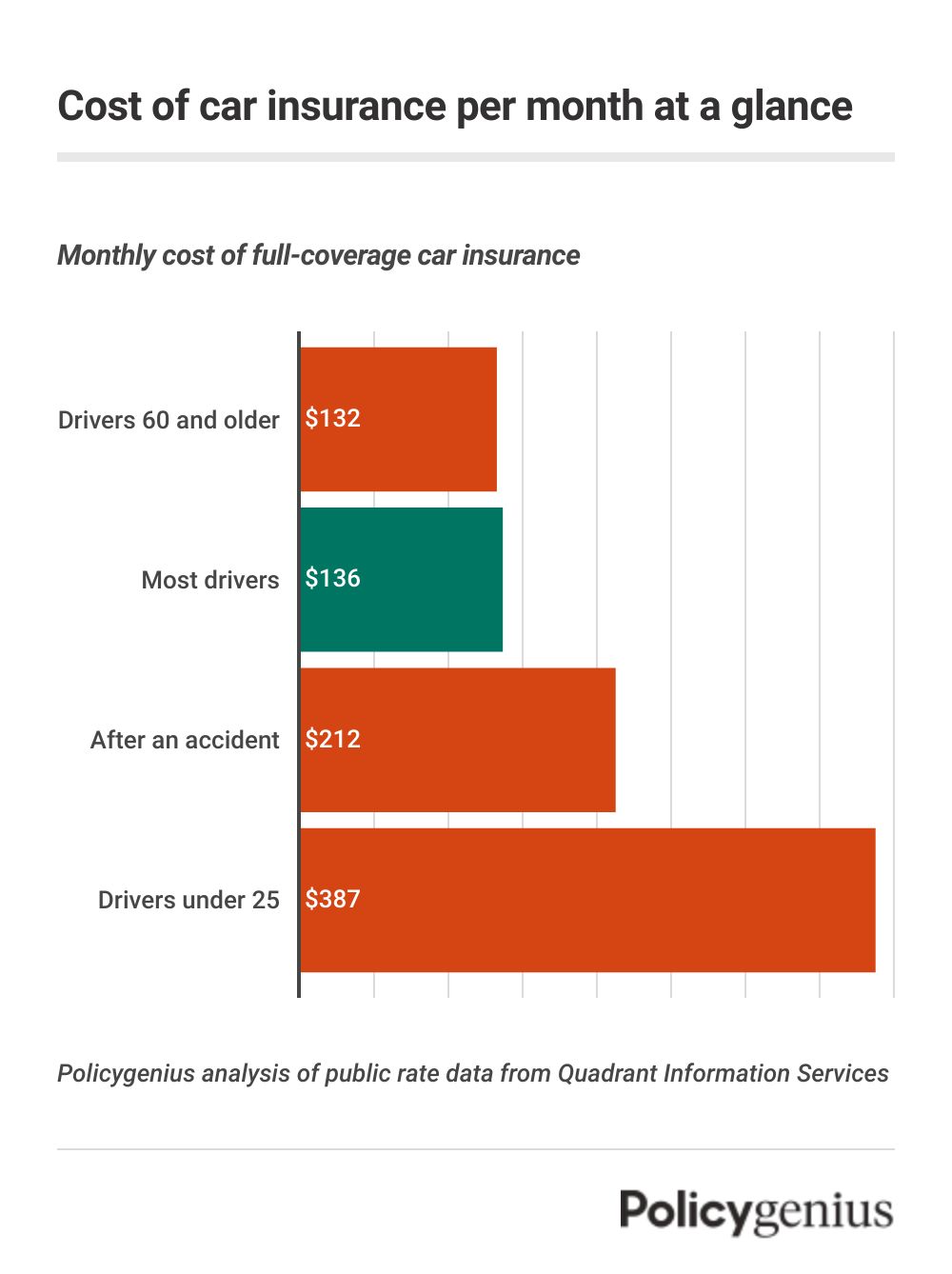
The question “what is the average car insurance?” is one of the most common inquiries for anyone seeking to understand or manage their personal finances. While a national average for car insurance premiums can indeed be cited—often hovering around $1,500 to $2,000 annually, or roughly $125 to $167 per month for full coverage in the United States—this figure is, at best, a statistical curiosity. For most individuals, the true cost of car insurance is profoundly personal, a complex calculation shaped by a myriad of factors that render any broad average almost entirely unhelpful in predicting one’s actual premium. Understanding these underlying variables is crucial for effective budgeting and smart financial decision-making concerning vehicle ownership.
Understanding the “Average”: More Than Just a Number
To genuinely grasp what car insurance might cost you, it’s essential to look beyond the generalized average. The national average is merely an aggregation of an incredibly diverse dataset, encompassing millions of drivers with vastly different profiles, vehicles, locations, and coverage choices. It includes the young driver paying exorbitant rates, the seasoned veteran with a pristine record enjoying significant discounts, urban dwellers facing high theft rates, and rural residents with lower risk profiles.
The Elusive National Average: Why It Doesn’t Apply to You
Insurance companies are masters of risk assessment. They don’t offer a one-size-fits-all product because every driver presents a unique risk profile. A national average masks the enormous disparities in premiums from state to state, city to city, and even neighborhood to neighborhood. Factors like a state’s mandatory minimum coverage requirements, local accident rates, prevalence of uninsured motorists, and even the frequency of natural disasters all contribute to regional variations that make a single average number practically meaningless for individual financial planning. Your premium is not determined by what others pay on average; it is the result of a precise actuarial calculation based on your specific circumstances.
Why Your Premium Isn’t “Average”: The Personalized Calculation
Your car insurance premium is a highly individualized quote, meticulously tailored by insurers to reflect the perceived risk you represent. This customization is why two people living in the same city, driving similar cars, might pay drastically different rates. Their individual driving histories, financial reliability (often reflected by credit scores), and even their chosen deductibles can lead to hundreds, if not thousands, of dollars in annual premium differences. Recognizing this personalization is the first step toward understanding and, ultimately, optimizing your car insurance expenses within your personal finance strategy.
Key Factors Driving Car Insurance Premiums
Insurance companies employ sophisticated algorithms to weigh numerous variables when calculating your premium. Each factor contributes to their assessment of how likely you are to file a claim and how expensive that claim might be.
Driver Demographics
-
Age and Experience: Younger, inexperienced drivers (typically under 25) often face the highest premiums due to a statistically higher likelihood of accidents. Conversely, mature drivers with decades of clean driving records generally enjoy lower rates. However, rates can begin to rise again for senior drivers as certain age-related risks emerge.
-
Gender: In some states, gender can still be a factor, though many states and insurers are moving away from this due to regulatory changes and data showing diminishing relevance. Where it is used, women often historically received slightly lower rates than men, particularly younger men.
-
Marital Status: Married individuals often receive lower rates than single, divorced, or widowed individuals. Actuarial data suggests married drivers are generally considered more stable and less prone to risky driving behavior.
-
Location: Where you live significantly impacts your premium. Urban areas with higher traffic density, crime rates (especially car theft), and accident frequency typically command higher rates than rural or suburban areas. Even specific ZIP codes within the same city can see varied rates due to micro-level risk assessments.
Driving Record and History
-
Accidents: Any accidents, especially those deemed at-fault, will almost certainly increase your premiums. The severity and number of accidents play a major role.
-
Traffic Violations: Speeding tickets, DUIs, reckless driving charges, and other moving violations signal higher risk to insurers, leading to substantial premium hikes. DUIs, in particular, can result in years of elevated rates and even difficulty securing coverage.
-
Claims History: Even not-at-fault claims can sometimes indirectly affect premiums, as a history of frequent claims, regardless of fault, might suggest a higher overall risk.
Vehicle Type and Characteristics
-
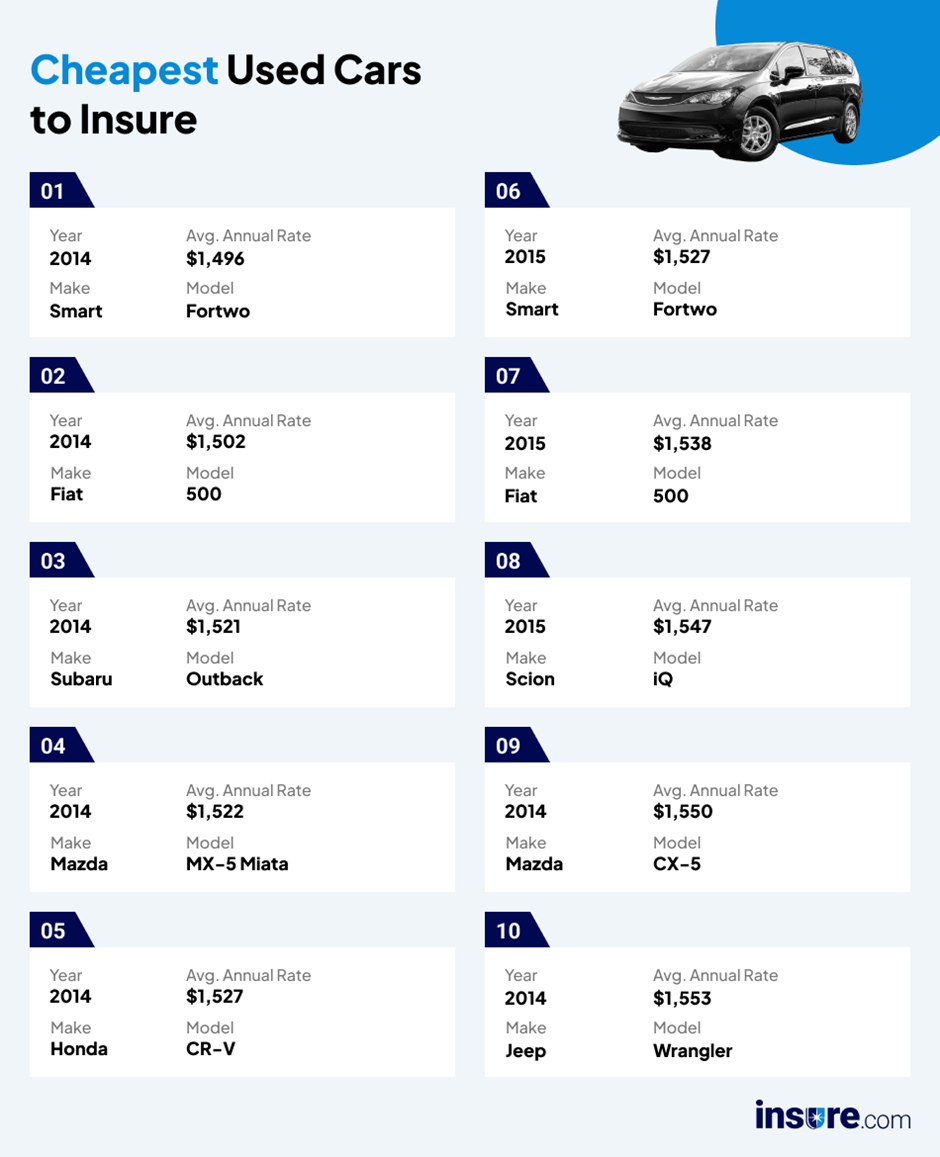
Make, Model, and Year: The type of car you drive is a primary determinant. Expensive, high-performance, or luxury vehicles typically cost more to insure due to higher repair costs, more expensive parts, and a greater likelihood of theft or severe damage.
-
Safety Features: Cars equipped with advanced safety features (e.g., anti-lock brakes, airbags, adaptive cruise control, automatic emergency braking) may qualify for discounts, as these features reduce the likelihood or severity of accidents.
-
Repair Costs and Parts Availability: Vehicles that are more expensive or complex to repair, or those requiring specialized or imported parts, will generally have higher collision and comprehensive premiums.
-
Likelihood of Theft: Models frequently targeted by thieves often come with higher comprehensive coverage costs.
Coverage Choices and Deductibles
-
Types of Coverage: The more comprehensive your coverage package, the higher your premium. Basic liability coverage is the cheapest, but adding collision, comprehensive, uninsured motorist, medical payments, and other options significantly increases the cost.
-
Coverage Limits: Opting for higher liability limits (e.g., $100,000/$300,000/$50,000 instead of state minimums) provides greater financial protection but also increases the premium.
-
Deductible Amounts: Your deductible is the amount you pay out-of-pocket before your insurance kicks in for collision and comprehensive claims. A higher deductible typically results in a lower premium, as you are taking on more of the initial financial risk.
Credit Score (in most states)
In many states, insurers use a credit-based insurance score as a factor in determining premiums. Studies have shown a correlation between a lower credit score and a higher likelihood of filing claims. While the practice is banned in some states, where permitted, a strong credit history can lead to lower insurance costs, making credit management a relevant aspect of personal financial planning for car insurance.
Navigating Your Insurance Options and Coverage Types
Understanding the various components of a car insurance policy is critical for making informed financial decisions about your coverage. Choosing the right types and levels of coverage ensures you are adequately protected without overpaying.
Essential Coverages Explained
-
Bodily Injury Liability: Covers the costs associated with injuries to other people if you are at fault in an accident. This includes medical expenses, lost wages, and pain and suffering.
-
Property Damage Liability: Covers damage to another person’s property (their car, fence, building, etc.) if you are at fault in an accident.
-
Collision Coverage: Pays for damage to your own vehicle resulting from a collision with another car or object, regardless of fault. This is typically required if you have a car loan or lease.
-
Comprehensive Coverage: Protects your vehicle from damage not caused by a collision, such as theft, vandalism, fire, natural disasters (hail, floods), or hitting an animal. Also often required for financed or leased vehicles.
-
Uninsured/Underinsured Motorist (UM/UIM): Covers your medical bills and damage to your car if you’re hit by a driver who has no insurance or insufficient insurance.
-
Medical Payments (MedPay) / Personal Injury Protection (PIP): Covers medical expenses for you and your passengers after an accident, regardless of who was at fault. PIP also covers lost wages and essential services. The specific coverage offered depends on your state’s laws (e.g., “no-fault” states often require PIP).
Optional Add-ons and Their Value
Beyond the core coverages, insurers offer various endorsements that can provide additional financial protection and convenience, though at an added cost:

-
Roadside Assistance: Covers services like towing, jump-starts, tire changes, and lockout assistance.
-
Rental Car Reimbursement: Pays for a rental car while your vehicle is being repaired after a covered claim.
-
Gap Insurance: If your car is totaled and you owe more on your loan than the car’s actual cash value, gap insurance covers the difference. This is particularly valuable for new cars that depreciate quickly.
-
New Car Replacement: For newer vehicles, this coverage replaces your totaled car with a brand-new one of the same make and model, rather than just paying out its depreciated cash value.
Choosing the Right Deductible: Balancing Cost and Risk
Your deductible for collision and comprehensive coverage directly impacts your premium. Opting for a higher deductible (e.g., $1,000 instead of $500) will typically lower your monthly or annual premium, as you agree to pay more out-of-pocket if you file a claim. Financially, this is a strategic decision: you save on premiums now, but you must ensure you have sufficient emergency funds available to cover the higher deductible should an incident occur. It’s a calculation of your comfort level with risk versus your desire for immediate savings.
Strategies to Reduce Your Car Insurance Costs
Actively managing your car insurance costs is a key component of prudent personal financial management. While some factors are beyond your control, many opportunities exist to lower your premiums without compromising essential protection.
Shop Around and Compare Quotes Diligently
The single most effective strategy is to obtain quotes from multiple insurance providers regularly—at least once a year, or whenever your policy is up for renewal, or if you experience a significant life event (marriage, moving, new car). Premiums vary wildly between companies for the exact same coverage, as each insurer has a unique underwriting process and risk appetite. Utilizing online comparison tools and independent agents can streamline this process.
Leverage Available Discounts
Insurers offer a wide array of discounts, and proactively asking about them can yield significant savings:
-
Multi-Policy/Bundling: Combining your auto insurance with home, renters, or life insurance from the same provider often results in a substantial discount on all policies.
-
Multi-Car Discount: Insuring more than one vehicle on the same policy can reduce premiums for each car.
-
Good Student Discount: High school and college students who maintain a certain GPA may qualify.
-
Safe Driver/Accident-Free Discount: For drivers with a clean record over a specified period.
-
Telematics Programs: Many insurers offer programs where a device or app monitors your driving habits (speed, braking, mileage). Safe driving can lead to significant discounts.
-
Anti-Theft Devices: Installing approved anti-theft systems in your vehicle can lower comprehensive coverage costs.
-
Low Mileage Discount: If you drive fewer miles than the average driver, you may be eligible for a discount.
-
Payment Method Discounts: Paying your premium in full upfront, or opting for automatic payments, can sometimes reduce your cost.
Improve Your Driving Record
This is a long-term strategy, but maintaining a clean driving record free of accidents and traffic violations is paramount to keeping insurance costs low. Over time, a history of safe driving will lead to better rates. If you have past infractions, some may “fall off” your record after a certain number of years, leading to a natural decrease in premiums.
Adjust Coverage Responsibly
As your car ages and its value depreciates, you might consider adjusting your coverage. For very old vehicles with low cash value, dropping collision and comprehensive coverage can be a smart financial move, provided you’re prepared to self-insure against damage or theft. However, carefully weigh the potential financial exposure against the premium savings.
Maintain a Good Credit Score
As discussed, a strong credit score is often correlated with lower insurance premiums. By responsibly managing your credit cards and loans, paying bills on time, and keeping credit utilization low, you can positively influence your credit-based insurance score, leading to financial benefits beyond just loan interest rates.
Review Your Policy Annually
Life circumstances change, and so do insurance offerings. Make it a habit to review your policy at least once a year or whenever a major life event occurs (e.g., marriage, new home, new job commute). Ensure your coverage still aligns with your needs and ask your insurer about any new discounts or changes in their rating factors that might benefit you. This proactive approach ensures your car insurance remains an optimized part of your overall financial strategy.
The Financial Imperative: Why Understanding Your Car Insurance Matters
Car insurance isn’t just a legal requirement; it’s a critical component of a sound personal financial plan. Ignoring or misunderstanding it can lead to severe financial repercussions.
Budgeting for Premiums: Integrating Insurance Costs
For effective personal budgeting, car insurance premiums must be accurately factored in, whether paid monthly, quarterly, or annually. Underspending on insurance can lead to future financial strain, while overspending represents a missed opportunity to allocate funds elsewhere. Understanding your specific premium factors allows for precise budgeting, preventing surprises that could disrupt your financial equilibrium. For individuals tracking their expenses, this often falls under “Transportation” or “Fixed Costs” in a personal budget.
The Cost of Underinsurance: Financial Risks of Inadequate Coverage
While cutting costs by choosing minimum coverage might seem appealing, it carries significant financial risks. In the event of a serious accident, especially one where you are at fault and cause substantial damage or injuries, minimum liability limits can quickly be exhausted. The financial burden for anything beyond your policy limits falls directly on you. This could mean depleting savings, liquidating assets, or even facing wage garnishment to cover medical bills, legal fees, or property damage. Underinsurance is a gamble that can jeopardize years of financial stability and asset accumulation.
Long-Term Financial Planning: How Insurance Protects Your Assets
Car insurance is fundamentally about asset protection. It safeguards your financial future by shielding your existing assets (savings, home equity, investments) from the potentially devastating costs associated with auto accidents. High liability limits are a form of wealth protection, ensuring that an unforeseen incident doesn’t unravel your hard-earned financial security. Integrating smart insurance decisions into your broader financial plan—alongside savings, investments, and debt management—is crucial for building and maintaining long-term financial health.
aViewFromTheCave is a participant in the Amazon Services LLC Associates Program, an affiliate advertising program designed to provide a means for sites to earn advertising fees by advertising and linking to Amazon.com. Amazon, the Amazon logo, AmazonSupply, and the AmazonSupply logo are trademarks of Amazon.com, Inc. or its affiliates. As an Amazon Associate we earn affiliate commissions from qualifying purchases.