
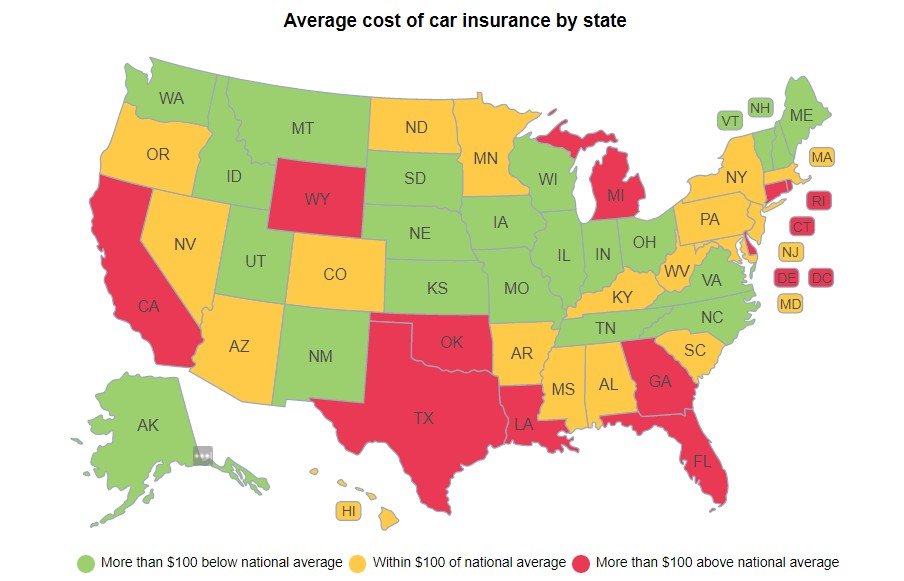
Navigating the landscape of car insurance costs can feel like an arduous journey, especially when seeking the most financially advantageous options. While a definitive “cheapest state” might seem like an elusive myth, the truth is that auto insurance premiums vary dramatically across the United States, influenced by a complex web of factors that directly impact personal finance. Understanding these dynamics is crucial for any financially savvy individual looking to optimize their budget and manage their household expenses effectively.
The average cost of car insurance is not uniform; it’s a statistical aggregate that masks the significant discrepancies from one state to another, and even from one zip code to the next within the same state. These variations are not arbitrary; they are the direct result of differing state regulations, unique risk profiles, market competition, and economic conditions, all of which play a pivotal role in determining what you pay. For consumers, this means that while one state might boast lower average premiums, individual circumstances and financial choices will always dictate the final price.
The Intricacies of State-by-State Premium Variations
To grasp why car insurance costs fluctuate so widely across state lines, it’s essential to dissect the primary drivers behind these differences. These factors are deeply rooted in financial risk assessment, regulatory frameworks, and regional economic characteristics, all of which insurers meticulously analyze when setting their rates.
State Regulations and Mandates
Perhaps the most significant differentiator is each state’s regulatory environment. States dictate minimum coverage requirements, which can vary wildly. Some states mandate only basic liability coverage, while others require additional personal injury protection (PIP) or uninsured/underinsured motorist (UM/UIM) coverage. The higher the minimum required coverage, the higher the baseline premium.
Another crucial regulatory distinction lies between “at-fault” and “no-fault” insurance systems. In “at-fault” states, the insurer of the driver responsible for an accident typically pays for damages and injuries. In contrast, “no-fault” states require drivers to file claims with their own insurance company for medical expenses, regardless of who caused the accident, often up to a certain limit. No-fault systems were designed to streamline claims and reduce litigation, but they can sometimes lead to higher PIP costs. These regulatory frameworks fundamentally alter an insurer’s financial exposure and, consequently, their pricing strategies.
Geographic and Demographic Risks
The physical and social characteristics of a state present another layer of financial risk that influences premiums. States with higher population densities, particularly in major urban centers, often experience more traffic congestion, leading to a greater frequency of accidents. Higher crime rates, specifically for auto theft and vandalism, directly translate into increased comprehensive and collision claims, driving up costs for all policyholders in that area.
Furthermore, a state’s susceptibility to severe weather events — such as hurricanes, tornadoes, hailstorms, or floods — can significantly impact insurance rates. Claims for weather-related damage fall under comprehensive coverage, and states prone to such natural disasters will see higher premiums to offset these predictable losses. Insurers also consider the average cost of vehicle repairs and medical care within a state, as these expenses directly affect the payout on claims.
Market Competition and Insurer Presence
The competitive landscape within a state’s insurance market also plays a vital role. In states with a large number of active insurance providers vying for market share, competition can drive down prices as companies strive to offer more attractive rates. Conversely, states with fewer insurers or less robust competition might see higher average premiums as companies face less pressure to lower their rates. The presence of strong local or regional insurers alongside national carriers can create a more dynamic and competitive environment, potentially benefiting consumers financially.
States Often Cited for Lower Average Premiums
While average premiums are constantly in flux due to changing market conditions and economic indicators, certain states consistently rank among those with lower overall car insurance costs. These states typically share a combination of the favorable factors discussed above.
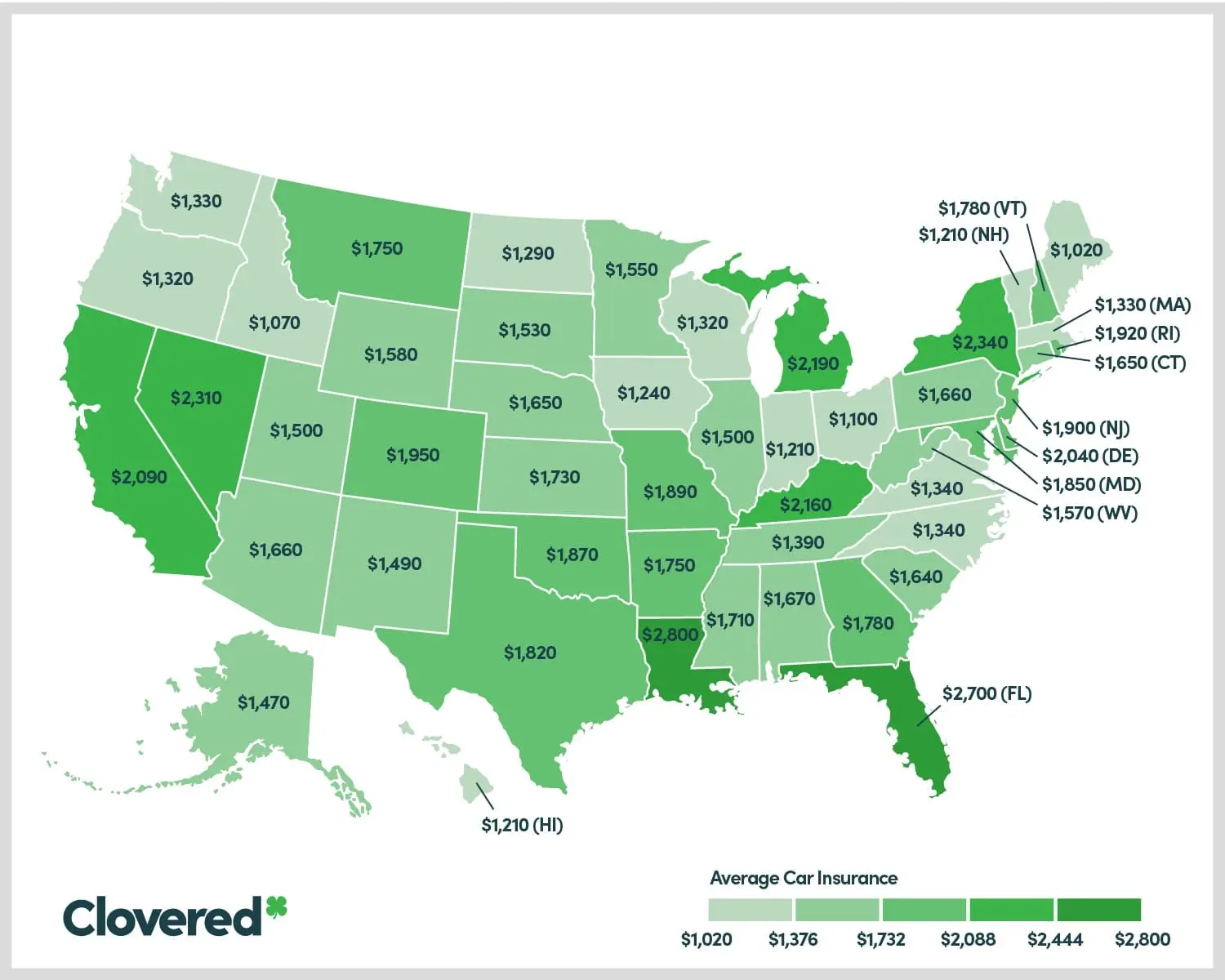
States like Maine, Iowa, Idaho, Ohio, and Wisconsin frequently appear on lists of the most affordable states for car insurance. The reasons often align with their demographics and risk profiles: lower population densities, fewer major urban areas with high traffic congestion, and generally lower rates of auto theft and accidents compared to more populous or high-risk regions. These states often benefit from a stable regulatory environment and, in some cases, a healthy competitive market among insurers.
It is crucial for consumers to remember that these are averages. An individual’s premium in any of these states will still be determined by their personal driving record, vehicle type, age, credit score (where allowed by state law), and the specific coverage limits and deductibles they choose. Therefore, while a state’s average might be low, a driver with a poor record or a high-performance vehicle could still face higher-than-average costs.
Personalizing Savings: Strategies for Financial Optimization
Regardless of which state you reside in, taking proactive steps to manage your car insurance can lead to substantial financial savings. This is where personal financial planning intersects directly with insurance purchasing.
Driver-Specific Factors and Their Financial Impact
Your personal profile is a major determinant of your premium. A clean driving record, free of accidents and moving violations, is perhaps the most significant factor in securing lower rates. Insurers reward responsible drivers because they represent lower financial risk. Your age and driving experience also play a role; younger, less experienced drivers typically pay more due to higher statistical accident rates. The type of vehicle you drive—its make, model, year, and safety features—also affects rates, as more expensive or high-performance cars are costlier to repair or replace.
In many states, your credit score can influence your insurance premium. Insurers use credit-based insurance scores as a predictor of how likely you are to file a claim. Maintaining a healthy credit score is a fundamental aspect of personal finance that extends its benefits beyond loans and mortgages to insurance costs.
Maximizing Discounts: A Financial Skill
Savvy consumers proactively seek out and utilize the myriad of discounts available from insurance providers. Bundling policies (e.g., auto and home insurance) with the same insurer is a common and highly effective way to save. Many companies offer discounts for safe driving programs, which may involve telematics devices that monitor driving habits, or for drivers who maintain a low annual mileage. Other common discounts include those for good students, anti-theft devices, multi-car policies, paying premiums in full, and customer loyalty. Regularly reviewing available discounts with your insurer or an independent agent can uncover significant savings that contribute directly to your personal cash flow.
Strategic Policy Choices for Budget Control
Understanding the components of your policy allows for financially strategic decisions. Choosing a higher deductible, for instance, means you’ll pay more out-of-pocket in the event of a claim, but it can significantly lower your monthly or annual premium. This is a risk management decision: are you comfortable self-insuring a larger portion of potential minor damages to reduce ongoing costs?
Carefully evaluating coverage limits is also vital. While it’s prudent to have adequate liability coverage to protect your assets in a serious accident, excessively high limits might be unnecessary for your financial situation. Similarly, as a vehicle ages and depreciates, the cost of comprehensive and collision coverage might eventually outweigh its financial benefit, leading some drivers to consider dropping these coverages entirely to save money.
The Power of Comparison Shopping
The single most effective financial strategy for finding the cheapest car insurance, regardless of your state, is to comparison shop. Rates can vary by hundreds, even thousands, of dollars between different insurers for the exact same coverage. It is a financially astute habit to obtain quotes from at least three to five different companies—including national carriers, regional providers, and online insurers—every year or two, or whenever a significant life event occurs (e.g., marriage, new car, moving). Financial tools and online aggregators can streamline this process, making it easier to identify the most competitive rates available to you.

Car Insurance as an Integral Part of Financial Planning
Ultimately, car insurance is more than just a legal requirement; it’s a critical component of a comprehensive personal financial plan. Budgeting for premiums, understanding how various factors influence costs, and actively seeking ways to reduce expenses are all essential aspects of responsible money management. By treating car insurance not just as a fixed expense, but as an area ripe for financial optimization, individuals can ensure they receive adequate protection without overspending, thereby freeing up funds for other financial goals like savings, investments, or debt reduction. Regularly reviewing your policy and financial situation ensures that your car insurance always aligns with both your current needs and your long-term financial objectives.
aViewFromTheCave is a participant in the Amazon Services LLC Associates Program, an affiliate advertising program designed to provide a means for sites to earn advertising fees by advertising and linking to Amazon.com. Amazon, the Amazon logo, AmazonSupply, and the AmazonSupply logo are trademarks of Amazon.com, Inc. or its affiliates. As an Amazon Associate we earn affiliate commissions from qualifying purchases.