
Navigating the landscape of auto insurance can often feel like a complex journey, with countless companies vying for your business and a myriad of policy options to consider. The fundamental question, “Which is the best auto insurance company?” doesn’t have a single, universal answer. Instead, “best” is a deeply personal metric, inextricably linked to your unique financial situation, driving habits, desired coverage, and expectations for customer service. For consumers operating within the realm of personal finance, identifying the optimal insurer requires a methodical approach, weighing various factors beyond just the lowest premium.
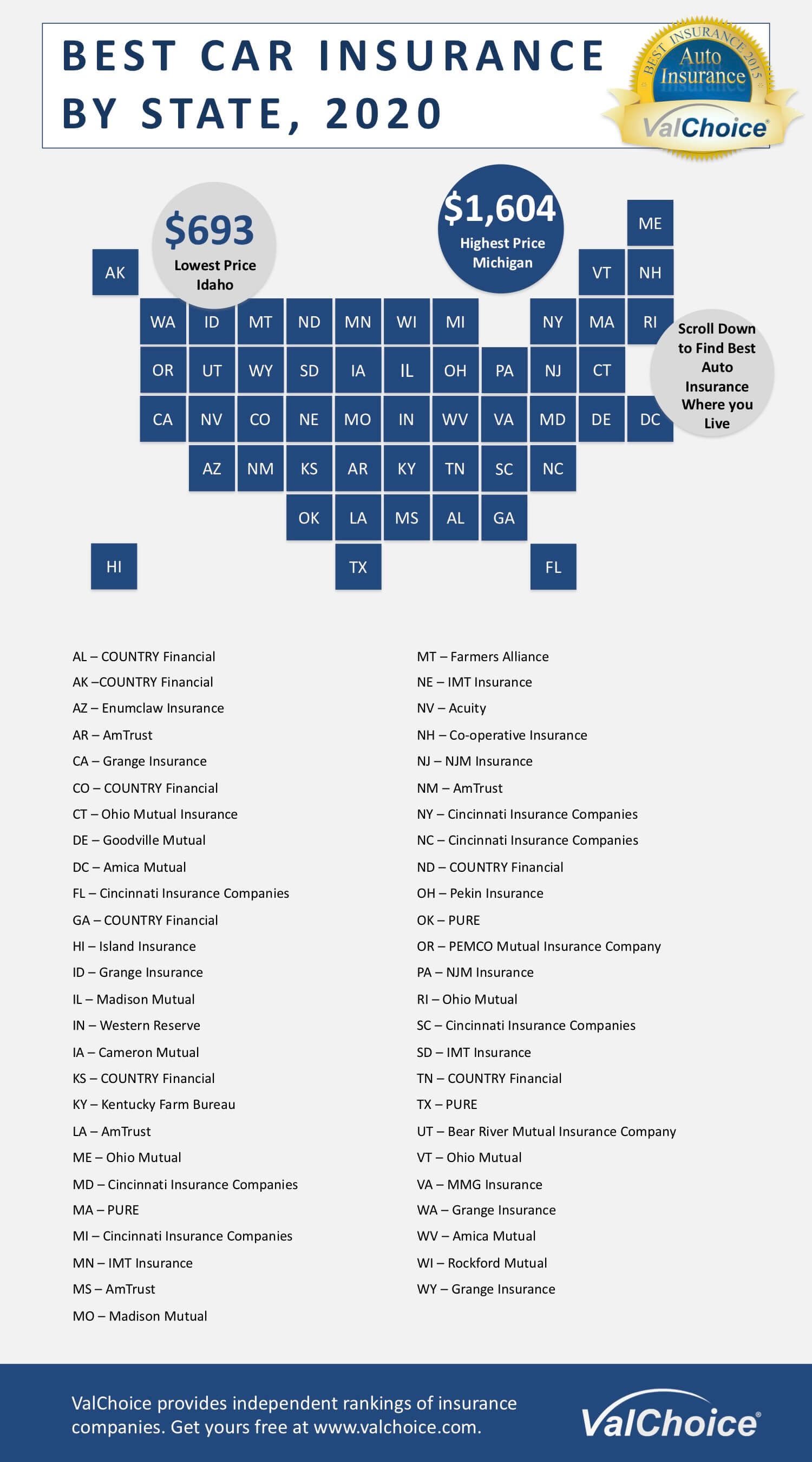
Defining “Best”: Beyond the Lowest Premium
While cost is undeniably a critical component in any financial decision, true value in auto insurance extends far beyond the bottom line. A policy that seems cheap upfront might prove costly in the event of a claim due to poor service, insufficient coverage, or unexpected fees. Therefore, a comprehensive definition of “best” must encompass a blend of affordability, robust coverage, reliable customer support, and financial stability.
Understanding Your Needs: Coverage Types and Limits
Before even comparing companies, the crucial first step is to accurately assess your own coverage requirements. Auto insurance isn’t a one-size-fits-all product; it’s a financial tool designed to protect your assets and fulfill legal obligations.
-
Liability Coverage: This is the most fundamental type, legally required in almost every state. It covers damages (bodily injury and property damage) you cause to others in an at-fault accident. Determining appropriate limits is vital. While state minimums might be tempting for their low cost, they often provide insufficient protection, leaving your personal assets vulnerable in a serious accident. Financial advisors generally recommend carrying liability limits significantly higher than state minimums, often matching or exceeding your net worth.
-
Collision Coverage: This pays for damages to your own vehicle resulting from a collision with another car or object, regardless of fault. If you have a car loan or lease, this is typically mandatory. For older, lower-value vehicles, you might consider foregoing collision to save on premiums, but this is a financial risk assessment.
-
Comprehensive Coverage: This covers non-collision damages to your car, such as theft, vandalism, fire, natural disasters, or hitting an animal. Like collision, it’s often required for financed vehicles.
-
Uninsured/Underinsured Motorist (UM/UIM): This protects you if you’re hit by a driver who has no insurance or insufficient insurance to cover your damages. Given the significant number of uninsured drivers on the road, this coverage is a critical financial safeguard.
-
Medical Payments (MedPay) or Personal Injury Protection (PIP): These cover medical expenses for you and your passengers after an accident, regardless of fault. PIP can also cover lost wages and other non-medical expenses in “no-fault” states.
The “best” company for you will be one that can offer a tailored package of these coverages at limits that adequately protect your financial well-being without over-insuring.
Assessing Customer Service and Claims Handling
The true test of an insurance company’s quality often comes during a claim. A low premium means little if the claims process is arduous, slow, or contentious. Excellent customer service translates to a smooth, efficient, and fair claims experience.
-
Accessibility: Can you easily reach your insurer by phone, online chat, or through an agent?
-
Responsiveness: How quickly do they respond to inquiries and process claims?
-
Transparency: Are policy terms, deductibles, and claim procedures clear and easy to understand?
-
Fairness: Are claims handled equitably, and are payouts reasonable?
Independent ratings agencies like J.D. Power, Consumer Reports, and the National Association of Insurance Commissioners (NAIC) provide valuable insights into customer satisfaction and complaint ratios, serving as crucial financial tools for evaluating insurers.
Financial Stability and Reputation
An insurance policy is a promise to pay in the future. Therefore, the financial stability of your insurer is paramount. Companies with strong financial ratings from agencies like A.M. Best, Standard & Poor’s, or Moody’s are more likely to meet their obligations, even in widespread catastrophic events. A solid reputation built on years of reliable service and ethical practices also contributes significantly to a company being considered “best.”
Key Factors Influencing Your Auto Insurance Rates
Understanding what influences your premium is essential for making informed financial decisions and finding cost savings. Insurers use a complex algorithm of variables to assess risk and set rates.
Personal Driving Profile
Your personal characteristics and driving history are major determinants of your premium.
-
Age and Experience: Younger, less experienced drivers typically face higher rates due to statistical risk factors. As drivers mature and gain experience, rates often decrease, assuming a clean record.
-
Driving Record: Accidents, speeding tickets, and other traffic violations significantly increase your premium. Insurers look back several years, with more severe infractions having a longer-lasting impact. A clean driving record is your most powerful financial asset in securing lower rates.
-
Location: Where you live and primarily park your vehicle plays a crucial role. Urban areas with higher traffic density, theft rates, or accident frequencies generally have higher premiums than rural areas.
-
Credit Score (where permitted): In many states, insurers use credit-based insurance scores as a predictor of risk. A higher credit score can translate to lower premiums, reinforcing the importance of sound personal finance management.
-
Marital Status: Married individuals often receive lower rates, as statistics suggest they are less likely to file claims.
Vehicle Type and Usage
The car you drive and how often you drive it directly impact your insurance cost.
-
Make, Model, Year: Insurers consider the cost of repairs, the likelihood of theft, the vehicle’s safety features, and its horsepower. Sports cars and luxury vehicles typically cost more to insure than sedans or minivans.
-
Safety Features: Advanced safety features like anti-lock brakes, airbags, and collision avoidance systems can often lead to discounts.
-
Annual Mileage: The more you drive, the higher your risk of an accident. Low-mileage discounts are common for those who drive sparingly.
Deductibles and Policy Add-ons
These elements offer direct financial levers you can pull to adjust your premium.
-
Deductibles: This is the amount you pay out-of-pocket before your insurance kicks in. Choosing a higher deductible (e.g., $1,000 instead of $500) can significantly lower your premium. However, you must ensure you have the emergency savings to cover that deductible if a claim arises.
-
Add-ons: While beneficial, features like roadside assistance, rental car reimbursement, or gap insurance add to your premium. Evaluate if you truly need these or if they’re redundant with other services you may already have (e.g., through a credit card or auto manufacturer warranty).
Discounts: Maximizing Your Savings
Almost every insurer offers a variety of discounts. Proactively inquiring about and qualifying for these can lead to substantial savings, making a company more financially attractive.
-
Multi-Policy/Bundling: Combining your auto insurance with home, renters, or life insurance can yield significant discounts.
-
Multi-Car: Insuring multiple vehicles with the same company.
-
Good Driver: For drivers with a clean record over a specified period.
-
Good Student: For high school or college students maintaining a certain GPA.
-
Defensive Driving Course: Completing an approved safety course.
-
Telematics Programs: Using a device or app that monitors driving habits (speeding, braking, mileage) can result in discounts for safe drivers.
-
Anti-Theft Devices: Having alarms or tracking systems installed in your vehicle.
-
Payment Discounts: Paying in full, setting up automatic payments, or opting for paperless billing.
Top Contenders: Navigating the Market
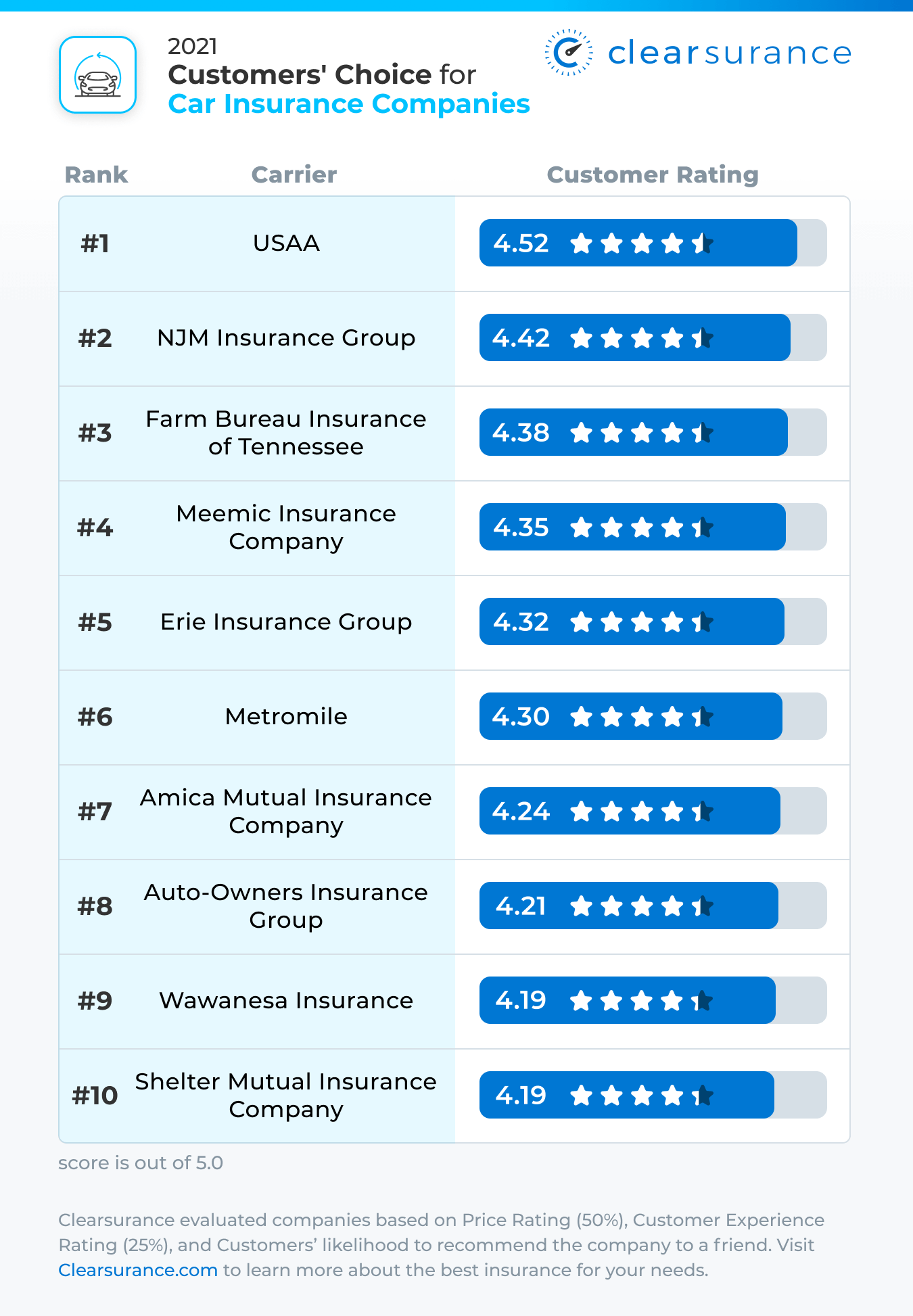
While naming a single “best” company is impractical, certain insurers consistently rank highly across various criteria, demonstrating strengths in different areas. The “best” for you will likely be one that excels in the areas most important to your financial and personal needs.
Companies Known for Competitive Rates
Large direct insurers, often operating primarily online or over the phone, frequently offer highly competitive base rates due to lower overhead costs compared to companies relying heavily on brick-and-mortar agents. These can be excellent choices for financially savvy consumers comfortable managing their policies digitally and who prioritize cost. However, always ensure a low rate doesn’t compromise essential coverage or claims support.
Companies Praised for Customer Satisfaction
Insurers that consistently receive high marks for customer satisfaction often invest heavily in responsive support teams, streamlined claims processes, and user-friendly digital tools. These companies might appeal to those who value peace of mind, personalized service, and a hassle-free experience above all else, even if it means a slightly higher premium. They often have robust local agent networks, providing an accessible human touch point for complex questions or claims.
Companies Offering Niche Coverage or Digital Tools
Some insurers specialize in specific demographics or offer innovative solutions. This includes companies that cater to high-risk drivers, classic car owners, or those who heavily leverage telematics technology to reward safe driving with personalized rates. For individuals with unique circumstances or those who embrace digital financial tools, these specialized insurers might present the ideal “best” fit.
Leveraging Financial Tools to Find Your Ideal Policy
The search for the “best” auto insurance company is an active financial management task. Utilizing available resources and adopting a proactive approach can significantly streamline the process and lead to optimal financial outcomes.
Comparison Websites and Aggregators
Online comparison websites (e.g., Policygenius, The Zebra, NerdWallet) are powerful financial tools that allow you to quickly receive multiple quotes from various insurers by entering your information once. They simplify the initial shopping process, making it efficient to compare pricing and coverage options side-by-side. While convenient, it’s important to remember that these aggregators may not include every insurer, so a comprehensive search might require visiting individual company websites as well. They provide a strong starting point for identifying financially attractive options.
Independent Agents vs. Direct Insurers
Deciding between an independent insurance agent and purchasing directly from an insurer is a key financial choice.
-
Independent Agents: These professionals work with multiple insurance companies, acting as intermediaries. They can shop around on your behalf, providing personalized advice and helping you find the best policy and price from their network of carriers. This can be invaluable for complex situations or for those who prefer expert guidance in their financial decisions.
-
Direct Insurers: Companies like GEICO, Progressive, or Esurance sell policies directly to consumers, either online or over the phone, bypassing agents. This can sometimes result in lower premiums because there’s no agent commission. However, it places more responsibility on the consumer to understand their own needs and policy details.
The “best” approach depends on your comfort level with managing financial products and your desire for personalized service versus potential cost savings.
Regular Policy Review and Re-evaluation
Auto insurance is not a set-it-and-forget-it financial product. Life changes constantly, and so do insurance rates and company offerings. To ensure you always have the “best” policy for your current situation, make it a habit to:
-
Shop Around Annually: Don’t automatically renew your policy. Get new quotes from several different companies at least once a year. Insurers’ pricing models and competitive landscapes change.
-
Review After Major Life Events: A new car, marriage, moving to a new zip code, adding a teenage driver, improving your credit score, or even a ticket falling off your record are all triggers to re-evaluate your coverage and shop for new quotes. These events can significantly alter your risk profile and, consequently, your premiums.
-
Assess Your Coverage Needs: As your financial situation evolves (e.g., paying off your car loan, increasing your net worth), your coverage requirements may change. Adjusting liability limits or dropping collision/comprehensive on an older vehicle can be financially prudent.
Ultimately, identifying the “best” auto insurance company is an ongoing exercise in personal financial management. It involves a thoughtful assessment of your individual needs, meticulous comparison of offerings, and a proactive approach to seeking value and protection in a competitive market. By focusing on comprehensive coverage, reliable service, financial stability, and leveraging available tools, you can confidently secure a policy that truly serves your best interests.
aViewFromTheCave is a participant in the Amazon Services LLC Associates Program, an affiliate advertising program designed to provide a means for sites to earn advertising fees by advertising and linking to Amazon.com. Amazon, the Amazon logo, AmazonSupply, and the AmazonSupply logo are trademarks of Amazon.com, Inc. or its affiliates. As an Amazon Associate we earn affiliate commissions from qualifying purchases.