
Navigating the world of car insurance can seem daunting, but it’s a fundamental aspect of responsible vehicle ownership and personal financial planning. Not only is car insurance legally mandated in most places, but it also provides crucial financial protection against unexpected events, from minor fender-benders to catastrophic accidents. Understanding the specific requirements and information needed to secure a policy is the first step toward safeguarding your assets and ensuring peace of mind on the road. This guide will walk you through the essential components you’ll need to gather, the factors that influence your premiums, and strategies to manage your insurance costs effectively.
Understanding the Essentials: Why Car Insurance Matters
Before delving into the specifics of what you need, it’s vital to grasp the core purpose of car insurance. Primarily, it’s a contract between you and an insurance company, where you pay a premium, and in return, the insurer agrees to cover financial losses as outlined in your policy. These losses can stem from accidents, theft, vandalism, or natural disasters, depending on your coverage.
Beyond legal compliance, car insurance acts as a critical financial safety net. Without it, you would be personally responsible for all damages, medical bills, and legal fees resulting from an accident you cause, which could amount to tens or even hundreds of thousands of dollars, potentially leading to severe financial hardship or bankruptcy. Even if you’re not at fault, certain coverages protect your vehicle and your well-being. Therefore, approaching car insurance not just as an obligation but as a cornerstone of your personal financial strategy is key.
Key Information Required by Insurers
When applying for car insurance, providers assess your risk profile to determine your premium. This assessment relies heavily on a comprehensive set of personal, vehicle, and historical data. Having this information readily available will streamline the quote and application process.
Personal Information
Insurers need to understand who they are insuring. This includes:
-
Full Name and Date of Birth: Essential for identification and to assess your driving experience, which is a significant risk factor.
-
Current Address: Your residential address and the primary garaging location of the vehicle are critical. Geographic location heavily influences premiums due to varying accident rates, crime rates, and repair costs.
-
Driver’s License Number: Your license is proof of your legal ability to drive, and insurers will use it to access your driving record.
-
Driving History: Details of any past accidents (fault or no-fault), traffic violations (speeding tickets, DUIs), or license suspensions from the last three to five years are crucial. A clean driving record can significantly lower your premiums.
-
Marital Status and Occupation: These factors can sometimes influence premiums, as some data suggests correlations between them and driving risk, though their impact varies by insurer and state.
-
Other Household Drivers: If other licensed individuals live with you and have access to your vehicle, they will typically need to be listed on your policy, and their driving records will also be factored in.
Vehicle Information
The car you drive is another primary factor in determining your insurance premium. Insurers need:
-
Make, Model, and Year: These details help determine the vehicle’s value, common repair costs, and safety ratings.
-
Vehicle Identification Number (VIN): This unique 17-character code identifies your specific vehicle. It’s often found on the dashboard (visible through the windshield), on the driver’s side door jamb, or on your vehicle’s registration or title. The VIN allows insurers to verify all vehicle specifics, including engine size, trim level, and original features.
-
Current Odometer Reading: Some insurers offer low-mileage discounts, making this an important piece of information.
-
Safety Features: Information about advanced safety features like anti-lock brakes (ABS), airbags, electronic stability control, and anti-theft devices (e.g., alarms, immobilizers) can lead to discounts.
-
Vehicle Modifications: If your car has aftermarket modifications, especially performance enhancements or custom parts, you’ll need to disclose these as they can affect the vehicle’s value and repair costs.
-
Primary Usage: Is the car primarily for commuting, pleasure, or business? How many miles do you typically drive per year? Usage patterns impact risk.
Financial and Policy Details
Finally, insurers will need information regarding your desired coverage and payment.
-
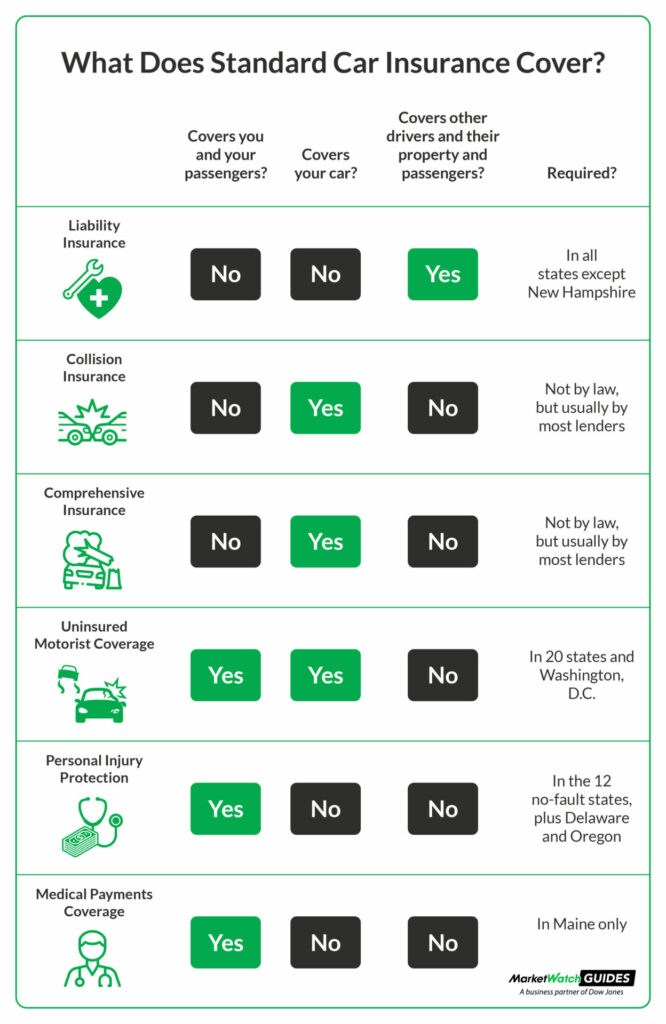
Desired Coverage Levels: You’ll need to specify the types and amounts of coverage you want (e.g., liability limits, collision, comprehensive, uninsured/underinsured motorist, personal injury protection/medical payments). Understanding these options beforehand is crucial.
-
Deductible Preferences: For collision and comprehensive coverages, you choose a deductible – the amount you pay out-of-pocket before your insurance kicks in. Higher deductibles typically mean lower premiums.
-
Payment Information: You’ll need a bank account or credit card for premium payments. Many insurers offer discounts for paying in full or setting up automatic payments.
-
Previous Insurance History: Providing details of your previous insurer and policy can help demonstrate a history of continuous coverage, which often qualifies you for discounts and avoids potential surcharges for a lapse in coverage.
Factors Influencing Your Insurance Premium
While the information you provide is factual, how insurers interpret and weigh these details significantly impacts your final premium. Several key factors are at play:
Driver-Related Factors
Your personal characteristics and history behind the wheel are paramount.
-
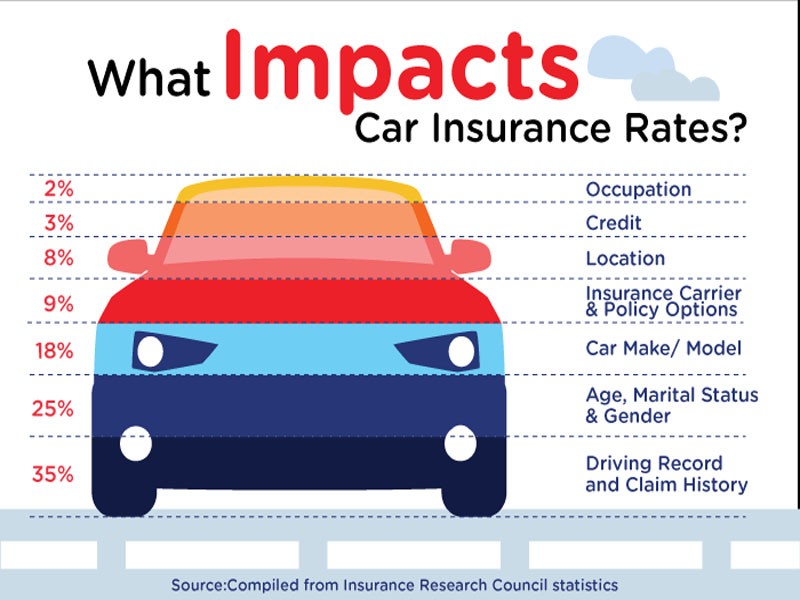
Age and Driving Experience: Younger, less experienced drivers typically face higher premiums due to a statistically higher risk of accidents. Rates tend to decrease as drivers gain experience and reach middle age.
-
Driving Record: A clean record with no accidents or violations is the single best way to keep premiums low. Conversely, tickets and at-fault accidents will likely increase your rates for several years.
-
Credit Score: In many states, insurers use a credit-based insurance score as a predictor of future claims. A higher credit score often translates to lower premiums.
-
Location: Living in an urban area with higher traffic density, crime rates, or severe weather events generally leads to higher premiums compared to rural areas.
-
Marital Status and Gender: While less impactful due to regulatory changes in some states, married individuals are sometimes seen as lower risk, and historically, women have paid less than men (though this is increasingly regulated out).
Vehicle-Related Factors
The car itself, its purpose, and its features also play a major role.
-
Type of Car: High-performance, luxury, or sports cars often have higher premiums due to higher repair costs, greater likelihood of theft, and a perception of riskier driving. Practical, family-oriented vehicles generally cost less to insure.
-
Value of the Car: More expensive vehicles cost more to repair or replace, directly impacting comprehensive and collision coverage costs.
-
Usage: The more you drive (higher annual mileage) and the purpose of your driving (e.g., business use vs. pleasure), the higher the perceived risk of an accident, potentially increasing premiums.
-
Safety and Anti-Theft Features: Vehicles equipped with advanced safety features (e.g., adaptive cruise control, lane-keeping assist) and robust anti-theft systems are less likely to be stolen or involved in severe accidents, often resulting in discounts.
The Process of Obtaining a Quote and Policy
Once you’ve gathered all the necessary information, the process of securing car insurance becomes straightforward.
Gathering Your Documents
Before you even begin, compile all the listed personal and vehicle information. This includes your driver’s license, vehicle registration, VIN, and details of any previous insurance policies. Having everything organized will save you time and ensure accuracy when obtaining quotes.
Shopping Around
Never settle for the first quote you receive. Insurance rates can vary significantly between providers for the exact same coverage. It’s wise to:
-
Compare Multiple Quotes: Use online comparison websites, contact several major insurance companies directly (e.g., State Farm, GEICO, Progressive, Allstate), and consider working with an independent insurance agent who can provide quotes from various carriers.
-
Be Consistent: Ensure you’re comparing identical coverage limits and deductibles across all quotes to get an accurate comparison.
-
Inquire About Discounts: Actively ask about any discounts for which you might qualify, even if they aren’t automatically applied (e.g., professional affiliations, defensive driving courses).
Understanding Your Policy
Once you receive quotes, don’t just look at the price. Take the time to understand what each policy offers:
-
Read the Fine Print: Familiarize yourself with the terms, conditions, and exclusions.
-
Know Your Coverage: Ensure the policy provides adequate liability limits to protect your assets and sufficient collision/comprehensive coverage for your vehicle’s value. Understand what situations are covered and what isn’t.
-
Deductibles and Limits: Be clear on your chosen deductibles and the maximum payout limits for each type of coverage.
Setting Up Payment and Policy Activation
After selecting a policy, you’ll finalize the details:
-
Payment Plan: Choose a payment schedule that suits your budget (e.g., monthly, quarterly, semi-annually, annually). Many insurers offer discounts for paying in full or enrolling in automatic payments.
-
Policy Activation: Your policy will become active once the initial payment is made. You’ll then receive proof of insurance, which is legally required to be carried in your vehicle.
Smart Strategies for Managing Car Insurance Costs
Car insurance is a recurring expense, but there are proactive steps you can take to keep your premiums manageable without compromising essential coverage.
Maximizing Discounts
Insurers offer a wide array of discounts. Make sure you explore every possibility:
-
Bundling Policies: Combining your car insurance with homeowners, renters, or life insurance from the same provider often results in significant savings on all policies.
-
Good Driver/Student Discounts: Maintaining a clean driving record, completing defensive driving courses, or demonstrating good academic performance (for younger drivers) can all lead to reduced premiums.
-
Multi-Car Discounts: Insuring multiple vehicles under the same policy usually comes with a discount.
-
Low Mileage Discounts: If you don’t drive frequently, inquire about discounts for low annual mileage.
-
Safety Feature Discounts: Vehicles equipped with modern safety and anti-theft features are often eligible for specific discounts.
-
Telematics Programs: Many insurers offer programs where a device or app monitors your driving habits (speed, braking, mileage). Safe drivers can earn personalized discounts.
Adjusting Coverage and Deductibles
Tailoring your policy to your current needs can significantly impact costs.
-
Increase Deductibles: Opting for a higher deductible on collision and comprehensive coverage means you pay more out-of-pocket if you file a claim, but your monthly or annual premium will be lower. Ensure you have the emergency savings to cover the higher deductible.
-
Reassess Older Cars: For older vehicles with low market value, consider dropping collision and comprehensive coverage. If the cost of these coverages approaches or exceeds the car’s actual cash value, it might be more financially prudent to self-insure against damage to your own vehicle.
Maintaining a Good Driving Record
This is arguably the most impactful long-term strategy. Avoiding accidents and traffic violations keeps your driving record clean, which is the primary factor insurers use to assess your risk. A few years of a spotless record can unlock significant savings.
Reviewing Your Policy Annually
Life circumstances change, as do insurance rates and available discounts. Make it a habit to review your policy at least once a year or whenever a major life event occurs (e.g., marriage, moving, purchasing a new car, adding a new driver). This ensures your coverage still meets your needs and that you’re getting the best possible rate.
Securing car insurance is a necessary financial step for any car owner. By understanding the required information, the factors influencing your premiums, and smart strategies to manage costs, you can confidently navigate the process, obtain appropriate coverage, and protect your financial future on the road.
aViewFromTheCave is a participant in the Amazon Services LLC Associates Program, an affiliate advertising program designed to provide a means for sites to earn advertising fees by advertising and linking to Amazon.com. Amazon, the Amazon logo, AmazonSupply, and the AmazonSupply logo are trademarks of Amazon.com, Inc. or its affiliates. As an Amazon Associate we earn affiliate commissions from qualifying purchases.