
The digital age has revolutionized countless aspects of personal finance, and car insurance is no exception. Gone are the days when securing coverage strictly meant visiting agents or enduring lengthy phone calls. Today, obtaining car insurance online offers a potent blend of convenience, financial transparency, and potential savings, empowering consumers to make informed decisions about a critical personal finance expense. Navigating this digital landscape effectively requires a strategic approach, focusing on understanding financial implications, leveraging online tools, and making choices that align with your broader financial goals.
The Financial Advantages of Online Car Insurance
Opting to secure car insurance online isn’t merely about convenience; it’s a strategic financial move with several distinct benefits that can significantly impact your budget.

Competitive Pricing and Cost Savings
One of the most compelling reasons to shop for car insurance online is the heightened competition among providers. The internet allows consumers to effortlessly compare quotes from dozens of insurers simultaneously, forcing companies to offer more competitive rates to attract business. This direct comparison capability often leads to lower premiums than traditional methods, as insurers reduce overhead costs associated with physical offices and agents, passing some of those savings onto the customer. For the financially savvy individual, this translates directly into more disposable income or funds available for other savings or investments.
Transparency and Comparison Shopping
The online environment fosters unparalleled transparency. Instead of deciphering complex policy documents from a single provider, you can view standardized quotes side-by-side, making it easier to compare coverage limits, deductibles, and endorsements across multiple companies. This clarity empowers you to identify the best value for your money, ensuring you’re not overpaying for coverage you don’t need or, conversely, under-insuring yourself, which could lead to significant financial strain in the event of an accident. Financial tools like comparison websites act as aggregators, streamlining this critical part of the decision-making process.
Streamlined Application Process
Time is money, and the online application process is designed to be efficient. With pre-filled forms based on basic information, instant quotes, and digital document uploads, the time commitment to secure a policy is drastically reduced. This efficiency is invaluable for individuals managing busy schedules, allowing them to handle an important financial task without disrupting their day. The ability to complete the entire process from a computer or smartphone means less time spent on administrative tasks and more time focused on other financial priorities.
Access to Discounts
Online platforms are often designed to automatically identify and apply various discounts available to customers. These can include multi-policy discounts (bundling auto with home insurance), good driver discounts, low mileage discounts, student discounts, anti-theft device discounts, and even discounts for paying your premium in full. While these discounts exist offline, online systems often make it simpler to discover and qualify for them, directly reducing your overall insurance expenditure and improving your personal finance health.
Preparing for Your Online Insurance Journey
Before diving into the multitude of online insurance portals, a strategic preparatory phase is crucial. This involves gathering pertinent information and clearly defining your coverage needs to ensure accurate quotes and appropriate financial protection.
Gathering Essential Information
Accuracy is paramount when obtaining online insurance quotes. Even minor discrepancies can lead to incorrect premiums or, worse, issues during a claim. You’ll need:
-
Driver’s License Information: For all drivers to be listed on the policy, including dates of birth and driver’s license numbers. Your driving record, including any violations or accidents, will be a significant factor in your premium.
-
Vehicle Details: Make, model, year, VIN (Vehicle Identification Number), current mileage, and any safety features or modifications. These details determine the vehicle’s risk profile and repair costs.
-
Driving History: Be prepared to honestly disclose any past accidents, tickets, or claims, as these directly influence your perceived risk level by insurers. A clean driving record is a powerful financial asset in the insurance world.
-
Current Insurance Information: If you currently have coverage, having your policy details handy can streamline the process and potentially help identify continuity discounts.
Understanding Your Coverage Needs
Car insurance isn’t a one-size-fits-all product. Understanding the various types of coverage and assessing what you truly need is vital for prudent financial planning.
-
Liability Coverage: Mandatory in most states, this covers damages you cause to other people or their property. It’s split into bodily injury and property damage. Determining adequate limits is a critical financial decision; too little could expose your personal assets in a major accident.
-
Collision Coverage: Pays for damage to your own vehicle resulting from a collision with another car or object. This is typically optional if your car is paid off but essential if you have a loan or lease.
-
Comprehensive Coverage: Protects against non-collision incidents like theft, vandalism, fire, natural disasters, or hitting an animal. Also optional but highly recommended for most vehicles.
-
Uninsured/Underinsured Motorist (UM/UIM): Covers you if you’re hit by a driver without insurance or insufficient insurance. Given the prevalence of uninsured drivers, this is a financially smart addition.
-
Medical Payments/Personal Injury Protection (PIP): Covers medical expenses for you and your passengers regardless of fault. Required in some “no-fault” states.
-
Other Optional Coverages: Roadside assistance, rental car reimbursement, gap insurance (for financed vehicles). Each adds to your premium but offers specific financial protections.
Assessing Deductibles and Premiums
Your deductible is the amount you pay out-of-pocket before your insurance kicks in for a claim. Generally, a higher deductible means a lower premium, and vice-versa. This is a critical financial leverage point. Can you comfortably afford a $1,000 deductible in an emergency, saving hundreds annually on premiums, or would a $250 deductible provide more financial security, even with a higher monthly cost? Evaluating your emergency fund and risk tolerance is essential for making this decision. The goal is to balance affordability with adequate financial protection.
Navigating the Online Quote Process
With your information organized and coverage needs defined, you’re ready to engage with online quoting tools. This stage requires attention to detail and a methodical approach to ensure you’re getting truly comparable and beneficial offers.
Utilizing Aggregator Sites vs. Direct Insurer Websites
You have two primary avenues for online quotes:
-
Aggregator Sites: These platforms (e.g., NerdWallet, Policygenius, The Zebra) allow you to enter your information once and receive multiple quotes from various insurers simultaneously. This is an excellent starting point for broad comparison shopping and identifying a range of potential providers. They act as a financial tool, simplifying the initial search.
-
Direct Insurer Websites: Visiting individual insurance company websites (e.g., GEICO, Progressive, State Farm, Allstate) can sometimes yield different results, as not all insurers participate in all aggregator platforms, or they may offer exclusive online-only discounts on their own sites. It’s wise to check a few direct sites after using an aggregator for a comprehensive view.
Inputting Accurate Information for Precise Quotes
Double-check every piece of information you enter. Inaccuracies, however minor, can lead to quotes that are not honored when you go to purchase the policy. Ensure your vehicle’s VIN is correct, driver details match licenses, and your claims history is truthfully represented. Providing false information, even unintentionally, could void your policy if discovered later, leading to severe financial repercussions in the event of a claim.
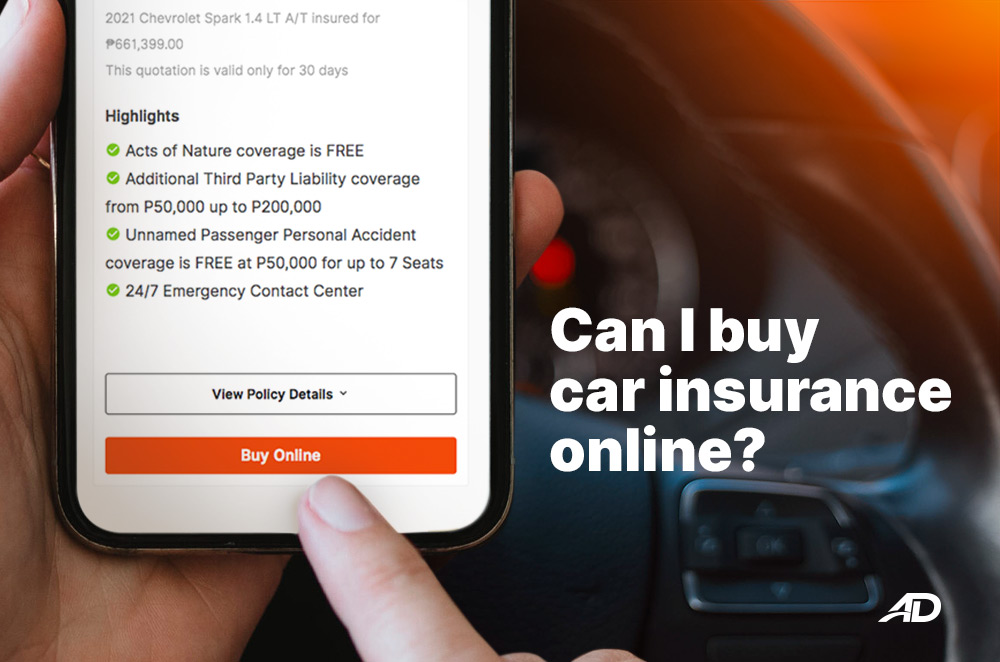
Comparing Quotes Effectively (Apples-to-Apples)
The key to smart comparison is to ensure you are comparing identical coverage. When reviewing quotes, verify that:
-
Coverage Limits: Bodily injury and property damage limits are the same across all quotes.
-
Deductibles: Collision and comprehensive deductibles are consistent.
-
Optional Coverages: All selected optional coverages (e.g., roadside assistance, rental reimbursement) are included in each quote you are comparing.
-
Discounts Applied: Understand which discounts are applied to each quote and ensure they are legitimate.
Comparing dissimilar policies will lead to an inaccurate financial assessment of value. Always aim for an “apples-to-apples” comparison to truly identify the most cost-effective option for your desired level of protection.
Reading the Fine Print: Understanding Policy Details
While quotes offer an initial financial snapshot, the actual policy document contains the legally binding terms. Before committing to a purchase, review the full policy details provided by the insurer. Pay close attention to:
-
Exclusions: What specifically is not covered.
-
Endorsements: Any additional coverages or modifications to the standard policy.
-
Claims Process: How to file a claim, expected timelines, and necessary documentation.
-
Cancellation Policy: Fees or penalties for early cancellation.
-
Payment Terms: Details on monthly vs. annual payments, grace periods, and late fees.
Understanding these details is crucial for managing your financial expectations and avoiding unwelcome surprises down the line.
Finalizing Your Online Car Insurance Purchase
Once you’ve identified the ideal policy that balances cost and coverage, the final steps involve securing your new insurance and preparing for long-term management.
Verifying Policy Details Before Purchase
Before clicking “purchase,” take one final, meticulous review of all policy details. Confirm that your personal information, vehicle details, chosen coverage limits, deductibles, and applicable discounts are all accurately reflected. This final verification is your last chance to catch any errors that could impact your financial security or premium.
Setting Up Payment Options
Online platforms typically offer various payment methods, including credit/debit cards, bank transfers, or even payment plans. Many insurers offer a discount for paying your premium in full upfront, which is a smart financial move if your budget allows. If not, consider automatic monthly payments to avoid missed payments, which can lead to policy cancellation and potential fees.
Receiving Proof of Insurance (Digital and Physical)
Upon successful purchase, you will usually receive immediate digital proof of insurance via email, often with a temporary ID card. Most states accept digital proof. However, it’s wise to print a physical copy to keep in your vehicle. Your official policy documents and permanent ID cards will typically arrive by mail or be available for download from your online account within a few days.
Post-Purchase Management: Policy Review and Adjustments
Your relationship with your insurer doesn’t end after purchase. Utilize the online portal or mobile app to manage your policy. This includes:
-
Accessing Policy Documents: Always have digital access to your policy details.
-
Making Changes: Update your policy for new vehicles, drivers, or changes in address.
-
Billing Management: Track payments and update payment methods.
-
Filing Claims: Understand the online claim submission process, which can often be initiated through the portal.
Proactive management ensures your coverage remains current and appropriate for your evolving financial and personal circumstances.
Maximizing Value and Managing Your Policy Long-Term
Securing car insurance online is just the first step. Long-term financial prudence involves continuously optimizing your policy and understanding its role within your broader financial strategy.
Leveraging Bundling Opportunities
Many insurers offer significant discounts when you bundle multiple policies, such as auto, home, renters, or life insurance. If you have other insurance needs, exploring a multi-policy discount with your chosen car insurer can lead to substantial annual savings, directly impacting your household budget. This is a classic financial strategy for reducing overall insurance costs.
Regular Policy Reviews and Re-quoting
Your life circumstances change, and so should your insurance policy. Annually, or whenever significant life events occur (e.g., moving, buying a new car, getting married, improving your credit score, children getting licenses), take the time to review your policy. Your driving record may have improved, your car’s value may have depreciated (making collision/comprehensive less critical), or new discounts may have become available. Re-quoting online every 6-12 months is a smart financial habit, ensuring you’re always getting the best possible rate for your current needs. Loyalty to an insurer is admirable, but not if it means overpaying.
Understanding Claims Processes and Customer Service
While the goal is to avoid claims, understanding the process is vital. Know how to contact your insurer, what information you’ll need, and the steps involved. Researching an insurer’s customer service reputation, especially regarding claims handling, before purchasing can save considerable financial stress later. Online reviews and financial rating agencies can provide insight into a company’s reliability and responsiveness.

The Role of Financial Prudence in Car Insurance Decisions
Car insurance is a significant recurring expense, but it’s also a critical financial safety net. Treating it as an integral part of your personal finance plan, rather than a mere obligation, allows for smarter decision-making. By leveraging online tools, consistently reviewing your options, and understanding the financial implications of your choices, you can effectively manage this expense, protect your assets, and contribute positively to your overall financial well-being.
aViewFromTheCave is a participant in the Amazon Services LLC Associates Program, an affiliate advertising program designed to provide a means for sites to earn advertising fees by advertising and linking to Amazon.com. Amazon, the Amazon logo, AmazonSupply, and the AmazonSupply logo are trademarks of Amazon.com, Inc. or its affiliates. As an Amazon Associate we earn affiliate commissions from qualifying purchases.