
California, known for its innovation, vibrant culture, and diverse landscapes, also stands out as one of the most expensive places to live in the United States. For many residents, merely earning the state’s minimum wage falls significantly short of covering basic necessities. This discrepancy brings into sharp focus the concept of a “living wage”—an income level that allows an individual or family to afford a basic, but decent, standard of living without relying on public assistance. Understanding what constitutes a living wage in California is crucial for personal financial planning, business strategy, and informed policy discussion.

Defining the Living Wage Concept
The living wage is more than just a number; it’s a financial threshold rooted in the realities of daily life. Unlike the minimum wage, which is a legally mandated floor set by state and federal governments, the living wage aims to reflect the actual cost of fundamental expenses in a particular geographic area.
Beyond the Minimum Wage
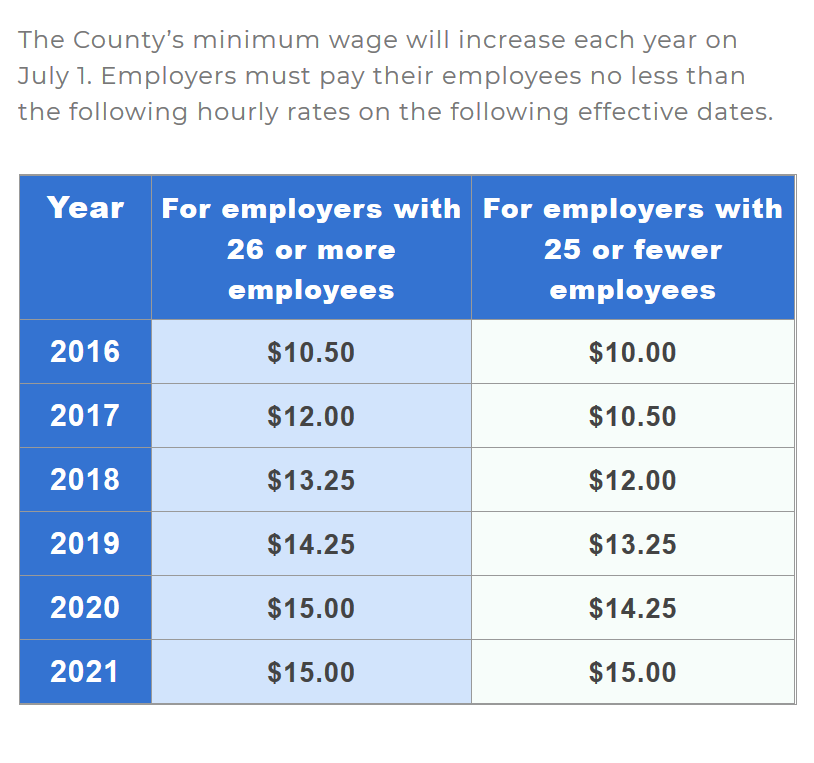
The minimum wage serves as a baseline, a legal minimum employers must pay their workers. While it ensures a basic level of compensation, it often fails to keep pace with the rising cost of living, especially in high-cost-of-living areas like many parts of California. The intention of a living wage, however, is to provide an income sufficient to cover all essential needs without financial stress, enabling individuals to participate fully in society and afford modest discretionary spending. This includes the ability to save for emergencies, plan for retirement, and invest in personal development, which are often luxuries for those earning only the minimum wage in expensive regions. The gap between the minimum wage and a living wage can often be substantial, highlighting a critical financial challenge for many working families.
Components of a Living Wage
Calculating a living wage involves a comprehensive assessment of various expenditure categories that are essential for survival and well-being. These components typically include:
-
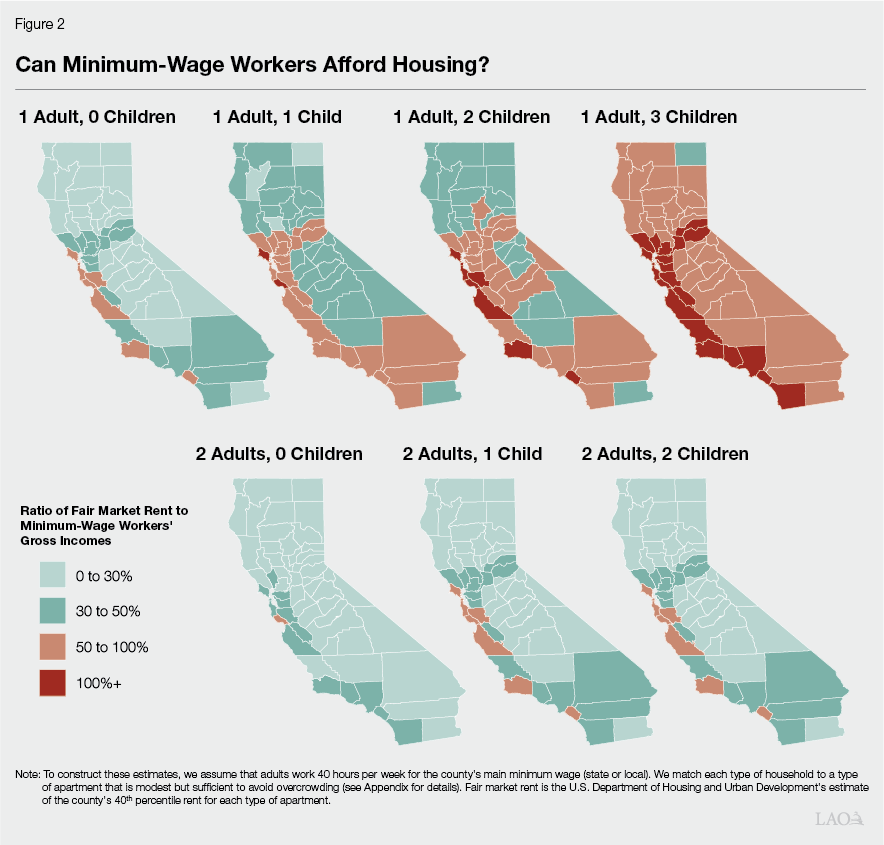
Housing: This is often the largest single expense, particularly in California. Rent or mortgage payments, utilities (electricity, gas, water, internet), and property taxes (if applicable) are all factored in. The cost of housing varies dramatically across California’s diverse regions, from the astronomical prices in the Bay Area to more modest, though still significant, costs in the Central Valley.
-
Food: Adequate nutrition is a fundamental human need. The living wage calculation considers the cost of groceries for healthy meals, taking into account varying dietary needs and family sizes.
-
Transportation: Whether it’s the cost of public transit passes, car payments, fuel, insurance, maintenance, or ride-sharing services, reliable transportation is vital for getting to work, school, and appointments. California’s sprawling geography often necessitates personal vehicles, adding a substantial burden.
-
Healthcare: Even with employer-sponsored plans, out-of-pocket expenses such as premiums, deductibles, co-pays, and prescription costs can quickly accumulate. For those without employer coverage, the cost of individual health insurance plans can be prohibitive.
-
Childcare: For families with children, this expense can be one of the most significant, often rivaling or even exceeding housing costs in California. High-quality childcare is essential but frequently comes with a steep price tag, creating a major barrier to financial stability for working parents.
-
Taxes: Income taxes (federal and state), social security, and Medicare contributions are unavoidable deductions from gross income, reducing take-home pay and impacting the effective living wage.
-
Miscellaneous Necessities: This broad category covers a range of other essential items and services, including clothing, personal care products, household supplies, minimal entertainment, and a small buffer for unexpected expenses or savings. Education expenses, if not covered by public schools, also fall into this category.
Each of these components is carefully estimated based on local market rates and averages to arrive at a realistic living wage figure for a given area and household composition.
The Financial Landscape of California
California’s economy is vast and dynamic, but its prosperity comes with a high price tag. Understanding the factors that drive these costs is key to grasping the scale of the living wage challenge.
High Cost of Living Drivers
Several intertwined factors contribute to California’s elevated cost of living:
-
Housing Market: Supply-demand imbalances, strict zoning regulations, and high land values converge to make housing exorbitantly expensive across much of the state. The median home price often significantly outpaces the national average, making homeownership a distant dream for many and driving up rental costs to unprecedented levels.
-
Energy Costs: Electricity, natural gas, and gasoline prices in California tend to be higher than the national average, impacted by environmental regulations, infrastructure investments, and regional supply dynamics.
-
State Taxes and Regulations: California has one of the highest state income tax rates in the nation, alongside a relatively high sales tax. Businesses also face various regulations that can increase operational costs, which may indirectly affect consumer prices.
-
Population Density and Economic Growth: In major metropolitan areas like the Bay Area, Los Angeles, and San Diego, high population density coupled with robust job growth in high-wage sectors creates intense competition for resources and services, driving up prices across the board.
Regional Disparities
It is critical to recognize that California is not a monolith when it comes to living costs. A living wage in San Francisco or Silicon Valley will be dramatically higher than what is needed in the Central Valley cities like Fresno or Bakersfield, or in more rural northern counties.
-
Coastal Metros: Areas such as San Francisco, San Jose, Los Angeles, San Diego, and Orange County consistently rank among the most expensive places globally. Housing costs in these regions can be several times the national average, necessitating significantly higher wages to cover basic needs.
-
Inland Empire and Sacramento: While generally less expensive than coastal metros, these regions have seen substantial increases in housing and other costs in recent years due to spillover demand and population growth.
-
Central Valley and Rural Areas: These regions typically have lower living costs, primarily due to more affordable housing. However, wages often lag behind, meaning that even lower costs can still present a challenge for achieving a true living wage.
Therefore, any discussion of a living wage in California must specify the particular region to be accurate. Organizations like MIT’s Living Wage Calculator provide detailed breakdowns for every county, illustrating these vast differences.
Key Data Points and Research
Organizations dedicated to economic research and advocacy regularly calculate living wage estimates. The MIT Living Wage Calculator is a prominent tool, providing county-specific data based on typical expenses for various household compositions. Similarly, the Economic Policy Institute (EPI) publishes family budget calculator data, and the United Way’s ALICE (Asset Limited, Income Constrained, Employed) Project highlights the significant portion of working families who earn above the poverty line but below the cost of basic necessities. While specific numbers fluctuate annually and by region, these studies consistently demonstrate that for most household types in California, the income required for a living wage is often two to three times the state minimum wage.
Calculating a Living Wage for Various Household Types
The concept of a living wage is inherently dynamic, shifting not only with geography but also with family structure. The financial requirements for a single adult differ significantly from those of a parent supporting children.
Single Adult
For a single adult in California, the primary expenses include housing (rent for a studio or one-bedroom apartment), food, transportation, healthcare, and miscellaneous costs. In high-cost counties, the living wage for a single individual without dependents can still be substantial, often requiring an hourly wage well above the state minimum to cover these basic needs independently. This assumes no major debts, significant health issues, or other extraordinary expenses.
Single Parent with One Child
Adding a child drastically increases the financial burden. Childcare costs are a major factor, often becoming the single largest expense. Additionally, a single parent will need a larger living space, increased food budget, and higher healthcare costs. The complexity of balancing work with childcare responsibilities can also limit earning potential, making the living wage threshold particularly challenging for single-parent households. This scenario often highlights the severe strain on working mothers, who disproportionately head single-parent households.
Two Adults, Two Children
In a two-adult, two-child household, the income requirements are spread across two potential earners, but the expenses also escalate significantly. Larger housing is typically needed, and the costs for food, healthcare, and childcare (for two children) are considerably higher. While having two incomes can make achieving a living wage more attainable than for a single parent, the combined income still needs to be substantial to maintain a modest standard of living in many Californian counties. This household type also needs to account for increased transportation costs, often requiring two vehicles or extensive public transport use.
The “Self-Sufficiency Standard”
Beyond the living wage, some researchers use the “Self-Sufficiency Standard,” which calculates how much income families need to meet their basic needs without public or private assistance. This standard is typically more granular than a living wage, factoring in specific costs for child care, housing, food, transportation, health care, and taxes for various family types and geographic locations. It often provides an even more conservative estimate of what families need to truly be self-sufficient, underscoring the challenges many face.
Economic and Social Implications of Living Wages
The pursuit of a living wage has far-reaching consequences, affecting individuals, businesses, and society at large. The discussion extends beyond simple economics to encompass issues of equity, social justice, and long-term community well-being.
Impact on Individuals and Families
For individuals and families, earning a living wage can be transformative. It significantly reduces financial stress, allowing for improved mental and physical health. It enables better access to nutritious food, stable housing, and adequate healthcare. Crucially, a living wage provides the opportunity to build savings, pay down debt, invest in education, and plan for the future, breaking cycles of poverty and fostering intergenerational upward mobility. Children in living wage households tend to perform better in school and experience greater stability.
Benefits for Businesses
While some businesses express concern over increased labor costs, providing a living wage can yield substantial benefits:
-
Reduced Turnover: Employees earning a living wage are less likely to leave their jobs, reducing recruitment and training costs for businesses. This fosters a more experienced and stable workforce.
-
Increased Productivity: Employees who are not constantly stressed about meeting basic needs tend to be more engaged, motivated, and productive. Improved health and morale translate into better performance.
-
Enhanced Reputation: Companies known for paying fair wages often attract higher-quality applicants and enjoy a positive public image, which can boost customer loyalty and brand value.
-
Local Economic Stimulus: When workers earn more, they have greater purchasing power, which directly stimulates local economies through increased consumer spending.
Broader Societal Benefits
A society where more people earn a living wage experiences numerous positive externalities:
-
Reduced Reliance on Public Assistance: As individuals become self-sufficient, the strain on public safety net programs (food stamps, housing assistance, Medicaid) diminishes, freeing up government resources for other essential services.
-
Stronger Local Economies: Widespread living wages create a more robust local consumer base, supporting small businesses and fostering economic resilience.
-
Decreased Poverty Rates: By ensuring that full-time work translates into a viable income, living wage policies are a powerful tool for reducing poverty and income inequality.
-
Improved Public Health and Safety: Communities with lower poverty and greater economic stability often see improvements in public health outcomes and reduced crime rates.
Challenges and Criticisms
Despite the compelling benefits, the concept of a living wage faces criticism. Concerns often include:
-
Increased Business Costs: Critics argue that mandated higher wages can force businesses, particularly small ones, to cut jobs, reduce hours, or raise prices, potentially leading to inflation or businesses relocating.
-
Competitiveness: Some fear that higher labor costs could make local businesses less competitive against those in areas with lower wages, especially in global markets.
-
Impact on Entry-Level Jobs: There are concerns that higher entry-level wages could disincentivize employers from hiring inexperienced workers, potentially reducing opportunities for those just entering the workforce.
However, proponents often counter these arguments by pointing to studies that show modest negative impacts, if any, on employment and a net positive effect on economic activity due to increased consumer demand and reduced social costs.
Strategies for Achieving Financial Stability in California
Navigating California’s high cost of living requires a combination of personal financial discipline, strategic planning, and, at times, advocacy for systemic change.
Personal Budgeting and Financial Planning
For individuals and families, a meticulously crafted budget is the cornerstone of financial stability. This involves:
-
Tracking Expenses: Understanding exactly where money is going is the first step. Utilize budgeting apps, spreadsheets, or even pen and paper to categorize all income and outflows.
-
Prioritizing Needs vs. Wants: In a high-cost environment, distinguishing between essential expenditures and discretionary spending is crucial. Sacrifices may be necessary in some areas to ensure coverage of core needs.
-
Emergency Fund Creation: Building a safety net of 3-6 months’ worth of living expenses is vital to withstand unexpected job loss, health issues, or other financial shocks.
-
Debt Management: High-interest debt can quickly erode any gains from increased income. Prioritize paying down credit card debt and other costly loans.
-
Long-Term Savings and Investments: Even small, consistent contributions to retirement accounts (401k, IRA) and other investment vehicles can build substantial wealth over time, offering future security.
Exploring Supplementary Income Streams
Given the high living wage threshold in California, many residents find it necessary to augment their primary income.
-
Side Hustles: The gig economy offers numerous opportunities, from ride-sharing and food delivery to freelance writing, graphic design, or online tutoring. These can provide flexibility and supplementary income.
-
Online Income: Leveraging digital skills for remote work, e-commerce, or content creation can open up additional revenue streams that are not geographically constrained.
-
Skill-Based Consulting: Utilizing professional skills for part-time consulting or project-based work can provide a higher hourly rate than many traditional part-time jobs.
Advocating for Policy Changes
Individual efforts, while important, cannot fully address systemic issues. Collective advocacy for policies that support a living wage is essential.
-
Support for Minimum Wage Increases: Advocating for state and local minimum wage increases that reflect the cost of living can provide a foundation for broader economic stability.
-
Affordable Housing Initiatives: Supporting policies that promote the development of affordable housing, rent control measures, and housing subsidies can significantly reduce the largest component of living expenses.
-
Universal Basic Income (UBI) or Guaranteed Income Pilot Programs: Some California cities and counties are experimenting with these programs to provide a financial floor for residents, acknowledging the gap between wages and living costs.
-
Expanded Social Safety Nets: Advocating for robust public healthcare, affordable childcare subsidies, and accessible public transportation can lighten the financial burden on low and middle-income families.
Leveraging Financial Tools and Resources
California residents have access to various tools and resources to help manage their finances:
-
Budgeting Apps: Digital tools like Mint, YNAB (You Need A Budget), or Personal Capital can automate expense tracking and provide insights into spending habits.
-
Financial Advisors: For those with more complex financial situations or investment goals, a qualified financial advisor can provide personalized guidance.
-
State and Local Programs: Researching state and local assistance programs for housing, childcare, healthcare, and food can provide crucial support for families struggling to meet the living wage threshold. Organizations like United Way often compile lists of such resources.
-
Workplace Benefits: Maximizing employer-sponsored benefits, such as health savings accounts (HSAs), flexible spending accounts (FSAs), and retirement plans, is critical for financial well-being.
Achieving a living wage in California remains a significant challenge for many, but through a combination of personal financial acumen, proactive income generation, and supportive public policies, residents can move closer to financial stability and secure a dignified standard of living in this dynamic state.
aViewFromTheCave is a participant in the Amazon Services LLC Associates Program, an affiliate advertising program designed to provide a means for sites to earn advertising fees by advertising and linking to Amazon.com. Amazon, the Amazon logo, AmazonSupply, and the AmazonSupply logo are trademarks of Amazon.com, Inc. or its affiliates. As an Amazon Associate we earn affiliate commissions from qualifying purchases.