
Defining “good” when it comes to yearly income is a deeply personal and multifaceted endeavor, far removed from a simple numerical answer. While national averages and median incomes provide a statistical baseline, they often fail to capture the nuances of individual financial realities, aspirations, and the ever-shifting landscape of economic conditions. A truly “good” yearly income is one that not only covers your essential needs but also supports your desired lifestyle, allows for wealth accumulation, provides financial security, and contributes to your overall well-being. It’s about more than just a paycheck; it’s about the financial freedom and peace of mind that income can afford.
Defining “Good” – A Personal & Subjective Metric
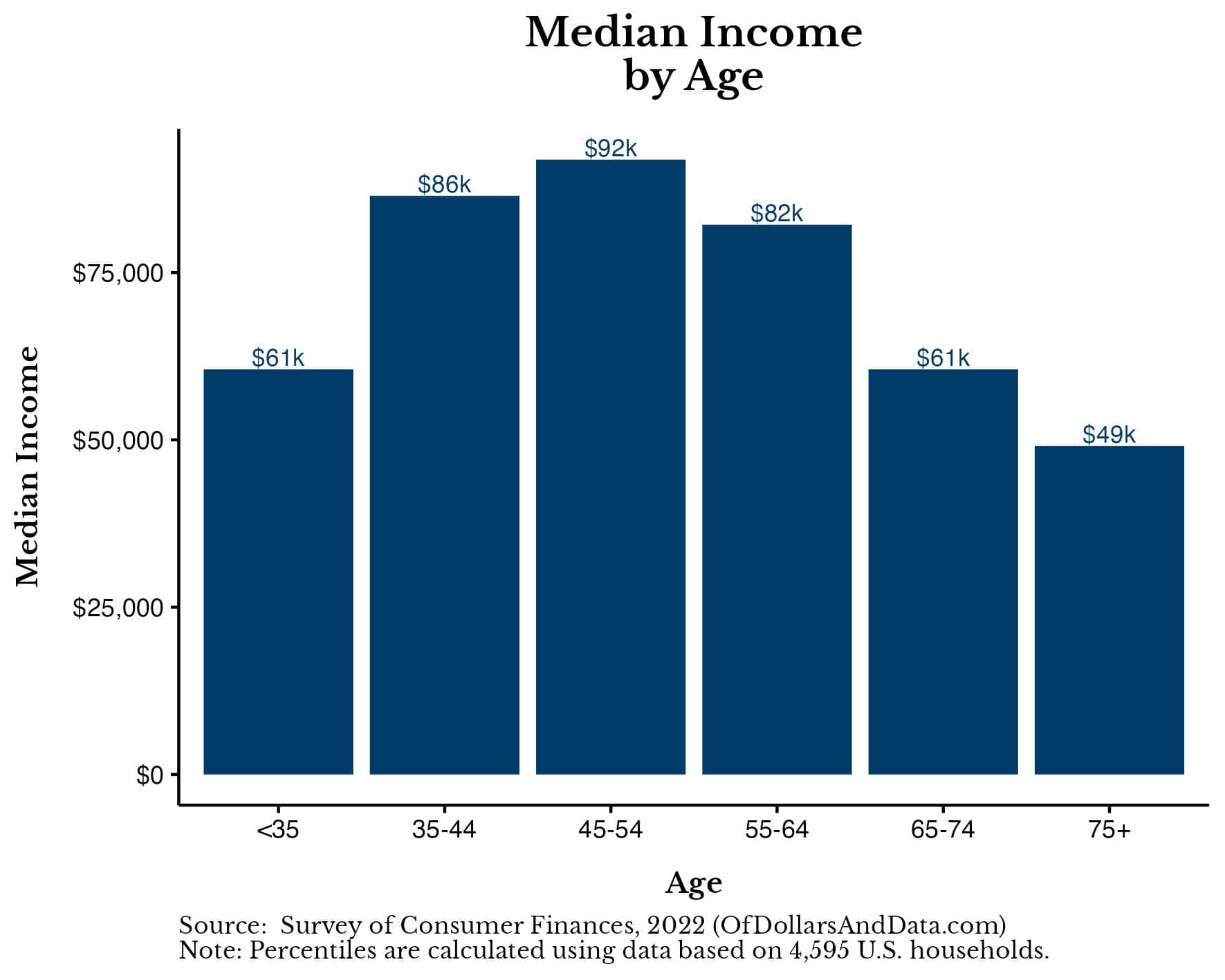
The concept of a “good” income is inherently subjective, molded by a unique blend of individual circumstances, geographic location, and life goals. What one person considers sufficient, another might deem inadequate, highlighting the futility of a universal income benchmark.
Beyond the National Average: Cost of Living
One of the most significant determinants of a “good” income is the cost of living in your specific area. A salary that provides a comfortable lifestyle in a rural community with lower housing costs and expenses might be barely enough to scrape by in a major metropolitan area known for its exorbitant rent, utilities, and daily expenditures. Median household income figures, while useful for macroeconomic analysis, do not account for these drastic regional disparities. For instance, the income required to live comfortably in San Francisco or New York City is vastly different from that needed in Omaha, Nebraska, or Boise, Idaho. Understanding local housing markets, transportation costs, food prices, and state and local taxes is paramount to assessing the adequacy of any given income.
Lifestyle Expectations and Financial Goals
Your personal aspirations play a crucial role in shaping your income needs. Do you envision frequent international travel, dining out regularly, owning a large home, or sending your children to private schools? These lifestyle choices necessitate a higher income level than a more modest existence. Conversely, if minimalism, sustainable living, or early retirement are your priorities, your definition of a “good” income might focus more on savings rates and investment growth rather than a high gross salary. Financial goals, such as saving for a down payment, funding a child’s education, or building a robust retirement nest egg, directly influence how much disposable income you need to allocate towards these objectives, thereby raising the bar for what constitutes a “good” income.
The Role of Debt and Financial Obligations
Existing financial commitments significantly impact how far your income stretches. High-interest credit card debt, student loans, car payments, and mortgages eat into your monthly cash flow, reducing the amount available for discretionary spending, savings, and investments. For someone burdened with substantial debt, a seemingly high income might feel inadequate as a significant portion is siphoned off to service these obligations. Conversely, an individual with minimal or no debt can enjoy a higher quality of life and faster wealth accumulation on a comparatively lower income, as more of their earnings are retained.
Key Financial Milestones and Benchmarks
While a universal figure for a “good” income remains elusive, we can establish various benchmarks based on financial security and wealth-building stages. These milestones help individuals assess their current standing and chart a path toward greater financial well-being.
Covering Basic Needs: The Survival Income
The absolute minimum income required is one that covers essential living expenses. This includes shelter (rent or mortgage), utilities, food, basic transportation, essential healthcare, and necessary clothing. An income that only meets these basic needs often leaves little to no room for savings, emergencies, or discretionary spending, leading to financial stress and a constant state of precarity. While it keeps you afloat, it’s rarely considered “good” in the long run.
Achieving Financial Security: The Comfort Zone
Beyond mere survival, a financially secure income allows you to comfortably cover all your basic needs, build an emergency fund (typically 3-6 months of living expenses), contribute to retirement savings, pay down debt strategically, and afford some discretionary spending without guilt. This level of income often provides a sense of stability and reduces financial anxiety. It enables individuals to plan for the future, weather unexpected expenses, and enjoy a reasonable quality of life. This is often where people start to feel that their income is “good,” as it provides a buffer against life’s uncertainties.
Building Wealth: The Abundance Threshold
An income that facilitates true wealth building goes beyond comfort. It allows for aggressive savings and investments, significant contributions to retirement accounts (e.g., maxing out 401(k)s and IRAs), diversification into various asset classes, and potentially funding major life goals like real estate investments or entrepreneurial ventures. At this level, individuals are not just living comfortably but are actively growing their net worth, working towards financial independence, and potentially considering early retirement. This income level often provides the means to pursue passions, give back to the community, and create a lasting legacy.
The 50/30/20 Rule and Income Allocation
A practical framework for assessing income adequacy is the 50/30/20 rule, which suggests allocating:
-
50% of your after-tax income to Needs: Housing, utilities, food, transportation, healthcare.
-
30% to Wants: Dining out, entertainment, hobbies, travel, shopping.
-
20% to Savings & Debt Repayment: Emergency fund, retirement accounts, investments, extra payments on high-interest debt.
If your current income allows you to comfortably adhere to these percentages, especially the 20% for savings and debt repayment, you are likely in a good financial position relative to your expenses. If you struggle to meet the 50% for needs, your income might be insufficient for your current cost of living.
Factors Influencing Your Income Needs
Several external and internal factors significantly shape the income required to achieve your financial goals and desired lifestyle. Recognizing these can help individuals better calibrate their expectations and strategies.
Geographic Location: Urban vs. Rural
As previously noted, the cost of living varies dramatically by location. Major metropolitan areas and coastal cities typically demand higher incomes due to elevated housing costs, local taxes, and services. Rural areas, while offering a different quality of life, often come with lower expenses for housing, transportation, and daily goods. When evaluating a job offer or setting income targets, it’s crucial to research the average cost of living index for specific cities or regions.
Family Size and Dependents
The financial demands of supporting a family are considerably higher than those of a single individual. Raising children involves significant expenses for childcare, education, food, clothing, healthcare, and extracurricular activities. The more dependents you have, the larger the income required to maintain a comfortable standard of living for everyone. Similarly, caring for elderly parents or other family members can add substantial financial responsibilities.
Career Stage and Industry
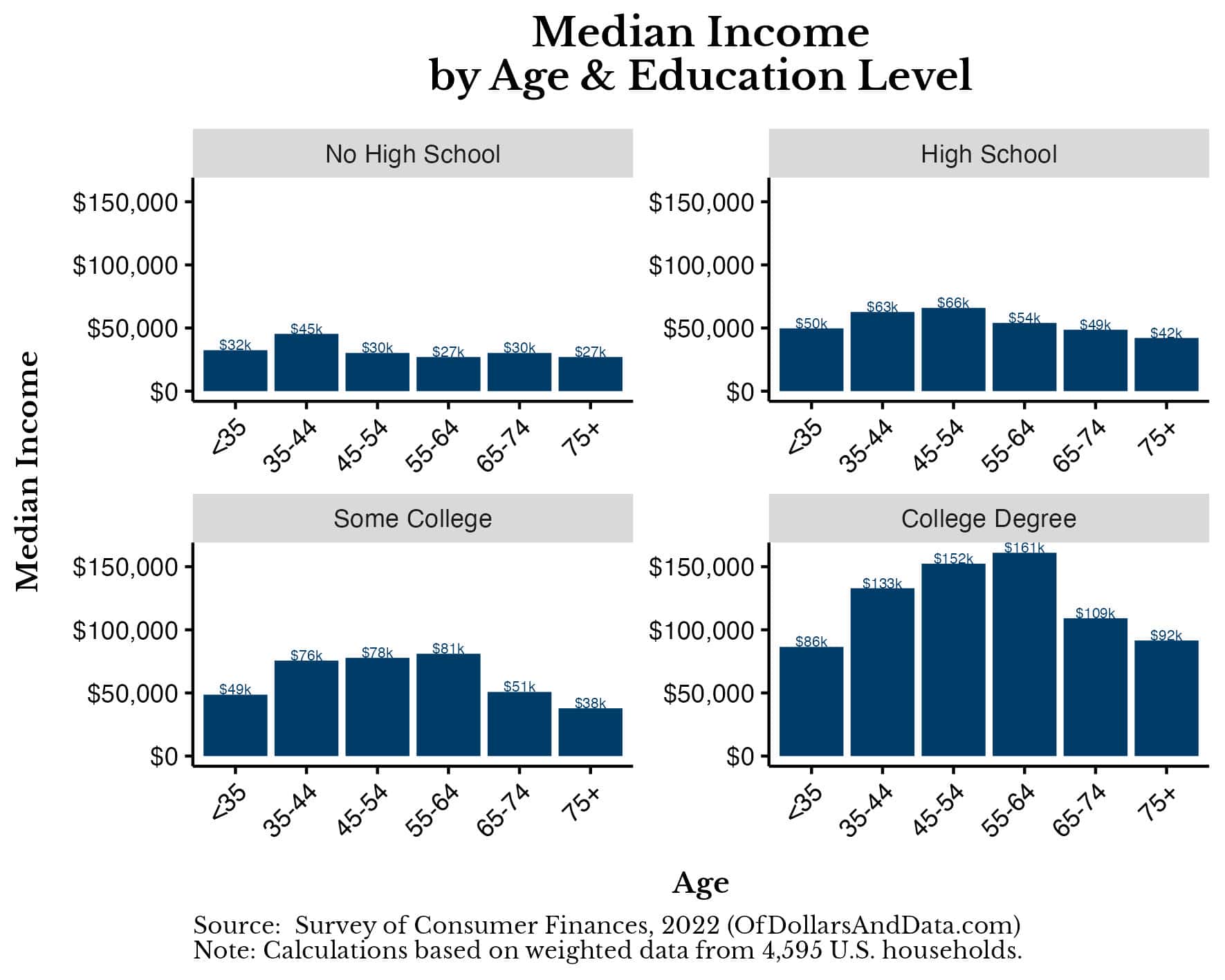
Your income potential often correlates with your career stage and the industry you operate in. Entry-level positions typically command lower salaries than mid-career or senior roles. Some industries, such as tech, finance, and specialized healthcare, generally offer higher compensation packages due to demand for specialized skills, complexity of work, or high-profit margins. Others, like non-profits or certain public service roles, may offer lower salaries but often come with intrinsic rewards or better work-life balance. Your professional development and continuous skill acquisition play a vital role in increasing earning potential over time.
Health and Insurance Costs
Healthcare costs are a significant and often unpredictable expense. The quality and cost of health insurance, deductibles, co-pays, and out-of-pocket medical expenses can significantly impact disposable income. Individuals with chronic conditions or those who require specialized care will naturally have higher healthcare expenditures, necessitating a larger income buffer. Similarly, other insurance types, such as life insurance, disability insurance, and property insurance, contribute to the overall financial outlay that an income must cover.
Strategies for Increasing Your Earning Potential
For those whose current income falls short of their “good” threshold, there are actionable strategies to enhance earning potential and move closer to financial objectives.
Skill Development and Continuous Learning
Investing in your education and skill set is one of the most effective ways to boost your income. This could involve pursuing higher education, obtaining professional certifications, learning new software or technical skills, or mastering soft skills like leadership and communication. Employers value specialized knowledge and a commitment to continuous improvement, often rewarding these with promotions and salary increases. Online courses, workshops, and industry conferences provide accessible avenues for skill enhancement.
Career Advancement and Negotiation
Actively seeking promotions within your current organization or exploring opportunities at other companies can lead to substantial salary increases. When negotiating a salary for a new role or a raise in your current position, thoroughly research industry benchmarks and come prepared with a strong case outlining your contributions and value. Don’t be afraid to ask for what you’re worth; effective negotiation can significantly impact your lifetime earnings.
Diversifying Income Streams (Side Hustles, Investments)
Relying on a single income source can be risky. Exploring side hustles, such as freelancing, consulting, driving for ride-sharing services, or selling handmade goods online, can supplement your primary income. Furthermore, building passive income streams through investments – real estate, stocks, bonds, or even high-yield savings accounts – allows your money to work for you, contributing to your overall wealth and reducing reliance on active work alone.
Financial Literacy and Budgeting
Understanding how to manage your money effectively is as crucial as earning it. Developing strong financial literacy skills, including budgeting, tracking expenses, and understanding investment principles, empowers you to make informed decisions. A well-structured budget ensures you know where your money is going, helps identify areas for savings, and directs funds towards your financial goals, making the most of whatever income you earn.
The Psychological Aspect of Income and Happiness
Beyond the numbers, the question of what constitutes a “good” income often intertwines with feelings of happiness, security, and well-being. Money undeniably plays a role in reducing stress and opening opportunities, but its impact on happiness isn’t linear indefinitely.
The Income Plateau for Well-being
Research, notably from figures like Daniel Kahneman and Angus Deaton, suggests that while increased income significantly boosts well-being and life satisfaction up to a certain point (often cited around $75,000 to $100,000 in average cost-of-living areas, though this number adjusts for inflation and location), the positive correlation tends to plateau afterward. Beyond this threshold, additional income contributes less to daily emotional well-being, as basic needs are met and financial stressors are largely alleviated. At higher income levels, other factors like relationships, health, purpose, and work-life balance become more dominant drivers of happiness.
Financial Freedom vs. High Income
Many individuals prioritize financial freedom over simply achieving a high income. Financial freedom is defined as having enough passive income to cover one’s living expenses, thereby eliminating the necessity to work for money. This state is not solely dependent on a high salary but rather on effective saving, investing, and expense management. An individual with a moderate income who lives below their means and invests wisely might achieve financial freedom faster than someone with a very high income who spends lavishly and accumulates debt.
Mindfulness and Consumption Habits
A “good” income also supports mindful consumption rather than impulsive spending. It allows for intentional purchases that align with values and genuinely enhance life, rather than buying simply to keep up with peers or to temporarily fill a void. Developing healthy spending habits, practicing gratitude, and finding contentment in experiences rather than material possessions can significantly enhance perceived well-being, regardless of the exact numerical value of your income. Ultimately, a good yearly income is one that supports your life, not one that dictates it, enabling you to pursue what truly matters.
aViewFromTheCave is a participant in the Amazon Services LLC Associates Program, an affiliate advertising program designed to provide a means for sites to earn advertising fees by advertising and linking to Amazon.com. Amazon, the Amazon logo, AmazonSupply, and the AmazonSupply logo are trademarks of Amazon.com, Inc. or its affiliates. As an Amazon Associate we earn affiliate commissions from qualifying purchases.