
Lowering one’s ecological footprint is often perceived solely as an environmental imperative, yet a robust financial strategy often underpins and accelerates these efforts. By aligning personal finance, investment choices, and even entrepreneurial pursuits with sustainability goals, individuals and businesses can achieve significant financial benefits while contributing positively to planetary health. This approach transforms eco-consciousness from a perceived cost into a tangible investment, yielding both monetary returns and a reduced environmental impact.
Investing in a Greener Tomorrow: Sustainable Portfolios
The financial markets offer powerful levers for individuals and institutions aiming to lower their ecological footprint. Sustainable investing, often encapsulated by Environmental, Social, and Governance (ESG) criteria, allows investors to direct capital towards companies and projects committed to responsible practices. This isn’t just about altruism; it’s increasingly recognized as a sound financial strategy that mitigates risk and identifies long-term growth opportunities.

ESG Investing Explained
ESG investing evaluates companies not just on their financial performance but also on their environmental stewardship, social responsibility, and corporate governance. From an ecological footprint perspective, the “E” in ESG is particularly pertinent. It assesses how a company manages its energy consumption, waste generation, pollution, resource depletion, and carbon emissions. Investors can utilize ESG ratings and dedicated funds (ETFs, mutual funds) to screen out companies with high environmental impacts or to proactively support those driving sustainable innovation. The financial rationale is compelling: companies with strong ESG performance often demonstrate better operational efficiency, face fewer regulatory risks, and possess stronger reputations, which can translate into superior long-term financial returns and stability. Understanding a company’s carbon intensity or water usage, for instance, provides insights into potential future liabilities or efficiencies that directly impact its financial health and, by extension, the investor’s portfolio.
Identifying Eco-Conscious Companies
Beyond broad ESG screening, discerning investors can delve deeper to identify companies that are genuinely integrating ecological considerations into their core business models. This involves looking for transparency in reporting environmental metrics, verifiable commitments to renewable energy, circular economy principles, and innovative solutions for sustainable resource management. For example, a company investing heavily in supply chain decarbonization or developing disruptive green technologies might offer significant growth potential as global economies transition towards sustainability. Financially, these companies often exhibit resilience against resource price volatility and increasing carbon taxes, making them attractive long-term holdings. Researching sustainability reports, engaging with shareholder proposals, and utilizing specialized financial data providers can help investors pinpoint these leaders, ensuring their capital supports entities actively working to lower their collective ecological footprint while aiming for competitive returns.
Impact Investing for Environmental Change
Impact investing takes sustainable investing a step further, aiming to generate not only financial returns but also measurable, positive social and environmental impact. For those focused on ecological footprint, this means investing in projects or companies specifically designed to address environmental challenges. This could include direct investments in renewable energy infrastructure, sustainable agriculture, waste-to-energy solutions, or reforestation projects. While impact investments historically might have been associated with concessionary returns, a growing body of evidence suggests that many can deliver market-rate returns, especially as green technologies mature and become more economically viable. From a financial perspective, impact investments diversify a portfolio, often providing exposure to emerging markets and innovative sectors. They also align personal values with financial goals, offering a profound sense of contribution beyond mere financial gain, directly linking investment capital to tangible reductions in global ecological footprints.
Financial Prudence Through Reduced Consumption and Waste
Perhaps the most direct and universally accessible path to lowering one’s ecological footprint, while simultaneously enhancing personal financial health, lies in mindful consumption and waste reduction. Every purchase, every utility bill, and every discarded item represents a financial transaction with an associated environmental cost. Optimizing these processes leads to direct monetary savings and a lighter footprint.
The Economics of Energy Efficiency
Reducing energy consumption is one of the most impactful ways to lower an ecological footprint and simultaneously save money. Investing in energy-efficient appliances, insulation, smart thermostats, and LED lighting significantly reduces utility bills over time. While initial outlays might seem substantial, the return on investment (ROI) for many energy efficiency upgrades is often rapid and considerable. For instance, replacing an old furnace or air conditioner with a high-efficiency model can cut heating and cooling costs by 20-50%, paying for itself within a few years. Government incentives, tax credits, and rebates often further reduce the upfront cost, making these financial decisions even more attractive. Beyond direct savings, increased energy efficiency can boost property value, making homes more appealing and financially sound in the long run. The financial analysis of energy consumption reveals that inefficiency is not just an environmental issue but a significant drain on personal and business finances.
Mindful Spending and Durable Goods
Shifting consumption patterns from a “buy cheap, dispose quickly” mentality to one focused on durable, high-quality, and repairable goods profoundly impacts both an ecological footprint and a budget. Initially, a higher-quality item might have a larger upfront cost, but its extended lifespan, reduced need for replacement, and often lower operating costs (e.g., more energy-efficient electronics) result in significant long-term financial savings. This approach embodies the concept of “total cost of ownership,” which factors in not just the purchase price but also maintenance, energy use, and eventual disposal costs. Mindful spending also involves resisting impulse purchases and evaluating actual needs versus wants, thereby reducing unnecessary acquisition of goods that consume resources in their production and often end up as waste. By investing in products built to last, consumers reduce their financial strain over time while simultaneously minimizing the environmental impact associated with manufacturing, transportation, and disposal of short-lived items.
Waste Reduction as a Cost-Saving Strategy
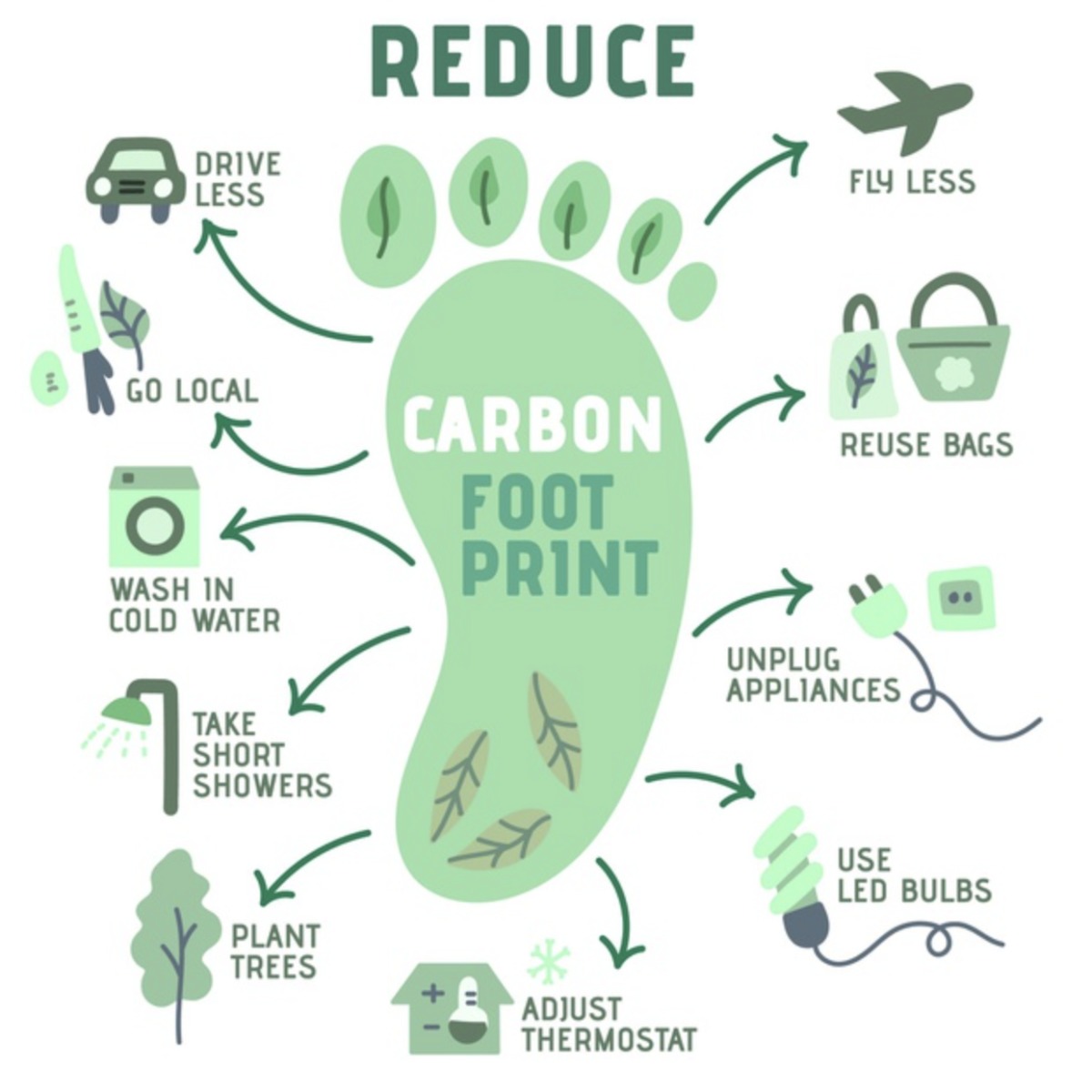
Reducing waste is a powerful twin strategy for saving money and lowering an ecological footprint. From a financial perspective, waste often represents wasted resources and lost money. Reducing food waste, for example, directly translates into savings on grocery bills. Composting food scraps, instead of sending them to landfills, can reduce the frequency of trash collection (where charged per bag) and enrich garden soil, potentially reducing the need for purchased fertilizers. Opting for reusable items – water bottles, coffee cups, shopping bags – eliminates recurring expenses on disposable alternatives. Repairing instead of replacing broken items (clothing, electronics, furniture) extends their financial utility and prevents new purchases. Even choosing digital over print can save on paper and ink costs. For businesses, implementing comprehensive waste reduction programs can lead to substantial savings on raw materials, disposal fees, and energy used in manufacturing new products. Every instance of waste eliminated is a direct financial gain, demonstrating that resourcefulness is not just eco-friendly but financially savvy.
Monetizing Sustainable Practices: Side Hustles and Green Income
The transition to a more sustainable economy also opens up avenues for new income streams and side hustles, allowing individuals to monetize their eco-conscious efforts and further reduce their financial and ecological footprints. This entrepreneurial spirit can turn sustainable living into a source of personal wealth.
Upcycling and Resale Markets
The circular economy provides fertile ground for financial gain through upcycling and participating in resale markets. Instead of discarding items, individuals can transform old furniture, clothing, or materials into new, higher-value products (upcycling) and sell them. This not only diverts waste from landfills but also creates a new revenue stream. Similarly, platforms for reselling used goods – from electronics to fashion – empower individuals to recoup a portion of their original investment while providing affordable, pre-owned options that extend product lifecycles and reduce the demand for new production. This practice is financially beneficial on two fronts: it allows sellers to unlock value from unused items and provides buyers with cost-effective alternatives, all while reducing the overall ecological burden associated with manufacturing new goods.
Renewable Energy Generation for Income
With advancements in technology and supportive government policies, generating renewable energy at home has become a viable option for many, leading to both significant savings and potential income. Installing solar panels, for instance, dramatically reduces or eliminates monthly electricity bills. Beyond savings, many regions offer “net metering” programs, where homeowners can sell excess electricity generated back to the grid, transforming their roof into a source of passive income. Furthermore, various government incentives, tax credits, and grants are often available to subsidize the initial installation costs, making the financial proposition even more attractive. This directly reduces reliance on fossil fuels, significantly lowering an individual’s carbon footprint, while simultaneously creating a stable, long-term financial asset that generates revenue.
Consulting and Services in Sustainability
As awareness grows, so does the demand for expertise in sustainability. Individuals with knowledge in areas like energy efficiency auditing, green building design, sustainable landscaping, waste management consulting, or even personal sustainability coaching can offer their services as a side hustle or a full-fledged business. Businesses and homeowners alike are increasingly seeking guidance on how to reduce their environmental impact and improve their financial bottom line through sustainable practices. This niche offers the dual benefit of generating income while actively helping others reduce their ecological footprint. The financial rewards for providing specialized sustainability services are growing, reflecting the market’s increasing valuation of environmental stewardship and resource efficiency.
Business Finance and Corporate Responsibility
For businesses, integrating ecological footprint reduction into financial strategy is no longer just a trend but a critical component of risk management, operational efficiency, and long-term profitability. Sustainable business practices can unlock new markets, attract ethical investors, and build brand loyalty, all while contributing to a healthier planet.
The ROI of Sustainable Business Practices
Many sustainable business practices offer a clear return on investment (ROI). Investing in energy-efficient machinery, optimizing logistics to reduce fuel consumption, or implementing water-saving technologies directly translates into lower operational costs. Beyond direct savings, businesses that prioritize sustainability often gain a competitive edge. They can attract a growing segment of environmentally conscious consumers willing to pay a premium for green products and services. Furthermore, a strong commitment to reducing the ecological footprint can enhance a company’s reputation, improve employee morale and retention, and mitigate regulatory risks associated with environmental non-compliance. These indirect financial benefits, while harder to quantify precisely, are invaluable for long-term business success and investor confidence, solidifying the idea that being green can indeed be profitable.
Green Supply Chains and Operational Savings
Optimizing supply chains for sustainability directly impacts a company’s financial health and ecological footprint. This involves working with suppliers committed to ethical and environmental standards, reducing packaging, minimizing transportation distances, and designing products for durability and recyclability. The financial benefits are multifaceted: reduced material costs through efficiency, lower shipping expenses, minimized waste disposal fees, and increased resilience against supply chain disruptions (e.g., from climate-related events). By scrutinizing every stage of their supply chain for ecological inefficiencies, businesses can uncover significant opportunities for cost savings and operational improvements, thereby boosting profitability while simultaneously reducing their environmental impact. Transparency in green supply chains can also attract investors and customers who prioritize responsible sourcing.
Attracting Investors with Sustainable Business Models
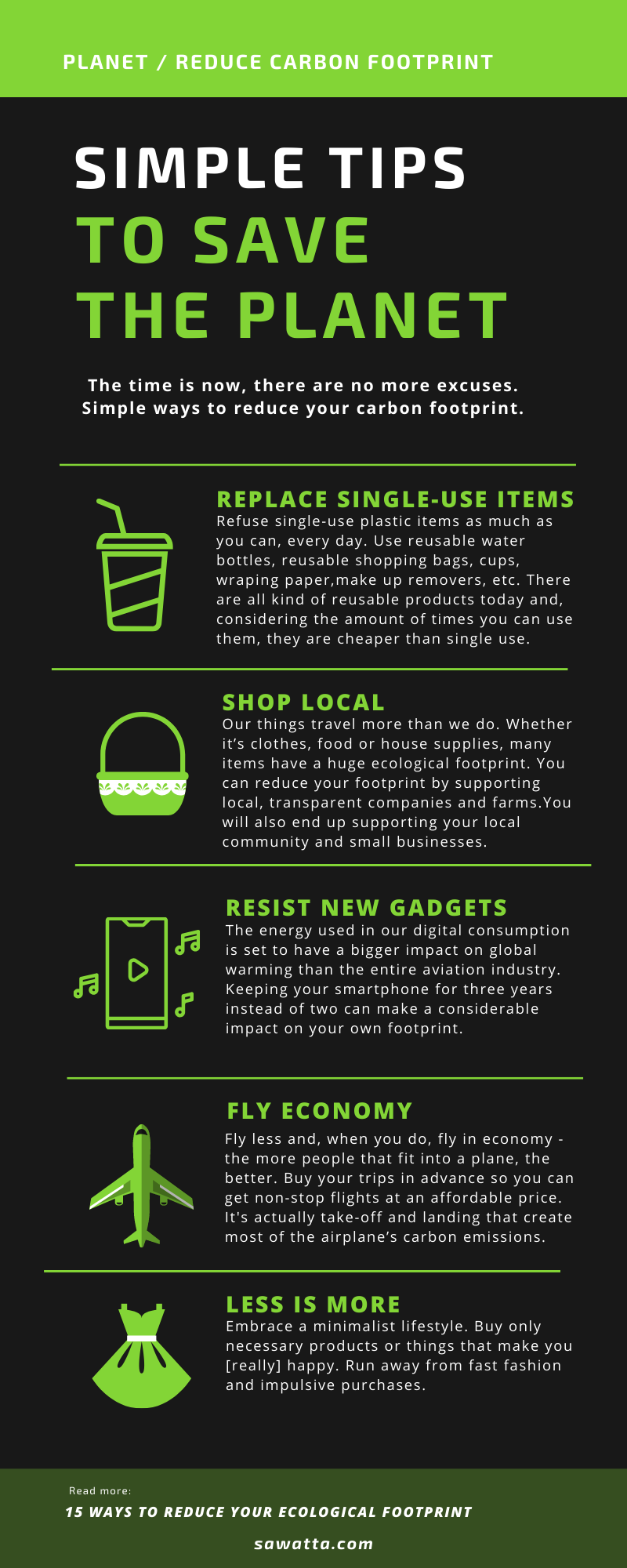
The landscape of corporate finance is rapidly evolving, with a growing emphasis on sustainability. Investors, particularly institutional ones, are increasingly scrutinizing companies’ environmental performance and demanding transparent reporting on their ecological footprint. Businesses that can demonstrate a strong commitment to reducing their impact, coupled with a robust financial strategy, are often more attractive to investors seeking long-term value and lower risk. This includes having clear targets for carbon reduction, investing in renewable energy, and designing products with end-of-life considerations. A compelling sustainable business model can unlock access to “green finance” instruments, such as green bonds and sustainability-linked loans, which may offer more favorable terms. Ultimately, aligning financial strategy with ecological responsibility is not just about compliance; it’s about positioning a business for future growth, securing capital, and enhancing shareholder value in an increasingly eco-conscious global economy.
aViewFromTheCave is a participant in the Amazon Services LLC Associates Program, an affiliate advertising program designed to provide a means for sites to earn advertising fees by advertising and linking to Amazon.com. Amazon, the Amazon logo, AmazonSupply, and the AmazonSupply logo are trademarks of Amazon.com, Inc. or its affiliates. As an Amazon Associate we earn affiliate commissions from qualifying purchases.