
The Social Security Number (SSN) is arguably the most vital piece of personal identification for individuals in the United States. Far more than just a nine-digit code, it serves as the linchpin for everything from employment and tax filing to accessing government benefits and establishing credit. Yet, despite its omnipresence, it’s surprisingly common for people to misplace, forget, or simply not know their SSN by heart. Whether you’ve recently moved, haven’t needed it for a while, or are simply facing a moment of blank confusion, figuring out your SSN can feel like a daunting task.
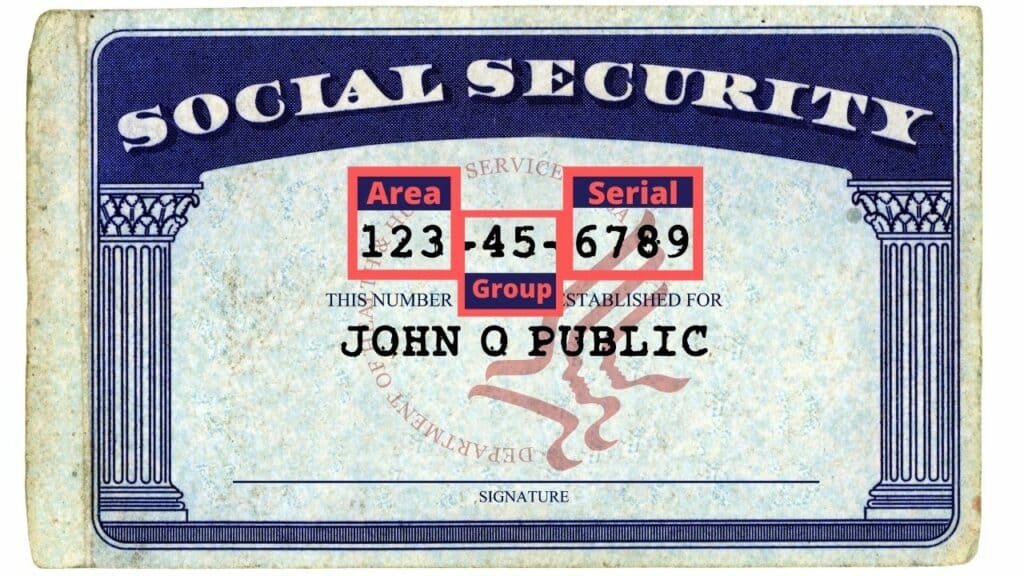
This guide delves into the indispensable role of your SSN in personal finance and outlines the official, secure avenues for retrieving it. We’ll explore where to look, who to contact, and how to safeguard this crucial identifier once you’ve re-established access. For anyone navigating the complexities of personal finance and seeking to re-assert control over their most essential identity document, understanding these processes is not just helpful – it’s fundamental.
The Indispensable Role of Your SSN in Personal Finance
In the intricate landscape of American finance, your Social Security Number acts as your unique identifier, a digital fingerprint that connects you to virtually every financial transaction, benefit, and credit report. Without it, performing even the most basic financial tasks can become an insurmountable hurdle.
A Gateway to Financial Stability
The significance of your SSN in personal finance cannot be overstated. It is the cornerstone upon which your entire financial identity is built, influencing your ability to participate in the economic system in numerous ways:
-
Credit Applications: Whether you’re applying for a credit card, a personal loan, a car loan, or a mortgage, lenders will invariably request your SSN. This number allows them to access your credit report and score, evaluating your creditworthiness and repayment history. Without it, securing any form of credit is virtually impossible, hindering your ability to make significant purchases or build a financial safety net.
-
Opening Bank Accounts: To open a checking or savings account at almost any financial institution in the U.S., you’ll need to provide your SSN. This is a requirement under the Bank Secrecy Act and the Patriot Act, designed to prevent money laundering and terrorist financing by verifying your identity.
-
Investment Accounts: Engaging in the stock market, setting up a brokerage account, or investing in mutual funds all necessitate your SSN. Investment firms use it for identity verification, tax reporting (e.g., reporting capital gains to the IRS), and compliance with financial regulations.
-
Retirement Planning: Your SSN is crucial for setting up and managing retirement accounts such as 401(k)s, IRAs, and Roth IRAs. It links your contributions and investments to your personal tax records, ensuring proper reporting and future benefit calculations.
-
Tax Filing: Perhaps its most recognized financial function, your SSN is absolutely essential for filing federal and state income taxes. It identifies you to the Internal Revenue Service (IRS), allowing them to track your income, deductions, credits, and tax payments. Without it, you cannot submit a valid tax return, potentially leading to legal complications and missed refunds.
Beyond Finance: Essential for Life’s Milestones
While its financial implications are vast, the SSN’s utility extends far beyond bank accounts and tax returns, touching almost every major milestone in an individual’s life in the U.S. These broader applications often have indirect but significant financial consequences, making knowledge of your SSN paramount for overall stability and opportunity:
-
Employment: Every employer in the U.S. is legally required to collect your SSN for tax purposes (reporting wages to the IRS) and to verify your eligibility to work in the country. Without an SSN, securing legitimate employment is extraordinarily difficult, directly impacting your income and financial well-being.
-
Government Benefits: Eligibility for and access to various government programs, including Social Security retirement benefits, Medicare, Medicaid, unemployment insurance, and disability benefits, are all tied to your SSN. It’s how the government tracks your contributions and verifies your entitlement.
-
Driver’s License and State ID: While not universally required for all state IDs, many Department of Motor Vehicles (DMV) offices will request your SSN when you apply for a driver’s license or state identification card. This aids in identity verification and helps prevent fraudulent applications.
-
Higher Education Applications: Many colleges and universities require an SSN for admission applications, particularly if you are applying for federal financial aid (e.g., FAFSA). The SSN helps link your application to financial aid records and for tax reporting purposes related to educational expenses.
-
Identity Verification: In countless situations where your identity needs to be definitively confirmed – from opening a utility account to receiving certain medical services – your SSN may be requested as a secondary or primary identifier, underscoring its role in establishing your unique presence within various systems.
In essence, the SSN is the foundational stone of your personal and financial identity in the United States. Without knowledge of it, managing your money, pursuing opportunities, and accessing essential services become an arduous, if not impossible, endeavor.
Official Avenues for Retrieving Your SSN
When you find yourself needing your SSN but can’t recall it, it’s crucial to rely on official, secure methods for retrieval. Attempting to obtain it through unofficial channels or providing it to unverified sources can expose you to significant risks of identity theft and fraud. The most reliable paths involve checking existing documents or directly contacting the Social Security Administration (SSA).
Check Your Existing Documents
Before contacting the SSA, take a thorough look through your personal records. Your SSN is often printed on various official documents you might already possess or have easy access to. This is usually the quickest and most straightforward way to find it:
-
Social Security Card: This is the most obvious place. If you have your physical Social Security card, your SSN is printed prominently on it. It’s advisable to keep this card in a safe, secure place—not in your wallet—to protect against loss or theft.
-
Tax Documents:
-
W-2 Forms: Your Wage and Tax Statement (Form W-2) from employers clearly lists your SSN. This is an excellent source if you’ve been employed.
-
1099 Forms: Various 1099 forms (e.g., 1099-INT for interest income, 1099-DIV for dividends, 1099-MISC for miscellaneous income) will also include your SSN.
-
Tax Returns: Your federal and state income tax returns prominently display your SSN. If you have copies of past returns, this is a very reliable source. If you don’t have physical copies, you can request tax transcripts from the IRS website (IRS.gov). These transcripts don’t show the entire tax return, but they often include key data, including your SSN.
-
-
Pay Stubs: Many employers include your SSN on your pay stubs, particularly the year-to-date statements.
-
Other Official Documents (Less Common but Possible):
-
Health Insurance Cards: Some older health insurance cards, particularly those related to Medicare, may display your SSN. Modern cards typically use a different identification number to protect privacy.
-
Loan Documents: Mortgage statements, student loan documents, or other formal loan agreements may contain your SSN.
-
Bank Statements: While less common for daily statements, some initial account opening documents may have it.
-
Previous Employment Records: Old applications, benefit enrollment forms, or HR records from past jobs might have your SSN on file.
-
Contacting the Social Security Administration (SSA) Directly
If you’ve exhausted your personal documents and still can’t find your SSN, the most official and reliable method is to contact the Social Security Administration (SSA). They are the issuing authority and maintain comprehensive records.

-
Why Direct Contact is Reliable: The SSA is the only government agency authorized to issue SSNs and maintain individual Social Security records. Any information obtained directly from them is guaranteed to be accurate and legitimate.
-
Applying for a Replacement Card: The primary way the SSA will provide your SSN is through the process of applying for a replacement Social Security card. While you may not necessarily need the physical card, this application process will result in your SSN being sent to you.
-
Required Documentation: To apply for a replacement card (and thus get your SSN), you will need to provide proof of:
-
Identity: A U.S. driver’s license, state-issued non-driver identification card, or U.S. passport are common. Other documents like employee ID cards, school ID cards, health insurance cards (not Medicare), or military ID cards might be accepted.
-
U.S. Citizenship or Immigration Status: A U.S. birth certificate, U.S. passport, Certificate of Naturalization, or relevant immigration documents (e.g., Green Card, I-94) will be required.
-
It is crucial to provide original documents, not photocopies. The SSA may also require two separate documents for identity verification if one primary document is insufficient.
-
-
Methods of Contact:
-
Online (my Social Security account): If you already have a “my Social Security” account set up, you may be able to view your SSN online and request a replacement card that way. This is often the quickest method if your account is active. If you don’t have an account, you can create one, but you’ll need to provide significant personal information for verification, and it might take some time to confirm.
-
Phone: You can call the SSA at 1-800-772-1213. While they generally do not provide SSNs over the phone to prevent fraud, they can guide you through the process of requesting a replacement card and confirm what documents you’ll need.
-
In-Person (SSA Office): Visiting a local Social Security office is a reliable option, especially if you have complex documentation or questions. You can fill out Form SS-5, Application for a Social Security Card, and present your original documents. Use the SSA’s office locator tool on their website to find the nearest branch.
-
Remember, the SSA prioritizes security. The verification processes are thorough to protect your identity and prevent fraudulent access to your SSN. Patience and preparation with your documents will be key to a successful retrieval.
Understanding When the SSA Can (and Cannot) Provide Your SSN Immediately
While the Social Security Administration (SSA) is the ultimate authority for your SSN, their protocols are designed with rigorous security in mind. This means there are specific scenarios where they can assist promptly and others where immediate retrieval is simply not possible due to anti-fraud measures. Understanding these limitations will manage your expectations and help you navigate the process effectively.
When the SSA Can Help
The SSA provides a few avenues for individuals to access their SSN, prioritizing secure verification:
-
If You’re Applying for a Replacement Card: This is the most common and direct path. When you successfully complete Form SS-5, Application for a Social Security Card, and submit it with all required original documents proving your identity and citizenship/immigration status, the SSA will process your application. Once approved, a new physical Social Security card, bearing your SSN, will be mailed to the address on file, typically within 7-14 business days. This process is how you “figure out” your SSN if you don’t already have it.
-
If You Have a “my Social Security” Account: If you have previously created and verified a “my Social Security” online account (which involves a robust identity verification process during setup), you can often view your SSN directly through the portal. This is the fastest way to retrieve it digitally, assuming your account is active and accessible. You can also use this account to request a replacement card online.
-
In-Person Visits with Proper ID: If you visit a local SSA office, and successfully present all necessary original identification and citizenship documents, a representative can confirm your SSN and initiate the replacement card process. While they won’t hand you a slip of paper with your SSN on it for security reasons, verifying your identity in person allows them to confidently process your request for the card containing the number.
Limitations and What to Expect
It’s vital to be aware of the SSA’s strict policies regarding SSN disclosure to prevent identity theft. These limitations are for your protection:
-
The SSA Generally Will Not Provide Your SSN Over the Phone Without Extensive Verification: Due to the severe risks associated with disclosing sensitive information, SSA representatives are typically prohibited from giving out your SSN over the phone. While they can answer general questions and guide you through the replacement card process, they cannot simply state your SSN to you, even if you answer several verification questions. If you call, the most likely outcome is advice on how to apply for a replacement card, which will be mailed to you.
-
They Will Not Email It: For obvious security reasons, the SSA will never email your SSN or any other sensitive personal information. Email is not considered a secure channel for transmitting such data.
-
They Will Not Fax It: Similar to email, faxing is not a secure method for transmitting highly sensitive personal data like an SSN.
-
Processing Times for Replacement Cards: While the SSA strives for efficiency, requesting a replacement card involves processing time. Expect to wait 7-14 business days for the card to arrive by mail after your application is processed. It’s not an immediate over-the-counter service.
-
Importance of Having Original Documents for Verification: The SSA is incredibly stringent about documentation. They will not accept photocopies, notarized copies, or expired documents. You must provide original, current documents. This requirement can be a hurdle if your original documents are lost or difficult to obtain. Preparing these in advance is crucial to avoid delays.
In summary, while the SSA is your definitive resource, their approach is meticulously calibrated for security. The process is designed to ensure that only the rightful owner can access their SSN, even if it means a slight delay or additional steps. Understanding these parameters helps you approach the task with realistic expectations and the necessary preparation.
Safeguarding Your SSN: A Lifelong Financial Responsibility
Once you’ve successfully retrieved your Social Security Number, the task shifts from discovery to diligent protection. Your SSN is not just a key to your financial life; it’s also the master key to your identity. Its compromise can lead to severe financial hardship, identity theft, and prolonged administrative headaches. Therefore, safeguarding your SSN is an ongoing, lifelong financial responsibility.
Proactive Measures for Future Access
Beyond immediate retrieval, establishing secure habits for managing your SSN ensures you won’t face the same predicament in the future while simultaneously protecting it from misuse:
-
Memorize It (If Comfortable): For many, memorizing their SSN provides immediate access without needing to write it down or carry a card. However, some find this challenging. If you do memorize it, ensure you can recall it accurately.
-
Store Your Physical Card Securely: Your physical Social Security card should be kept in a safe place at home, such as a locked safe, a fireproof box, or a secure drawer. It should not be carried in your wallet or purse. If your wallet is lost or stolen, your SSN would be immediately accessible to thieves, vastly increasing your risk of identity theft. Only retrieve the card when absolutely necessary for official purposes.
-
Keep Digital Copies Encrypted and Password-Protected: If you must keep a digital copy of your SSN (e.g., as part of an emergency contact file), ensure it is stored in an encrypted file or a secure, password-protected document that is not easily discoverable or accessible on an unsecured computer or cloud service. Use strong, unique passwords.
-
Use a Secure Password Manager for Online Accounts Linked to Your SSN: For any online accounts that require your SSN for verification or registration, use a reputable password manager. These tools encrypt your login credentials and sensitive information, providing a robust layer of security against cyber threats.
-
Create a “my Social Security” Account: Even if you don’t need your SSN immediately, setting up an online “my Social Security” account at SSA.gov is a proactive step. This not only gives you easy access to your earnings records and future benefit estimates but also “locks down” your SSN from someone else trying to create an account in your name, which could be an early sign of identity theft.

Protecting Against Identity Theft
The potential for identity theft is the most significant reason to guard your SSN with extreme vigilance. A stolen SSN can be used to open fraudulent accounts, file false tax returns, apply for loans, or even commit crimes in your name.
-
The Risks of SSN Compromise: A compromised SSN can lead to:
-
Financial Fraud: New credit cards, loans, or bank accounts opened in your name.
-
Tax Fraud: Someone filing a tax return using your SSN to claim a fraudulent refund.
-
Medical Fraud: Medical services or prescriptions obtained using your identity.
-
Employment Fraud: Someone using your SSN to gain employment, potentially causing tax issues for you.
-
-
Being Wary of Unsolicited Requests for Your SSN: Be extremely cautious about sharing your SSN. Only provide it when legally required (e.g., for employment, tax purposes, opening financial accounts, or legitimate government services). Question why it’s needed, and if you’re unsure, ask for an alternative identifier or verify the legitimacy of the requestor. Never give your SSN over the phone or email to someone who has contacted you, unless you have verified their identity and the legitimacy of their request.
-
Credit Monitoring and Freezes: Regularly monitor your credit reports for suspicious activity. You are entitled to a free credit report from each of the three major bureaus (Equifax, Experian, TransUnion) annually via AnnualCreditReport.com. For stronger protection, consider placing a credit freeze with each credit bureau. This prevents new creditors from accessing your report, making it difficult for identity thieves to open new accounts in your name. You can temporarily lift the freeze when you need to apply for credit.
-
Reporting Suspicious Activity: If you suspect your SSN has been compromised or you detect any fraudulent activity related to it, act immediately:
-
Contact the Social Security Administration (SSA) directly.
-
Report to the Federal Trade Commission (FTC) at IdentityTheft.gov.
-
File a police report.
-
Notify your banks and credit card companies.
-
Contact the credit bureaus to place fraud alerts or freezes.
-
-
Regularly Review Financial Statements: Keep an eye on your bank statements, credit card bills, and explanations of benefits (EOBs) from your health insurance provider for any unfamiliar charges or activities.
In conclusion, your Social Security Number is a powerful tool for navigating your financial life, but it also represents a significant vulnerability if not properly protected. By proactively managing where it’s stored, limiting its disclosure, and remaining vigilant against potential threats, you fulfill your lifelong financial responsibility to safeguard your identity and financial well-being. Knowing how to retrieve it is essential, but knowing how to protect it is paramount.
aViewFromTheCave is a participant in the Amazon Services LLC Associates Program, an affiliate advertising program designed to provide a means for sites to earn advertising fees by advertising and linking to Amazon.com. Amazon, the Amazon logo, AmazonSupply, and the AmazonSupply logo are trademarks of Amazon.com, Inc. or its affiliates. As an Amazon Associate we earn affiliate commissions from qualifying purchases.