
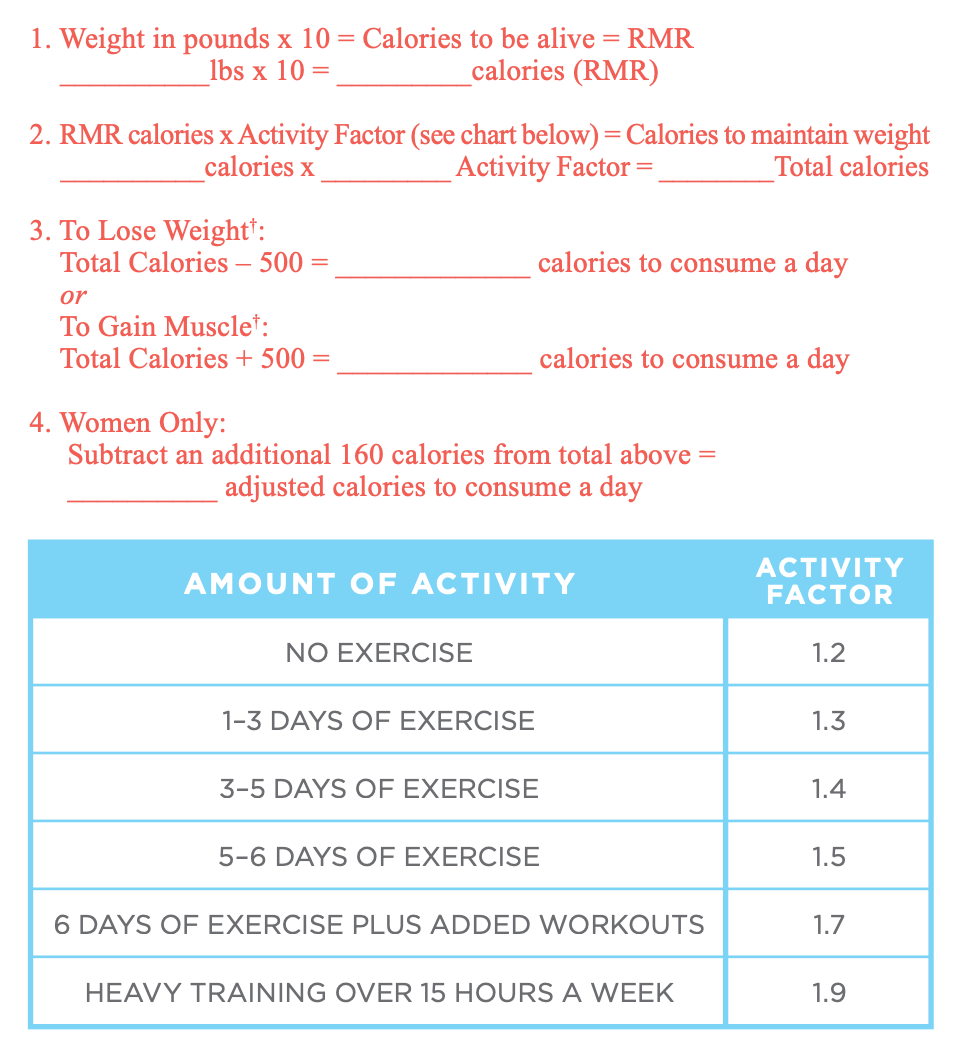
In an era defined by data and digital convenience, managing personal health has been profoundly transformed by technology. Gone are the days when tracking daily calorie intake meant meticulously writing down every meal and ingredient, then cross-referencing against bulky nutrition guides. Today, the power to monitor, analyze, and optimize one’s nutritional input resides literally in our pockets, on our wrists, and integrated into our kitchen appliances. Counting daily calorie intake is no longer just a discipline; it’s a tech-driven endeavor, offering unprecedented accuracy, insights, and personalization. This guide delves into how modern technology empowers individuals to take precise control over their dietary habits, fostering a more informed and effective approach to health and wellness.
The Digital Revolution in Calorie Tracking
The journey from rudimentary calorie counting methods to sophisticated digital solutions marks a significant paradigm shift in personal health management. What was once a tedious and error-prone process has been streamlined, democratized, and made remarkably insightful through technological innovation.
Evolution from Pen and Paper to Pixels
Historically, counting calories was an arduous task, primarily reserved for professional athletes or those with specific medical conditions. It involved manual record-keeping in notebooks, estimation based on vague food labels, and laborious calculations. The arrival of personal computers brought rudimentary software, but it was the advent of smartphones, ubiquitous internet access, and wearable technology that truly catalyzed the digital revolution in nutrition tracking. This evolution transformed a niche, specialist activity into an accessible, everyday practice for millions seeking better health, weight management, or performance optimization.
Why Technology is Indispensable for Accuracy
The human element, while crucial for conscious eating, is often a source of inconsistency and inaccuracy in calorie counting. Forgetfulness, underestimation of portion sizes, and the sheer complexity of calculating macronutrients for diverse meals can lead to significant discrepancies. Technology addresses these challenges head-on. Digital tools leverage vast, verified food databases, offer precise measurement aids, automate complex calculations, and provide real-time feedback. They minimize human error, standardize data entry, and offer a level of detail and consistency that manual methods simply cannot match, making them indispensable for anyone serious about accurate calorie tracking.
Essential Tech Tools for Calorie Counting
The ecosystem of technological aids for calorie counting is expansive, ranging from versatile mobile applications to specialized kitchen gadgets. Each tool plays a distinct role in simplifying and enhancing the accuracy of tracking daily intake.
Mobile Applications: Your Pocket Nutritionist
Mobile apps stand at the forefront of the calorie-counting revolution, effectively transforming smartphones into personal nutritionists. Apps like MyFitnessPal, LoseIt!, Cronometer, and Fooducate provide comprehensive platforms for logging food, tracking macros, and monitoring progress. Their key features include extensive, searchable food databases (often crowd-sourced but curated), barcode scanners for quick product entry, recipe builders that break down nutritional content, and meal logging functionalities that simplify daily tracking. Many also offer goal setting, progress charts, and community features, making them highly engaging and user-friendly for sustained effort in dietary management.
Wearable Devices: Integrating Activity with Intake
Wearable technology, such as fitness trackers and smartwatches (e.g., Fitbit, Apple Watch, Garmin), offers a crucial dimension to calorie counting: the output side of the energy balance equation. While primarily known for tracking steps, heart rate, and sleep, these devices also estimate calories burned through physical activity. When integrated with nutrition tracking apps, wearables provide a holistic view of daily energy balance. This synergy allows users to understand not just what they’re eating, but also how their activity levels influence their calorie needs, offering more dynamic and personalized insights into their overall metabolic picture. The ability to automatically sync activity data eliminates manual logging, further streamlining the tracking process.
Smart Kitchen Gadgets: Precision at Your Fingertips
Beyond apps and wearables, smart kitchen gadgets are bringing precision directly into the food preparation process. Smart food scales, for instance, connect wirelessly to mobile apps, automatically logging the weight and nutritional information of ingredients as you cook. This eliminates estimation errors associated with portion sizes. Some advanced blenders or cooking appliances come with integrated scales and connectivity, allowing for real-time nutritional breakdowns of recipes. Emerging technologies even include AI-powered food recognition cameras in smart refrigerators or dedicated devices that can estimate the nutritional content of meals simply by scanning them, further reducing manual input and enhancing convenience for the tech-savvy health enthusiast.
Beyond Basic Logging: Advanced Tech for Deeper Insights
While basic calorie logging is effective, modern technology extends far beyond simple data entry, offering sophisticated tools for analysis, personalization, and a truly integrated health experience.
AI and Machine Learning: Predictive Nutrition and Personalized Recommendations
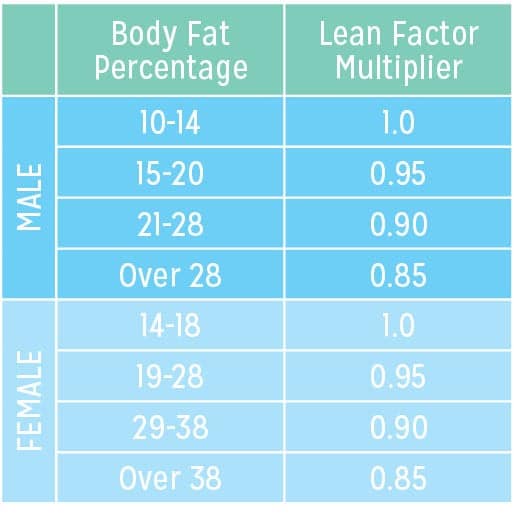
The integration of Artificial Intelligence (AI) and Machine Learning (ML) is transforming calorie counting into predictive nutrition. AI algorithms can analyze vast datasets of user intake, activity, and progress to identify patterns, predict dietary needs, and offer highly personalized recommendations. For example, an AI-powered app might suggest healthier alternatives based on a user’s logged habits, optimize macronutrient ratios for specific goals, or even generate dynamic meal plans that adapt to daily activity levels and preferences. This goes beyond simple tracking; it’s about intelligent guidance that learns and evolves with the user, providing proactive support for sustained dietary adherence and optimal outcomes.
Integration and Ecosystems: The Connected Health Experience
The true power of tech in calorie counting often lies in its ability to integrate various data sources into a cohesive ecosystem. Modern health platforms allow seamless synchronization between nutrition apps, wearable devices, smart scales, and even other health apps (e.g., sleep trackers, meditation apps). This creates a comprehensive health dashboard where users can view their entire lifestyle in a single interface. Such integration allows for cross-analysis, revealing correlations between diet, activity, sleep, and overall well-being. APIs (Application Programming Interfaces) facilitate these connections, fostering a connected health experience that provides a 360-degree view of one’s physiological state and behavioral patterns, enabling more informed decision-making.
Data Visualization and Reporting: Making Sense of Your Intake
One of the most valuable contributions of technology to calorie counting is its ability to transform raw data into actionable insights through sophisticated data visualization and reporting. Instead of just lists of food consumed, users are presented with intuitive dashboards featuring graphs, charts, and trend analyses. These visual representations can highlight daily and weekly calorie averages, macronutrient breakdowns, micro-nutrient deficiencies, and patterns in eating habits. Seeing progress over time, identifying areas of consistent over- or under-eating, or noting the impact of specific foods on energy levels, empowers users to make data-driven adjustments to their diet. This visual feedback loop is incredibly engaging and makes the complex task of nutritional analysis understandable and empowering.
Challenges and Best Practices in Tech-Assisted Calorie Counting
While technology offers immense benefits for calorie counting, its effective use also requires an awareness of potential pitfalls and adherence to best practices to maximize accuracy and minimize negative impacts.
Data Accuracy and User Input Reliability
The fundamental principle of “garbage in, garbage out” applies emphatically to tech-assisted calorie counting. Even the most advanced apps rely on accurate user input. Inaccurate portion sizing, misidentifying foods, or failing to log everything can significantly skew results. While apps with verified databases and barcode scanners help, users must still exercise diligence. Best practices include using food scales for precise measurements, taking the time to search for exact food entries, and being honest about all intake, including snacks and drinks. Regularly reviewing logged data for consistency can help maintain high data integrity.
Over-reliance and Potential for Obsession
The ease and precision of digital tracking can, for some individuals, lead to an unhealthy over-reliance or even an obsession with numbers. Fixating solely on calorie counts without considering the quality of food, listening to bodily hunger cues, or enjoying the social aspect of eating can be detrimental. It’s crucial to view technology as a tool for guidance, not a dictator. Mindful eating practices, periodic breaks from tracking, and focusing on overall health goals rather than just numbers can prevent this negative outcome. Technology should enhance, not replace, a healthy relationship with food.
Privacy and Data Security Concerns
Logging detailed dietary and activity information involves sharing highly personal health data. Users must be aware of the privacy policies of the apps and devices they use. Questions to consider include: How is my data stored? Is it shared with third parties? What security measures are in place to protect my information? Choosing reputable apps with clear privacy statements and strong data encryption is paramount. Regularly reviewing app permissions and understanding the implications of data sharing is essential for maintaining digital security and personal privacy.
Tips for Effective Tech Utilization
To make the most of calorie-counting technology, start simple. Begin by logging core meals consistently before diving into advanced features. Prioritize accuracy over speed initially, ensuring correct entries and portion sizes. Utilize the integration features to get a holistic view, but don’t feel pressured to use every gadget immediately. Most importantly, use the insights gained from tracking to inform healthier choices, rather than letting the numbers solely dictate your eating. Periodically review your goals and adjust your tracking approach. Finally, remember that technology is a powerful aid, but it should complement, not replace, professional advice from dietitians or healthcare providers.
The Future of Calorie Counting: Emerging Technologies
The landscape of health technology is continuously evolving, promising even more innovative and seamless ways to count and understand daily calorie intake. The future points towards a less intrusive, more integrated, and highly personalized experience.
Augmented Reality (AR) for Food Recognition
Imagine pointing your smartphone or a smart glass device at your plate and instantly receiving a real-time nutritional breakdown of your meal. Augmented Reality (AR) is poised to revolutionize food logging by overlaying digital information onto the physical world. While rudimentary forms exist, future AR applications will leverage advanced computer vision and AI to accurately identify ingredients, estimate portion sizes, and calculate nutritional values with minimal user input, making calorie counting almost effortless and incredibly efficient.
Continuous Glucose Monitors (CGMs) for Real-time Impact
While not directly calorie counters, Continuous Glucose Monitors (CGMs) are becoming increasingly accessible beyond diabetes management. These devices offer real-time feedback on how specific foods and meals affect an individual’s blood sugar levels. For those tracking calories, CGMs provide an invaluable layer of insight into the metabolic impact of different food choices, even within the same calorie bracket. This real-time physiological feedback can profoundly influence dietary decisions, guiding users towards foods that not only fit their calorie goals but also promote stable energy levels and better overall metabolic health.

AI-driven Personal Coaches and Predictive Health
The ultimate evolution of calorie-counting technology lies in highly sophisticated AI-driven personal health coaches. These systems will move beyond simple tracking and analysis to become proactive health managers. By integrating data from a myriad of sources—nutrition apps, wearables, smart home devices, genetic predispositions, and even environmental factors—AI will be able to predict health risks, optimize dietary and activity plans based on a user’s unique physiology and goals, and offer highly personalized, adaptive guidance. This predictive health paradigm will allow for real-time adjustments to calorie intake recommendations, pre-empting potential issues and maximizing efficiency in achieving health and wellness objectives. The future of calorie counting is not just about numbers, but about intelligent, anticipatory health optimization.
aViewFromTheCave is a participant in the Amazon Services LLC Associates Program, an affiliate advertising program designed to provide a means for sites to earn advertising fees by advertising and linking to Amazon.com. Amazon, the Amazon logo, AmazonSupply, and the AmazonSupply logo are trademarks of Amazon.com, Inc. or its affiliates. As an Amazon Associate we earn affiliate commissions from qualifying purchases.