
Retiring at 62 is a dream for many, offering the promise of an earlier transition into a life of leisure, travel, or pursuing long-held passions. However, for most, it also presents a significant financial question: how much income can I realistically expect, and will it be enough to sustain my desired lifestyle? The decision to retire early, specifically at age 62, involves navigating a complex landscape of Social Security regulations, personal savings, healthcare costs, and overall financial planning. This article delves into the critical factors that determine your retirement income at 62, helping you understand the potential benefits and pitfalls, and equipping you with strategies to make this early retirement a financially viable and fulfilling reality.
Understanding the Dynamics of Early Retirement at 62
Retiring at 62 is often seen as the earliest age you can claim Social Security benefits, making it a popular, albeit complex, milestone for many pre-retirees. While enticing, an early exit from the workforce has significant implications for your long-term financial stability.
The Concept of Early Retirement and Its Appeal
Early retirement, by definition, is leaving the workforce before your Full Retirement Age (FRA), as defined by the Social Security Administration (SSA). For anyone born in 1960 or later, FRA is 67. For those born between 1943 and 1959, FRA gradually increases from 66 to 67. The appeal of retiring at 62 is clear: more time to enjoy life, less stress, and the freedom to pursue hobbies or travel. It represents the earliest opportunity to tap into a crucial component of most Americans’ retirement income: Social Security. This early access, however, comes with a trade-off that is vital to understand.
Full Retirement Age (FRA) Explained
Your Full Retirement Age (FRA) is the age at which you are entitled to receive 100% of your primary insurance amount (PIA) from Social Security. Claiming benefits before your FRA results in a permanent reduction of your monthly payout. Conversely, delaying benefits past your FRA, up to age 70, results in an increase in your monthly benefit. This “full” age is a benchmark against which all other claiming ages are measured, particularly when evaluating the financial impact of retiring at 62. Understanding your specific FRA is the first step in calculating any potential Social Security reduction or increase.
Why 62 is a Common (But Early) Retirement Age
Age 62 is popular primarily because it’s the earliest age at which you can begin collecting Social Security retirement benefits. This immediate access to an income stream can be a powerful motivator for those who are tired of working, facing health issues, or simply eager to start a new chapter. However, it’s also considered “early” because it significantly predates the FRA for most individuals, leading to a substantial reduction in monthly Social Security checks. This reduction can be as much as 25% to 30% compared to what you would receive at your FRA, making careful financial planning even more critical for those opting for this path.
Key Factors Influencing Your Retirement Income
When you retire at 62, your total income won’t just be a single number; it’s a mosaic built from various sources. The amount you’ll receive is determined by a confluence of factors, each contributing a piece to your overall financial picture. Understanding these components is essential for an accurate projection.
Social Security Benefits: The Foundation
For many, Social Security forms the bedrock of retirement income. However, claiming at 62 means a permanent reduction. The exact percentage of reduction depends on your birth year and your Full Retirement Age (FRA). For someone with an FRA of 67, claiming at 62 would result in approximately a 30% reduction in their monthly benefit compared to waiting until FRA. This is a crucial calculation, as it affects your income for the rest of your life. The amount you receive is also based on your highest 35 years of earnings, so a strong work history with consistent, high income will naturally lead to higher potential benefits.
Personal Savings and Investments: Your Financial Cushion
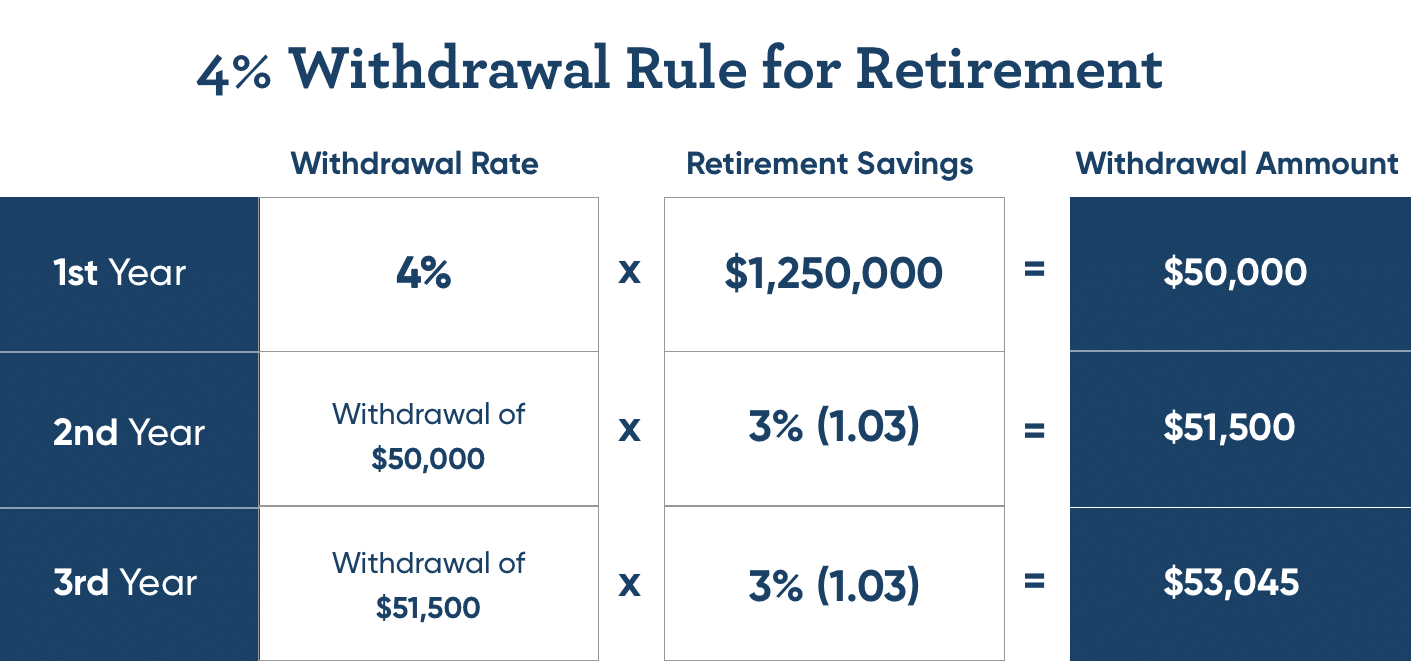
Beyond Social Security, your personal savings and investments are paramount. This includes funds held in 401(k)s, IRAs (Traditional and Roth), brokerage accounts, and other investment vehicles. The size of your nest egg, its asset allocation, and your withdrawal strategy will heavily dictate your lifestyle in retirement. A common rule of thumb, like the 4% rule, suggests withdrawing 4% of your portfolio’s value in the first year of retirement, adjusted for inflation annually. However, for a 62-year-old, a more conservative withdrawal rate (perhaps 3-3.5%) might be advisable due to a longer potential retirement horizon and the need for your money to last longer. The performance of your investments leading up to and during retirement will also play a significant role.
Pensions and Other Employer-Sponsored Plans
While less common today than in previous generations, some individuals may still be eligible for a defined-benefit pension plan from a former employer. These plans typically provide a guaranteed monthly income for life, often with an option for spousal benefits. If you have a pension, understanding its payout options, vesting schedules, and whether early retirement impacts the benefit amount is critical. Other employer-sponsored plans might include deferred compensation, employee stock ownership plans (ESOPs), or non-qualified annuities, all of which can supplement your income.
Healthcare Costs and Medicare Eligibility
One of the most significant considerations for early retirement at 62 is healthcare. You won’t be eligible for Medicare until age 65. This three-year gap means you’ll need to secure health insurance through other means, which can be expensive. Options include COBRA from a former employer (if applicable), health insurance marketplaces (Affordable Care Act), or private plans. The cost of premiums, deductibles, and out-of-pocket expenses can consume a substantial portion of your retirement budget. Failing to account for these costs can severely undermine your financial security, potentially forcing a return to work or drastically altering your lifestyle.
Calculating Your Potential Social Security Benefits
Understanding the exact amount of Social Security you’ll receive at 62 is critical, as it forms a guaranteed (inflation-adjusted) baseline for your retirement income. This isn’t a simple calculation; it’s influenced by several personal factors and the claiming decision itself.

Impact of Claiming Early vs. Full Retirement Age
The most significant factor influencing your Social Security benefit at 62 is the decision to claim early. As mentioned, your benefit will be permanently reduced. The reduction is typically 5/9 of 1% for each month you claim before your FRA, up to 36 months, and 5/12 of 1% for each month beyond 36 months. For someone with an FRA of 67, claiming at 62 means 60 months of early claiming. This translates to a reduction of approximately 30% (5/9 * 36 + 5/12 * 24). For example, if your monthly benefit at FRA (67) would be $2,000, claiming at 62 would reduce it to approximately $1,400. This is a permanent reduction, highlighting the long-term financial impact of this decision.
How Your Earnings History Affects Benefits
Your Social Security benefit amount is calculated based on your average indexed monthly earnings (AIME) from your 35 highest-earning years. If you don’t have 35 years of earnings, the missing years are counted as zeros, which lowers your average. Working longer and earning more, particularly in your peak earning years, can significantly boost your eventual benefit. If you retire at 62, it’s possible that those last few years of higher earnings, which would typically replace some of your lower-earning years from earlier in your career, are now missing, potentially further reducing your overall AIME and thus your PIA.
Understanding Cost-of-Living Adjustments (COLAs)
Social Security benefits are subject to annual Cost-of-Living Adjustments (COLAs), which are designed to help benefits keep pace with inflation. These adjustments are applied to your benefit regardless of when you start collecting. So, if you claim at 62, your reduced benefit will still increase with COLAs each year. While COLAs help maintain purchasing power, they do not negate the initial permanent reduction caused by claiming early. It’s a percentage increase on a smaller base amount.
Using the Social Security Administration’s Tools
The best way to get an accurate estimate of your potential Social Security benefits is to use the tools provided by the Social Security Administration (SSA).
-
Create an Account on My Social Security: This online portal allows you to view your complete earnings record, see estimated benefits at various ages (62, FRA, 70), and review your annual Social Security statement.
-
Social Security Benefit Calculators: The SSA website offers various calculators that can help you project your benefits based on different retirement ages and scenarios.
-
Consult with the SSA: For complex situations or personalized advice, you can contact the SSA directly or visit a local office.
These resources are invaluable for making an informed decision about when to claim your benefits.
Strategies to Maximize Your Retirement Income at 62
Retiring at 62 requires a proactive and strategic approach to ensure your income streams are robust enough to support you. Maximizing your financial resources means looking beyond just Social Security and optimizing your entire financial ecosystem.
Bridging the Gap Until Full Retirement Age
Since claiming Social Security at 62 means a permanent reduction, one effective strategy is to delay claiming your benefits as long as possible, ideally until your FRA or even 70. To do this, you’ll need a “bridge” of funds to cover your living expenses from age 62 until you start Social Security. This bridge can come from:
-
Taxable Brokerage Accounts: These funds are typically more liquid and accessible without penalties before age 59½.
-
Roth IRA Contributions (or Conversions): Contributions to Roth IRAs can be withdrawn tax-free and penalty-free at any age, after the account has been open for five years. Qualified Roth conversions can also be tapped penalty-free after five years from conversion, allowing you to access money before 59½.
-
Part-Time Work: Even a few hours a week can significantly reduce the amount you need to withdraw from your savings, helping your nest egg last longer.
-
Annuities: While not for everyone, certain types of annuities can provide a guaranteed income stream for a specific period, potentially bridging the gap.
Smart Withdrawal Strategies from Retirement Accounts
How you withdraw money from your 401(k)s, IRAs, and other investment accounts significantly impacts the longevity of your funds and your tax burden.
-
Sequence of Withdrawals: A common strategy is to withdraw from taxable accounts first, then tax-deferred accounts (401k/Traditional IRA), and finally tax-free accounts (Roth IRA). This approach can help manage your annual tax liability.
-
Required Minimum Distributions (RMDs): Remember that RMDs typically begin at age 73 (or 75, depending on your birth year) for tax-deferred accounts. While you won’t face RMDs at 62, planning for them is crucial.
-
Taxes: Withdrawals from Traditional 401(k)s and IRAs are taxed as ordinary income. Planning your withdrawals to stay within lower tax brackets can save you considerable money over time. Consult with a tax advisor to optimize your strategy.
-
Dynamic Withdrawal Rates: Instead of a fixed 4% rule, consider a flexible withdrawal strategy that adjusts based on market performance. Withdraw less in down years and more in up years to make your money last longer.
Exploring Part-Time Work in Retirement
For many, “retirement” doesn’t mean stopping work entirely. A flexible part-time job, consulting gig, or even a passion-driven side hustle can provide supplemental income, keep you engaged, and reduce the pressure on your retirement savings.
-
Financial Benefits: Even a modest income can cover discretionary expenses, allow your investments to grow longer, or reduce your reliance on Social Security.
-
Mental & Social Benefits: Part-time work can provide a sense of purpose, maintain social connections, and keep your mind active, contributing to overall well-being.
-
Social Security Earnings Limit: Be aware that if you claim Social Security at 62 and continue to work, your benefits may be temporarily reduced if your earnings exceed a certain limit. Once you reach your FRA, the earnings limit no longer applies, and the SSA will recalculate your benefit to account for any benefits that were withheld.
Longevity Planning and Annuities
One of the biggest risks in retirement is outliving your money. As people live longer, planning for 25-30+ years in retirement is essential.
-
Longevity Insurance (Deferred Annuities): These products typically begin paying out much later in life (e.g., at age 80 or 85) and can protect against the risk of depleting your funds in very late old age.
-
Immediate Annuities: These provide a guaranteed income stream that starts almost immediately after purchase. While they offer security, they also involve giving up control over a lump sum of money.
-
Health and Long-Term Care: Beyond income, planning for potential long-term care needs is vital. Long-term care insurance or self-funding strategies should be considered to protect your assets from potentially catastrophic healthcare costs later in life.
Planning for a Successful Retirement at 62
Successfully retiring at 62 isn’t just about having enough money; it’s about having a comprehensive plan that addresses all facets of your life, from daily expenses to unforeseen challenges. A well-thought-out strategy can transform early retirement from a financial risk into a rewarding experience.
Creating a Realistic Retirement Budget
Your current working budget will likely not translate directly to retirement. Your retirement budget needs to account for changes in expenses.
-
Identify Core vs. Discretionary Expenses: Differentiate between essential living costs (housing, food, utilities, healthcare) and discretionary spending (travel, hobbies, dining out).
-
Account for New Expenses: You might have new travel expenses, increased utility costs if you’re home more, or higher spending on hobbies.
-
Subtract Work-Related Costs: You’ll likely eliminate commuting costs, work attire, and perhaps some professional dues.
-
Tax Planning: Factor in how your retirement income sources will be taxed and budget accordingly. A realistic budget is the cornerstone of knowing how much income you truly need.
Addressing Healthcare and Long-Term Care Needs
As highlighted earlier, healthcare is a critical concern for early retirees.
-
Pre-Medicare Healthcare: Research and secure health insurance coverage for the gap between 62 and 65. Explore options through the Affordable Care Act (ACA) marketplace, COBRA (if available and affordable), or your spouse’s plan. Budget realistically for premiums, deductibles, and out-of-pocket costs.
-
Medicare Planning: Understand Medicare Parts A, B, and D, as well as supplemental plans (Medigap) or Medicare Advantage plans. Enroll on time to avoid penalties.
-
Long-Term Care: This is a major financial risk. Explore long-term care insurance, hybrid life insurance policies with long-term care riders, or self-funding strategies. A clear plan for potential long-term care expenses is crucial for protecting your assets and maintaining your independence.
Estate Planning and Legacy Considerations
While retirement is about living your best life now, it’s also an opportune time to ensure your financial affairs are in order for the future.
-
Wills and Trusts: Review or create updated wills and trusts to ensure your assets are distributed according to your wishes.
-
Beneficiary Designations: Verify that all your retirement accounts, life insurance policies, and other assets have up-to-date beneficiary designations. These often supersede your will.
-
Power of Attorney: Establish durable powers of attorney for both financial and healthcare decisions, appointing trusted individuals to act on your behalf if you become incapacitated.
-
Ethical Wills/Legacy Letters: Consider writing an ethical will or legacy letter to share your values, stories, and advice with loved ones.
Seeking Professional Financial Advice
Navigating the complexities of early retirement at 62 can be overwhelming. A qualified financial advisor can provide invaluable guidance.
-
Holistic Planning: An advisor can help you integrate all aspects of your financial life—investments, taxes, insurance, estate planning, and Social Security claiming strategies—into a cohesive plan.
-
Personalized Projections: They can run detailed projections based on your specific financial situation, risk tolerance, and retirement goals.
-
Behavioral Coaching: An advisor can help you stay disciplined, avoid emotional investment decisions, and adjust your plan as life changes.
-
Tax Optimization: They can provide strategies to minimize your tax burden in retirement, especially concerning withdrawals from various accounts.
Choosing to retire at 62 is a momentous decision. While it offers immense personal freedom, it requires meticulous financial planning and a deep understanding of how various income sources, expenses, and healthcare needs interact. By thoroughly assessing your Social Security options, optimizing your personal savings, strategically managing withdrawals, and planning comprehensively for healthcare and long-term care, you can build a robust financial foundation that allows you to embrace the joys and opportunities of early retirement with confidence.
aViewFromTheCave is a participant in the Amazon Services LLC Associates Program, an affiliate advertising program designed to provide a means for sites to earn advertising fees by advertising and linking to Amazon.com. Amazon, the Amazon logo, AmazonSupply, and the AmazonSupply logo are trademarks of Amazon.com, Inc. or its affiliates. As an Amazon Associate we earn affiliate commissions from qualifying purchases.