
The question “how much money to live comfortably” is perhaps one of the most frequently pondered queries in personal finance, yet it yields no universal answer. Comfort is a deeply personal and evolving concept, far surpassing mere subsistence. It embodies a sense of security, the freedom to make choices, the capacity to enjoy life’s pleasures, and the peace of mind that comes from knowing one’s financial future is reasonably secure. Understanding the financial requirements for comfort involves peeling back layers of personal values, lifestyle expectations, and economic realities.
Defining “Comfortably”: Beyond Basic Needs
Living comfortably extends well beyond covering basic survival needs such as food, shelter, and essential utilities. While these are foundational, comfort introduces elements of quality, choice, and stability that elevate daily living from mere existence to a state of well-being.

The Spectrum of Comfort
For one individual, comfort might mean the ability to pay all bills on time, save a modest amount, and occasionally dine out. For another, it could encompass owning a home in a desirable neighborhood, driving a reliable new car, taking annual international vacations, investing significantly for retirement, and having ample disposable income for hobbies and entertainment. The spectrum is vast, influenced by upbringing, societal norms, peer groups, and personal aspirations. A comfortable life typically includes:
-
Financial Security: An emergency fund covering several months of expenses, adequate insurance, and a clear path to retirement savings.
-
Quality Housing: A safe, well-maintained home that meets personal preferences for size, location, and amenities, rather than just the cheapest option.
-
Reliable Transportation: Access to transportation that is safe, efficient, and fits one’s lifestyle, whether a personal vehicle or accessible public transit.
-
Nutritious Food: The ability to afford healthy, varied groceries and enjoy dining out occasionally without financial strain.
-
Healthcare Access: Comprehensive health insurance and the means to cover out-of-pocket medical expenses, ensuring peace of mind regarding health.
-
Discretionary Spending: Funds for leisure activities, hobbies, travel, education, and personal enrichment, contributing to overall happiness and life satisfaction.
-
Debt Management: Minimal or well-managed debt, avoiding the stress of overwhelming payments.
Regional Cost of Living Variations
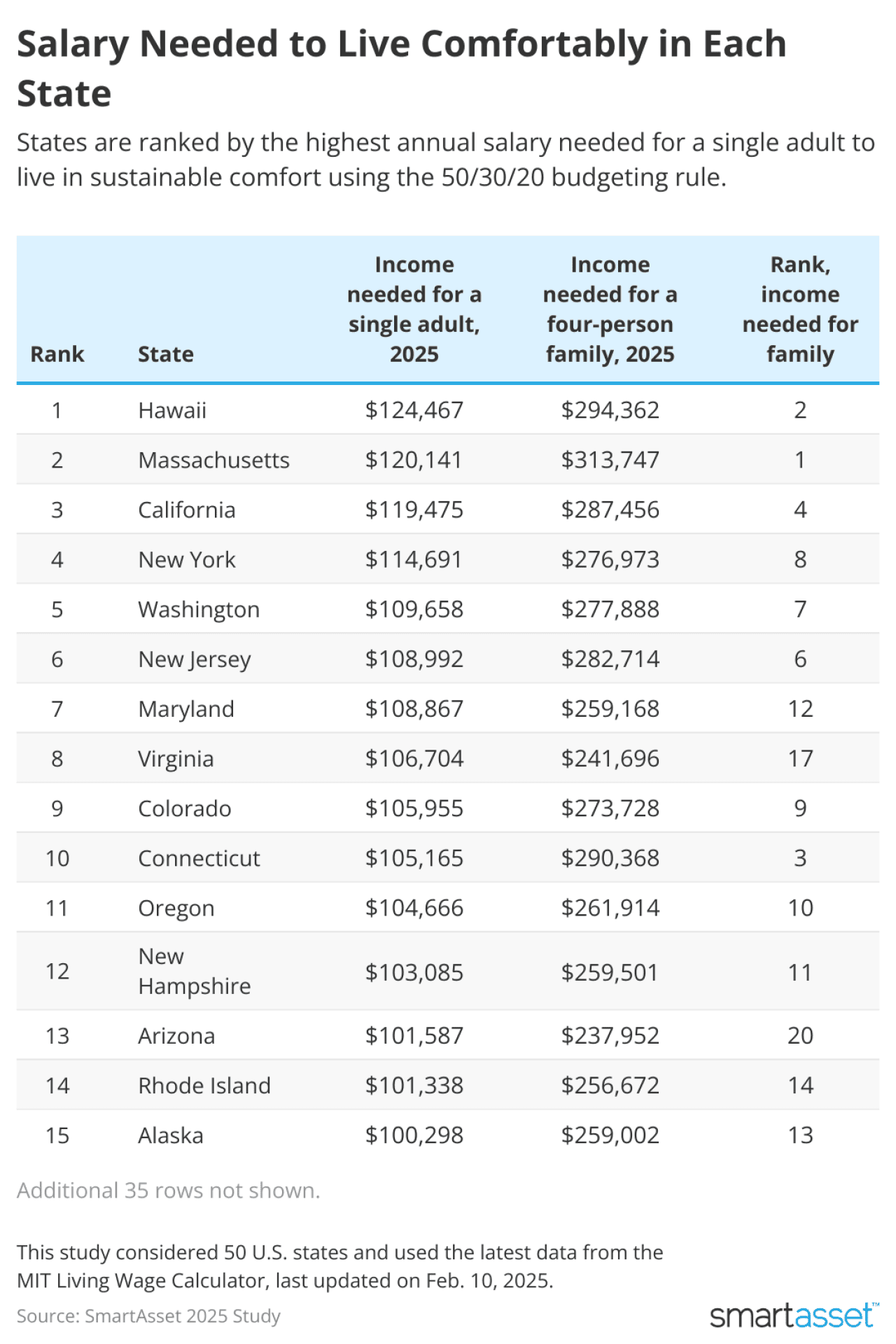
A significant factor in defining the monetary value of comfort is geography. The cost of living varies dramatically from one region to another, even within the same country. Housing, for instance, can be exponentially more expensive in major metropolitan areas like New York City or San Francisco compared to a smaller city in the Midwest or a rural town. Similarly, state and local taxes, transportation costs, and even the price of groceries can differ considerably. What constitutes a comfortable income in Des Moines, Iowa, might only cover basic necessities in London, UK, or Zurich, Switzerland. Therefore, any calculation of “how much money” must be grounded in the specific economic context of where one lives or intends to live.
Key Pillars of a Comfortable Lifestyle
Breaking down the components of a comfortable lifestyle into distinct financial categories helps to illustrate the breadth of expenses involved beyond the absolute basics.
Housing: More Than Just Shelter
Housing is often the largest single expense. For comfort, this isn’t just about having a roof over your head. It’s about a safe neighborhood, sufficient space, proximity to work or family, desired amenities (e.g., a yard, a gym, good schools), and the financial capacity to maintain it without stress. This includes rent or mortgage payments, property taxes, homeowner’s insurance (or renter’s insurance), utilities (electricity, gas, water, internet), and a budget for maintenance and repairs. A comfortable housing situation typically means spending no more than 30% of gross income on housing costs, allowing room for other pillars of comfort.
Transportation: Convenience and Choice
A comfortable transportation budget allows for reliable and convenient travel. For many, this means owning a dependable car, potentially even a newer model with fewer maintenance worries. Beyond the car payment, there are costs for insurance, fuel, maintenance, repairs, and possibly parking or tolls. For those relying on public transport, a comfort budget would ensure easy access to passes or fares, and perhaps the occasional ride-share for convenience. The ability to choose a preferred mode of transport, rather than being restricted by cost, is key here.
Food: Quality Over Quantity
Eating comfortably means having access to healthy, nutritious food without constantly scrutinizing prices. It includes a generous grocery budget for fresh produce, quality proteins, and diverse ingredients. Beyond home cooking, it also incorporates the flexibility to dine out regularly, whether at casual restaurants or for special occasions, and to enjoy coffee shop visits or takeout without guilt. This pillar underscores the shift from mere sustenance to culinary enjoyment and social engagement.
Healthcare: Peace of Mind and Access
True comfort often hinges on peace of mind regarding health. This requires comprehensive health insurance, but also the financial capacity to cover deductibles, co-pays, prescription costs, and potentially specialized treatments or dental/vision care that might not be fully covered. The ability to choose preferred doctors, access preventative care, and not let medical bills become a source of anxiety is a cornerstone of financial comfort.
Discretionary Spending: Leisure and Enrichment
This category is where personal definitions of comfort truly shine. It includes funds for hobbies, entertainment (movies, concerts, streaming services), personal care (haircuts, spa treatments), education or skill development, gifts, and, crucially, travel. A comfortable lifestyle usually integrates a budget for regular vacations, whether domestic getaways or international adventures, allowing for rejuvenation and new experiences. This spending is often seen as “wants” but they are fundamental to a rich and satisfying life.
Calculating Your Comfort Number
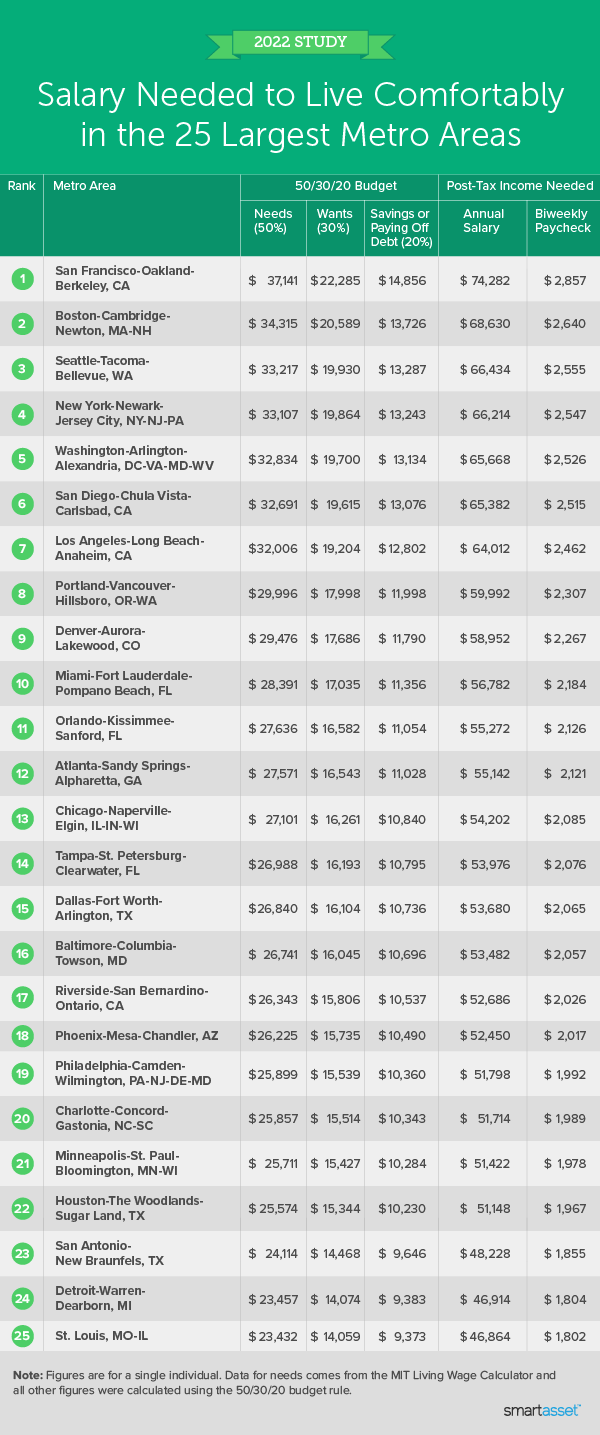
Determining your specific “comfort number” requires a detailed assessment of your current expenses, your desired lifestyle, and foresight into future needs. It’s a dynamic figure that will likely change over time.
Budgeting for Comfort: The 50/30/20 Rule Refined
A popular budgeting guideline is the 50/30/20 rule: 50% of income for needs, 30% for wants, and 20% for savings and debt repayment. When aiming for comfort, the lines between “needs” and “wants” blur. A more spacious apartment (a want) might become a need if it enables working from home more effectively. A reliable car (a need) might include features that were once considered wants.
For a comfortable lifestyle, the emphasis shifts to ensuring that the “needs” are met at a higher quality standard, the “wants” are consistently fulfilled, and the “savings” component is robust enough to build significant wealth. This might look like a higher percentage dedicated to a comfortable standard of living (perhaps 60-70% for needs/wants, combined with a strong 20-30% for savings and investments). The key is alignment with your personal values and goals, allocating funds to areas that bring you the most satisfaction and security.
Accounting for Irregular Expenses and Emergencies
A comfortable financial position inherently includes provisions for the unexpected. This means maintaining a fully funded emergency savings account, typically covering three to six months of essential living expenses. Beyond emergencies, a comfortable budget also accounts for irregular but anticipated expenses such as annual subscriptions, holiday gifts, car repairs, home maintenance, and occasional large purchases. Proactive saving for these items prevents them from becoming financial shocks.
The Role of Debt in Comfort Levels
High-interest debt, particularly consumer debt like credit card balances, can be a major impediment to financial comfort. Interest payments siphon off income that could otherwise be used for savings, investments, or discretionary spending. While some debt, like a mortgage or a student loan, can be a manageable part of a comfortable life, excessive or high-cost debt significantly reduces disposable income and creates ongoing stress. A comfortable financial state typically involves managing debt strategically, prioritizing repayment of high-interest loans, and avoiding accumulating new detrimental debt.
Strategies for Achieving Financial Comfort
Attaining and maintaining a comfortable financial life is a proactive endeavor that involves a combination of smart income generation, judicious spending, and strategic financial planning.
Income Generation: Diversifying and Increasing Earnings
The most direct path to increasing financial comfort is often through increasing income. This can be achieved through various avenues:
-
Career Advancement: Seeking promotions, negotiating higher salaries, or changing jobs to roles with better compensation.
-
Skill Development: Acquiring new skills or certifications that make you more valuable in the job market.
-
Side Hustles: Launching a part-time business, freelancing, or taking on contract work to supplement primary income.
-
Passive Income Streams: Investing in dividend stocks, real estate, or creating digital products that generate income with minimal ongoing effort.
Diversifying income sources provides a buffer against economic downturns and accelerates wealth accumulation.
Smart Saving and Investing: Building Wealth
Simply earning more is insufficient without effective management of those earnings.
-
Automate Savings: Set up automatic transfers from your checking to savings and investment accounts each payday. This “pay yourself first” strategy ensures consistent contributions.
-
Retirement Accounts: Maximize contributions to tax-advantaged accounts like 401(k)s, IRAs, and HSAs. The power of compound interest over decades is the most potent tool for long-term wealth building.
-
Diversified Investments: Invest in a diversified portfolio of stocks, bonds, and other assets appropriate for your risk tolerance and time horizon. Regular review and rebalancing are crucial.
-
High-Yield Savings Accounts: For emergency funds and short-term goals, choose accounts that offer competitive interest rates.
Minimizing Unnecessary Expenses
While comfort allows for discretionary spending, it’s also important to be mindful of where money is going. Regularly review your budget to identify areas where spending might not align with your values or provide true satisfaction. This isn’t about deprivation, but about intentional spending. Cancel unused subscriptions, look for better deals on services, and practice mindful consumption to avoid “lifestyle creep” – where increased income leads to an automatic increase in expenses without a corresponding increase in satisfaction.
Financial Planning and Goal Setting
A comprehensive financial plan acts as a roadmap to comfort. Define clear short-term (e.g., saving for a down payment), mid-term (e.g., funding a child’s education), and long-term goals (e.g., retirement). Work with a financial advisor if needed to create a plan that addresses your specific situation, includes risk management strategies, and projects your financial trajectory. Regular review and adjustment of this plan are essential as life circumstances and financial markets evolve.
The Evolving Nature of Comfort and Financial Independence
The concept of comfort is not static; it shifts with life stages, personal growth, and external economic factors. What felt comfortable in your twenties might not suffice in your forties with a family, and vice versa.
Adapting to Life Changes
Major life events such as marriage, starting a family, purchasing a home, career changes, or health challenges will inevitably alter your financial needs and definition of comfort. A comfortable financial strategy is one that is flexible and adaptable, allowing for adjustments to savings rates, spending habits, and investment strategies to meet new realities. Regular reassessment of your financial plan ensures it remains aligned with your evolving life.
The Psychological Aspect of Financial Comfort
Beyond the raw numbers, financial comfort offers immense psychological benefits. It significantly reduces stress and anxiety related to money, allowing individuals to focus on personal growth, relationships, and contributing to their communities. It provides freedom of choice – the ability to pursue passions, say no to undesirable work, or take calculated risks because there is a financial safety net. Ultimately, “how much money to live comfortably” isn’t just a numerical calculation; it’s a measure of the financial freedom and peace of mind necessary to live a fulfilling and secure life.
aViewFromTheCave is a participant in the Amazon Services LLC Associates Program, an affiliate advertising program designed to provide a means for sites to earn advertising fees by advertising and linking to Amazon.com. Amazon, the Amazon logo, AmazonSupply, and the AmazonSupply logo are trademarks of Amazon.com, Inc. or its affiliates. As an Amazon Associate we earn affiliate commissions from qualifying purchases.