
The question “how much is the insurance?” is deceptively simple, yet it unlocks a world of complexity that many individuals and businesses grapple with daily. It’s not a question with a single, universal answer, but rather one that branches into a myriad of factors, calculations, and personal circumstances. In the realm of personal finance and business financial planning, understanding insurance costs is paramount, serving as a cornerstone of risk management and financial stability. This article aims to demystify the intricacies behind insurance premiums, offering insights into the variables at play, common types of insurance, strategies for cost optimization, and the profound value insurance provides beyond its price tag.
Unraveling the Complexity of Insurance Premiums
At its core, insurance is a financial contract designed to protect individuals and entities from the financial impact of specified risks. While its purpose is straightforward, the process of determining its cost—the premium—is anything but.
The Fundamental Purpose of Insurance
Insurance operates on the principle of pooling risk. Many individuals pay small, regular amounts (premiums) into a collective fund. When one of these individuals suffers a covered loss, they are compensated from this fund. This mechanism provides financial security, ensuring that a single catastrophic event doesn’t lead to total financial ruin. Whether it’s a car accident, a house fire, a critical illness, or an unforeseen death, insurance acts as a safety net, mitigating the direct financial fallout.
Why Premiums Aren’t One-Size-Fits-All
The reason “how much is the insurance” has no simple answer lies in the highly individualized nature of risk. No two policyholders present the exact same risk profile, even for seemingly identical coverage. Factors ranging from personal health and lifestyle choices to geographical location and the specific item being insured all play a crucial role. An insurance company’s primary objective is to assess the likelihood of a claim being made and the potential cost of that claim, then set a premium that adequately covers that risk while also allowing for operational costs and profit.
The Actuarial Science Behind Your Quote
Behind every insurance quote is a sophisticated discipline known as actuarial science. Actuaries are statisticians and financial professionals who use complex mathematical models, probability theory, and statistical data to analyze risk. They consider vast datasets of past claims, demographic trends, economic forecasts, and even environmental factors to predict future losses. This scientific approach allows insurers to quantify risk and price policies accurately, ensuring the sustainability of their business while striving to offer competitive rates. Without this rigorous analysis, insurance companies would either underprice policies and face insolvency or overprice them and lose market share.
Key Determinants of Your Insurance Costs
While the actuarial models are complex, the inputs they use can be broken down into several understandable categories that directly influence your premium.
Personal Profile: Age, Health, and Driving Record
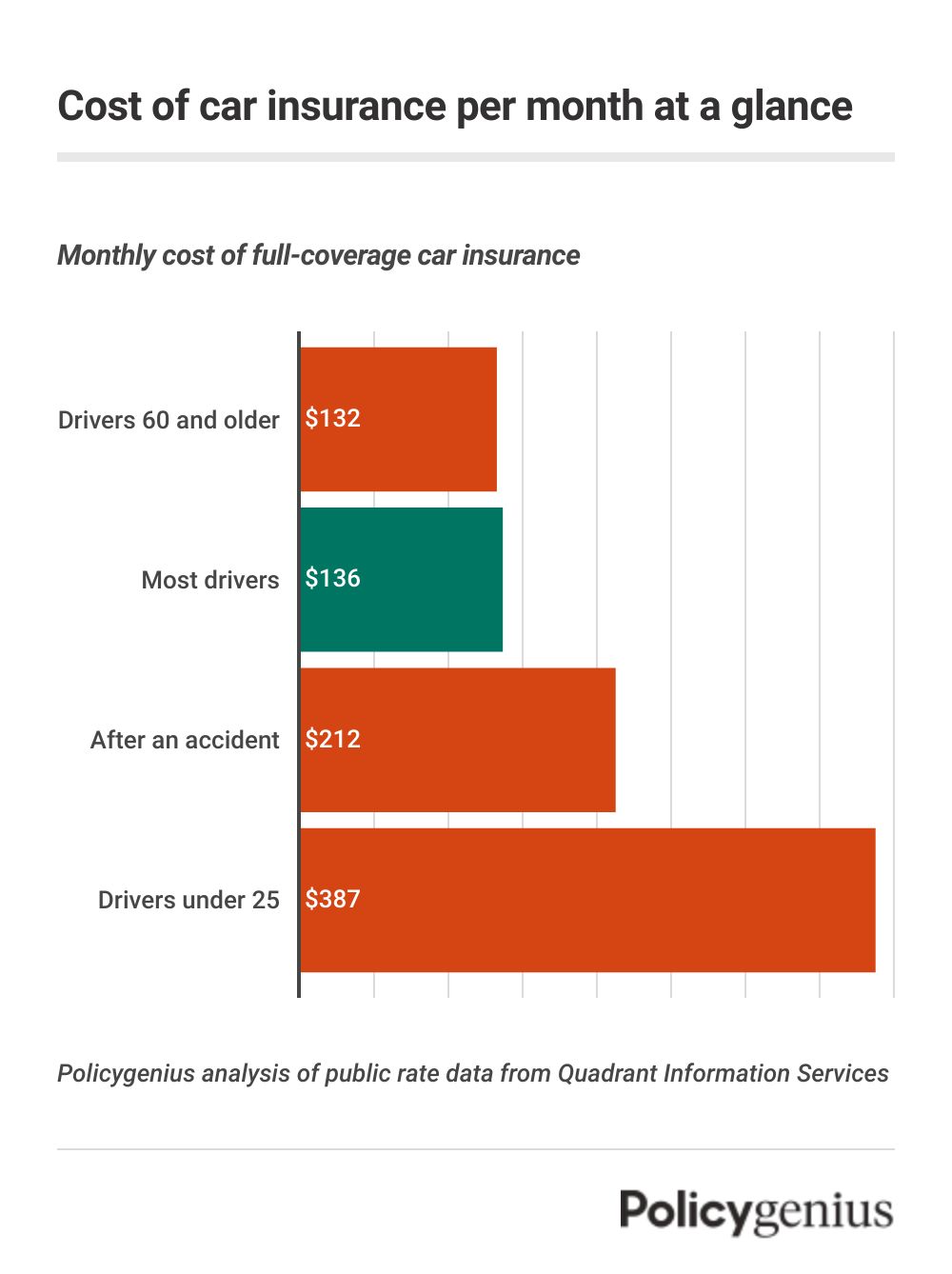
Your personal characteristics are fundamental to risk assessment. For life insurance and health insurance, age is a significant factor; younger, healthier individuals generally pay less due to a lower statistical likelihood of illness or death. Health status, including pre-existing conditions, lifestyle habits (like smoking), and family medical history, directly impacts health and life insurance premiums. For auto insurance, driving record is paramount. A history of accidents, traffic violations, or DUI/DWI convictions will invariably lead to higher premiums, reflecting a higher risk of future claims.
Risk Assessment: Location, Lifestyle, and Asset Value
The environment in which you live and the assets you own also play a critical role. For homeowner’s or renter’s insurance, your geographical location matters significantly. Areas prone to natural disasters (hurricanes, earthquakes, floods, wildfires) or those with higher crime rates will incur higher premiums. Your lifestyle, particularly for specialized insurance like travel or professional liability, can also be assessed. The value of the asset being insured is another direct cost driver. A luxury car will cost more to insure than an economy model, just as a multi-million dollar home will have higher homeowner’s premiums than a modest apartment.
Coverage Specifics: Deductibles, Limits, and Riders
The choices you make about the insurance policy itself directly impact the premium.
-
Deductible: This is the amount you agree to pay out-of-pocket before your insurance coverage kicks in. A higher deductible generally means a lower premium, as you are taking on more of the initial risk.
-
Coverage Limits: These are the maximum amounts the insurer will pay for a covered loss. Higher limits provide greater protection but come with a higher premium.
-
Riders/Endorsements: These are additional provisions added to a standard policy to extend or restrict coverage. For example, a personal property rider for valuable jewelry on a homeowner’s policy will increase the premium.
The Insurer’s Perspective: Underwriting and Business Models
Finally, the insurance company itself influences the cost. Each insurer has its own underwriting guidelines, risk appetite, and business model. Some companies specialize in high-risk individuals and charge higher premiums but offer coverage where others might not. Others target low-risk profiles, offering more competitive rates. The insurer’s operational efficiency, marketing costs, and profit margins also factor into the final premium calculation. This is why shopping around between different providers is so crucial.
A Closer Look at Common Insurance Types and Their Cost Drivers
To further illustrate the factors at play, let’s examine how premiums are determined for some of the most common types of insurance.
Auto Insurance: Vehicle, Driver, and Usage Factors
For auto insurance, the premium is a complex calculation involving:
-
The Vehicle: Make, model, year, safety features, theft rates, and cost of repairs. A sports car is typically more expensive to insure than a family sedan.
-
The Driver: Age, gender (in some regions), driving history, credit score (in many states), and marital status. Young, inexperienced drivers often face the highest rates.
-
Usage: How much you drive (annual mileage), where you drive (urban vs. rural), and the purpose of the vehicle (commuting vs. pleasure).
-
Coverage Choices: Liability limits, collision, comprehensive, uninsured/underinsured motorist, and personal injury protection.
Homeowner’s/Renter’s Insurance: Property, Perils, and Protection
Home insurance costs are influenced by:
-
Property Characteristics: Age and construction type of the home, its replacement cost, size, and specific features (e.g., swimming pool).
-
Location: Proximity to fire hydrants/stations, crime rates in the neighborhood, and susceptibility to natural disasters.
-
Perils Covered: Standard policies cover certain risks, but additional coverage for floods, earthquakes, or specific valuables may be extra.
-
Security Measures: Installation of alarms, smoke detectors, and other safety devices can lead to discounts.
Health Insurance: Coverage Levels, Network, and Personal Health
Health insurance premiums are determined by:
-
Plan Type: HMO, PPO, EPO, POS, HDHP – each has different network restrictions and cost-sharing structures.
-
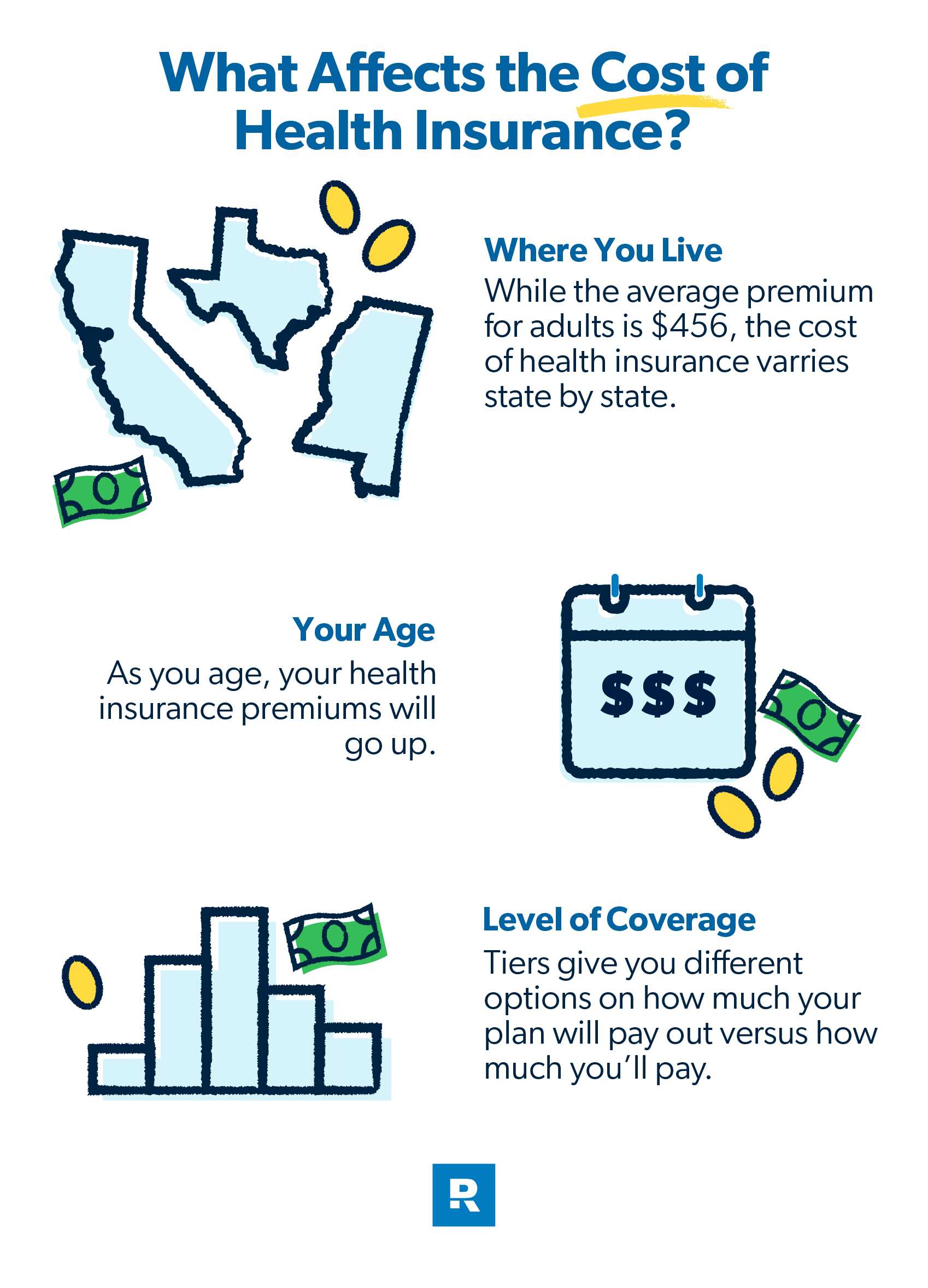
Coverage Level: Bronze, Silver, Gold, Platinum plans offer varying levels of actuarial value, with higher tiers covering a larger percentage of medical costs at a higher premium.
-
Deductibles, Copayments, Coinsurance: The out-of-pocket expenses you agree to bear.
-
Age and Location: These are key factors in determining base rates.
-
Tobacco Use: Smokers often pay significantly higher premiums.
-
Pre-existing Conditions: While the Affordable Care Act (ACA) prevents insurers from denying coverage or charging more based on pre-existing conditions, these can still influence overall market rates.
Life Insurance: Age, Health, Term vs. Whole Life
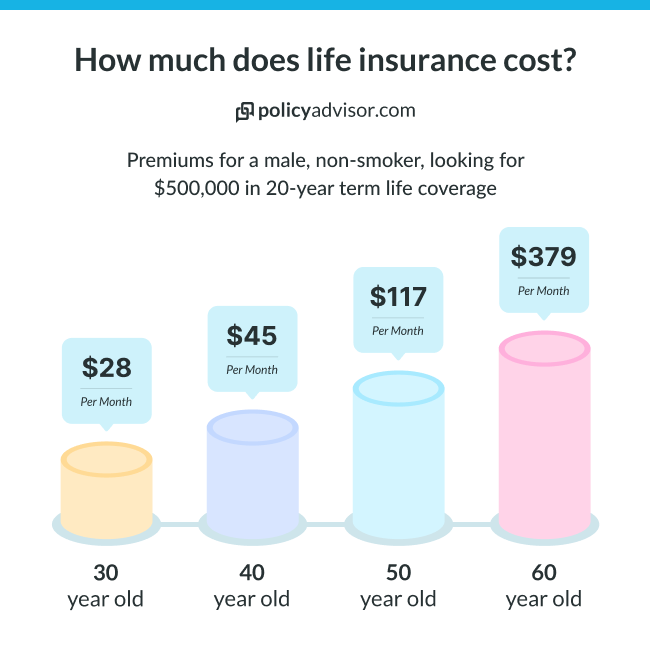
Life insurance premiums are primarily driven by:
-
Age: The younger and healthier you are when you purchase, the lower the premiums.
-
Health: Your current health status, medical history, family health history, and lifestyle habits (smoking, occupation) are rigorously assessed.
-
Type of Policy: Term life insurance, which covers a specific period, is generally much cheaper than whole life or universal life insurance, which offers lifelong coverage and a cash value component.
-
Coverage Amount: The death benefit amount directly correlates with the premium.
-
Policy Term: For term life, a longer term (e.g., 30 years vs. 10 years) usually means a higher premium.
Strategies for Optimizing Your Insurance Spend
While insurance is an unavoidable expense for most, there are numerous proactive steps you can take to manage and potentially reduce your premiums without compromising essential coverage.
Shop Around and Compare Quotes Diligently
This is perhaps the most effective strategy. Do not settle for the first quote you receive. Insurance companies have different underwriting criteria, risk appetites, and pricing structures. Obtaining quotes from multiple insurers for the same level of coverage can reveal significant price discrepancies. Utilize online comparison tools, independent insurance brokers, and direct insurer websites to cast a wide net.
Leverage Discounts and Bundling Opportunities
Insurers offer a multitude of discounts that many policyholders overlook:
-
Bundling: Combining multiple policies (e.g., auto and home insurance) with the same provider often results in a multi-policy discount.
-
Safety Features: Discounts for home security systems, smoke detectors, car alarms, or anti-lock brakes.
-
Good Driver/Student Discounts: Rewards for a clean driving record or good grades.
-
Loyalty Discounts: For long-term customers.
-
Professional/Association Discounts: Affiliation with certain groups or employers.
Always ask your agent about all available discounts.
Adjust Deductibles and Coverage Limits Wisely
If you have a robust emergency fund, consider increasing your deductibles. By agreeing to pay a larger amount out-of-pocket if a claim occurs, you signal to the insurer that you’re taking on more risk, which can lower your premium. Similarly, regularly review your coverage limits. As assets age or decrease in value (e.g., an older car), you might be able to lower collision or comprehensive coverage without significant risk. However, be cautious not to under-insure critical assets or liability exposures.
Improve Your Risk Profile
Taking steps to become a less risky client can lead to lower premiums. For auto insurance, maintain a clean driving record. For health and life insurance, adopt a healthier lifestyle (quit smoking, exercise, manage chronic conditions). For home insurance, invest in home improvements that reduce risk, such as storm-resistant roofing or reinforced windows in hurricane-prone areas. Improving your credit score (where legally allowed to be used) can also positively impact premiums.
Regular Review and Adjustment of Policies
Life circumstances change, and so should your insurance policies. A yearly review with your agent ensures your coverage remains appropriate and cost-effective.
-
Life Events: Marriage, divorce, birth of a child, career changes, or purchasing a new home all warrant a policy review.
-
Asset Changes: Selling a car, paying off a mortgage, or acquiring new valuables.
-
Market Changes: Premiums can fluctuate based on market conditions, so regularly re-evaluating your options is prudent.
The True Value Beyond the Premium: Insurance as a Financial Safeguard
While the focus often gravitates to “how much is the insurance,” it’s vital to step back and appreciate the profound role insurance plays as a critical component of a sound financial plan.
Protecting Your Assets and Future
Insurance isn’t merely an expense; it’s an investment in financial protection. It safeguards your hard-earned assets—your home, car, savings, and investments—from unexpected losses that could otherwise deplete them entirely. Without adequate insurance, a single catastrophic event could wipe out years of financial planning and set you back decades. It ensures that your future goals, whether retirement, a child’s education, or building generational wealth, remain attainable even when life throws curveballs.
Peace of Mind and Financial Stability
One of the most intangible yet invaluable benefits of insurance is the peace of mind it offers. Knowing that you and your loved ones are protected against significant financial burdens provides a sense of security that allows you to live more freely and confidently. This stability is not just emotional; it’s a practical financial buffer that prevents unexpected expenses from derailing your budget or forcing difficult choices between essential needs.
Integrating Insurance into Your Holistic Financial Plan
Insurance should not be viewed as a standalone cost but rather as an integral part of your overall financial strategy. It complements savings, investments, and debt management by addressing the “what ifs.” A comprehensive financial plan considers both accumulating wealth and protecting it. Working with a financial advisor can help you assess your specific risks, determine appropriate coverage levels, and integrate insurance premiums seamlessly into your budget, ensuring you’re neither over-insured nor dangerously under-insured.
In conclusion, the question “how much is the insurance?” opens a dialogue about risk, financial responsibility, and strategic planning. While the price tag is a significant consideration, understanding the multifaceted factors that drive premiums and actively seeking ways to optimize those costs empowers you to make informed decisions. Ultimately, insurance is an indispensable financial tool that provides a critical layer of protection, securing your present assets and safeguarding your future aspirations against life’s inherent uncertainties.
aViewFromTheCave is a participant in the Amazon Services LLC Associates Program, an affiliate advertising program designed to provide a means for sites to earn advertising fees by advertising and linking to Amazon.com. Amazon, the Amazon logo, AmazonSupply, and the AmazonSupply logo are trademarks of Amazon.com, Inc. or its affiliates. As an Amazon Associate we earn affiliate commissions from qualifying purchases.