
The question “how much is the inflation rate” is arguably one of the most frequently asked and economically critical queries today, directly impacting the financial health of individuals, families, and businesses worldwide. Understanding the current inflation rate isn’t just an academic exercise; it’s a vital component of sound financial planning, investment strategy, and business operations. Inflation, in its simplest form, represents the rate at which the general level of prices for goods and services is rising, and consequently, the purchasing power of currency is falling. Delving into its measurement, causes, impacts, and potential strategies to navigate it is essential for anyone looking to maintain or grow their financial well-being.
Understanding the Core Concepts of Inflation
To truly grasp the significance of inflation, one must first understand its fundamental principles and how it is quantified by economic authorities.
What is Inflation?
Inflation is a quantitative measure of the rate at which the average price level of a basket of selected goods and services in an economy increases over a period of time. When the price level rises, each unit of currency buys fewer goods and services; consequently, inflation reflects a reduction in the purchasing power per unit of money – a loss of real value in the medium of exchange and unit of account within the economy. This concept is crucial because it means that money saved today will have less buying power in the future if inflation persists. It can stem from various factors, including increased money supply, strong consumer demand outstripping supply, or rising production costs.
Key Measures: CPI and PCE
Two primary metrics are used globally and in major economies like the United States to track inflation: the Consumer Price Index (CPI) and the Personal Consumption Expenditures (PCE) price index.
-
Consumer Price Index (CPI): This is the most widely recognized measure. The CPI measures the average change over time in the prices paid by urban consumers for a market basket of consumer goods and services. The basket includes a broad range of items, from food and energy to housing, apparel, medical care, transportation, and education. CPI figures are often reported monthly and are highly scrutinized as they directly reflect the cost of living for most households. There are different types of CPI, such as CPI-U (for all urban consumers) and CPI-W (for urban wage earners and clerical workers). Additionally, “core CPI,” which excludes volatile food and energy prices, is often watched by policymakers to get a clearer picture of underlying inflation trends.
-
Personal Consumption Expenditures (PCE) Price Index: The PCE index is the primary inflation gauge used by the U.S. Federal Reserve for its monetary policy decisions. While similar to CPI, it differs in its scope and how it weights various expenditures. PCE covers a broader range of goods and services, including those purchased on behalf of households by employers or government programs (e.g., medical care paid for by employers). It also allows for substitution, meaning it accounts for consumers shifting to cheaper alternatives when prices rise, which can sometimes lead to a slightly lower inflation rate compared to CPI. Like CPI, a “core PCE” excluding food and energy is often used to identify underlying inflationary pressures.
Why Inflation Matters to Your Wallet
For individuals, inflation is not an abstract economic concept; it has tangible effects on daily finances. It erodes the value of savings, makes necessities more expensive, and can impact long-term financial goals. If your income does not keep pace with inflation, your real purchasing power declines, meaning you can afford fewer goods and services with the same amount of money. This directly affects household budgets, retirement planning, and even the ability to take on new debt or save for future investments. For businesses, inflation impacts input costs, pricing strategies, profit margins, and investment decisions, influencing everything from hiring to expansion plans.
The Current Economic Landscape: Global and Local Perspectives
The question of “how much is the inflation rate” is dynamic, with figures constantly shifting due to a myriad of global and local economic forces. Understanding the present situation requires looking at recent data, the factors driving it, and how it aligns (or deviates) from official targets.
Recent Inflation Trends and Data
Across many developed and emerging economies, inflation rates have seen significant volatility in recent years. Following periods of relatively low and stable inflation for decades, the post-pandemic era witnessed a dramatic surge. Supply chain disruptions, robust consumer demand fueled by fiscal stimulus, and geopolitical events (such as the war in Ukraine impacting energy and food prices) pushed inflation to multi-decade highs in 2021 and 2022. While many economies have seen a moderation from those peaks, inflation often remains elevated above central bank targets. For instance, many central banks target an annual inflation rate of around 2%, but actual figures have frequently hovered significantly higher, leading to aggressive monetary policy tightening.
Factors Driving Current Inflation
Several interconnected factors have contributed to the recent inflationary environment:
-
Supply Chain Disruptions: The COVID-19 pandemic severely disrupted global supply chains, leading to shortages of components, raw materials, and finished goods. This reduced supply in the face of steady or increasing demand naturally pushed prices upward.
-
Strong Consumer Demand: Government stimulus measures and pent-up demand following lockdowns led to a surge in consumer spending, particularly on goods. This robust demand often outstripped the capacity of producers to supply, creating inflationary pressure.
-
Geopolitical Events: Conflicts and trade tensions, most notably the war in Ukraine, have significantly impacted global commodity markets. Energy prices (oil, natural gas) and food prices (grains, fertilizers) surged, feeding into broader inflation through increased production and transportation costs.
-
Labor Market Dynamics: Tight labor markets in many regions have led to rising wages as companies compete for workers. While beneficial for employees, significant wage growth can contribute to inflation if it outpaces productivity gains, as businesses pass on higher labor costs to consumers.
-
Monetary Policy: Historically low interest rates and expansive quantitative easing policies pursued by central banks for years before the pandemic contributed to an abundance of liquidity, which some argue laid the groundwork for increased inflation when other factors aligned.
Official Targets vs. Real-World Experience
Most major central banks, including the U.S. Federal Reserve, the European Central Bank, and the Bank of England, aim for an annual inflation rate of approximately 2%. This target is considered optimal for fostering stable economic growth and maintaining price stability, avoiding both deflation (falling prices, which can stall economic activity) and excessive inflation.
However, the real-world experience of inflation often feels higher than reported headline figures, especially when individuals consider specific expenditures. While official measures provide an average across a broad basket, individual spending patterns vary. For example, if housing, food, and energy costs—which comprise a significant portion of many household budgets—rise disproportionately, people may perceive a higher personal inflation rate even if the overall CPI or PCE is lower. This divergence highlights the challenge for policymakers in communicating inflation trends and managing public expectations.
The Impact of Inflation on Personal Finance and Business
Inflation’s influence is pervasive, touching every aspect of economic life, from the smallest household budget decision to the largest corporate investment strategy.
Eroding Purchasing Power
The most direct and noticeable effect of inflation on personal finance is the erosion of purchasing power. A dollar today buys less than it did yesterday if prices are rising. This means that a fixed income or a stagnant wage effectively decreases in real value over time. For retirees living on pensions or fixed social security benefits that are not fully indexed to inflation, this can significantly reduce their standard of living. For the average worker, if wage increases don’t keep pace with the inflation rate, their real wages decline, making it harder to afford daily necessities and discretionary spending.
Effects on Savings and Investments

Inflation can be particularly detrimental to savings held in traditional bank accounts or low-yield instruments. If the annual interest rate on a savings account is 1% but inflation is 3%, your money is effectively losing 2% of its purchasing power each year. This makes it crucial to seek investments that offer returns higher than the prevailing inflation rate.
For investors, inflation introduces complexity. Assets like bonds, especially long-term fixed-rate bonds, can see their real returns diminished as inflation erodes the value of future coupon payments. Equities can be a mixed bag; some companies with pricing power may thrive, passing on higher costs to consumers, while others may struggle with increased input costs and stagnant demand. Real estate is often considered a hedge against inflation because property values and rental income tend to rise with inflation, preserving real wealth. Commodities like gold and other raw materials also historically perform well during inflationary periods.
Business Operating Costs and Pricing Strategies
Businesses face a multitude of challenges under inflationary pressures. The cost of raw materials, energy, labor, and transportation all tend to increase. This directly impacts profit margins unless businesses can effectively pass these increased costs on to consumers through higher prices. Developing appropriate pricing strategies becomes critical: price too high, and risk losing market share; price too low, and suffer reduced profitability.
Inflation also affects capital expenditure decisions. The cost of new equipment, construction, and technology investments rises, potentially delaying or reducing planned expansions. Inventory management also becomes more complex; holding too much inventory can be costly if prices fall (deflationary risk, though less common currently), but holding too little can lead to stockouts and missed sales opportunities if supply chains are volatile and prices are rising.
Wage Growth vs. Inflation
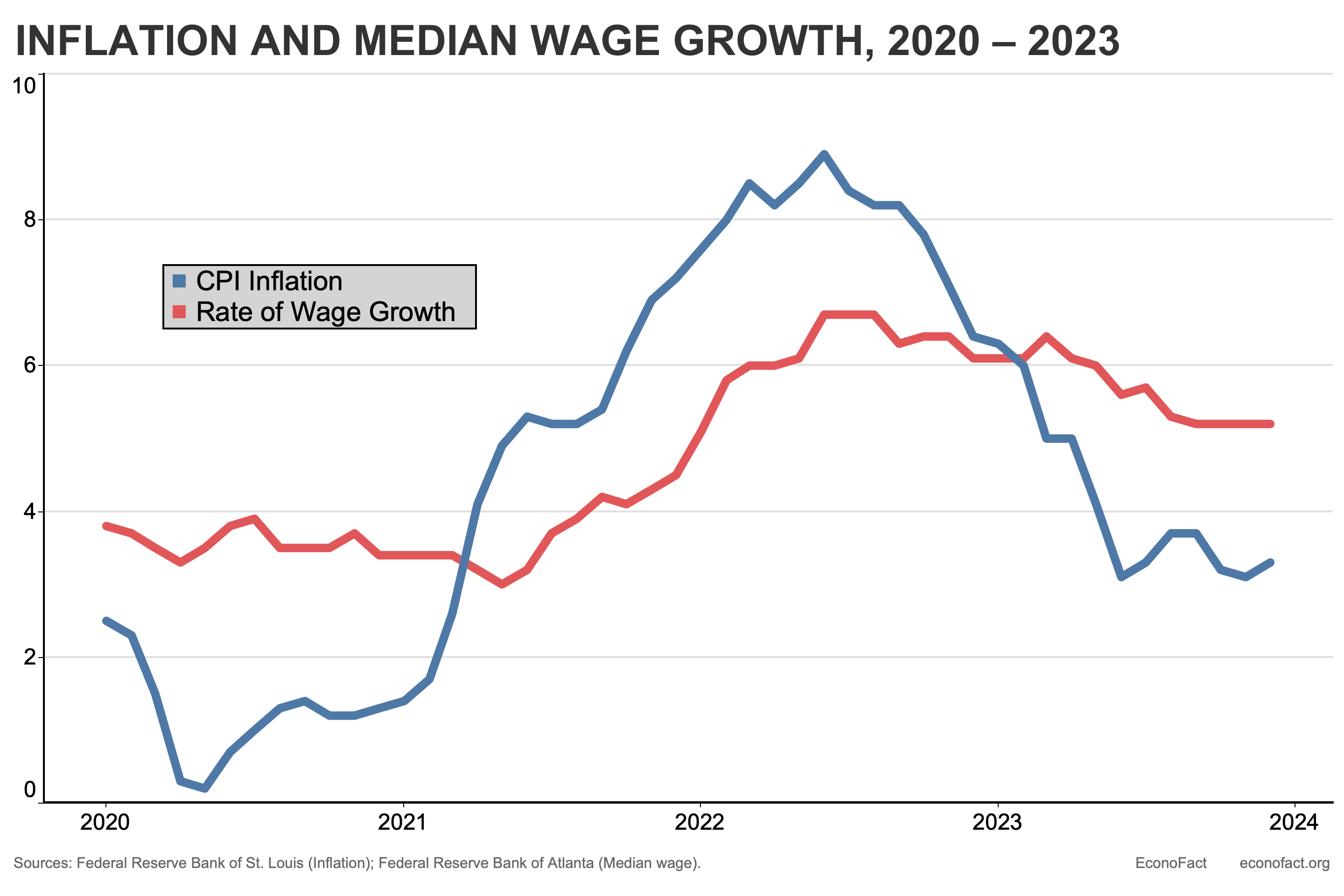
A critical battleground in an inflationary environment is the race between wage growth and inflation. Ideally, wages should grow at least in line with inflation to maintain or improve living standards. When inflation outpaces wage increases, workers experience a “real wage cut.” This can lead to demands for higher wages, potentially contributing to a wage-price spiral where rising wages push up prices, which in turn leads to further demands for wage increases. Central banks closely monitor this dynamic as it can sustain inflationary pressures over the long term.
Strategies for Navigating an Inflated Environment
In light of the impacts, both individuals and businesses must adopt proactive strategies to mitigate the negative effects of inflation and even identify opportunities.
Personal Financial Adjustments
-
Budgeting and Expense Tracking: Rigorous budgeting becomes even more critical. Identify discretionary spending that can be reduced or eliminated. Track expenses closely to understand where your money is going and where inflation is hitting hardest.
-
Debt Management: For those with variable-rate debt (like credit cards or adjustable-rate mortgages), rising interest rates implemented by central banks to combat inflation can significantly increase monthly payments. Prioritizing the payoff of high-interest, variable-rate debt can reduce future financial strain. Conversely, fixed-rate debt taken on before or during inflation becomes cheaper in real terms over time, as the value of the repayments diminishes.
-
Income Enhancement: Explore options for increasing income, whether through requesting a raise (aligned with or exceeding inflation), taking on a side hustle, or investing in skills development to secure higher-paying roles.
Investment Considerations
-
Inflation-Hedged Assets: Consider investments that historically perform well during inflationary periods. These include Treasury Inflation-Protected Securities (TIPS), which adjust their principal value based on CPI. Real estate, certain commodities (like gold, silver, oil), and dividend-paying stocks of companies with strong pricing power can also act as hedges.
-
Diversification: A diversified portfolio across different asset classes remains key. Spreading investments across equities, bonds, real estate, and commodities can help cushion the impact of inflation on any single asset type.
-
Re-evaluating Risk: Inflation changes the risk-reward landscape. Low-yield cash holdings become riskier due to purchasing power erosion, pushing investors to consider assets with higher potential (but also higher inherent) risk.
Business Adaptations
-
Cost Control and Efficiency: Businesses must intensify efforts to find efficiencies in their operations, negotiating with suppliers, optimizing logistics, and leveraging technology to reduce overheads and production costs.
-
Strategic Pricing: Regular review and adjustment of pricing strategies are essential. This includes understanding cost structures thoroughly and communicating value propositions effectively to customers to justify price increases.
-
Inventory Management: Implementing advanced inventory management systems to minimize carrying costs while ensuring sufficient stock to meet demand, especially for critical components, is crucial.
-
Supply Chain Resilience: Diversifying supply chains and building stronger relationships with suppliers can help mitigate disruptions and manage input cost volatility.
Role of Central Banks and Fiscal Policy
Central banks play a pivotal role in combating inflation primarily through monetary policy, mainly by adjusting interest rates. Raising interest rates makes borrowing more expensive, which can cool down demand, slow economic activity, and ultimately reduce inflationary pressures. Fiscal policy, managed by governments, can also influence inflation through taxation and spending decisions. During high inflation, governments might reduce spending or raise taxes to curb demand, though such measures are often politically challenging. The coordinated efforts of these institutions are critical in steering economies through inflationary periods.
Outlook and Future Considerations
The current inflation rate is not a static figure but part of an ongoing economic narrative influenced by a complex interplay of forces. Looking ahead, both expert projections and individual financial planning must account for its evolving nature.
Expert Projections and Forecasts
Economists and financial institutions constantly update their forecasts for inflation, often predicting a gradual return towards central bank targets, albeit with potential volatility. These projections typically hinge on assumptions about global growth, energy prices, supply chain normalization, and the effectiveness of monetary policy. However, unforeseen geopolitical events or shifts in consumer behavior can quickly alter these forecasts, underscoring the uncertainty inherent in economic predictions. Many expect inflation to moderate but remain somewhat elevated in the near term compared to the pre-pandemic era, given ongoing structural shifts in global trade and energy markets.
Potential Risks and Opportunities
The primary risk associated with persistent high inflation is a potential economic slowdown or recession as central banks continue to tighten monetary policy. A “hard landing” scenario, where efforts to curb inflation lead to significant job losses and reduced economic output, remains a concern. There’s also the risk of “stagflation,” a period of high inflation combined with slow economic growth and high unemployment, which is particularly challenging for policymakers.
However, opportunities can also arise. Companies with strong balance sheets and pricing power might gain market share from weaker competitors. Nimble investors who understand inflation hedges can protect and even grow their wealth. For individuals, periods of high inflation can be a catalyst to reassess financial habits, enhance income streams, and make more informed investment decisions, ultimately leading to greater financial resilience.

Long-Term Financial Planning in an Evolving Economy
Regardless of the immediate inflation rate, a forward-looking approach to financial planning is paramount. This involves building a robust emergency fund, regularly reviewing and adjusting investment portfolios, ensuring adequate insurance coverage, and continuously seeking to increase earning potential. Understanding how inflation impacts different asset classes and personal budgets allows for proactive adjustments rather than reactive measures. In an evolving economic landscape marked by potential for continued price volatility, adaptability, knowledge, and strategic financial management will be key to long-term prosperity.
aViewFromTheCave is a participant in the Amazon Services LLC Associates Program, an affiliate advertising program designed to provide a means for sites to earn advertising fees by advertising and linking to Amazon.com. Amazon, the Amazon logo, AmazonSupply, and the AmazonSupply logo are trademarks of Amazon.com, Inc. or its affiliates. As an Amazon Associate we earn affiliate commissions from qualifying purchases.